Written by Dr Hafizan Mohamad Naim
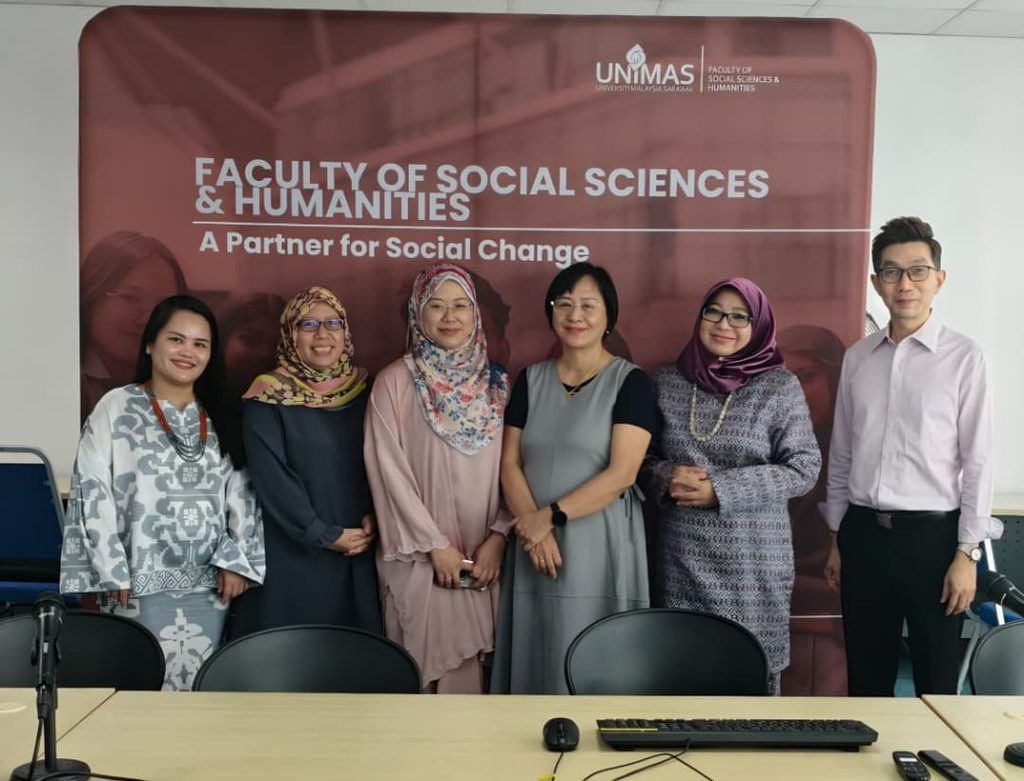
Understanding health goes beyond medicine and clinical treatment. It also involves understanding people’s beliefs, cultural practices, historical experiences and everyday realities. These perspectives were discussed during the FSSH Postgraduate Seminar held on 5 November 2026 at the Faculty of Social Sciences and Humanities (FSSH), Universiti Malaysia Sarawak (UNIMAS).
The seminar, themed “Crossing Disciplines, Merging Perspectives: Drawing Lessons from Medical Anthropology,” featured four academics who shared their research expertise and fieldwork experiences, highlighting how medical anthropology can help us understand the relationships between health, society and culture.
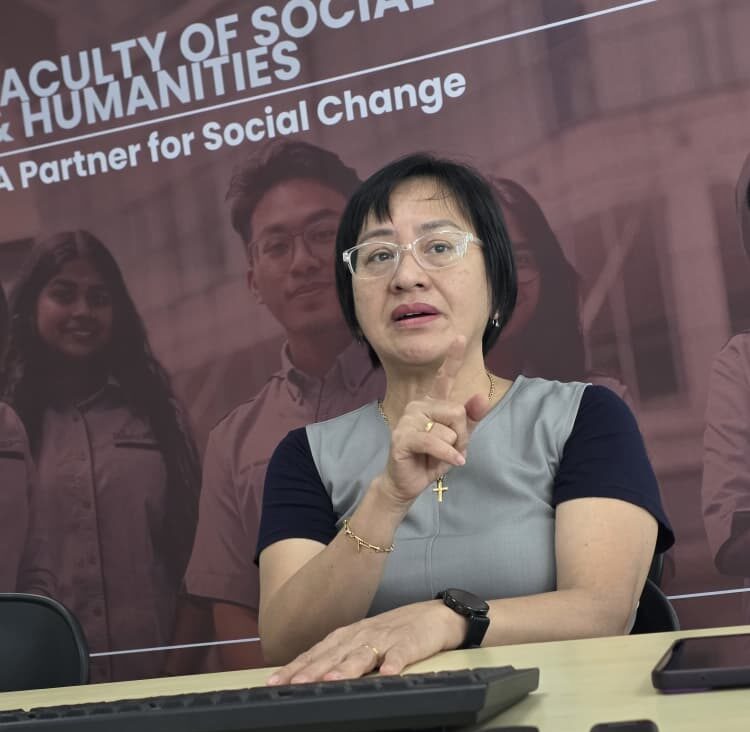
Associate Professor Dr Juna Liau opened the seminar with a presentation entitled “Perspectives, Methods and Research in Medical Anthropology,” highlighting the range of research opportunities within this interdisciplinary field. Her presentation explained how health and illness can be explored from different social, cultural and anthropological perspectives, beyond conventional medical approaches. She also introduced various research methods that postgraduate students could adopt to investigate health beliefs, healing practices, healthcare experiences and community well-being. The session encouraged students to explore new research questions and consider different methodological approaches to understanding health-related issues in diverse communities.
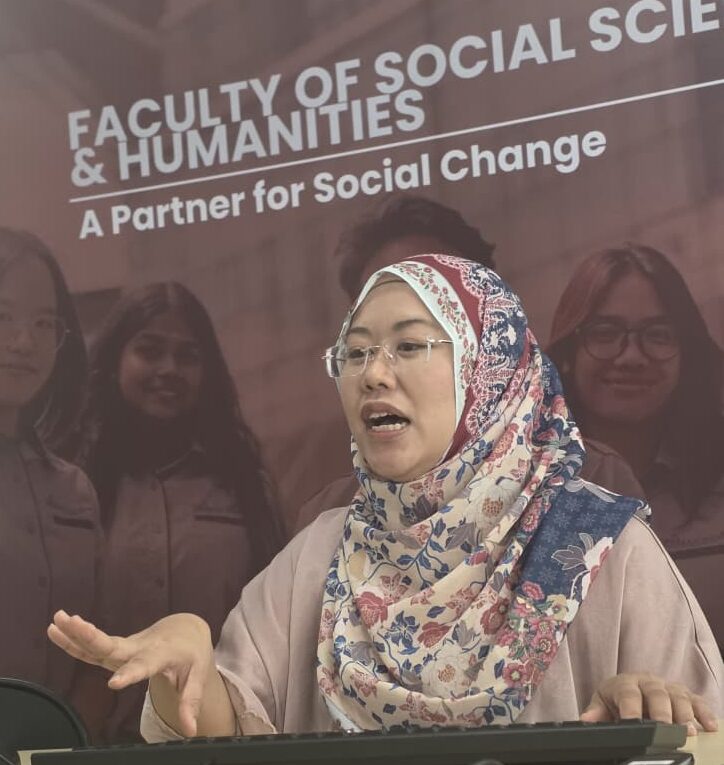
Dr Rubiah Ajan, presenting “Understanding Rural Community Health through the Lens of Health Literacy and Health Beliefs,” shared findings and experiences from community-based research involving rural populations and plantation workers. Her presentation highlighted how access to healthcare is influenced not only by the availability of medical facilities but also by people’s understanding of health information, cultural beliefs, working conditions and everyday circumstances. Drawing on her fieldwork experiences, she explained the importance of understanding communities’ experiences and the challenges they face in making informed health decisions. The presentation also introduced potential research areas for postgraduate students interested in rural health, health literacy, healthcare inequalities and community well-being.
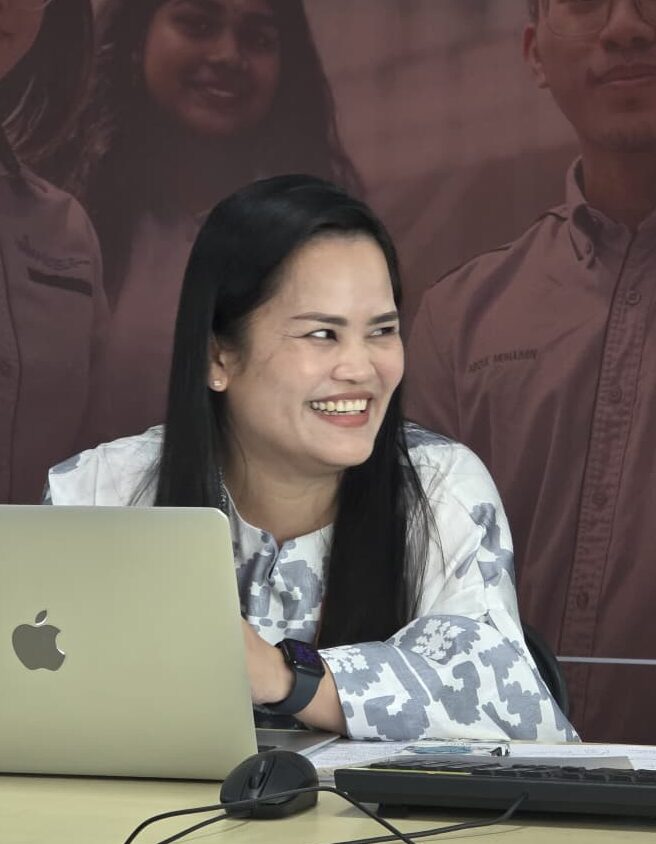
Meanwhile, Dr Dayang Hajyrayati A. Kassim presented “Translating Local Knowledge into Practice: A Qualitative Approach to Understanding Health-Seeking Behaviour.” Drawing on fieldwork among the Melanau community of Pulau Bruit, Sarawak, she explained how traditional knowledge, medicinal plants and community experiences can be studied through interviews, focus group discussions, transect walks and household surveys. She also highlighted the importance of recognising local knowledge in understanding healthcare decisions and developing culturally appropriate interventions. Through examples from her fieldwork, she showed how qualitative research methods allow researchers to better understand community practices, beliefs and experiences that may otherwise be overlooked. The session also introduced research opportunities in Indigenous knowledge, traditional healing practices and community-based healthcare research, particularly within Sarawak’s culturally diverse communities.
The final presentation, “Examining Intersectionality Using Documentary Method,” was delivered by Dr Sharifah Sophia W. Ahmad. Her presentation explored the formation of the modern Sarawak state during the Brooke administration, particularly how the introduction of modern Western medicine intersected with existing traditional healing practices. She discussed the tensions between different medical systems, cultural beliefs and emerging forms of colonial governance. Using intersectionality and documentary research, she explained how historical records can help researchers understand the relationships between medicine, power, culture and society. Her discussion also highlighted how the development of modern healthcare was shaped not only by medical advancements but also by broader social and political changes. The session introduced research opportunities in historical anthropology, colonial governance, medical pluralism, traditional healing practices and the social history of Sarawak.
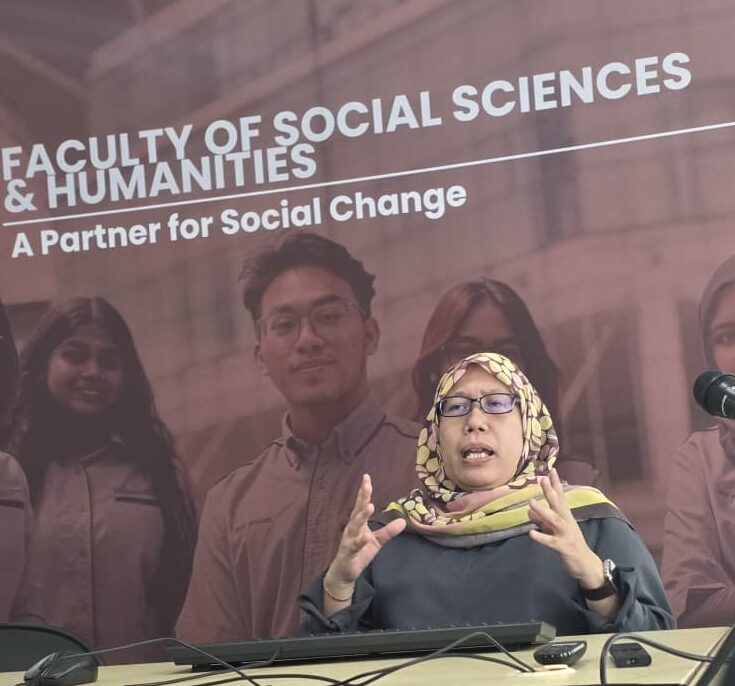
Together, the four presentations showed that health is not merely a medical concern but also a social, cultural, historical and political issue. Understanding why individuals seek treatment, trust particular healing practices or experience difficulties accessing healthcare requires researchers to look beyond conventional disciplinary boundaries.
For postgraduate students, the seminar introduced several potential research areas, including traditional healing and Indigenous knowledge, rural health literacy, historical responses to epidemics, migrant workers’ healthcare experiences, health-seeking behaviour and social inequalities. These topics offer opportunities for Master’s and PhD research, particularly within the diverse communities of Sarawak and Borneo.
Prospective postgraduate students interested in these fields are encouraged to explore research opportunities under the guidance of academics such as Associate Professor Dr Juna Liau, Dr Rubiah Ajan, Dr Dayang Hajyrayati Awang Kassim and Dr Sharifah Sophia Wan Ahmad.
The seminar also provided an opportunity for postgraduate students to learn about different research approaches and the expertise available at FSSH. Through the presentations, students were introduced to ways of studying health-related issues by considering the experiences, knowledge and practices of local communities.
FSSH – A Partner for Social Change