Reported by Dr Rosalia Saimon & UNIMAS Cohort 16 MPH Students
29 July 2026
Kuching, Sarawak
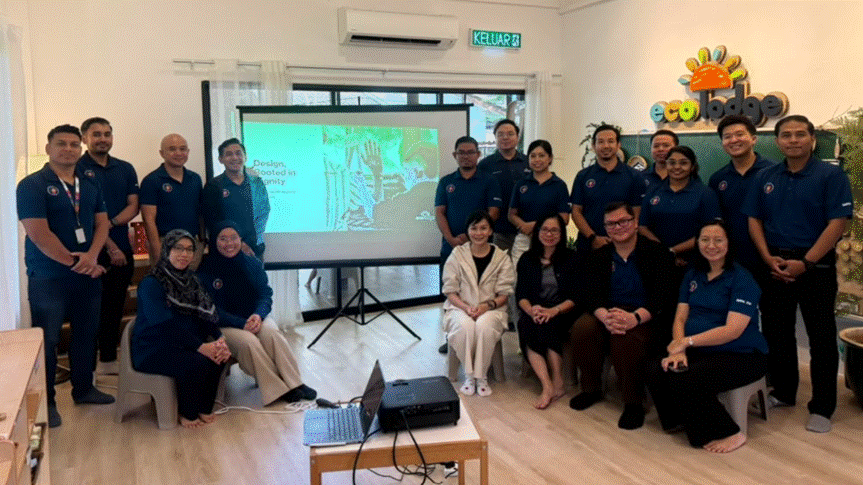
The 16th Cohort Master in Public Health (MPH) students from the Faculty of Medicine and Health Sciences, Universiti Malaysia Sarawak (UNIMAS), recently visited Tadika Eco Lodge, an innovative kindergarten that incorporates intergenerational engagement into its educational and community outreach activities. The visit was led by senior lecturer, Dr Rosalia Saimon and hosted by Principal Ms Eileen Chua, together with 19 “Pokok 2026” ambassadors (kindergarten children).
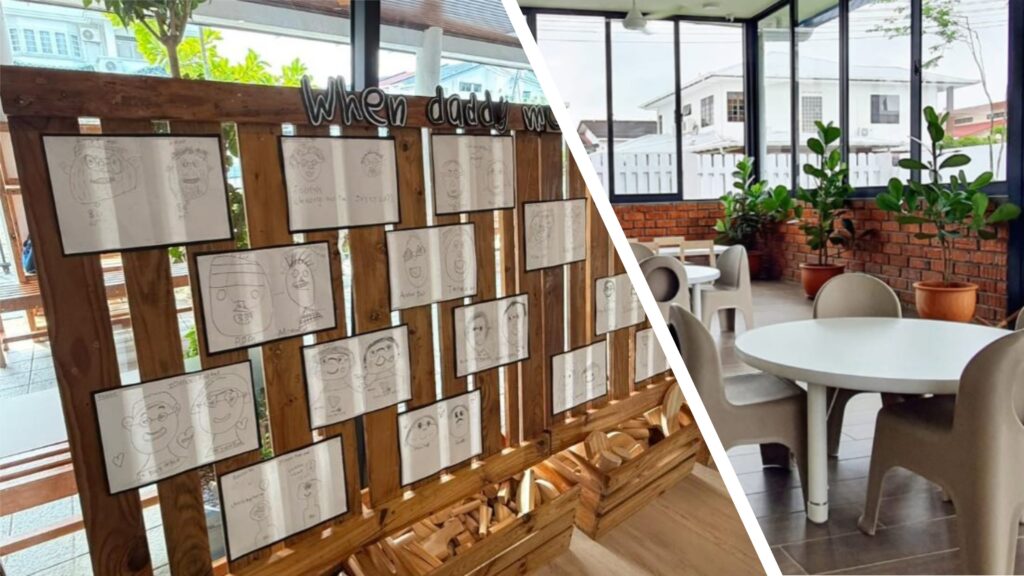
The visit provided MPH students with firsthand insights into how learning environments can be thoughtfully designed to foster meaningful connections between generations. During the session, students attended a presentation titled “Design, Rooted in Dignity” which explored how design principles can be applied to promote health, inclusion, dignity, and well-being across the life course.
“At Tadika Eco Lodge, intergenerational engagement has long been part of its regular community outreach, providing children with opportunities to build relationships with older adults through shared activities and meaningful interactions. These experiences allow children to develop observational skills, empathy, appreciation, and understanding of different stages of life”, said Ms Eileen Chua, Principal of Eco Lodge.
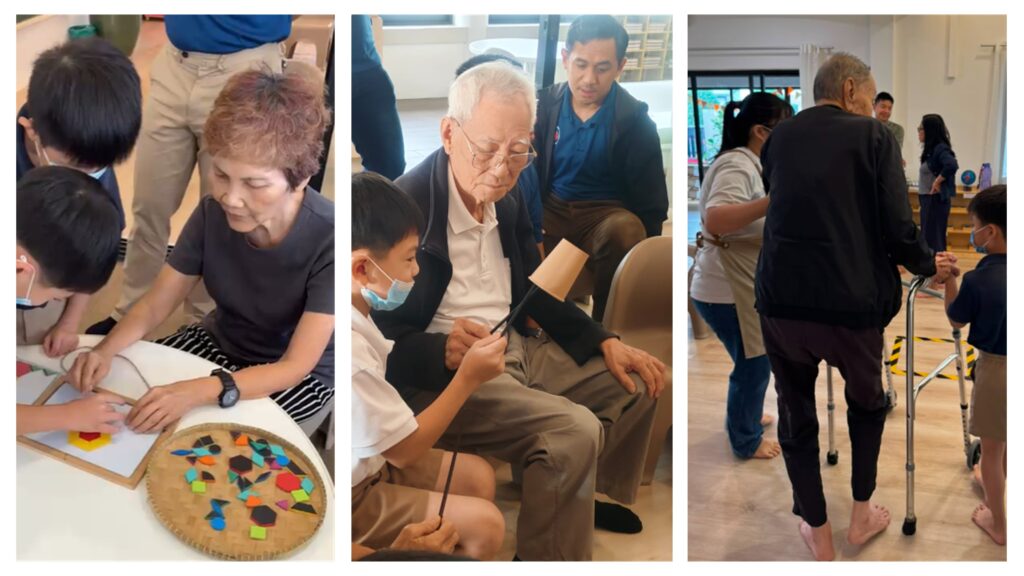
Beyond intergenerational interaction, the “Design, Rooted in Dignity” project was intentionally conceived as an educational inquiry that enables children to explore real-world needs and develop human-centred design capabilities. The project does not position older adults as passive recipients of care; instead, their lived experiences provide an authentic context for children to observe, understand, and respond to community needs through thoughtful design. The project is also not about children helping older adults. It is a project about preparing young children to become responsible citizens who recognise, understand, and respond to the needs of their communities through thoughtful design.
Dr Rosalia highlighted that “this intergenerational engagement project reflects the PERMA model of positive psychology, promoting five key elements of well-being. Through intergenerational activities, children and older adults experience joy and connection (Positive Emotion), actively participate in meaningful learning experiences (Engagement), develop respectful relationships (Relationships), understand their role in contributing to the community (Meaning), and gain confidence through creating solutions that address real-world needs (Accomplishment)”.
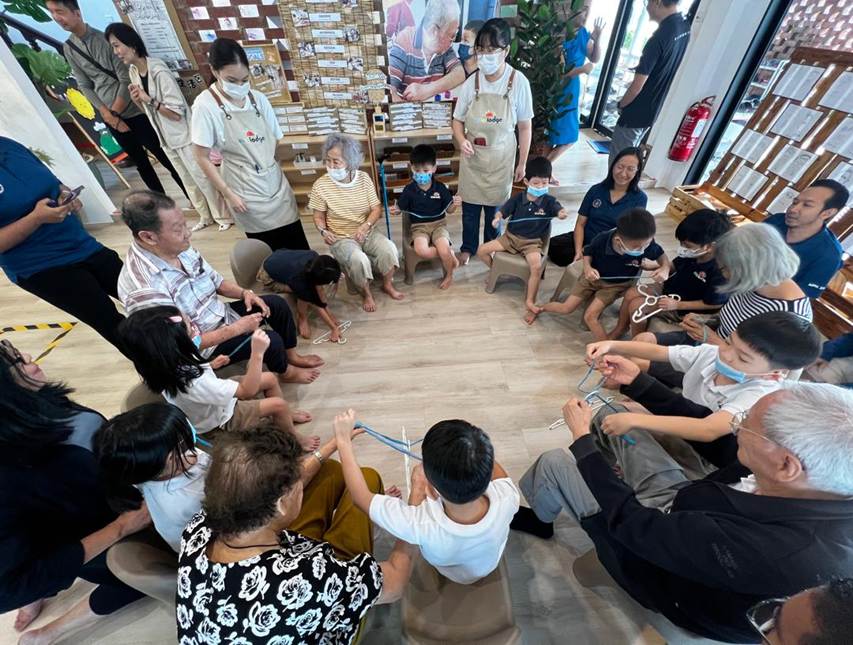
During the visit, the MPH students also observed and participated in shared activities involving preschool children and older adults. These intergenerational engagements demonstrated the potential of such programmes in reducing social isolation among older adults, supporting children’s social and emotional development, and strengthening community bonds through mutual learning, respect, and connection.
“Watching the beautiful bond between these little children and the elderly instantly brought back the warmest memories of my late grandparents. It is deeply comforting to see that same timeless love alive in the world today, especially when we are heading towards a rapidly ageing society in the years to come,”said Dr Joshua Taylor Thomas, one of the MPH students.
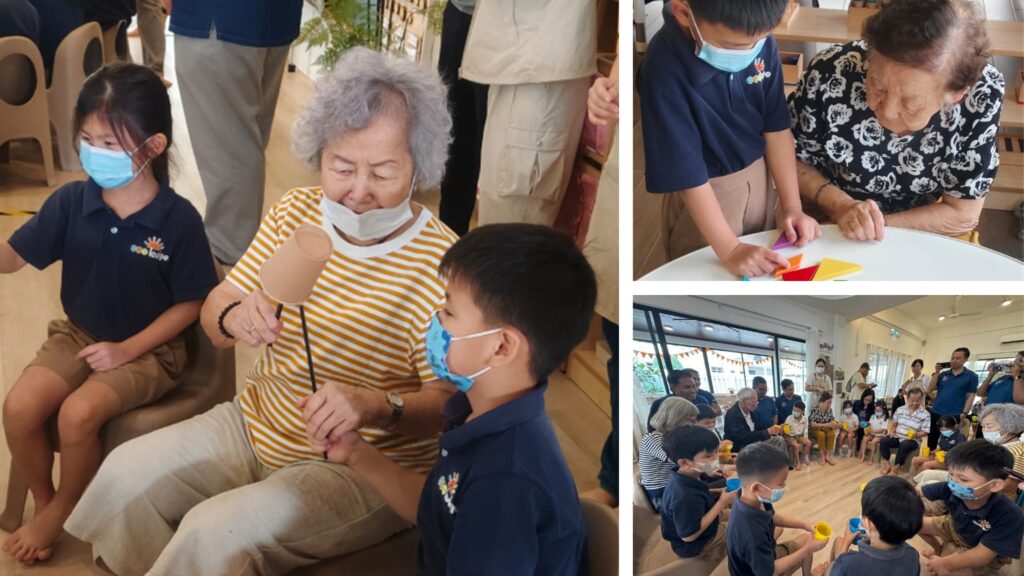
The visit also provided MPH students with an opportunity to observe the social, emotional, and communication skills demonstrated by the children during their interactions with the older adults. Throughout the activities, the children confidently initiated conversations, maintained good eye contact, and provided simple, clear instructions to guide the older adults in completing puzzle tasks. They demonstrated patience, kindness, and respect by offering gentle encouragement, correcting mistakes with care, and supporting the older adults at their own pace. Their warm gestures, including greeting the older adults upon arrival, holding their hands, and guiding them to their seats, reflected the empathy and respect that had been nurtured through the kindergarten’s intergenerational learning approach.
“My own grandchildren have grown up, and I truly enjoy spending time with the children here. Their energy, curiosity, and joy bring me happiness and a sense of connection,” said one of the older adults.
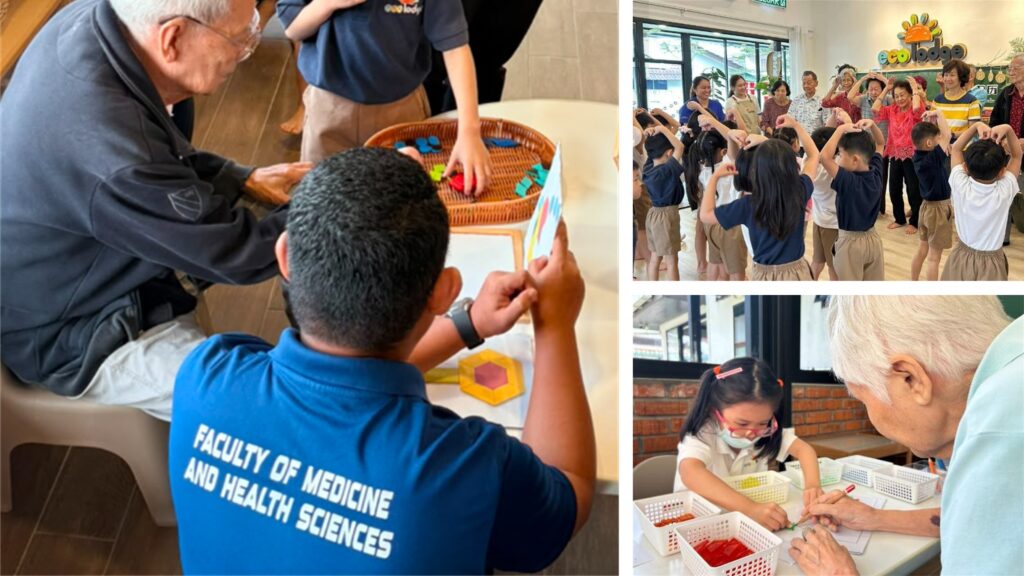
Another older adult participant, who was visiting Tadika Eco Lodge for the first time, shared that the experience had exceeded her expectations. She was particularly impressed by the children’s warm and welcoming nature, noting how confidently they approached and interacted with unfamiliar people. She remarked that the children’s friendliness, courage, and respectful attitude created a comfortable and joyful atmosphere, making the visit a truly memorable and good experience.
“This is my first time here, and the children approached me warmly and started conversations with me. They interacted with me very confidently and even taught me how to do the activities together with them. I am truly impressed because they are still very young, yet so brave and friendly. I have never experienced anything like this before, even though I was previously a secondary school teacher,” she added.
It also highlighted an important public health principle: healthy ageing begins in childhood. The values, relationships, environments, and behaviours developed during early life influence how individuals experience ageing in later years. By nurturing empathy, social responsibility, and a sense of connection from a young age, communities can lay the foundation for healthier and more resilient generations.
As Malaysia moves towards an ageing society, initiatives such as Tadika Eco Lodge offer valuable insights into how intergenerational approaches can contribute to healthy ageing, lifelong learning, stronger community resilience, and foster children’s holistic development. The experience inspired MPH students to further appreciate the role of intergenerational engagement, salutogenic design, and community-based approaches in creating environments where people of all generations can connect, participate, and thrive together.