Cross-border mobility programmes provide students with opportunities to extend learning beyond the classroom while fostering leadership, cultural understanding, and regional collaboration. Reflecting these aspirations, the Faculty of Cognitive Sciences and Human Development (FCSHD), Universiti Malaysia Sarawak (UNIMAS), successfully organised the Kembara Borneo Lestari Edu-Community Mobility Programme 2026, a nine-day initiative that brought together academic exchange, community engagement, and cultural immersion across Sarawak, Brunei Darussalam, and Sabah.
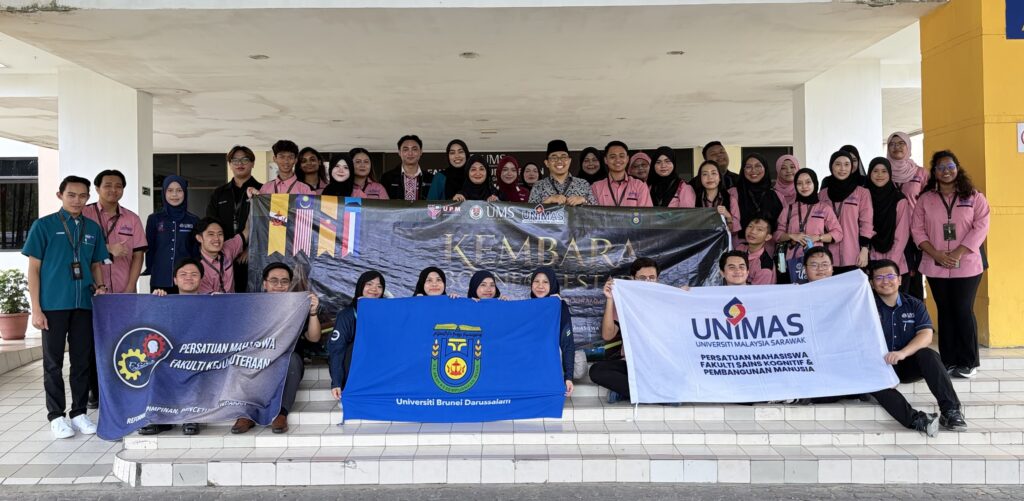
Held from 11 to 19 July 2026, the programme involved 29 students representing the Faculty’s four academic programmes. Participants were selected through a competitive interview process based on academic excellence, leadership potential, and holistic merit. The programme was organised in collaboration with Universiti Putra Malaysia Bintulu Campus (UPMS), Universiti Brunei Darussalam (UBD), and Universiti Malaysia Sabah (UMS), reflecting the participating institutions’ shared commitment to strengthening regional partnerships and expanding cross-border academic engagement.
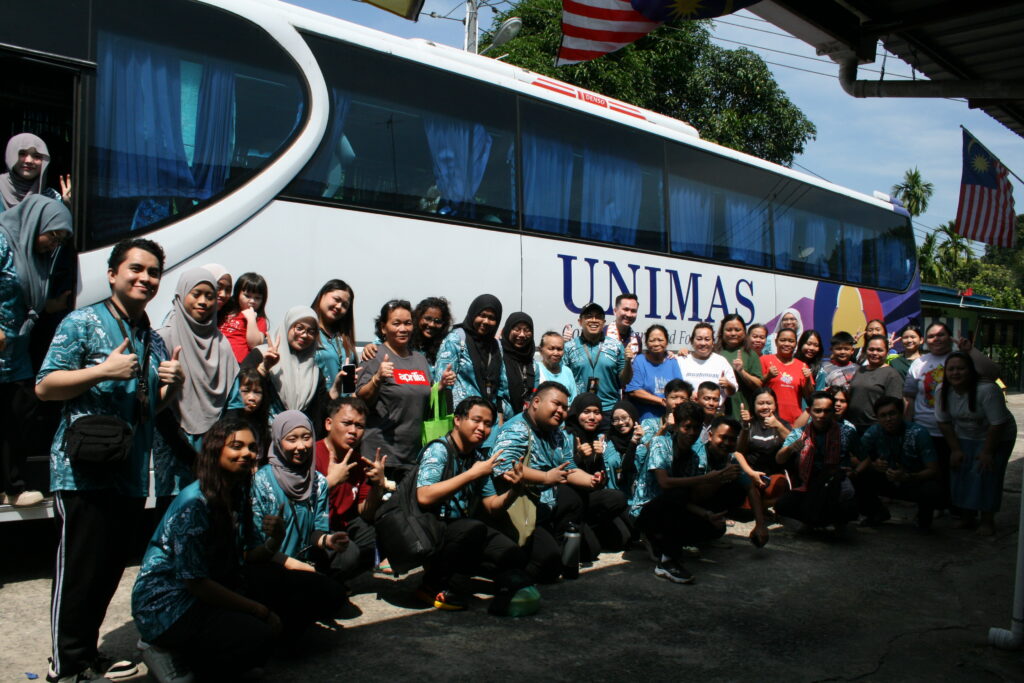
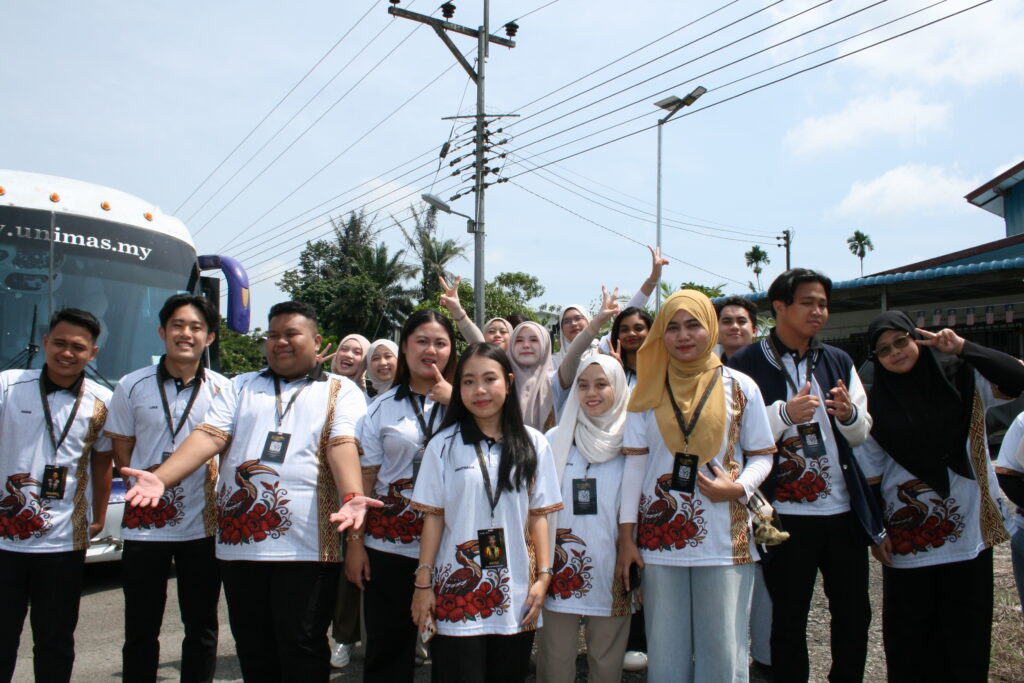
Designed as a comprehensive mobility initiative, Kembara Borneo Lestari integrated knowledge transfer, academic sharing, organisational benchmarking, cultural exchange, global classroom experiences, and Corporate Social Responsibility (CSR) activities. Throughout the programme, students engaged with university partners and local communities, gaining first-hand experience of the diverse social, cultural, and educational landscapes across Borneo.
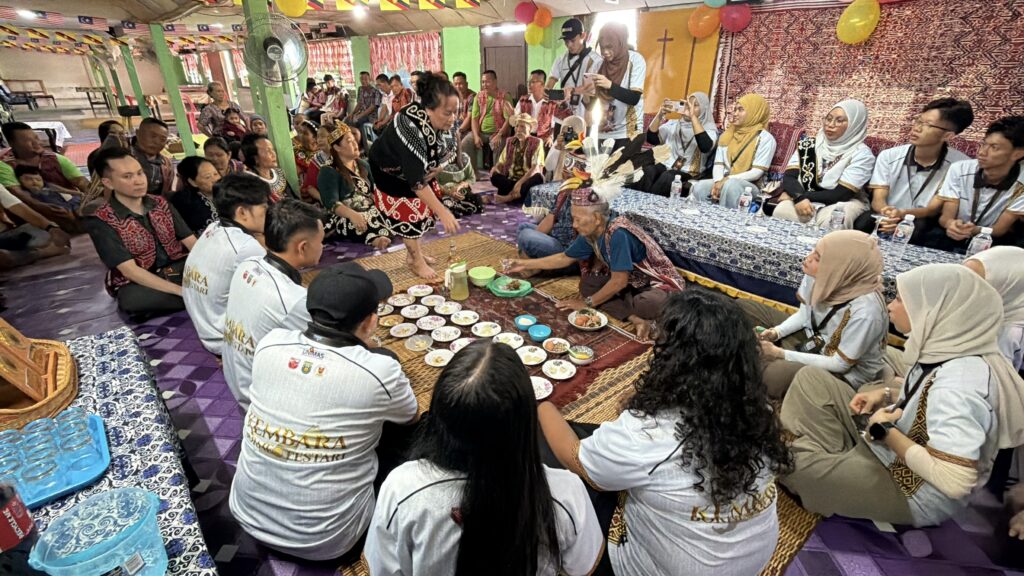
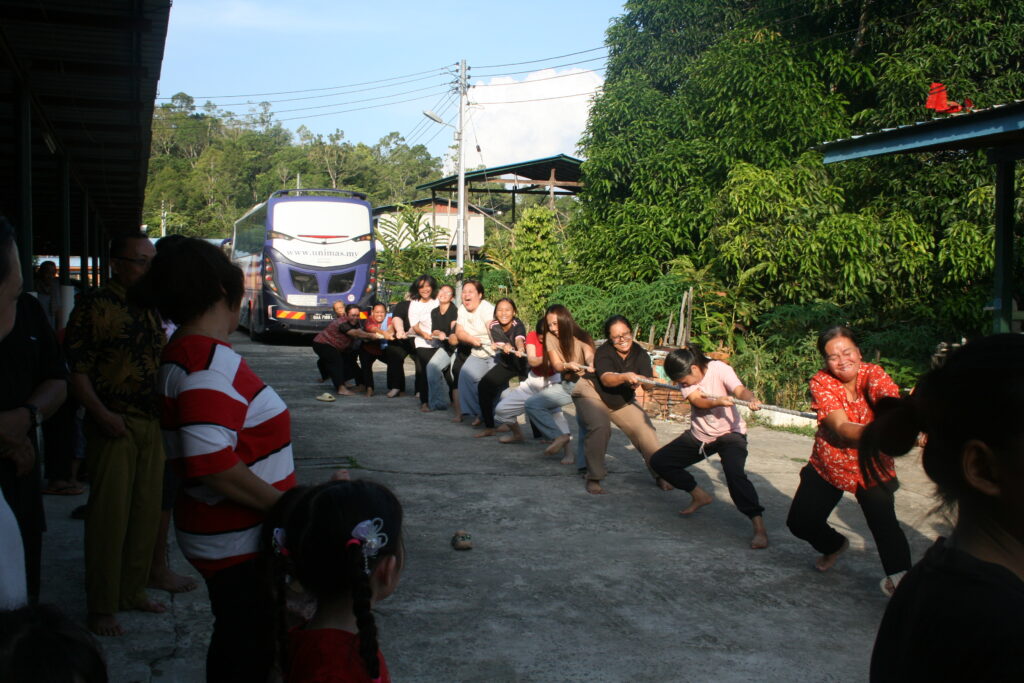
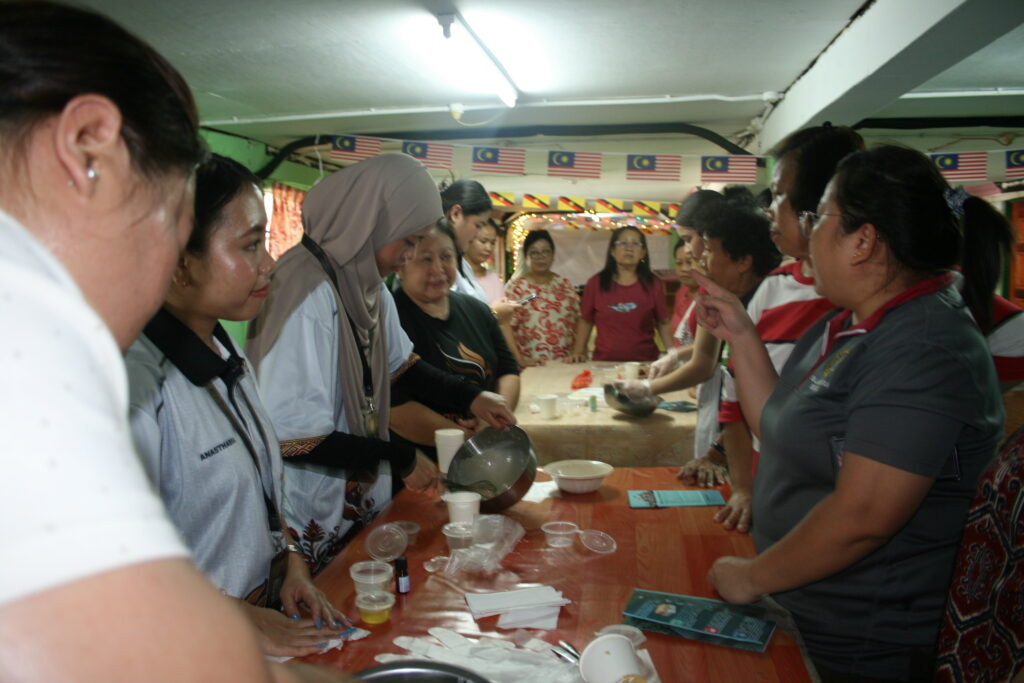
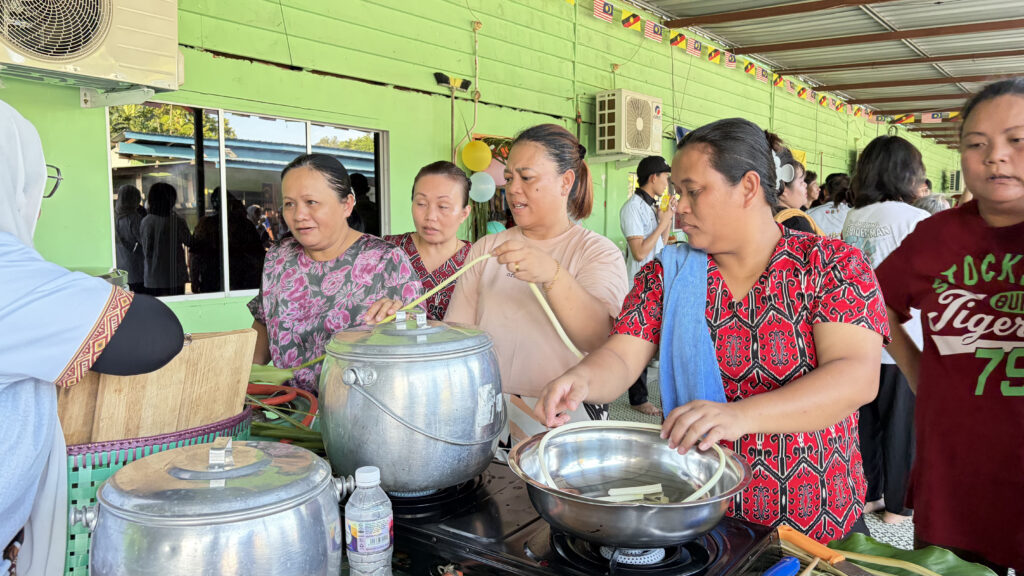
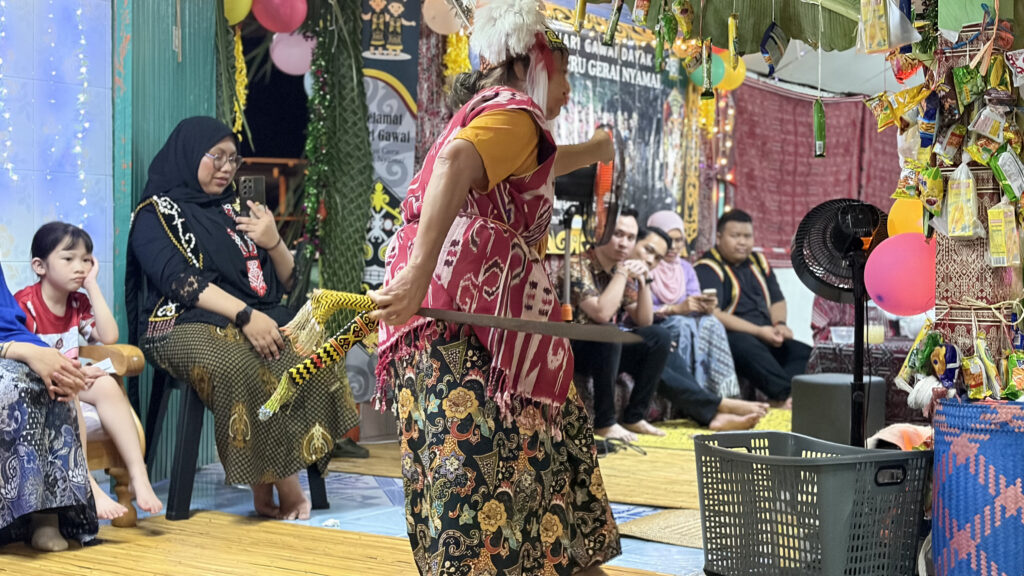
The programme began at Nanga Tada Longhouse in Kanowit, where participants conducted community engagement activities under the Edu-Community Mobility Programme. Among the highlights was It’s Not Just a Soap, a knowledge-transfer workshop demonstrating the production of soap from recycled used cooking oil while introducing its potential as a sustainable community-based enterprise. Students also organised traditional games, including tug-of-war, encouraging interaction and strengthening relationships with members of the local community. A community dinner, Santapan Aspirasi Borneo: Uniting Cultures, Strengthening Brotherhood at Nanga Tada Longhouse, together with a Ngajat Dance Workshop, further provided participants with opportunities to appreciate the traditions, values, and cultural heritage of the Iban community.
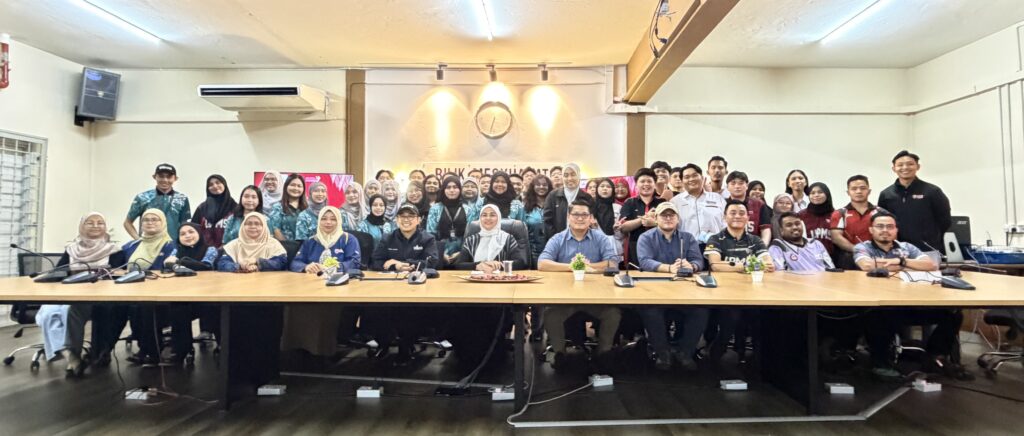
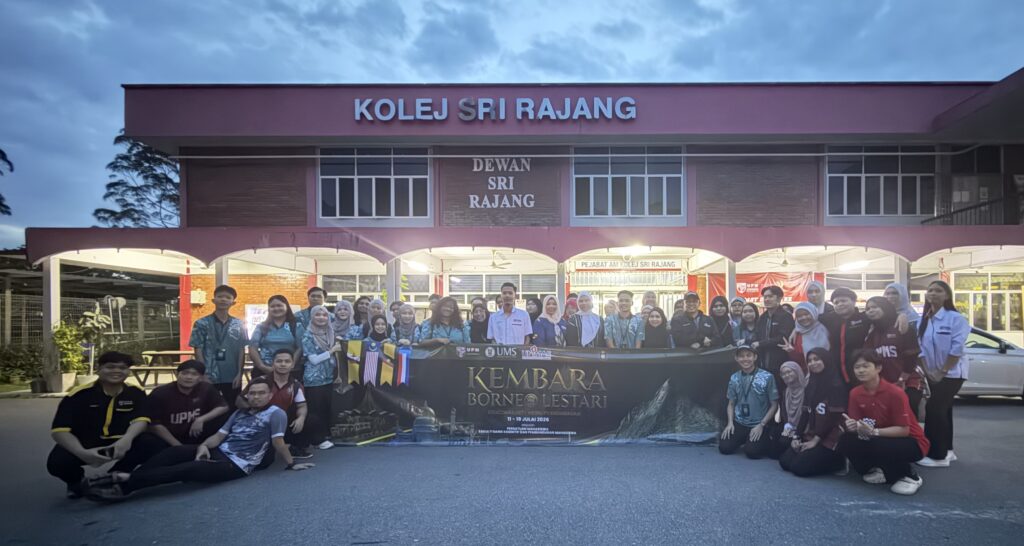
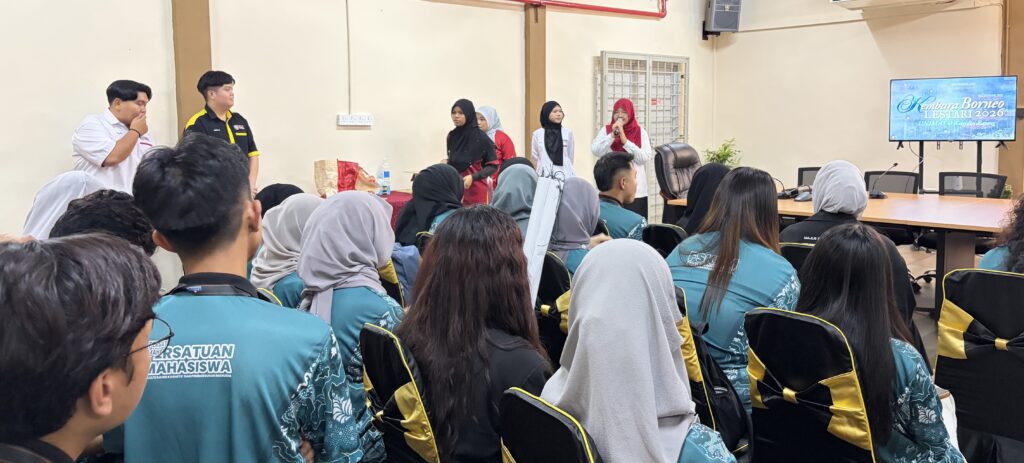
Academic engagement formed another important component of the programme. At Universiti Putra Malaysia Bintulu Campus (UPMS), participants took part in organisational benchmarking and leadership dialogue sessions with representatives of Kolej Sri Rajang, exchanging perspectives on student leadership, organisational governance, and community engagement. The delegation also visited Niah National Park through the Niah Edu-Exploration Programme, where students explored the archaeological, historical, ecological, and cultural significance of one of Sarawak’s UNESCO World Heritage Sites while gaining a greater appreciation of heritage conservation.
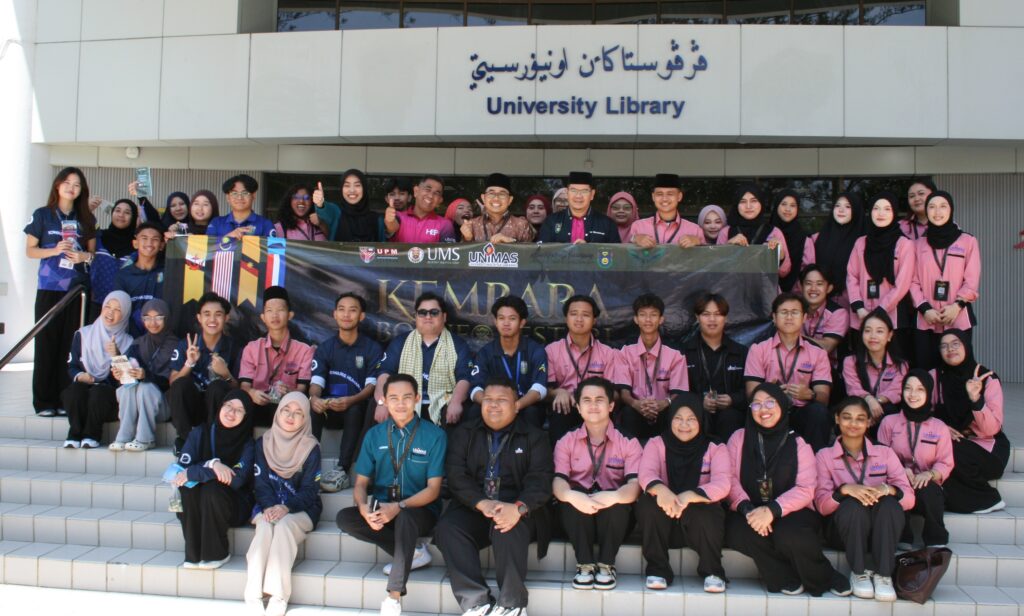
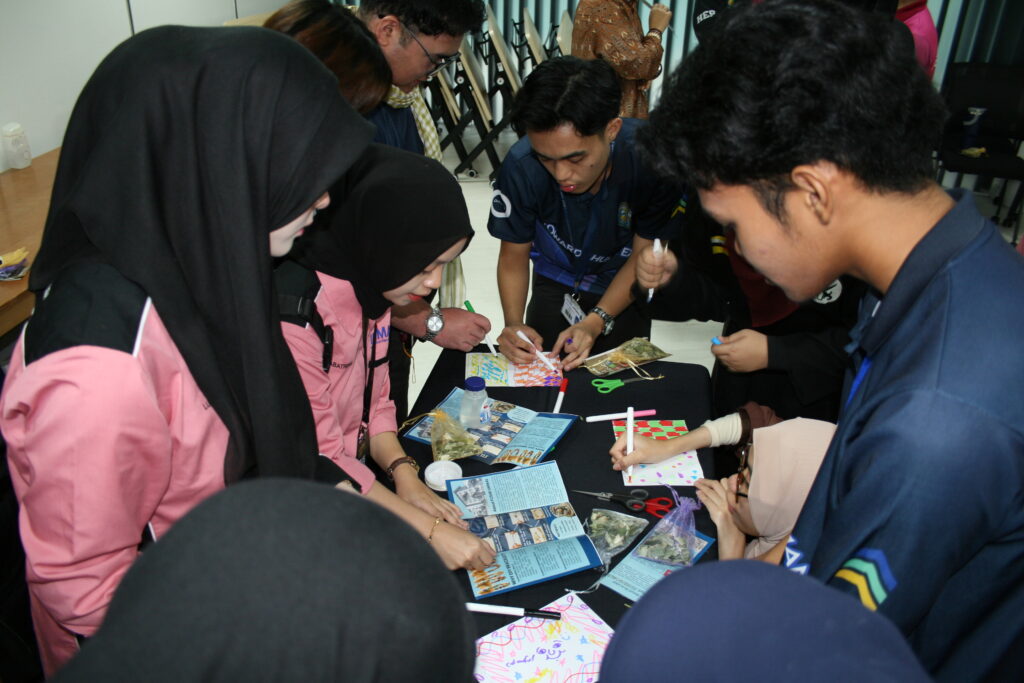
In Brunei Darussalam, the delegation was welcomed by Universiti Brunei Darussalam (UBD) to engage in academic discussions, leadership dialogues, and organisational benchmarking with Bruneian student leaders. Participants also conducted knowledge-transfer workshops on paper bead bracelet-making and pocket perfume-making, promoting creativity, entrepreneurship, and sustainable innovation. A cultural immersion programme at Kampong Ayer further introduced participants to Brunei’s riverine heritage and traditional way of life.
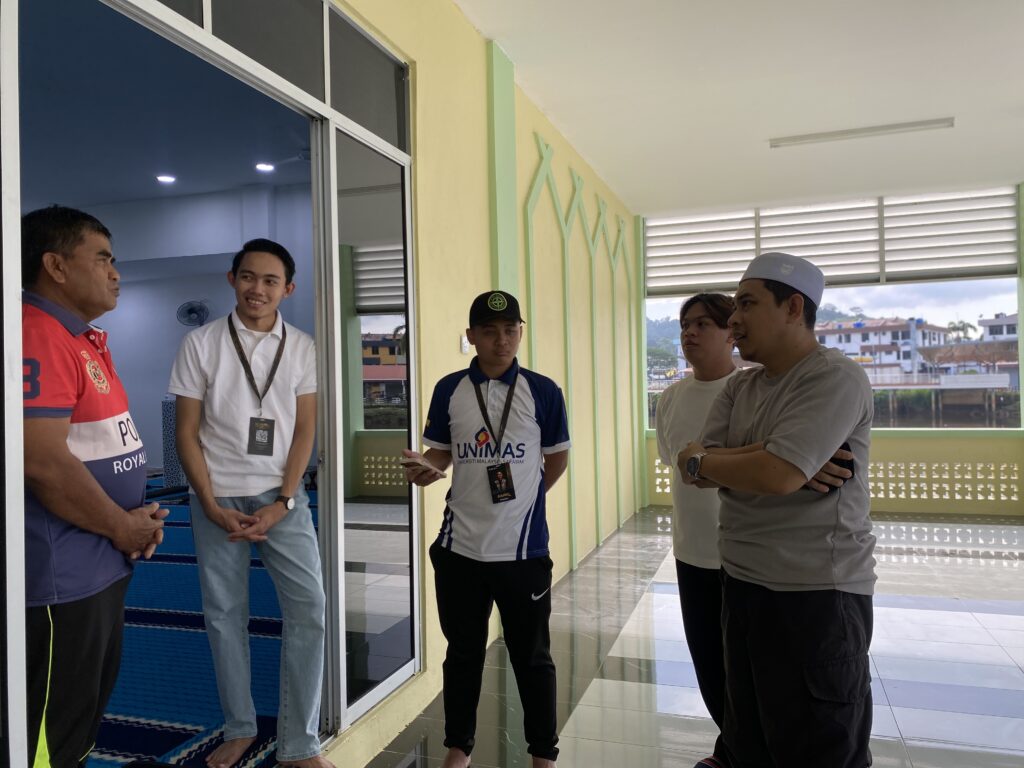
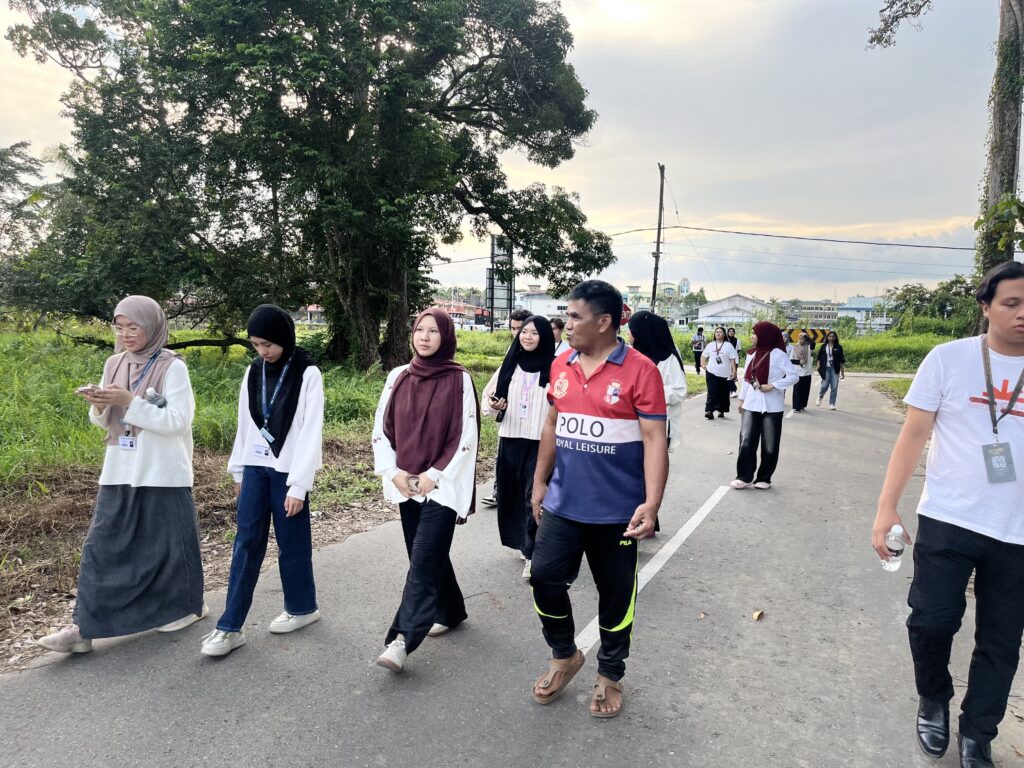
Community engagement continued at Kampung Seberang Kedai in Lawas, where participants carried out a CSR programme centred on educational empowerment and community interaction. Through educational and recreational activities, students worked alongside members of the local community, strengthening teamwork, knowledge sharing, and cross-cultural understanding while reinforcing the programme’s emphasis on volunteerism and sustainable community engagement.
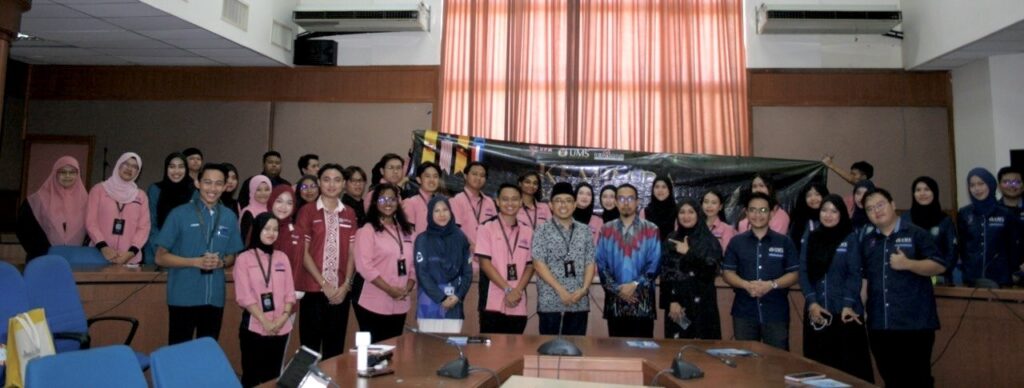
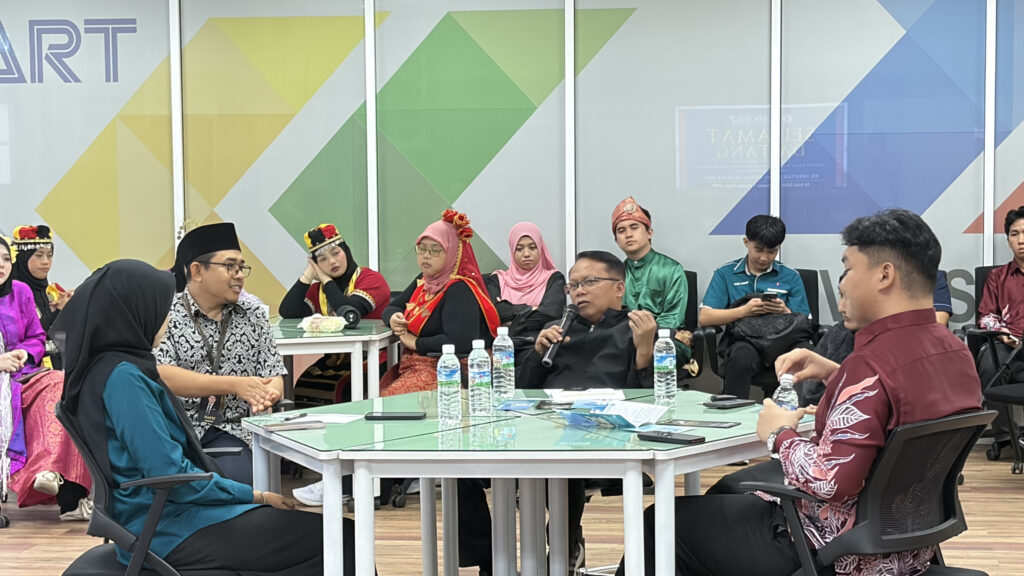
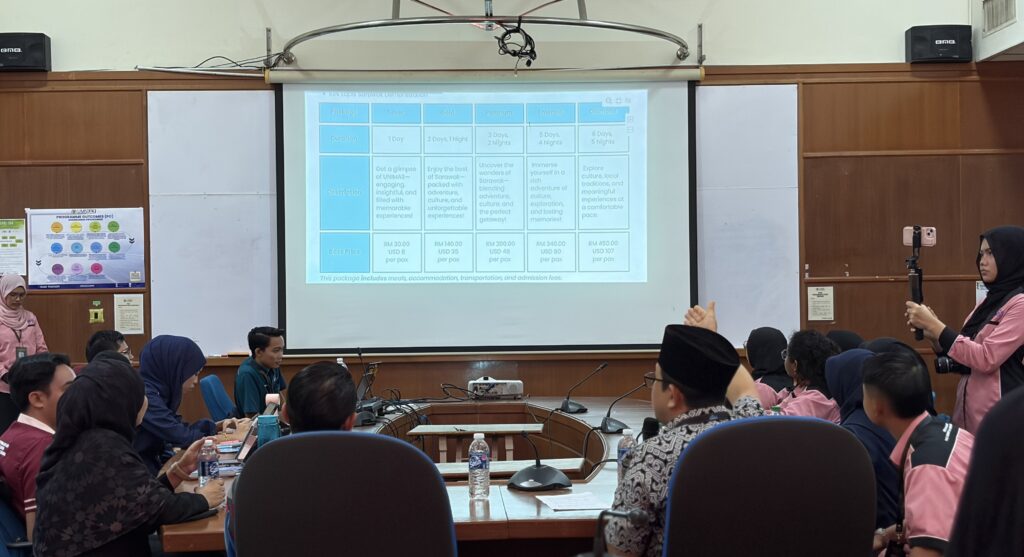
The final stage of the programme took place at Universiti Malaysia Sabah (UMS), where participants were hosted by the Faculty of Engineering. Activities included a campus visit, organisational benchmarking, and leadership dialogue between the Majlis Perwakilan Pelajar (MPP) UNIMAS and MPP UMS. Students also participated in a benchmarking session with the Student Affairs and Alumni Division (HEPA), gaining insights into student activity management, proposal submission systems, merit and co-curricular certification frameworks, and approaches to holistic student development.
Beyond academic and leadership development, the programme strengthened participants’ intercultural competence, communication skills, and appreciation of the cultural diversity that characterises Borneo. By engaging with communities and higher education institutions across the region, students developed meaningful relationships while gaining broader perspectives on regional cooperation and sustainable community development.
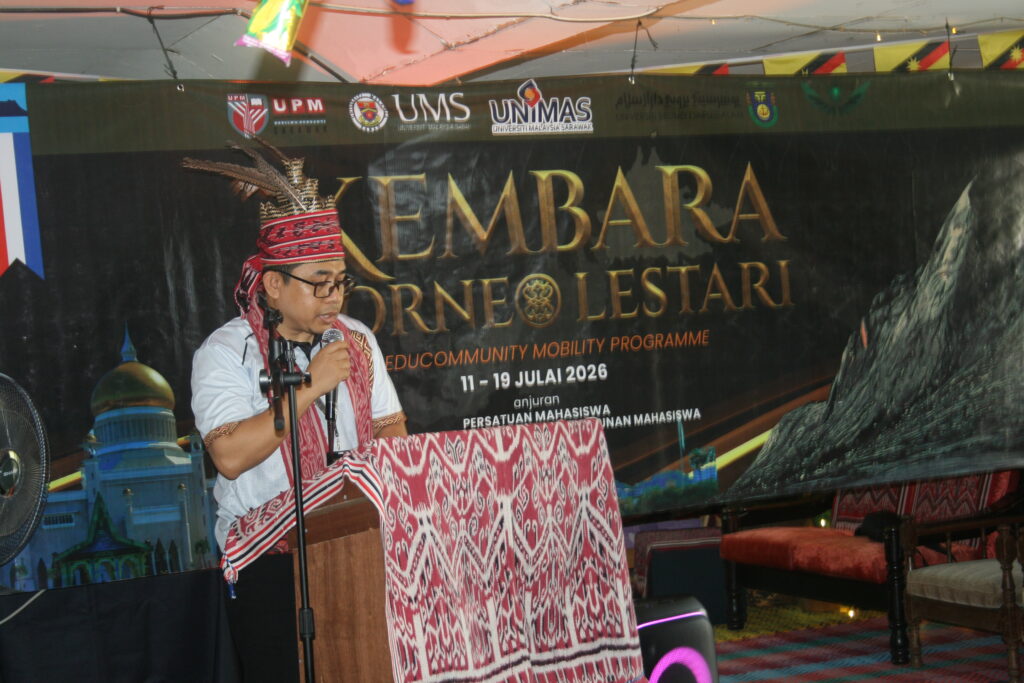
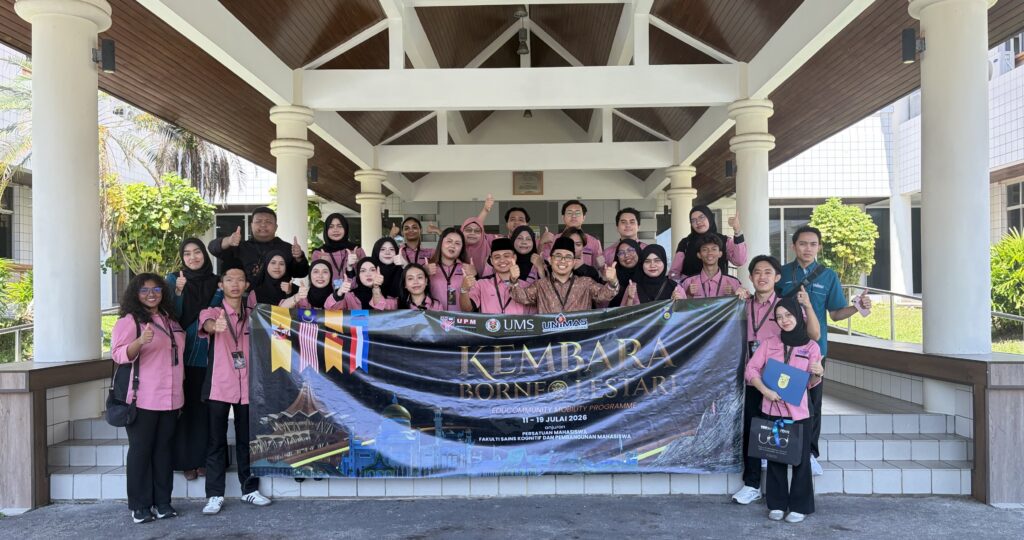
Reflecting on the programme, Programme Advisor Mr Mohd Hafizan Hashim described Kembara Borneo Lestari as more than an international mobility initiative.
“Kembara Borneo Lestari was far more than an international mobility programme. It became a platform that connected students, communities, cultures, and institutions across Borneo. Beyond acquiring knowledge and practical experience, participants built meaningful relationships, broadened their perspectives, and developed a deeper appreciation for the diversity that unites our region. It is through initiatives like these that we prepare graduates to become globally competent leaders while remaining grounded in community values and regional identity.”
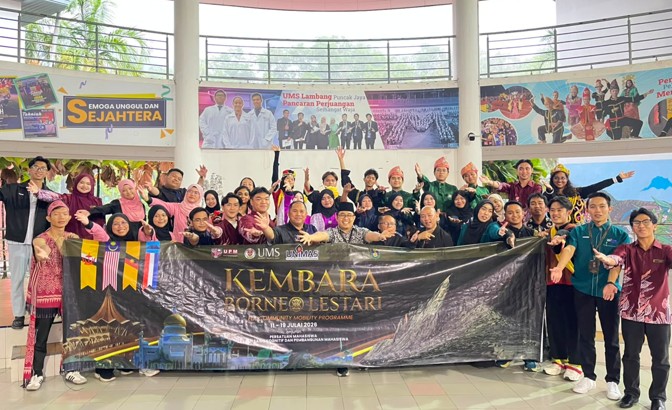
The successful implementation of Kembara Borneo Lestari Edu-Community Mobility Programme 2026 reflects FCSHD’s commitment to developing graduates who are academically capable, socially responsible, and culturally aware. By combining experiential learning with regional collaboration and community engagement, the programme continues to strengthen UNIMAS’s role in preparing students to contribute meaningfully to society while fostering lasting partnerships across Borneo.
Contributed by Nur Qistina Hawa, Persatuan Mahasiswa Fakulti Sains Kognitif dan Pembangunan Manusia (PMFSKPM)