Written by Dr Siti Khatijah Zamhari
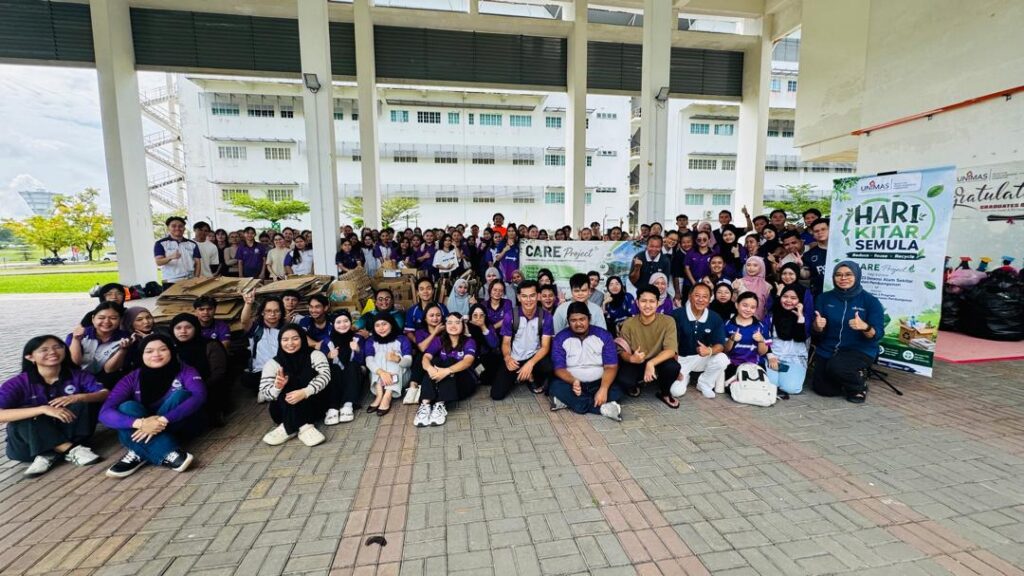
What began as a classroom assessment turned into a remarkable sustainability initiative as second-year students from the Development Planning and Management Programme successfully organised the first-ever Hari Kitar Semula under the CARE Project for the SSR203 Environmental Dimensions of Development course.
The event, held on 10 June 2026, brought together students and an industry partner in a vibrant celebration of environmental responsibility. Through weeks of dedication and teamwork, students collected and sorted more than 600 kg of recyclable waste, including plastic materials and paper products, demonstrating that small actions can create a significant impact when carried out collectively.
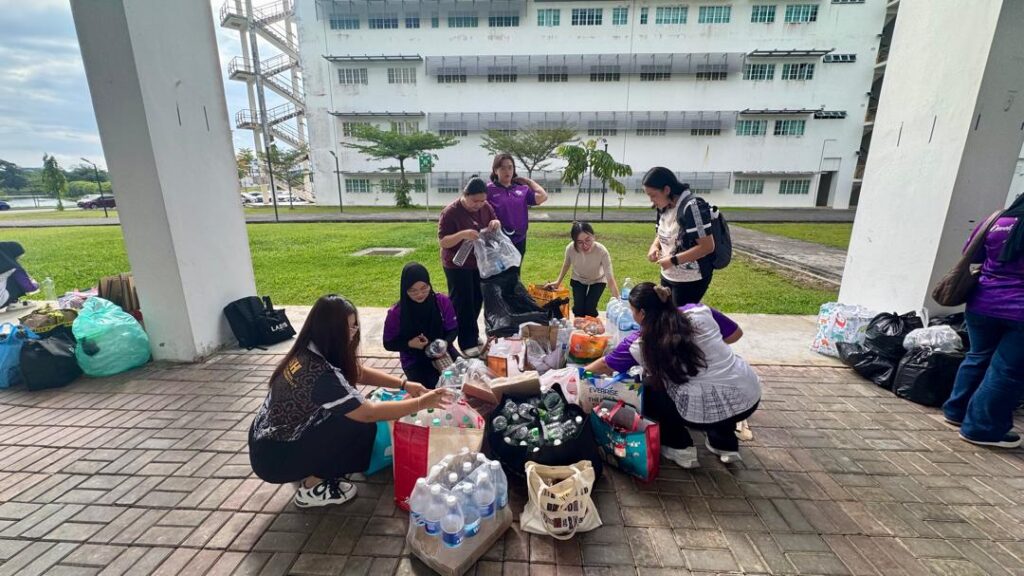
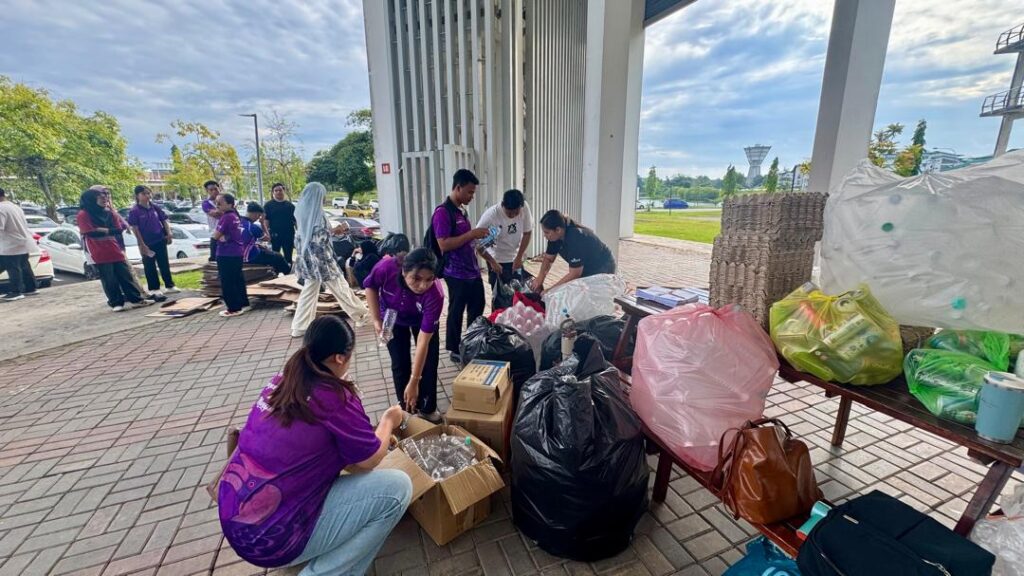
Hari Kitar Semula was designed as part of the students’ course assessment, requiring them to collect, clean, and properly segregate recyclable materials according to recycling standards. Beyond earning academic marks, the activity provided valuable hands-on experience in waste management and environmental stewardship. Throughout the project, students worked tirelessly to gather recyclable materials from various sources, educate community members on proper waste segregation, and ensure that collected materials met recycling requirements.
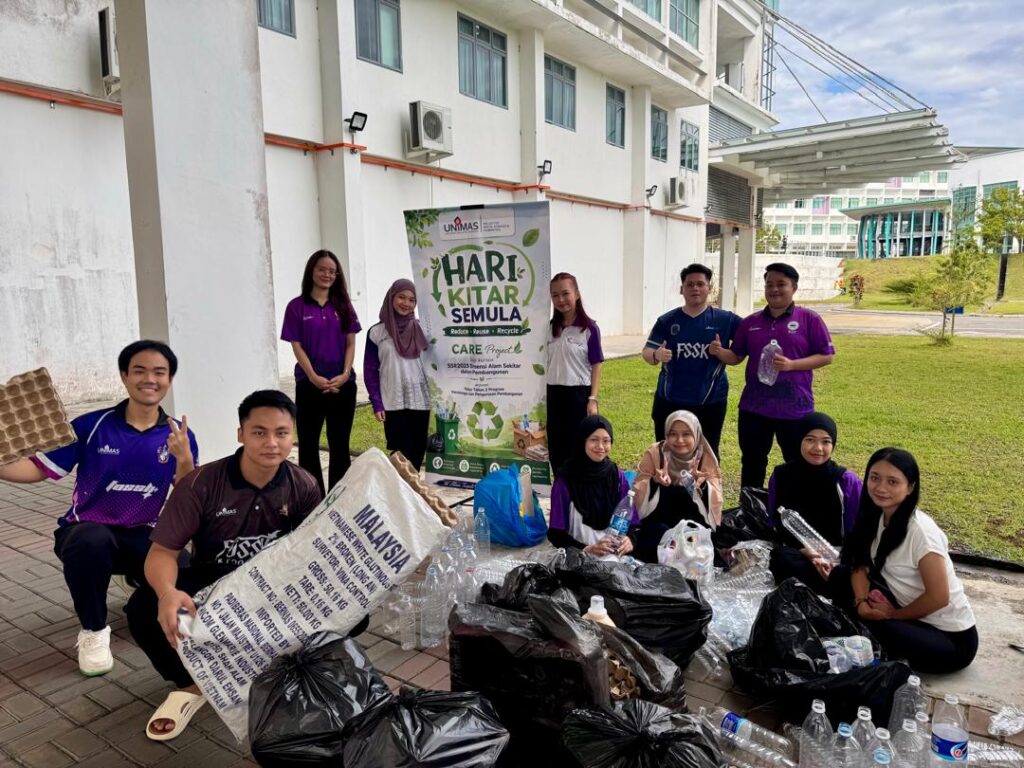
Adding a professional touch to the event was the participation of Tzu Chi Recycling Kuching, the project’s key partner. Representatives from the organisation served as judges and evaluated the students’ collections based on several criteria, including the quantity of recyclable materials collected, the cleanliness of the waste, and the accuracy of segregation.
According to the judges, proper segregation and cleanliness are crucial factors in ensuring that recyclable materials can be effectively processed and reused. Their involvement provided students with practical insights into the real-world recycling industry and reinforced the importance of responsible waste management practices.
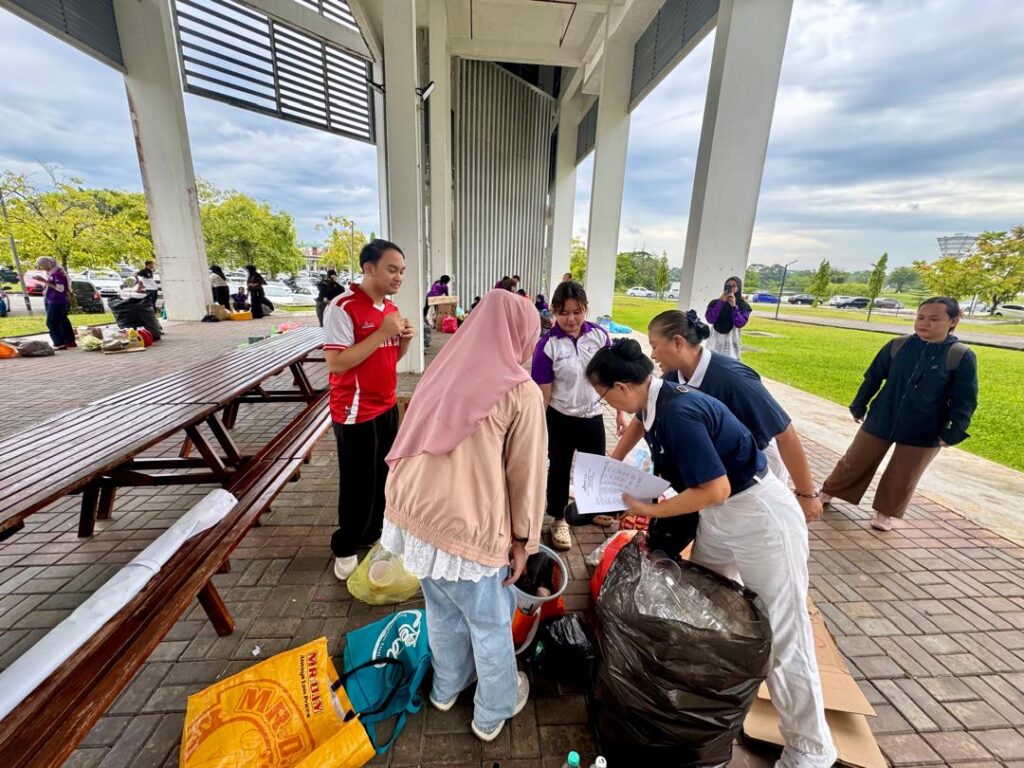
What made the event particularly exciting was the friendly competition among the student groups. Teams enthusiastically showcased their collections, carefully sorted plastics and paper into designated categories, and demonstrated innovative approaches to waste collection. The atmosphere was filled with energy, teamwork, and a shared commitment to environmental sustainability.
The success of the programme highlights how experiential learning can inspire positive behavioural change. By actively participating in waste collection and recycling activities, students gained a deeper understanding of the environmental challenges associated with improper waste disposal and the role individuals can play in creating sustainable solutions.
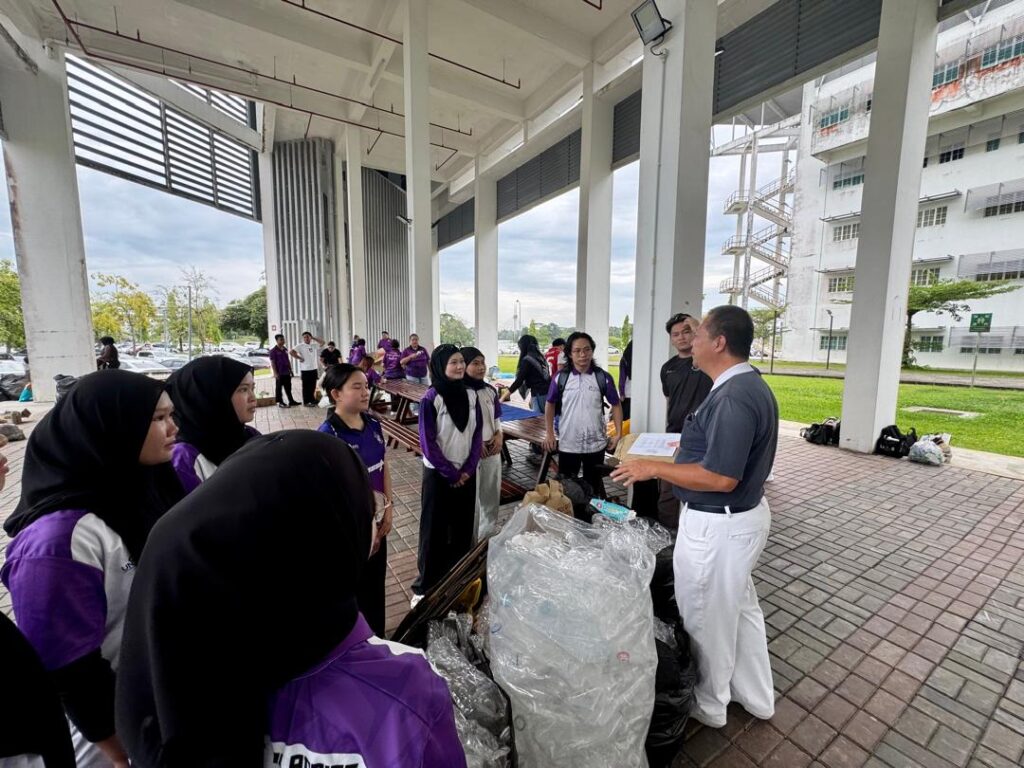
More importantly, Hari Kitar Semula reflects UNIMAS’ ongoing commitment to sustainability and environmental responsibility. The initiative aligns closely with the university’s aspiration to cultivate environmentally conscious graduates while supporting broader sustainable development goals. Through activities such as this, students are encouraged to become agents of change who can contribute meaningfully to building greener communities.
The collection of over 600 kg of recyclable waste also demonstrates the tremendous potential of recycling initiatives in reducing landfill waste, conserving resources, and promoting a circular economy. Materials that might otherwise have ended up in landfills were instead diverted for recycling and reuse, contributing to a cleaner and healthier environment.
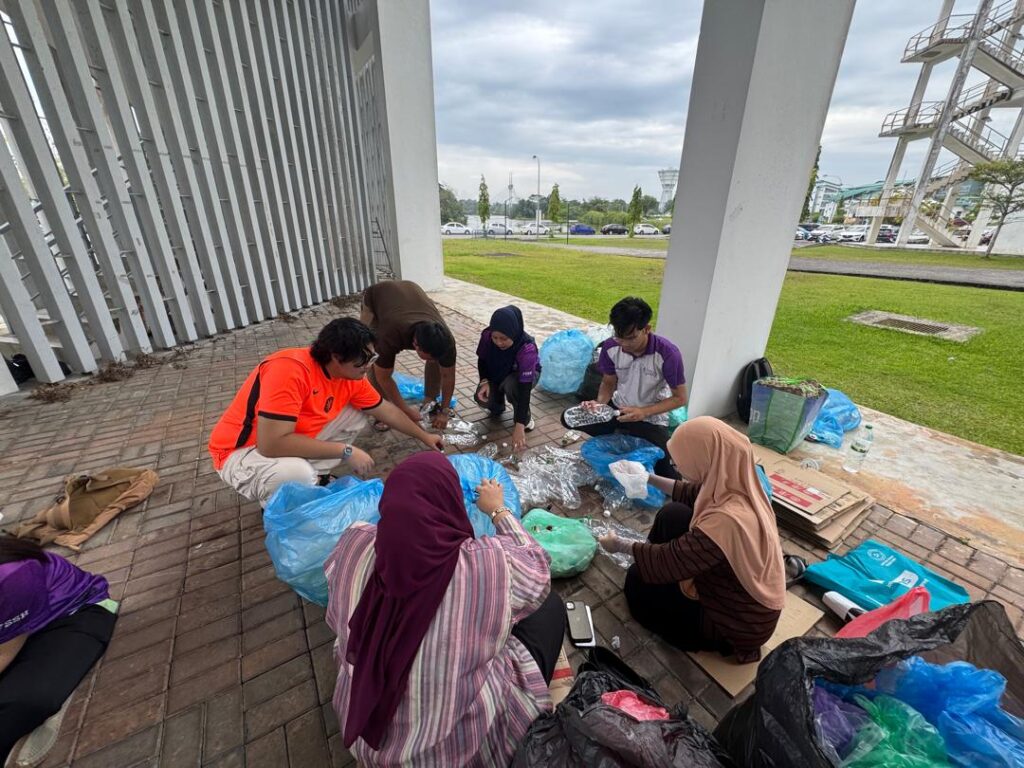
As the first Hari Kitar Semula organised under the CARE Project, the event has set a strong foundation for future sustainability initiatives within the university. The overwhelming participation and positive outcomes have shown that environmental action can be both educational and enjoyable.
With bins full of recyclables, smiles all around, and a renewed appreciation for sustainable living, Hari Kitar Semula proved that when students come together with a common purpose, they can turn waste into opportunity and learning into lasting environmental impact.
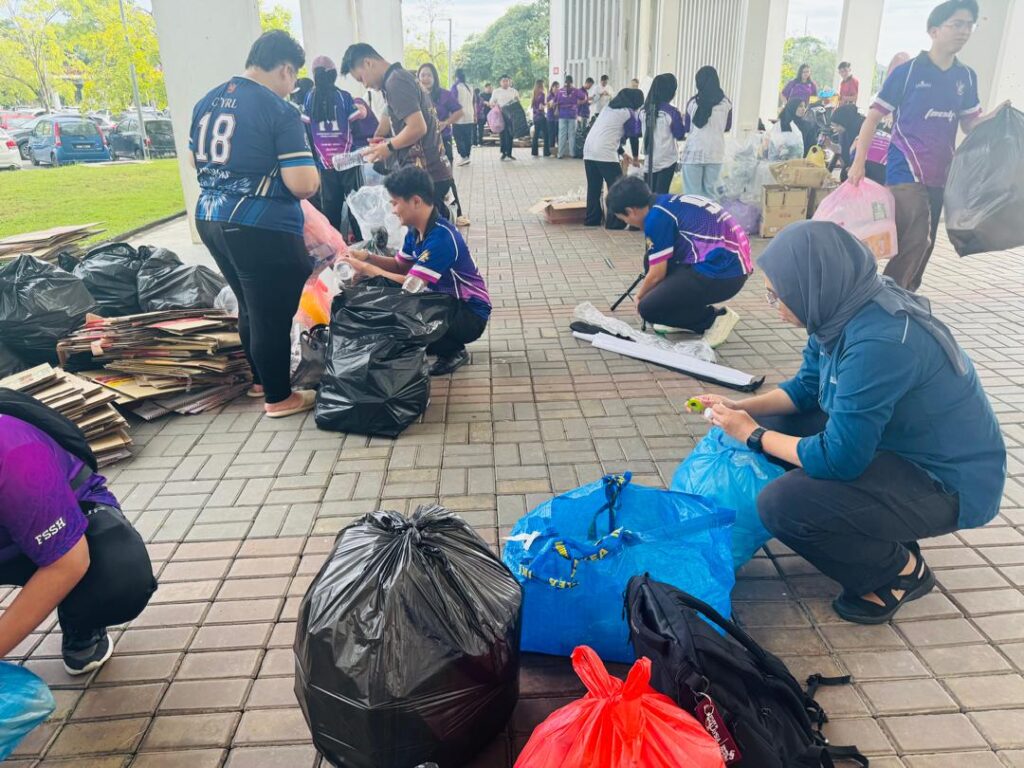
The success of this event serves as a reminder that sustainability is not merely a concept taught in the classroom; it is a practice that begins with everyday actions and collective responsibility.
FSSH – A Partner for Social Change