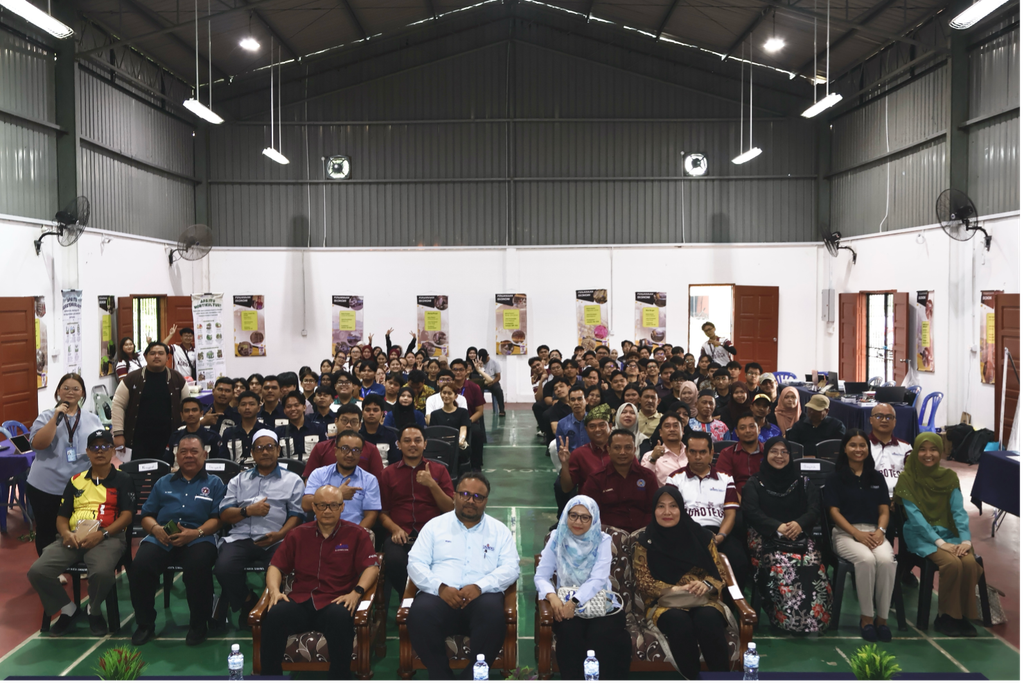
Kota Samarahan, Sarawak – The Inbound Global SULAM UMSU × UNIMAS 2026: Community Empowerment via Sustainable Fabrication & Smart Agrotechnology was held on 7 October 2026 at Dewan Serbaguna Kampung Empila, Kota Samarahan. The programme brought together Universiti Malaysia Sarawak (UNIMAS), Universitas Muhammadiyah Sumatera Utara (UMSU), Koperasi FELCRA Bahagian Samarahan and the Kampung Empila community.
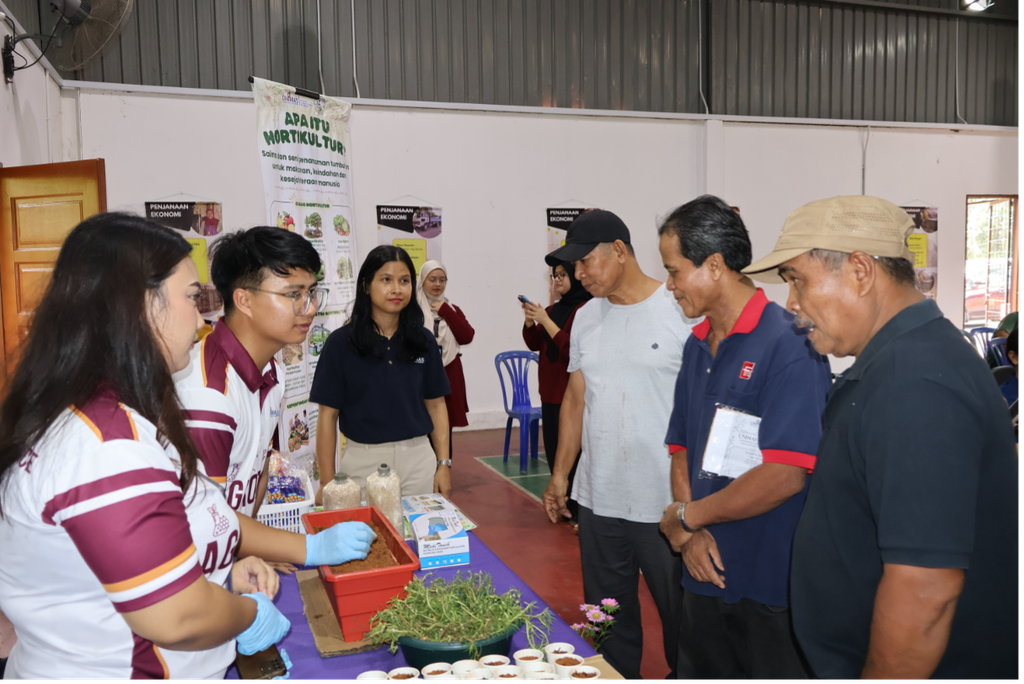
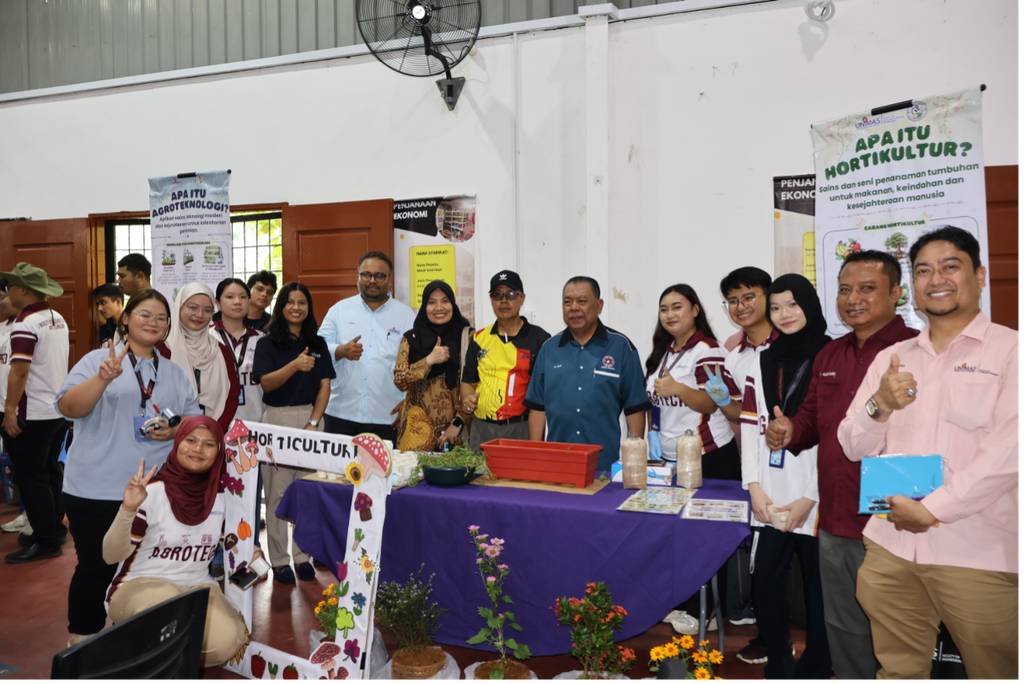
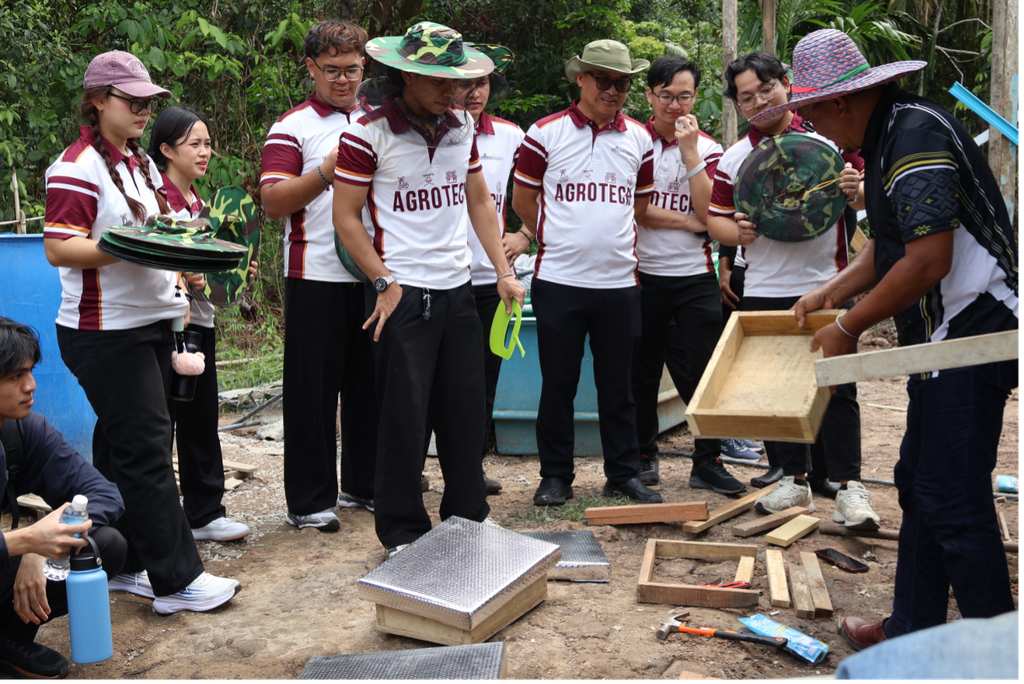
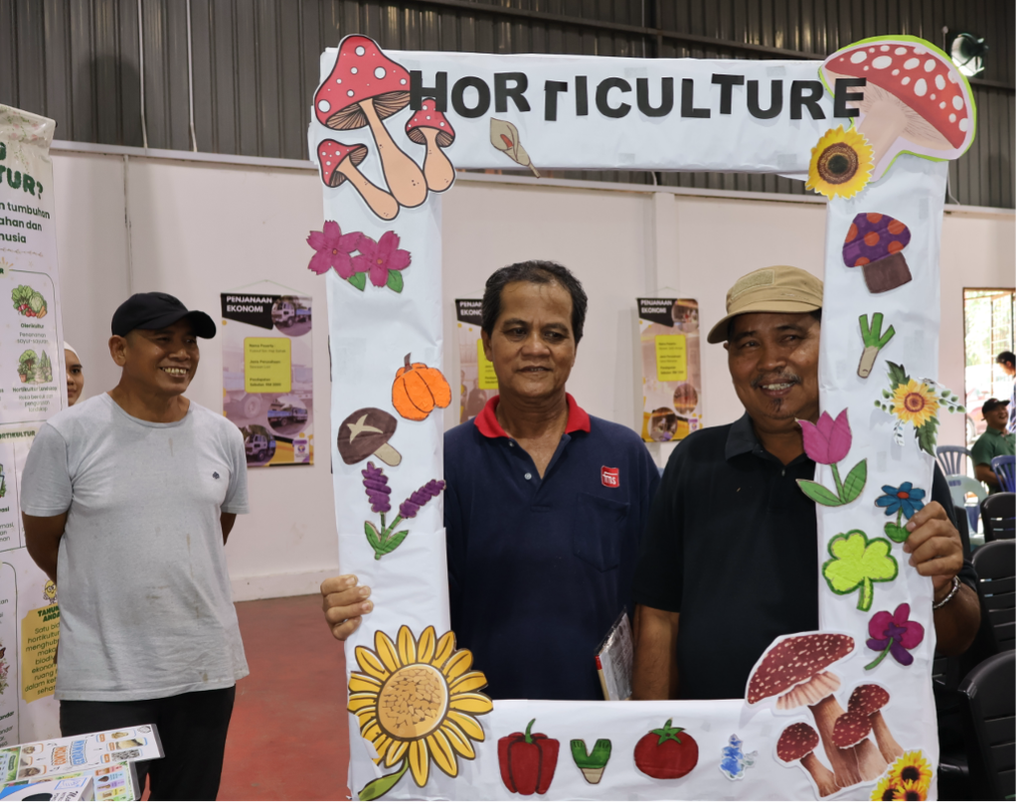
The programme translated classroom learning into hands-on community engagement through horticulture, stingless bee cultivation, mushroom production, sustainable fabrication and smart agrotechnology. Students from the Faculty of Resource Science and Technology, Faculty of Engineering, and Faculty of Computer Science and Information Technology participated through STG3213 Horticulture, STG3223 Apiculture, KNP1151 Workshop Practice, and TMF4034 Technopreneurship & Product Development.
The programme aimed to share practical knowledge and technology to the community while giving students opportunities to apply their learning in a real-world setting and strengthening collaboration between UNIMAS and UMSU.
Among those attendings were Prof. Ts. Dr. Faisal Ali (Dean of the Faculty Resource Science and Technology), Prof. Ir. Dr. Abdullah bin Haji Yassin (Dean of the Faculty of Engineering), Dr. Ira Apriyanti (UMSU), Associate Prof. Dr. Rafeah Binti Wahi (Director of the University Sustainability Centre, Encik Mohamad bin Bujang Mahidi (Village Head), and Tuan Haji Nawi bin Haji Som (Samarahan FELCRA Co-operative Chairman).
A major highlight was the mushroom cultivation workshop conducted by Dr. Muhammad AlQamari S.P., M.P. from UMSU. Participants were introduced to practical mushroom production techniques, followed by a demonstration at the mushroom house. Mr. Sebastian led an Internet of Things (IoT)-enabled mushroom house demonstration, showing how digital monitoring can support agricultural management.
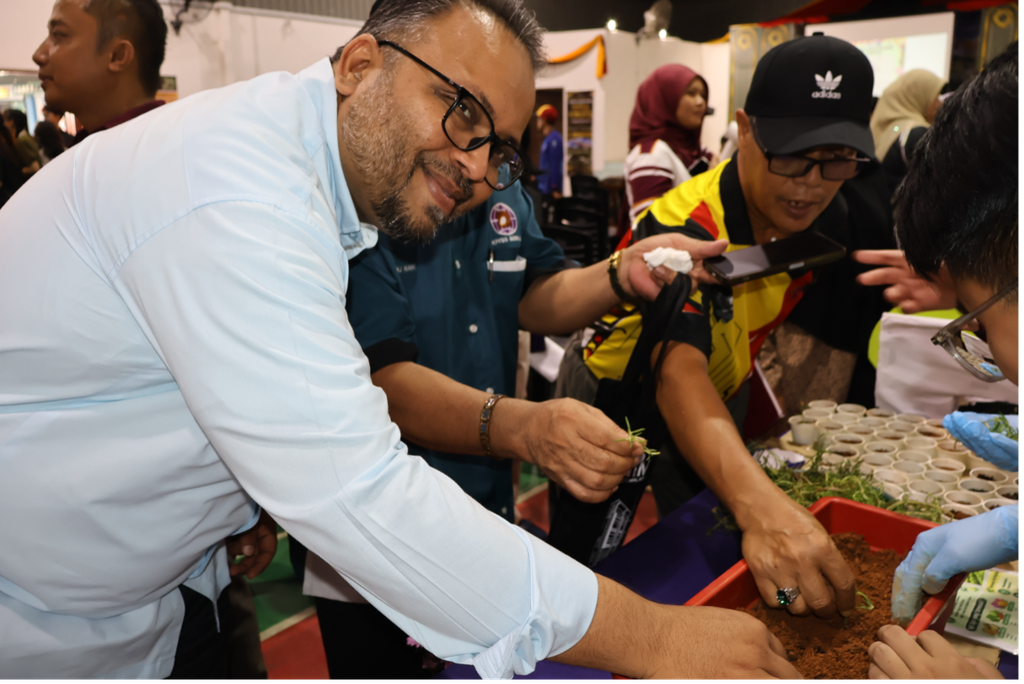
For FCSIT student organizer, Lee Hao Ming, the experience showed that effective community engagement goes beyond technology. “I learned that you don’t need a 4G LTE modem to connect with the community. You just need to listen, understand what they need, and share ideas with them. The community taught us that a simple solution they can see and understand can be more valuable than a long list of technical features,” said Lee. The programme also featured stingless bee cultivation and the planting and distribution of flowering plants to support kelulut forage. Agricultural facilities and inputs, including a stingless bee house, flowering plants and a mushroom cultivation facility, were handed over to the community for continued use.
Dr. Surisa Phornvillay, the Project Leader, highlighted the potential economic value of these initiatives.
“I believe this SULAM initiative can help the community generate additional income by adopting more modern and efficient cultivation techniques,” said Dr. Surisa.
Dr. Mohd Hilmi Ibrahim emphasised the importance of long-term impact.
“The success of Global SULAM should be measured not only by what we achieve in one day, but by the lasting knowledge, relationships and positive changes created with the community,” he said.
The programme also encouraged interdisciplinary learning. For FSTS student organizer, Eva Michella, working across different backgrounds was especially meaningful.
“The most meaningful lesson was learning to work with people from different backgrounds and seeing how we could combine our ideas and skills to create something useful for the community,” she said.
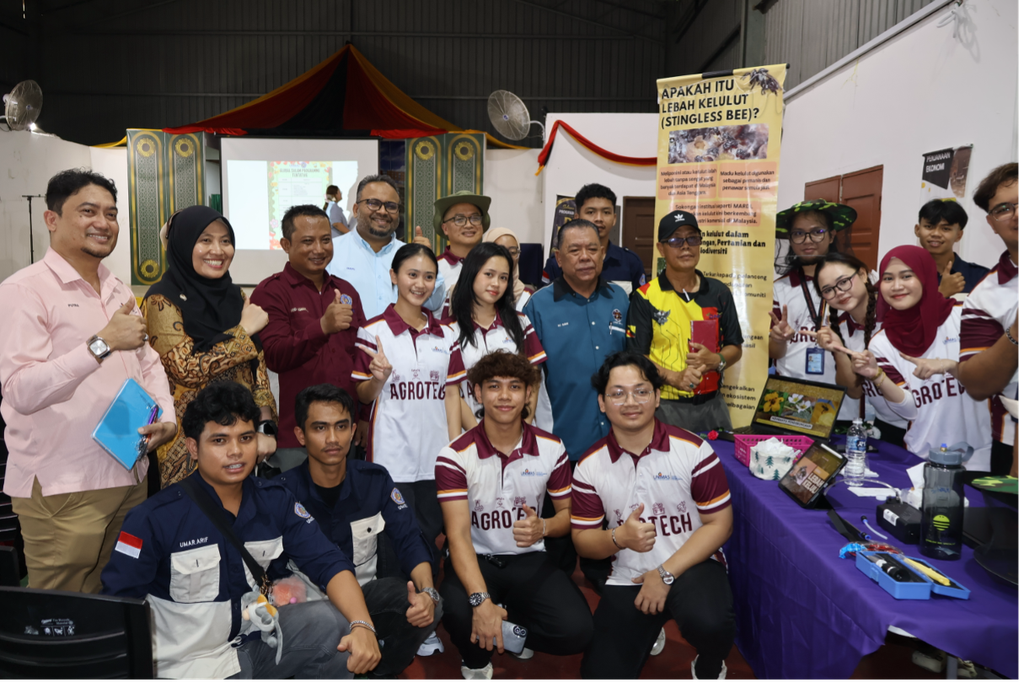
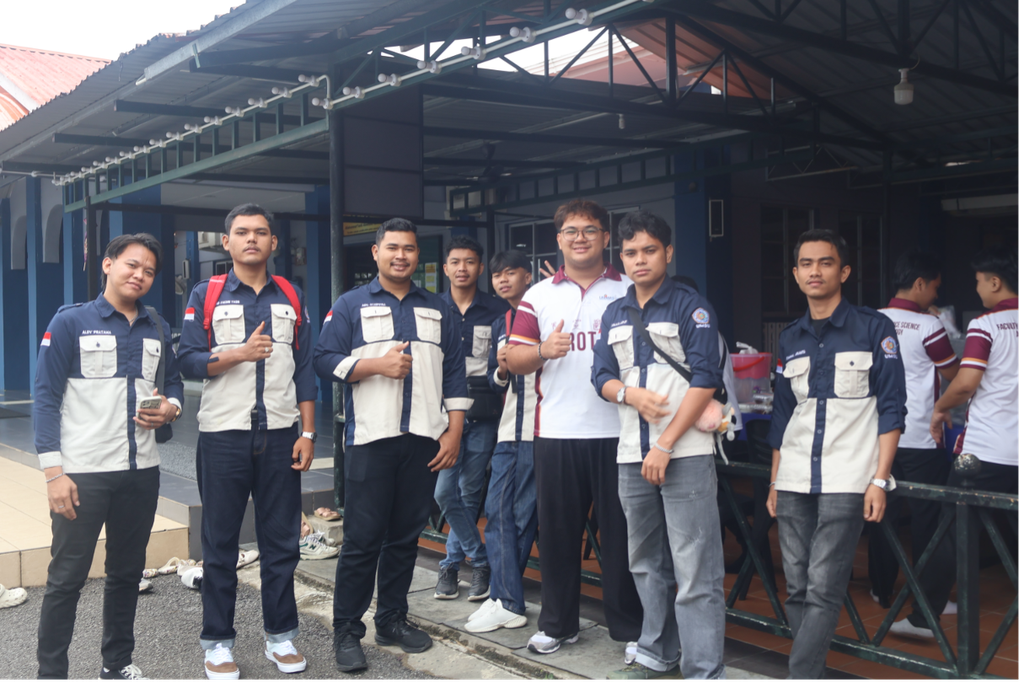
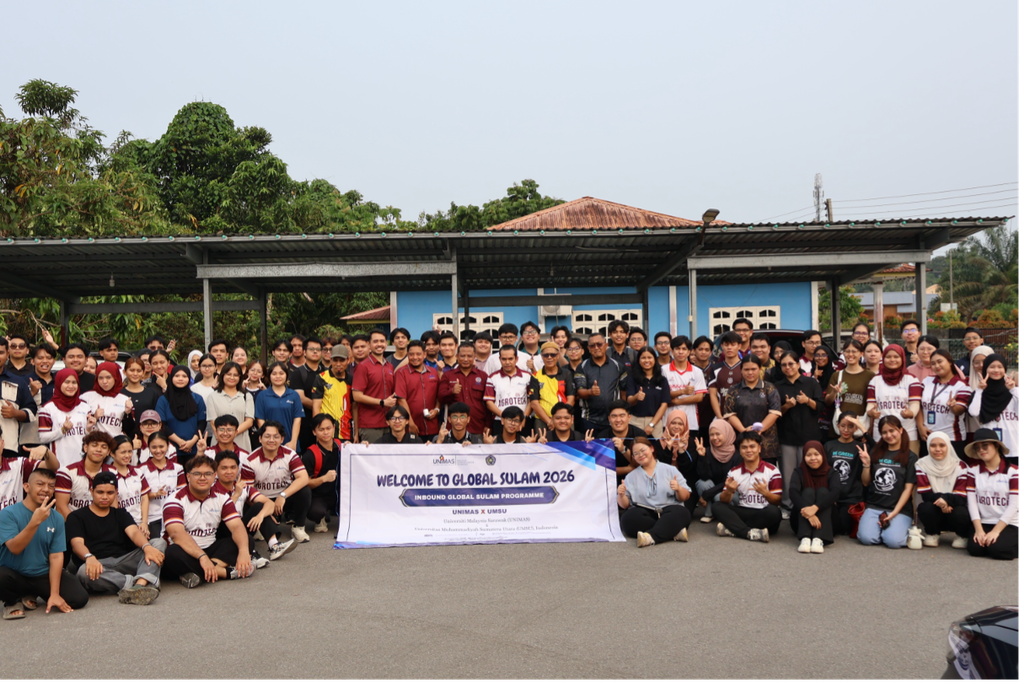
Seven UMSU representatives participated, strengthening cross-border knowledge exchange. With facilities remaining in the community and follow-up engagement planned, the programme established a foundation for continued cooperation among UNIMAS, UMSU, Koperasi FELCRA Bahagian Samarahan and Kampung Empila, while reflecting SULAM’s broader purpose of connecting university learning with real community needs. The initiative also reinforced the value of practical, inclusive and locally relevant university-community partnerships.
Prepared by: Dr. Surisa Phornvillay