Written by Foo Heng Soon, Second-Year FSSH Student
When I first heard that our CARE Project for the SSR2023 Environmental Dimensions of Development course involved collecting recyclable waste, I thought it would simply be another group assignment to fulfil our coursework requirements. However, when our lecturers, Dr Haslina Hashim and Cik Siti Khatijah Zamhari, introduced the CARE Recycling Project, I soon realised that it would become more than just an assignment. The experience changed the way I think about waste, sustainability and my own role in protecting the environment.
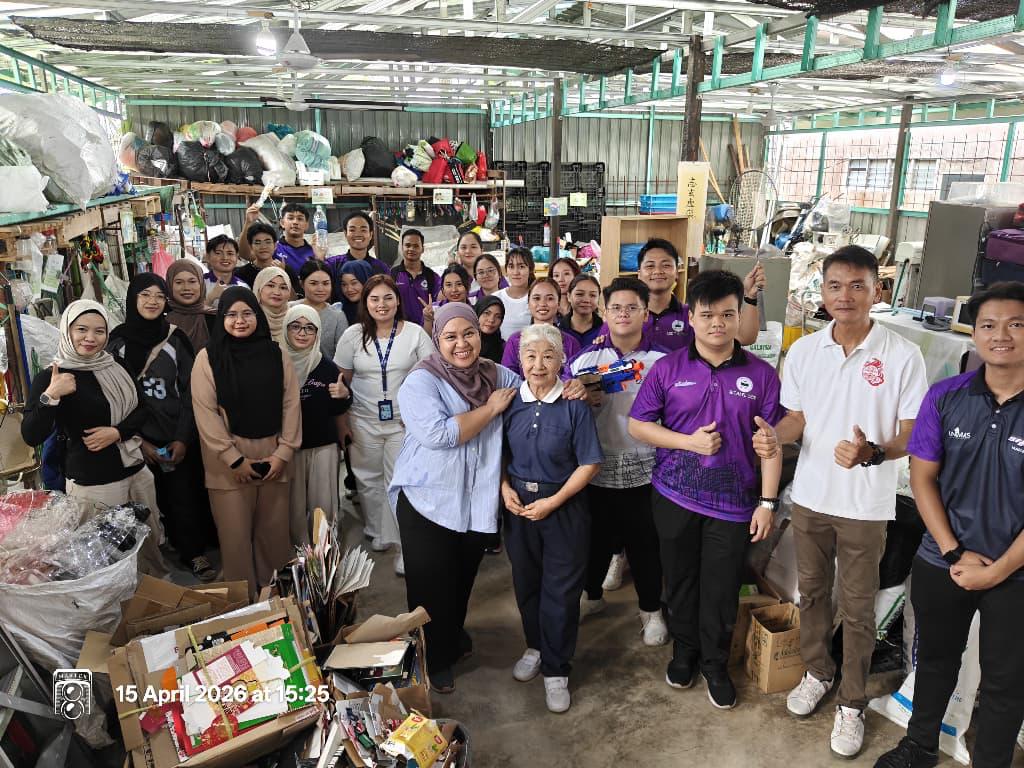
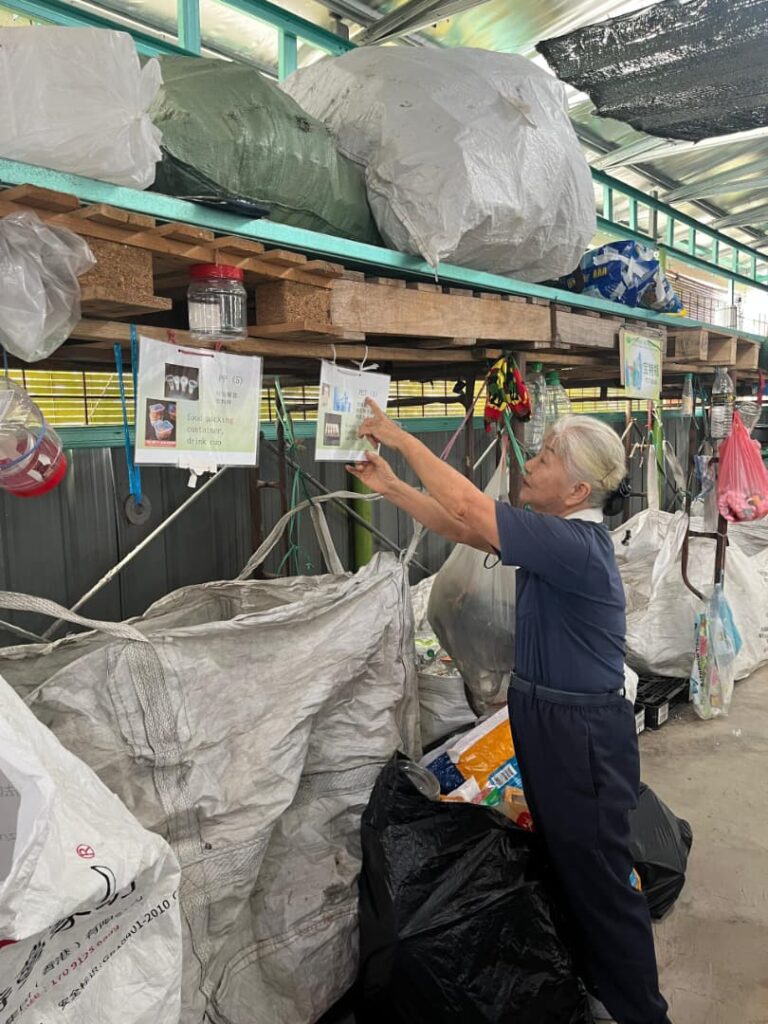
Our journey began much earlier with an educational visit to the Tzu Chi Desa Wira Recycling Centre in April. Walking through the recycling centre opened my eyes to the amount of effort required before waste can actually be recycled. I learned that recycling is far more than placing bottles into a recycling bin. Every bottle had to be washed, every cardboard box flattened and every recyclable item sorted carefully according to standards.
What I used to consider “just rubbish” suddenly became valuable resources waiting for a second chance. One lesson that stayed with me was surprisingly simple: a plastic bottle that is not properly cleaned may no longer be recyclable. It was such a small detail, yet it completely changed my habits. From that day onwards, I found myself rinsing bottles before throwing them away and encouraging my friends to do the same.
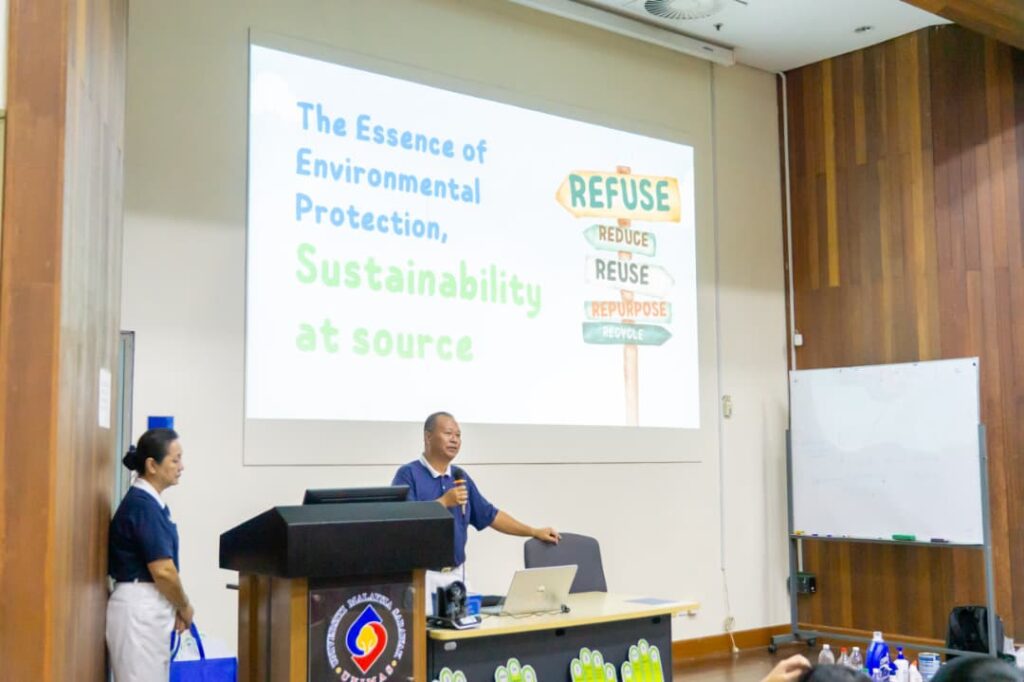
Back on campus, our learning continued when representatives from Tzu Chi Recycling Kuching visited FSSH, UNIMAS, in May to conduct a recycling awareness talk. They shared the reality of the global waste crisis and demonstrated proper waste segregation techniques. After the session, I found myself paying closer attention to the waste I produced every day. Instead of seeing bottles, cardboard and aluminium cans as rubbish, I began to see them as valuable resources that could be given a second life if handled correctly.
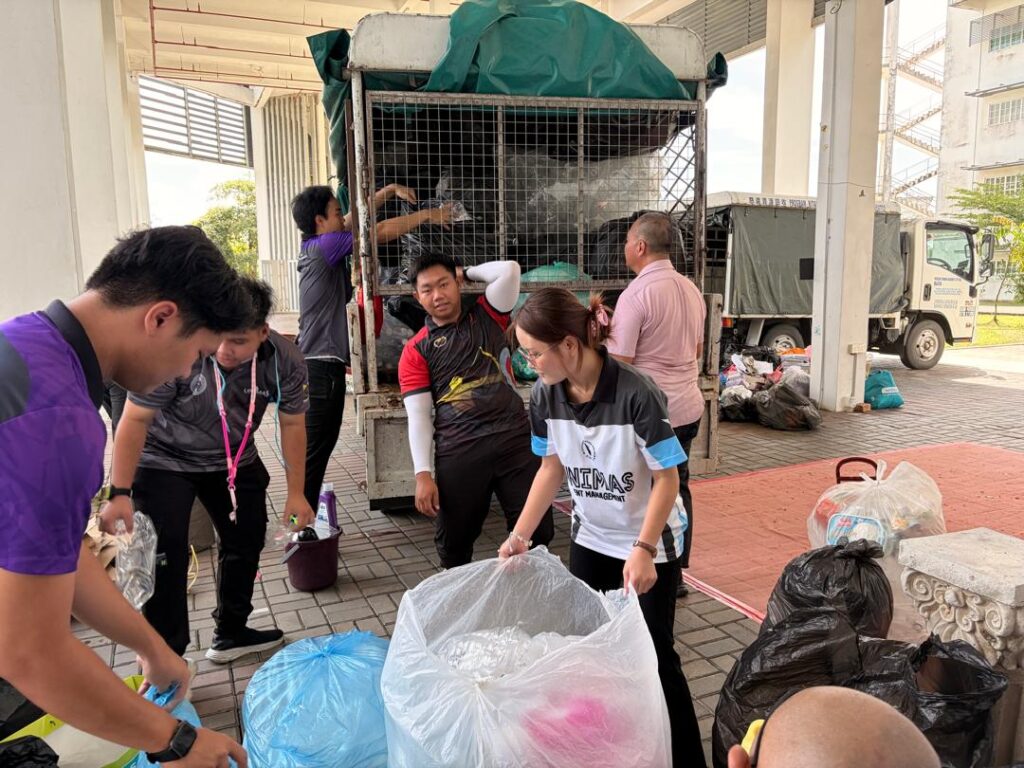
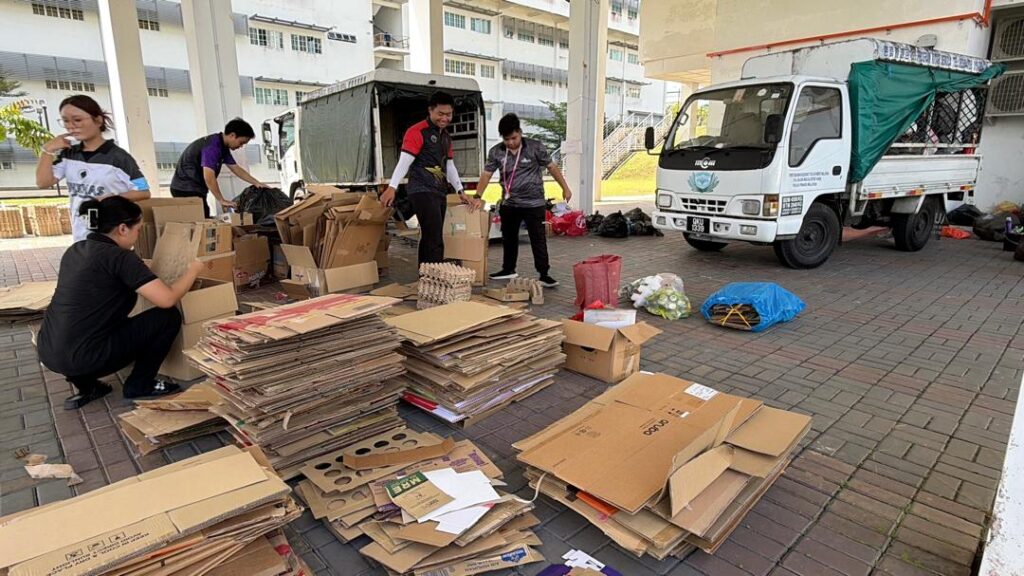
The highlight of the project was the Hari Kitar Semula 2026 initiative, held on 10 June 2026. What made this project different from other coursework was that we were not only learning theories in the classroom, but also putting them into practice and experiencing first-hand how recycling works in the real world.
As the project progressed, my classmates and I worked together to collect recyclable materials from our residential colleges, neighbourhoods and communities. Each group aimed to collect at least 20 kilograms of recyclable waste. At first, reaching the target seemed challenging, but as everyone became more motivated, the piles of recyclable materials grew rapidly. Friends reminded each other to save bottles instead of throwing them away and helped to sort newspapers and cardboard.
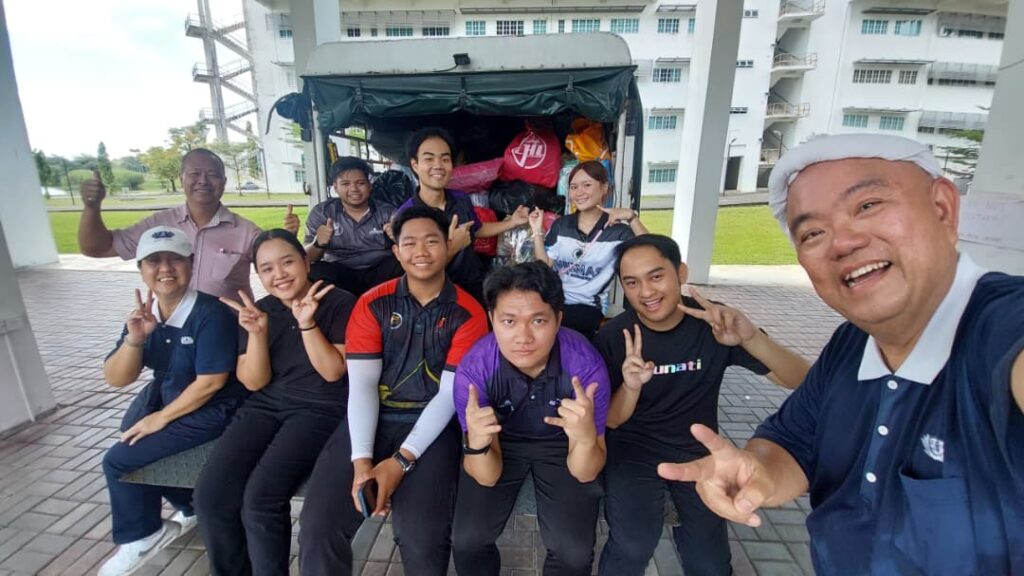
By the end of the project, our cohort had collected more than 600 kilograms of recyclable waste. Knowing that our efforts generated RM233.55, which will support future Development Planning and Management student activities, made the experience even more rewarding because our work created both environmental and practical value.
The judging session with representatives from Tzu Chi Recycling Kuching was another memorable experience. As they inspected every bag of recyclables, checking the cleanliness and accuracy of our waste segregation, I realised how much we had learned. Recycling is not simply about collecting waste; it requires discipline, precision, patience and teamwork. Their constructive feedback helped us appreciate the importance of doing even the smallest tasks properly.
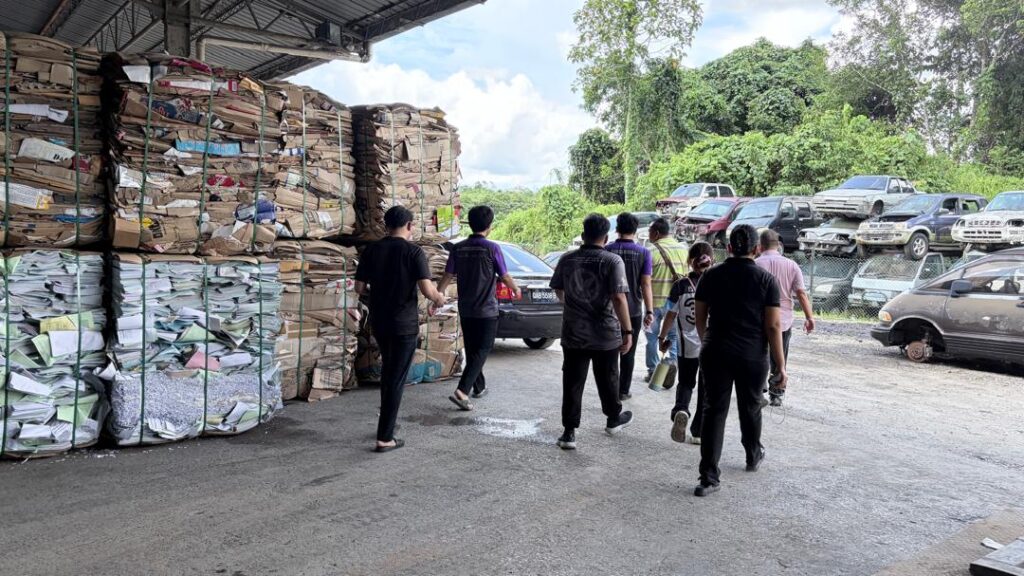
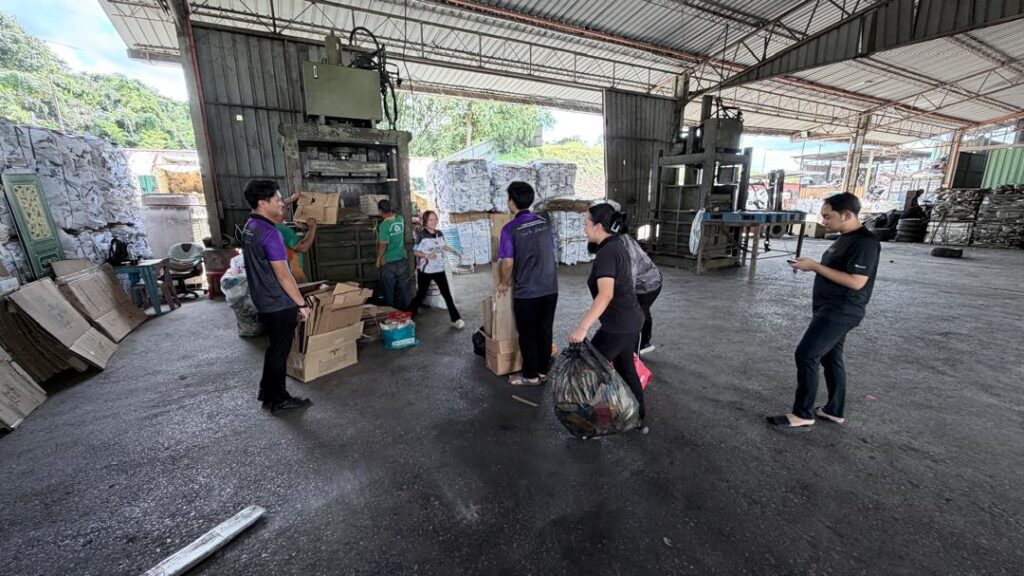
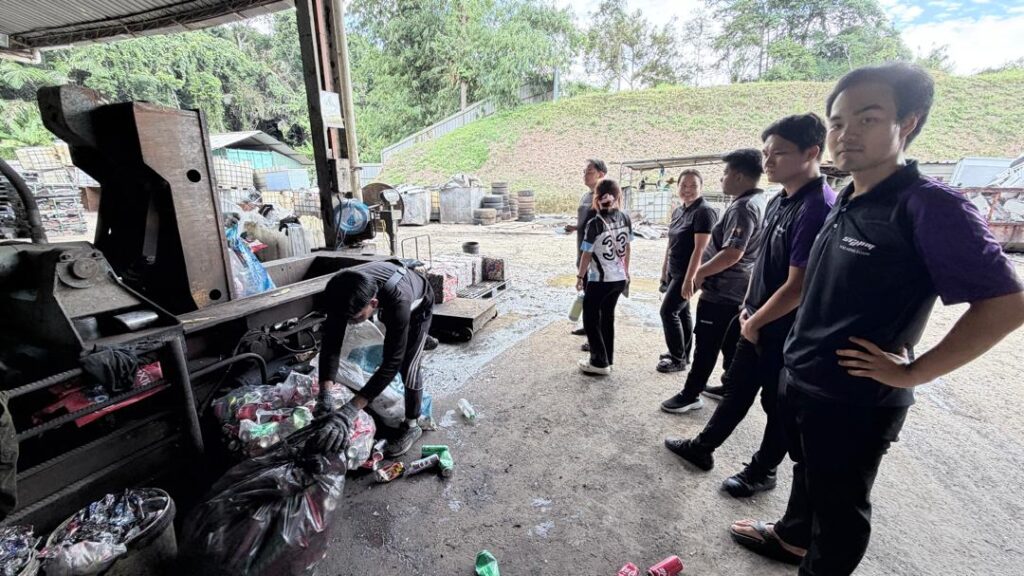
Although Hari Kitar Semula 2026 had ended, the learning did not stop there. A team of student volunteers continued supporting the project by helping to transport and organise the collected materials with Tzu Chi Recycling Kuching. They also had the opportunity to visit the DinKargo Recycling Centre, where they observed how industrial machinery compresses recyclable materials into large bales before they are processed further. It was inspiring to see how the recyclable items we had collected became part of a much larger recycling system.
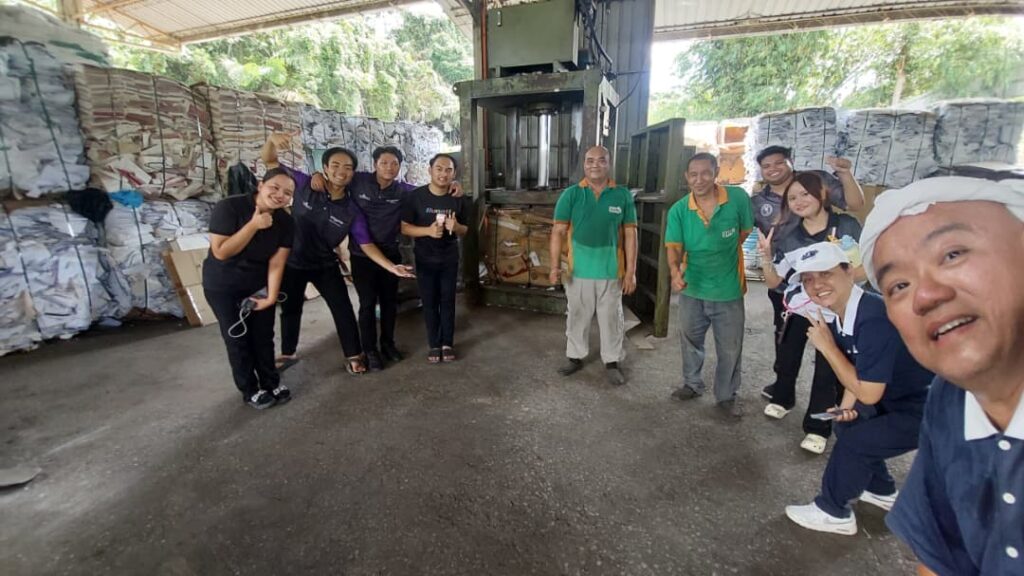
Looking back, this project taught me much more than environmental sustainability. It strengthened my communication, teamwork, leadership and problem-solving skills while showing me the importance of community collaboration. More importantly, it changed my mindset. I now think twice before throwing something away because I understand that waste is not always waste; it can become a valuable resource when managed responsibly.
As Development Planning and Management students, we often discuss sustainable development in theory. Through this project, we experienced it in practice. We learned that building sustainable communities begins with changing our own attitudes and behaviours. The CARE Project showed me that meaningful learning does not only happen in lecture halls. Sometimes, the most valuable lessons come from working alongside classmates, engaging with community partners and experiencing real-world challenges first-hand. We are learning not only how to plan for sustainable development, but also how to become responsible citizens who can encourage positive environmental change within our communities.
Sometimes, the greatest lessons do not come from books or exams; they come from getting our hands dirty, working together and discovering that even the smallest actions can make a lasting difference. That is exactly what the CARE Project taught me.
FSSH – A Partner for Social Change