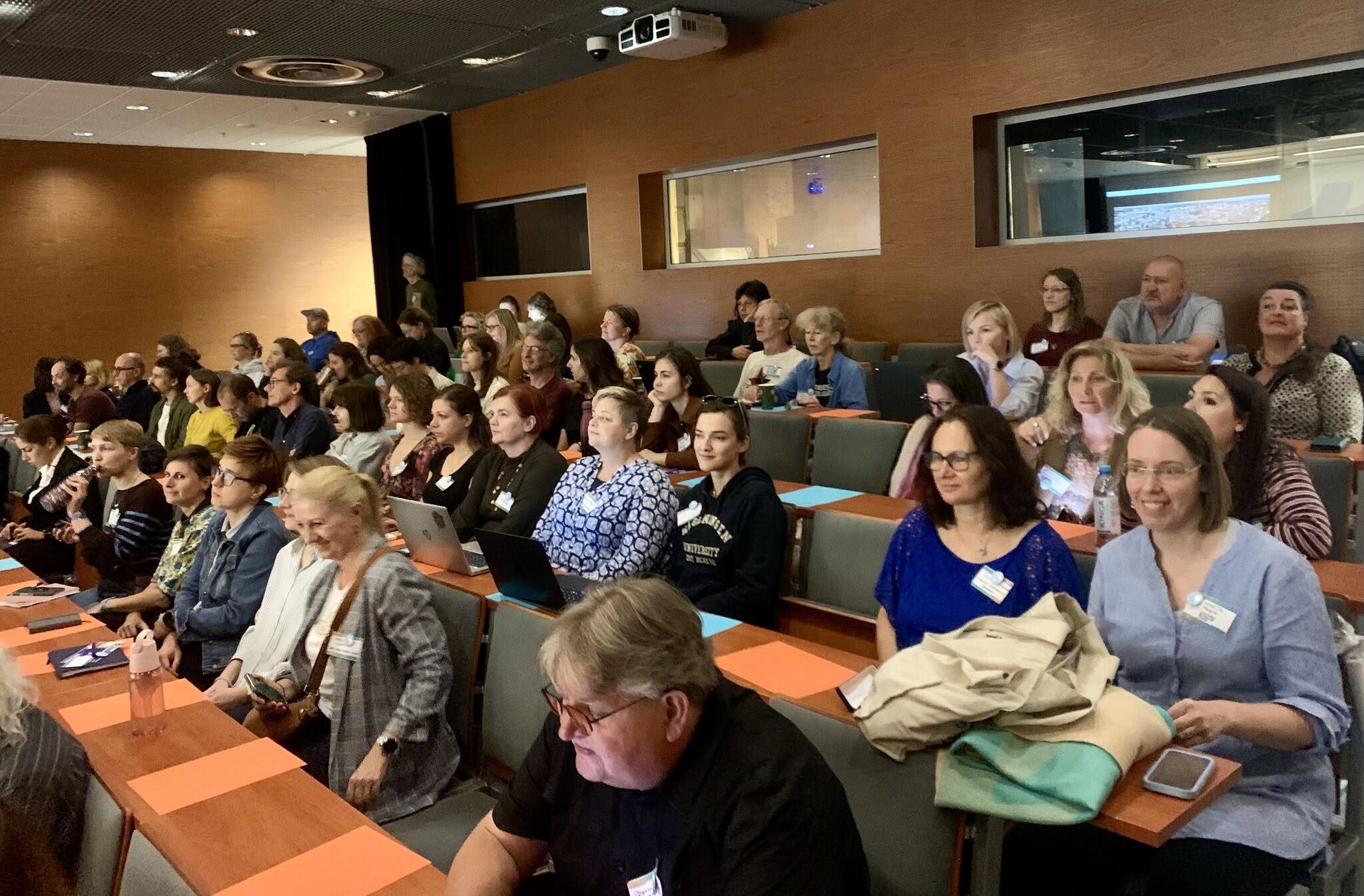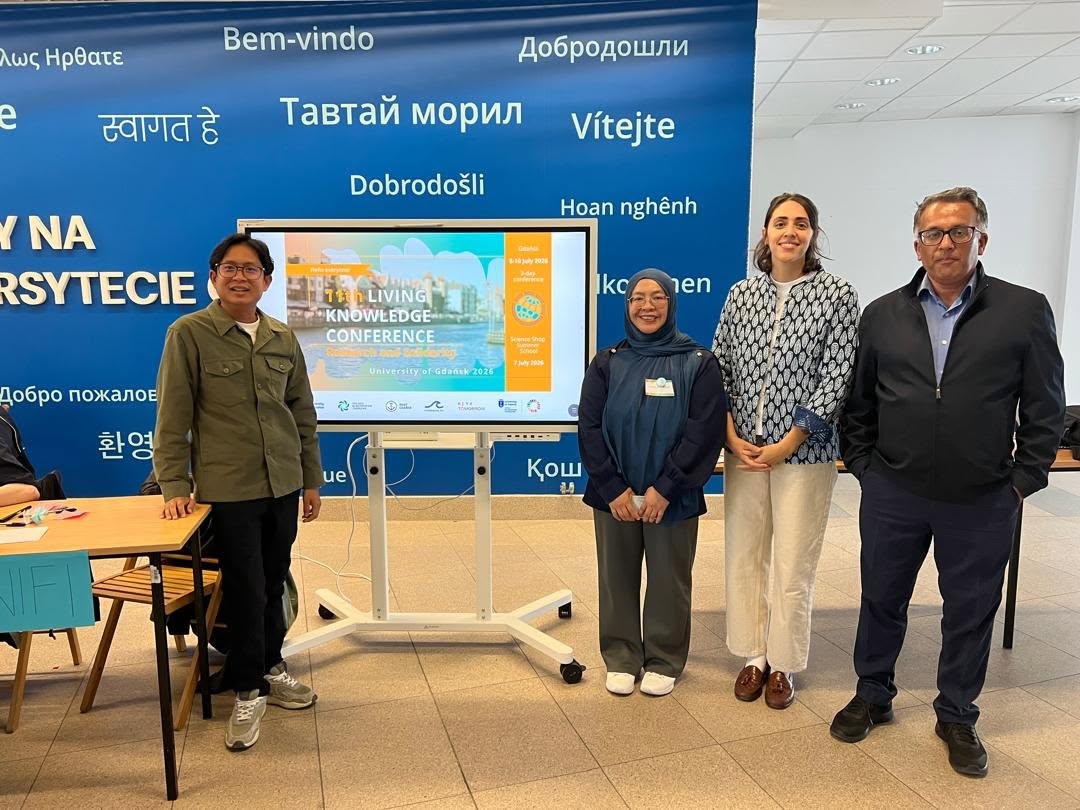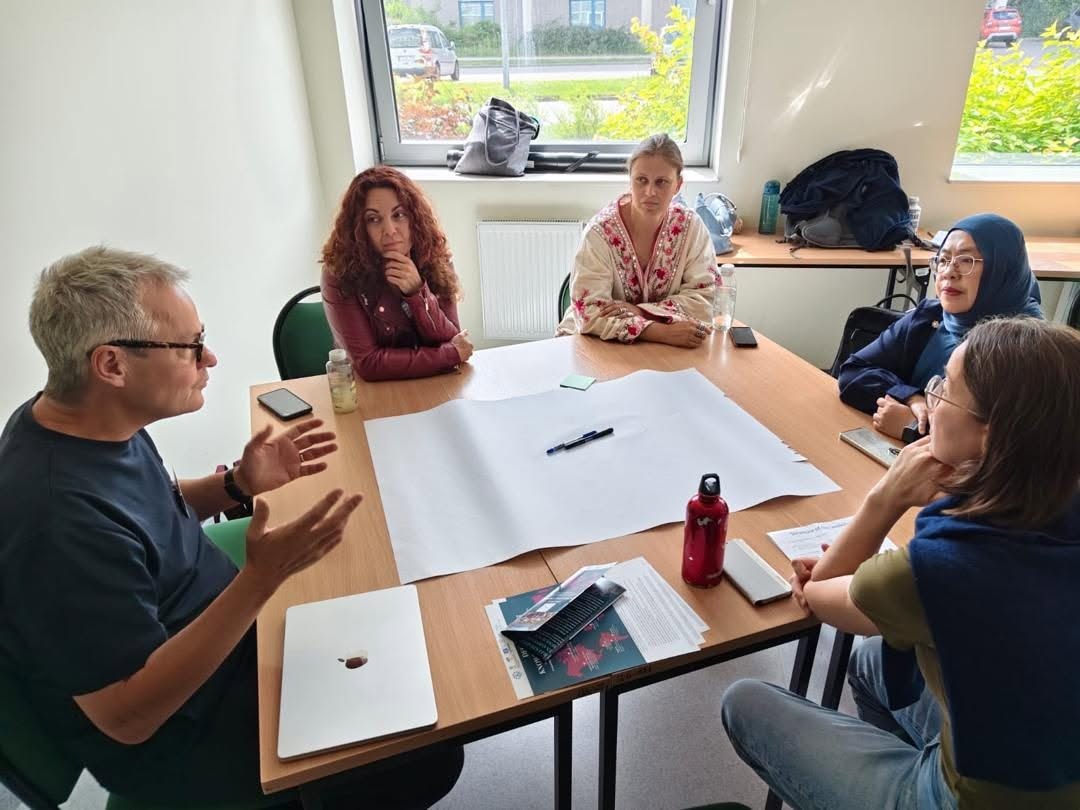
The University Sustainability Centre (USC), Universiti Malaysia Sarawak (UNIMAS) strengthened its global engagement agenda through participation in the 11th Living Knowledge Conference held at the University of Gdańsk, Poland, from 8–10 July 2026. Centred on the conference theme “Research and Solidarity” the event brought together academics, practitioners, community organisations and policymakers from around the world to explore how collaborative and participatory research can address pressing societal challenges through meaningful partnerships. The UNIMAS delegation, led by Associate Professor Dr. Rafeah Wahi, Director of the University Sustainability Centre, together with Dr. Ahmad Syafiq Ahmad Nasir, represented the University’s commitment to advancing community-based research and sustainable development through international collaboration.
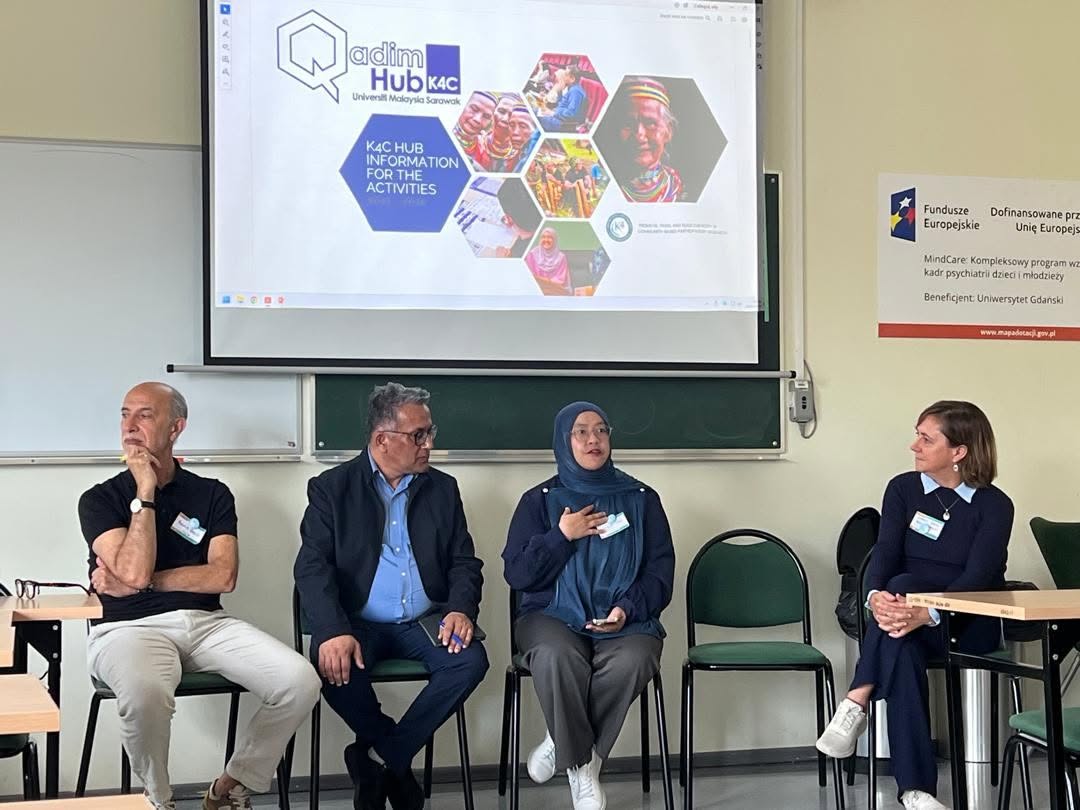
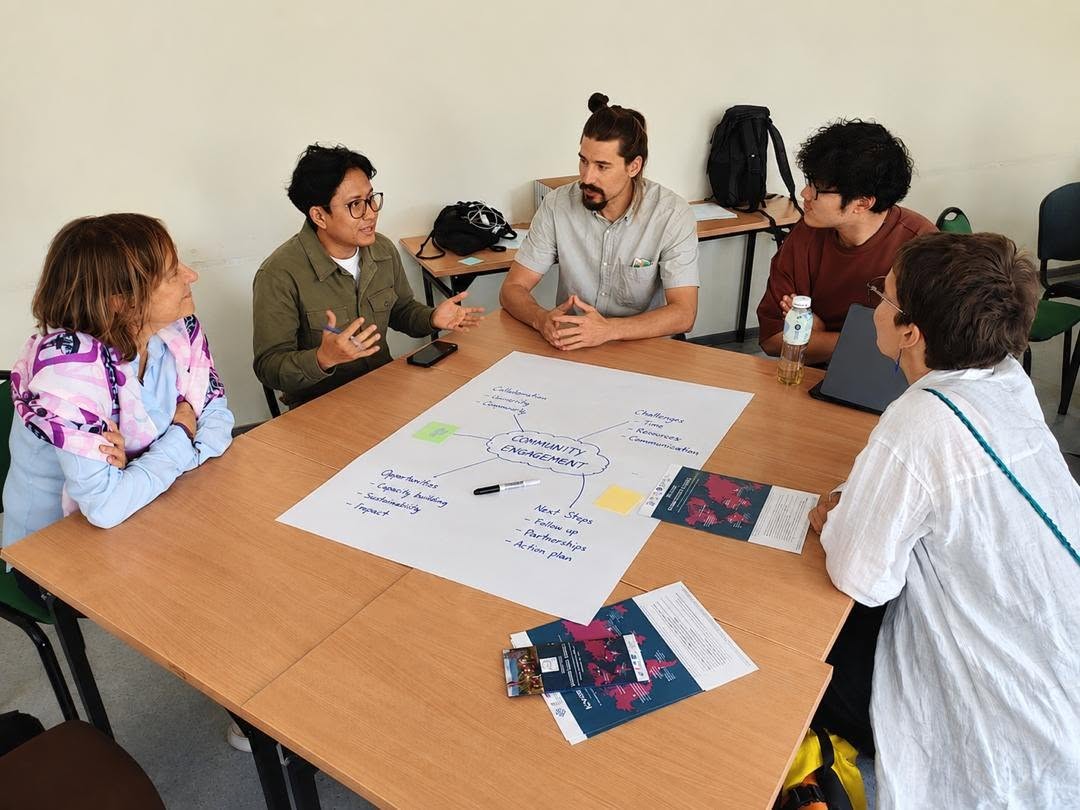
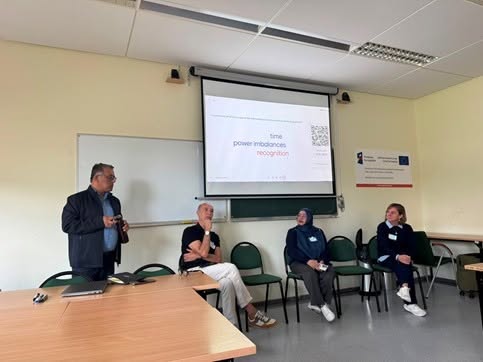
During the conference, Associate Professor Dr. Rafeah Wahi demonstrated UNIMAS’ leadership in community-engaged research through her active participation in several high-level sessions. She served as a panellist in the roundtable discussion “The Knowledge for Change (K4C) Consortium” moderated by Associate Professor Dr. Giovanna Grossi from the University of Brescia, where she shared UNIMAS’ experience in institutionalising community-engaged research through the Qadim Hub. She also facilitated the UNESCO Chair in Community-Based Research workshop, “Closing the Loop in Community-Based Research,” led by Olivia Andrade de Almeida from the University of Victoria, Canada contributing to international dialogue on strengthening community-based participatory research and knowledge co-creation. Her contributions further enhanced UNIMAS’ international visibility and reinforced the University’s standing within the global network of institutions advancing community engagement, research excellence and sustainable development.
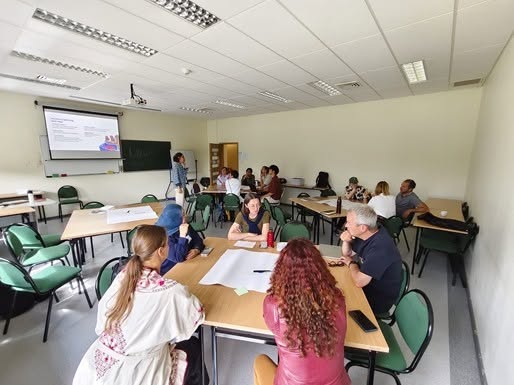
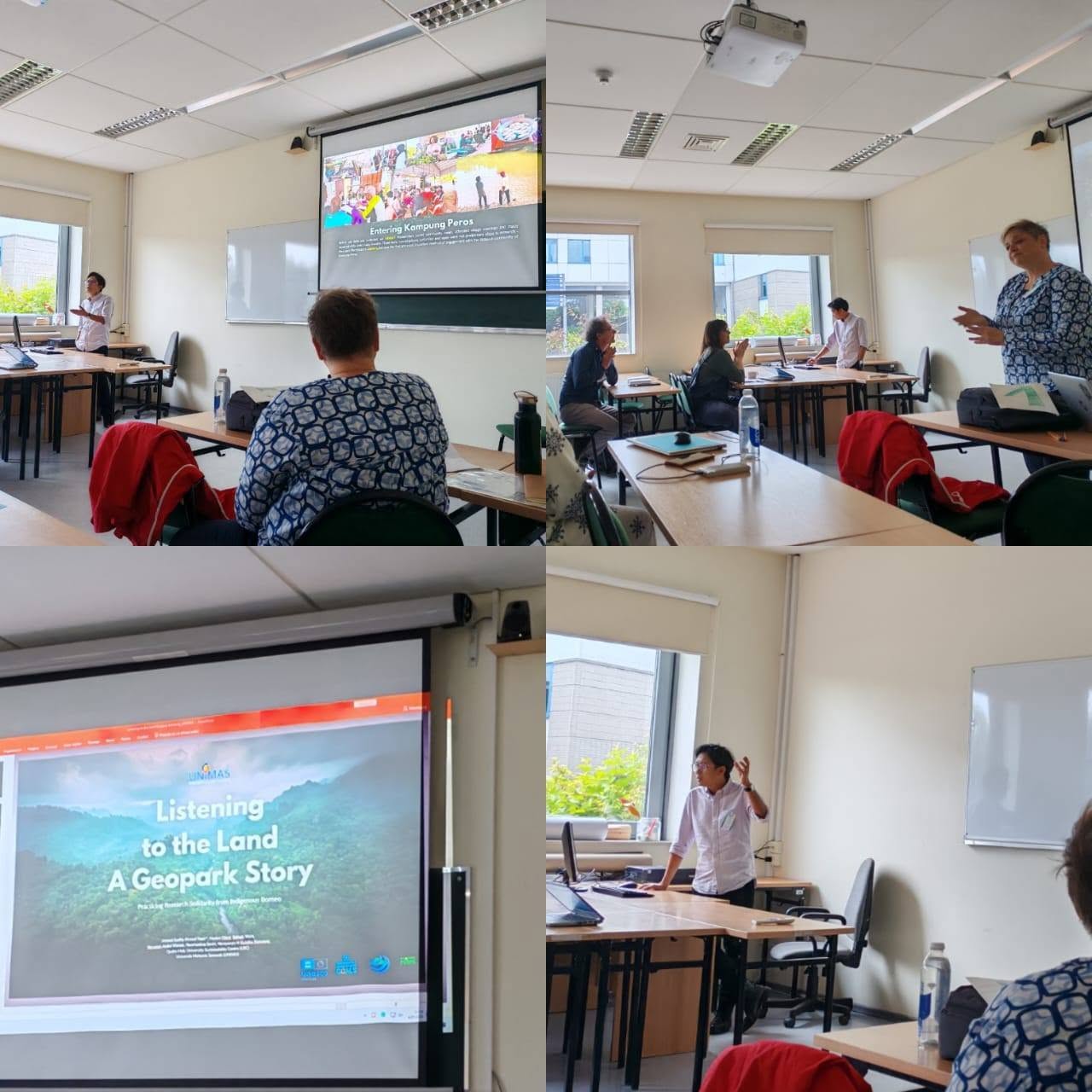
Meanwhile, Dr. Ahmad Syafiq Ahmad Nasir presented a storytelling session entitled “Listening to the Land: A Geopark Story of Practicing Research Solidarity from Indigenous Borneo” sharing the journey of USC UNIMAS in working alongside the Kampung Peros Indigenous Bidayuh community through long-term community-based participatory research (CBPR). Set within the Sarawak Delta Geopark, the presentation traced the collaborative efforts of local communities, researchers, government agencies and other stakeholders in advancing the geopark from a nationally recognised geopark to its successful inscription as a UNESCO Global Geopark. The session demonstrated how sustained research solidarity, Indigenous knowledge and community-led partnerships have strengthened cultural heritage conservation, environmental stewardship and sustainable livelihoods while positioning the Sarawak Delta Geopark as an internationally recognised model of community-driven sustainable development.
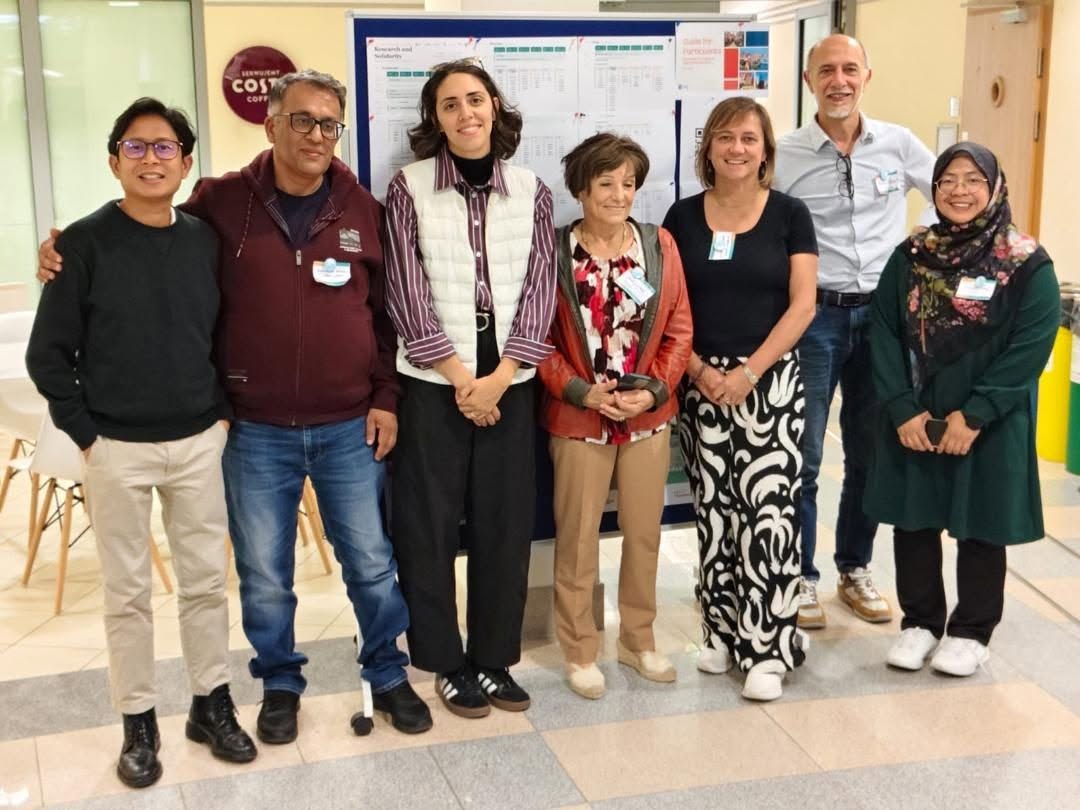
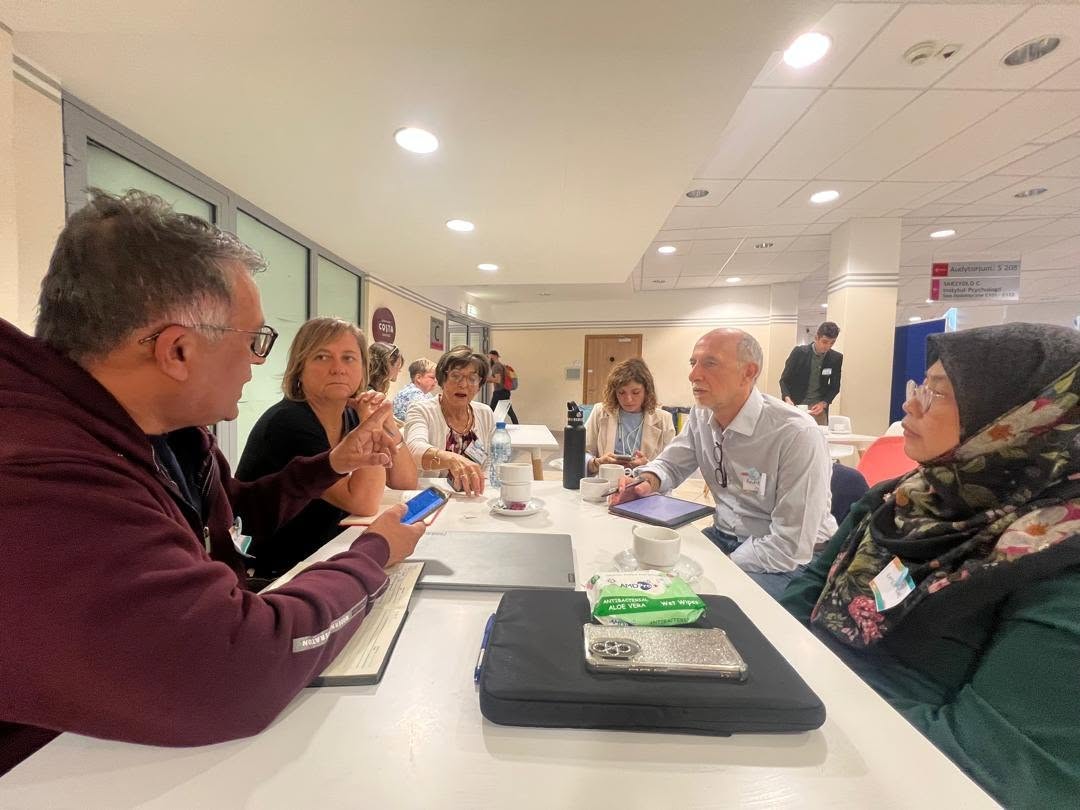
Beyond knowledge sharing, the conference provided an important platform for strategic networking with the UNESCO Knowledge for Change (K4C) Consortium, including representatives from Participatory Research Asia (PRIA), India, the University of Brescia and the University of Sassari, Italy, as well as the UNESCO Chair in Community-Based Research. These engagements created new opportunities for collaborative research, capacity building, academic exchange and international knowledge sharing through the Qadim Hub, reinforcing UNIMAS’ role as an active member of the global K4C network.
Looking ahead, the partnerships established during the conference provide a strong foundation for expanding collaboration with European higher education institutions through Erasmus+, Horizon Europe and other international initiatives. UNIMAS intends to explore opportunities for joint research projects, staff and student mobility, community-engaged learning, curriculum development and capacity-building programmes with institutions such as the University of Brescia, University of Sassari, University of Gdańsk, and other members of the Living Knowledge and UNESCO K4C networks. These initiatives are expected to strengthen UNIMAS’ internationalisation agenda while creating meaningful opportunities for knowledge exchange and innovation that benefit communities across national boundaries.
UNIMAS’ participation directly contributes to Sustainable Development Goal (SDG) 17: Partnerships for the Goals demonstrating how strategic international collaboration enables universities to co-create solutions for sustainable development through research, innovation and community engagement. By strengthening partnerships with universities, international organisations and local communities, UNIMAS continues to position itself as a regional leader in sustainability while expanding its global network to advance impactful, community-driven initiatives.
Through initiatives such as the Qadim Hub and its growing international partnerships, UNIMAS remains committed to translating the spirit of “Research and Solidarity” into action by fostering meaningful collaborations that generate lasting social impact and contribute to achieving the Sustainable Development Goals at both local and global levels.