Written by Dr Rubiah Anak Ajan
Industrial training is an important component of undergraduate studies at the Faculty of Social Sciences and Humanities (FSSH), Universiti Malaysia Sarawak (UNIMAS), providing students with exposure to practical work environments related to their respective fields of study. At FSSH, industrial training includes six programmes: Anthropology and Sociology, Industrial Relations and Employment, Politics and Government Studies, Development Planning and Management, and Social Work, and International Relations. The industrial training courses are placed under two course codes. SSF2115 is undertaken by Year 2 students from Anthropology and Sociology, Industrial Relations and Employment, and Politics and Government Studies, while SSF3026 is undertaken by Year 3 students from the programmes of Development Planning and Management, Social Work, and International Relations. With students from different programmes undertaking placements in various organisational settings, industrial training encompasses a wide range of experiences and expectations. During the Intersession 2025/2026, a total of 601 students across six programmes undertook industrial training in government agencies, private organisations and non-governmental organisations (NGOs) across Malaysia, as well as the UNIMAS track.
Apart from being a requirement for graduation, industrial training is intended to expose UNIMAS undergraduates to the realities of the working world. It provides students with an opportunity to apply the theories, concepts and knowledge acquired in the classroom to practical situations within their respective organisations. Through placements in government agencies, private organisations and non-governmental organisations (NGOs) across Malaysia, students are also exposed to different organisational cultures, working environments, professional practices and people from diverse backgrounds. This experience is significant in helping students understand how knowledge acquired at university can be applied through practical skills, professional conduct, communication and the ability to work with others in real-world settings.
Industrial training also provides an avenue for UNIMAS to foster and sustain professional relationships with host organisations. Through the placement and supervision of students, continuous engagement can be developed between the university and government agencies, private organisations and NGOs. These partnerships create opportunities for mutual understanding, professional networking and future collaboration, while allowing agencies to become familiar with the knowledge, skills and capabilities of UNIMAS students. In this sense, industrial training is not only a student-centred learning process but also a platform for strengthening the university’s networks and engagement with organisations beyond the campus.
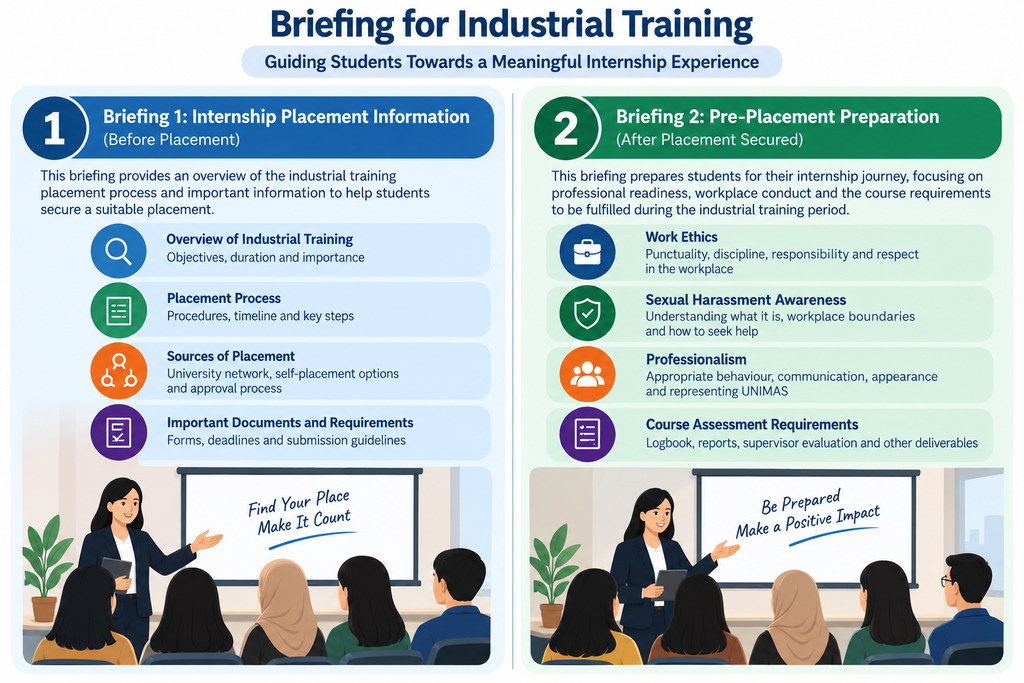
Before commencing their industrial training, all eligible students are required to attend two stages of industrial training briefings. These briefings cover the process from applying for and securing a suitable placement to completing the required 10–12 weeks of industrial training.
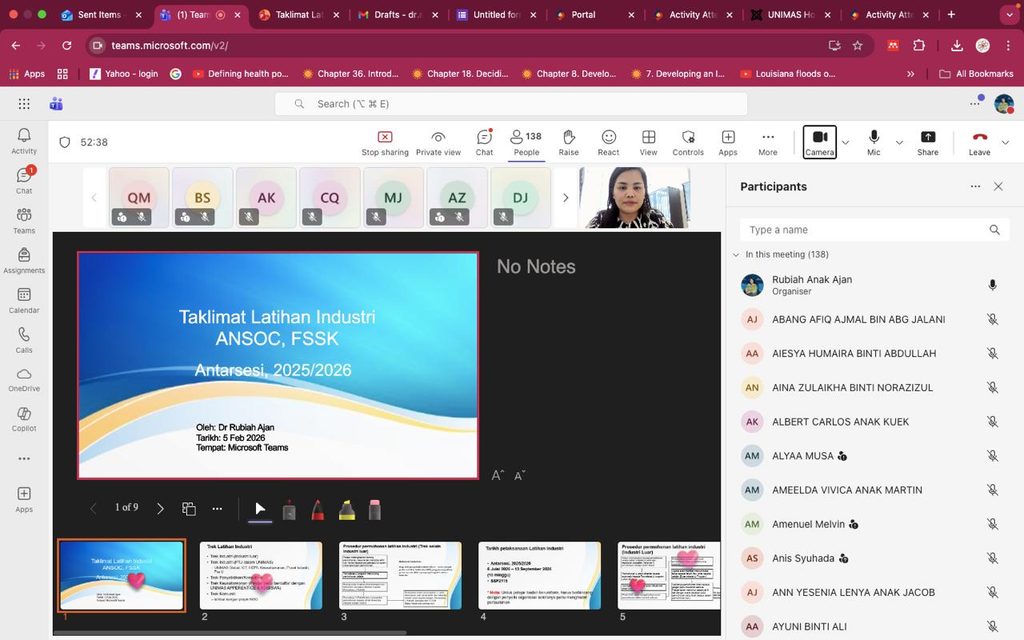
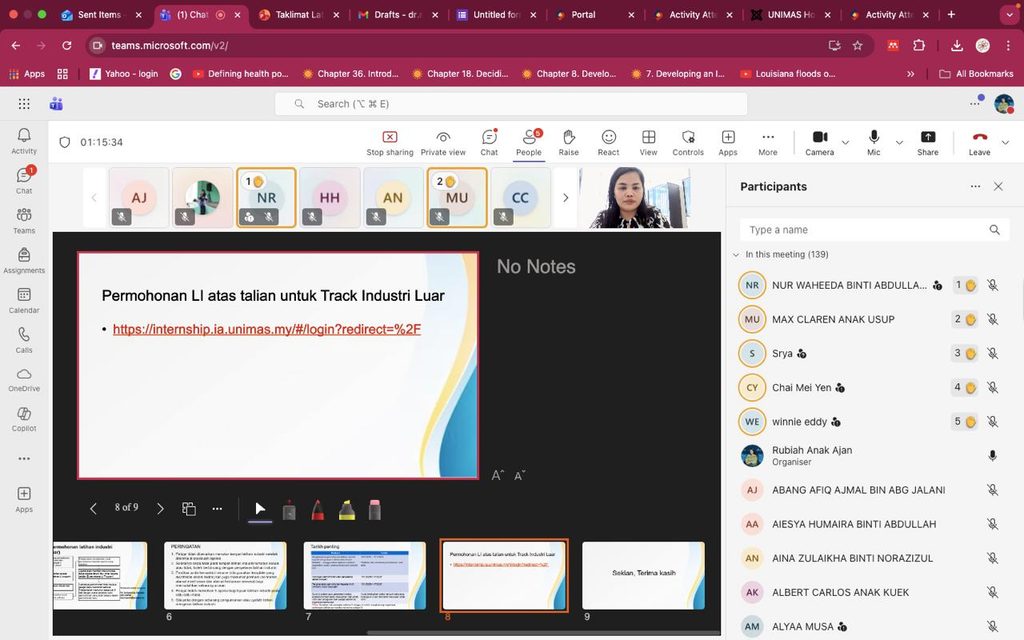
More importantly, students are provided with awareness of workplace boundaries and sexual harassment prevention, while also being reminded that their conduct reflects not only on themselves but also on UNIMAS, the Faculty and their respective programmes. They are therefore expected to safeguard the reputation and good name of the university, understand and familiarise themselves with the background and functions of their host organisation, and observe the organisation’s workplace rules, professional standards and work ethic throughout their placement. Students are also reminded of their responsibilities in maintaining proper attendance, conduct, communication and commitment, with the expectation that they complete their industrial training successfully and professionally.
Each intern is supported by two supervisors throughout the industrial training period. The external supervisor, appointed by the host organisation, oversees the student’s daily tasks, daily logbooks, work ethic and professional conduct at the workplace. The internal supervisor, who is the Internship Coordinator for each programme appointed by the Dean, monitors the student’s overall progress, provides academic guidance, conducts assessments and marking, and serves as the link between the student, the agency and the university. This dual-supervision arrangement is intended to ensure that students receive both workplace-based and academic support throughout their internship.
Valuable Inputs from Industrial Visits
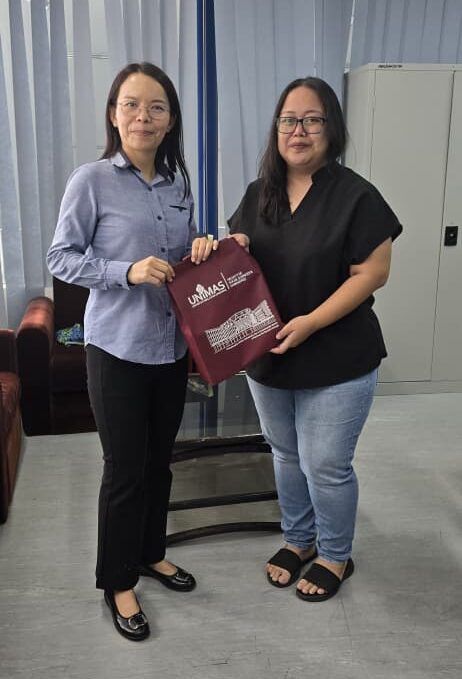
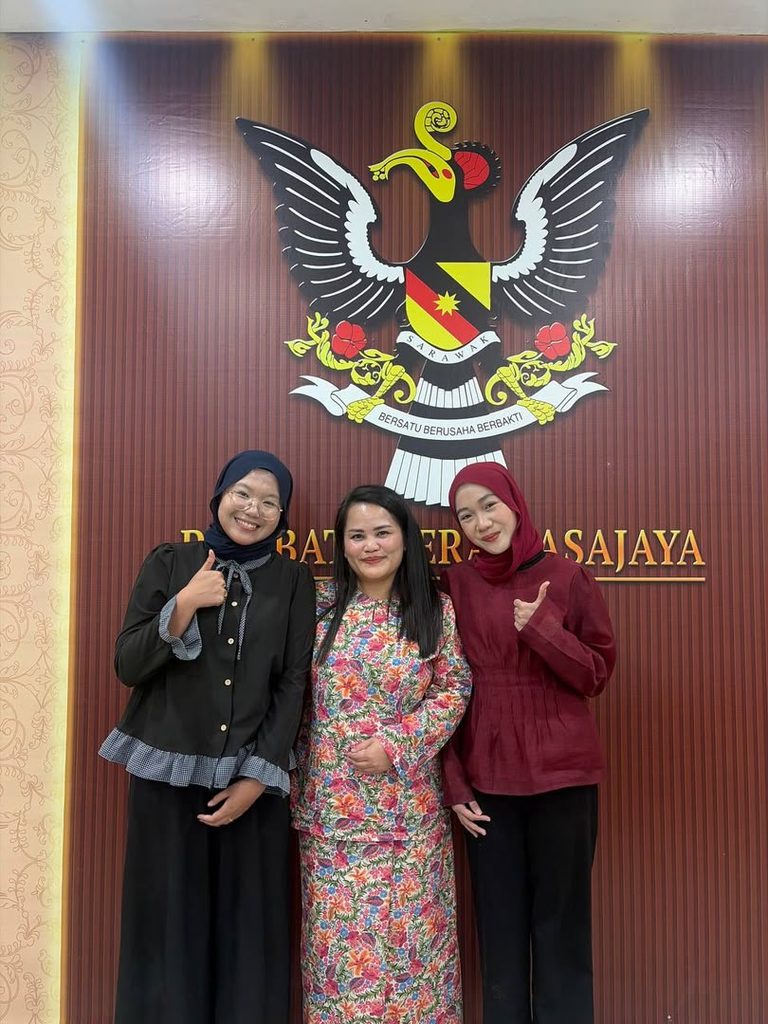
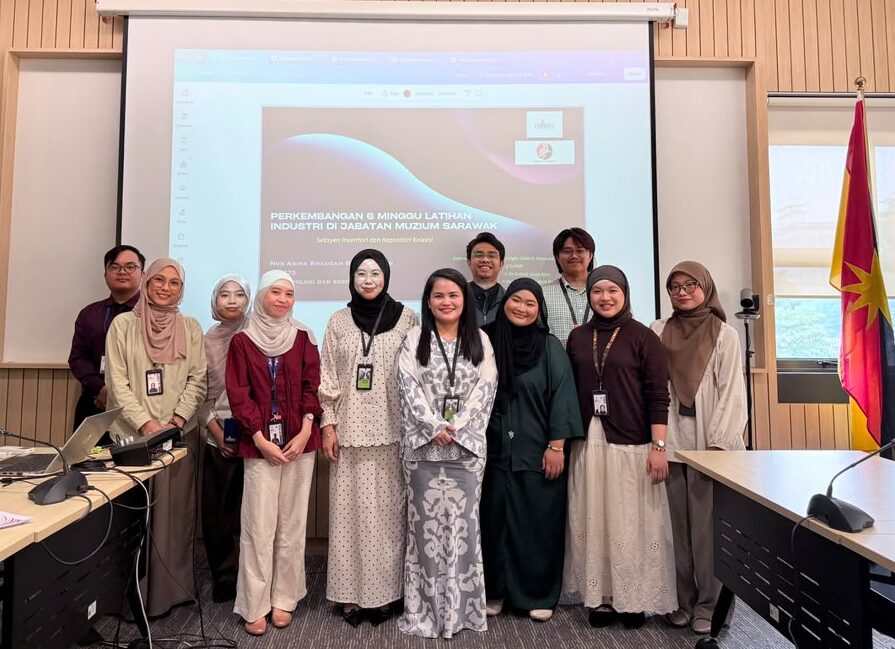
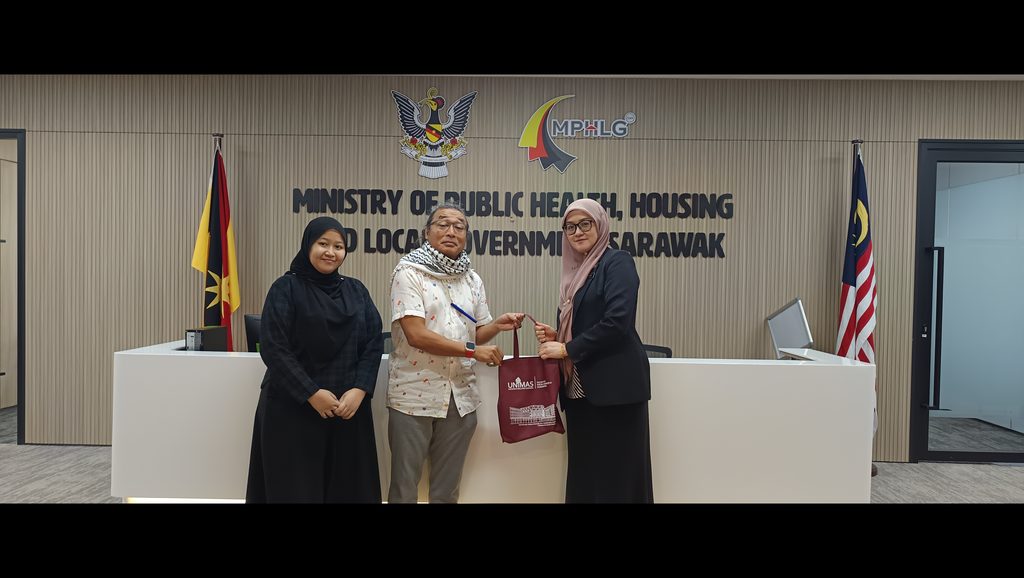
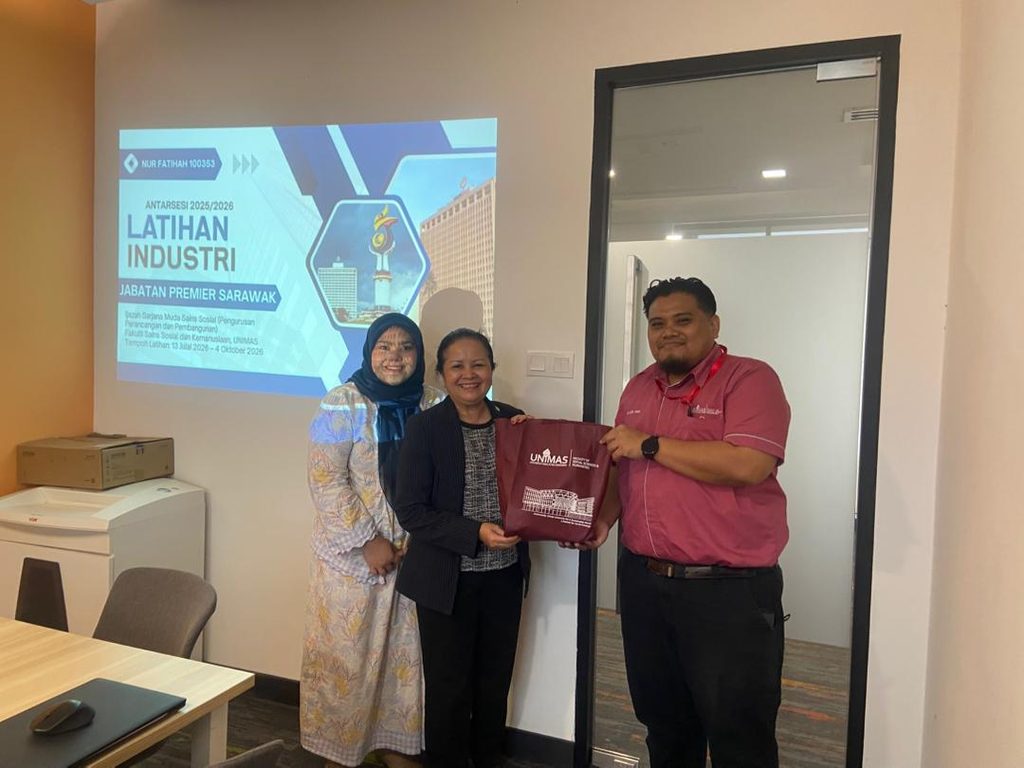
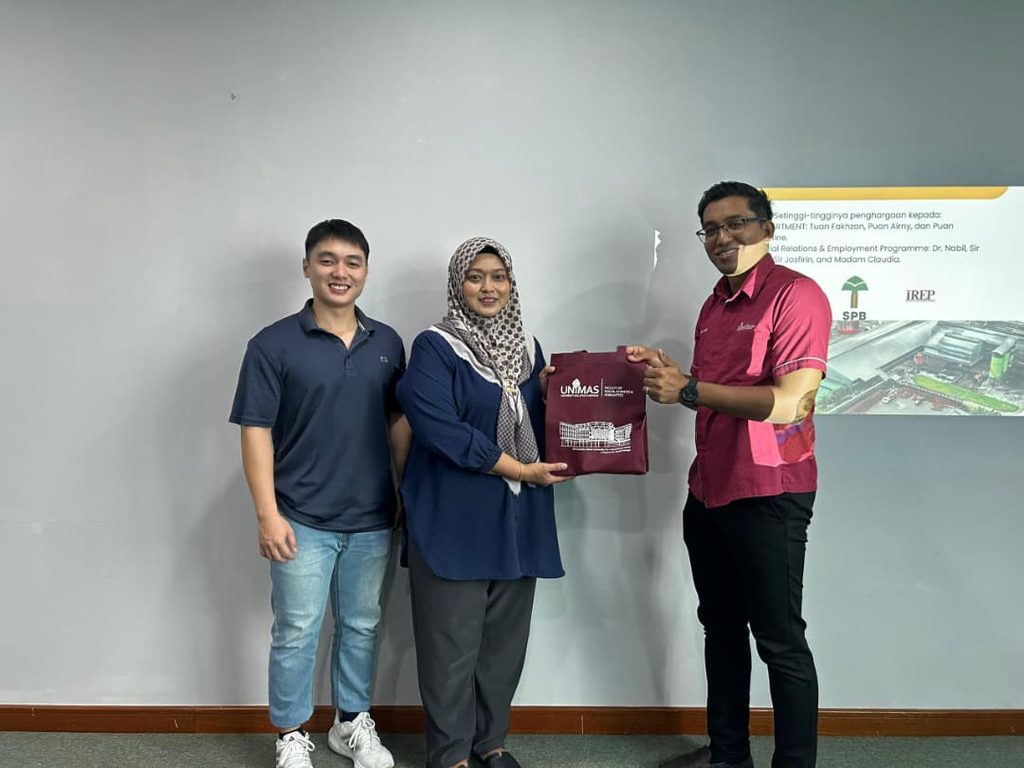
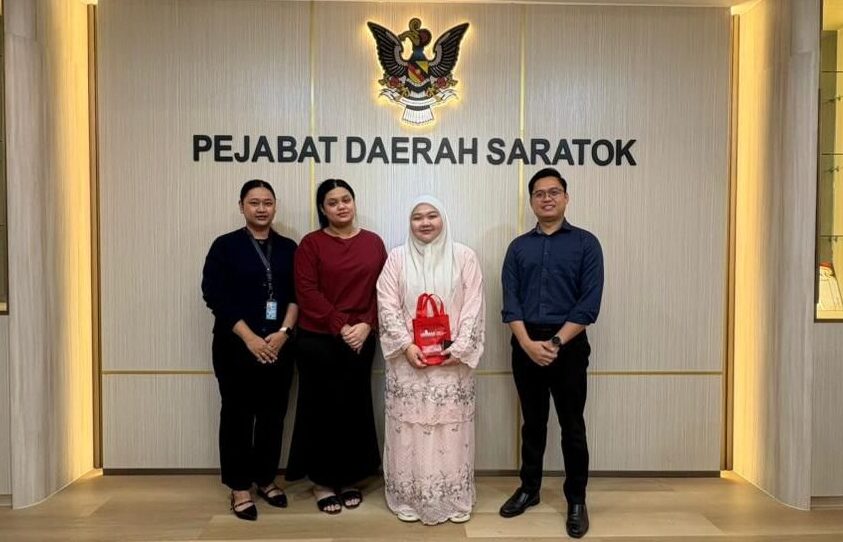
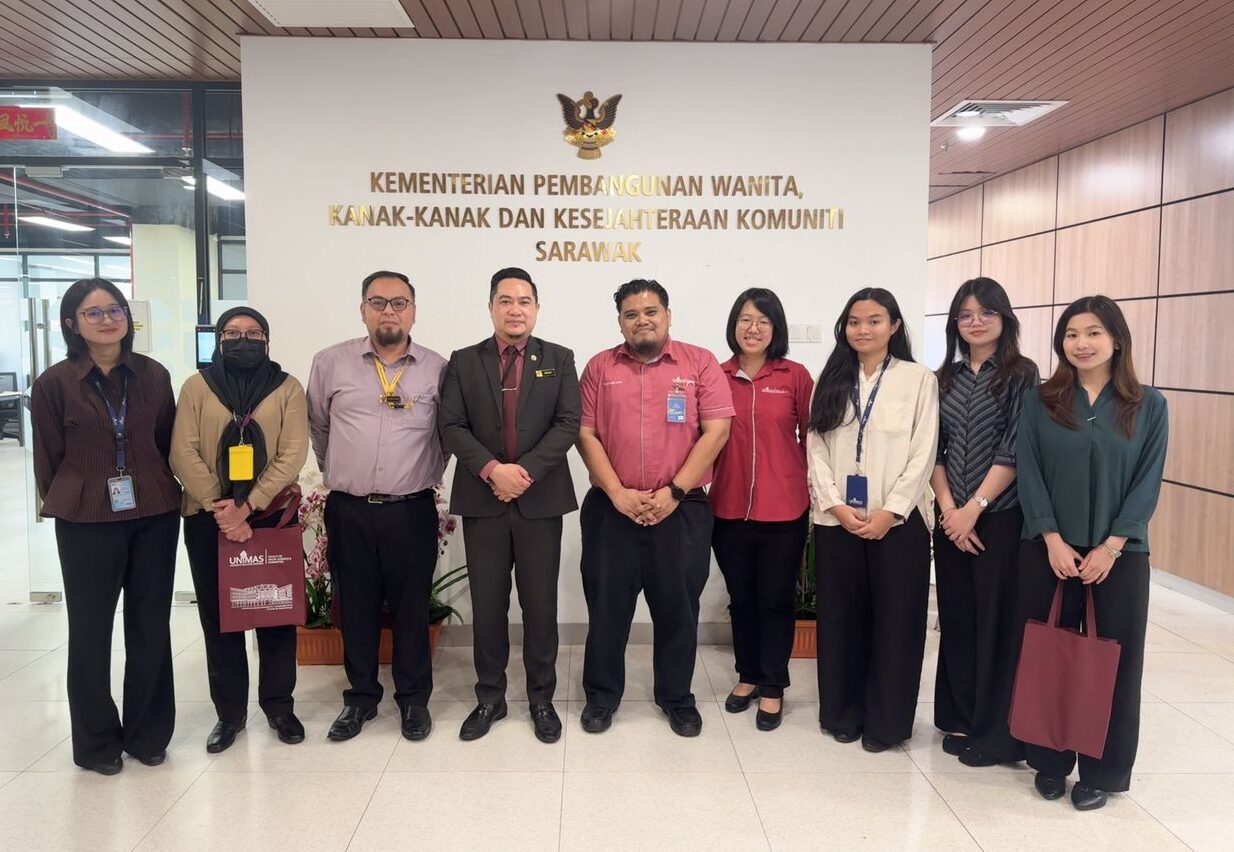
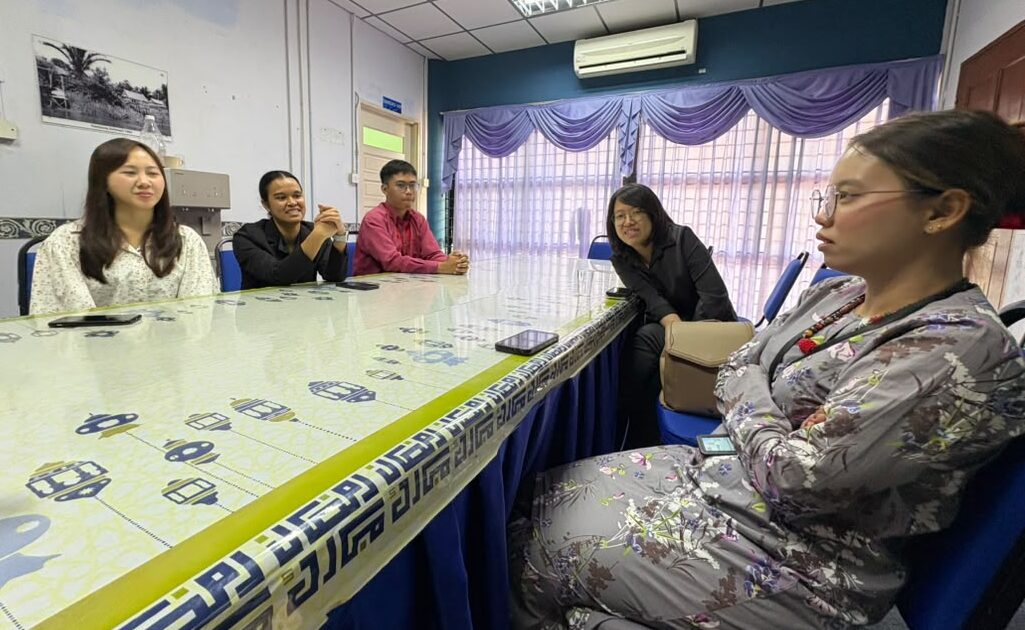
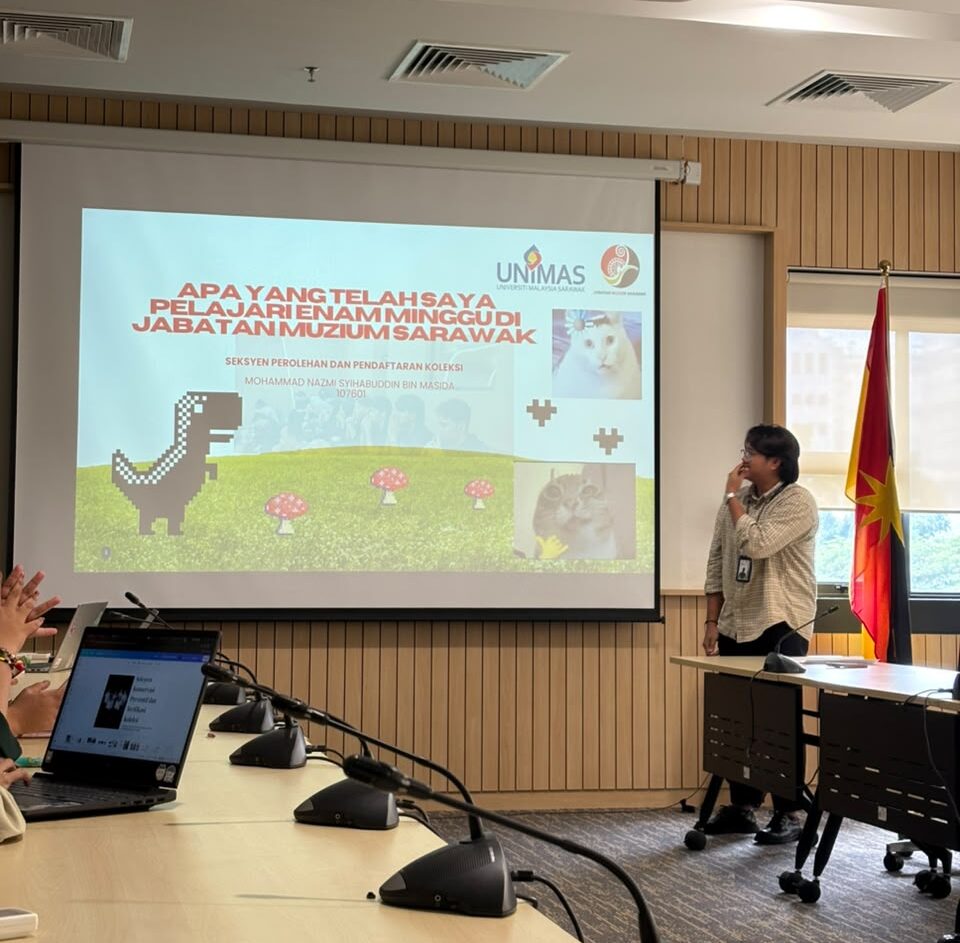
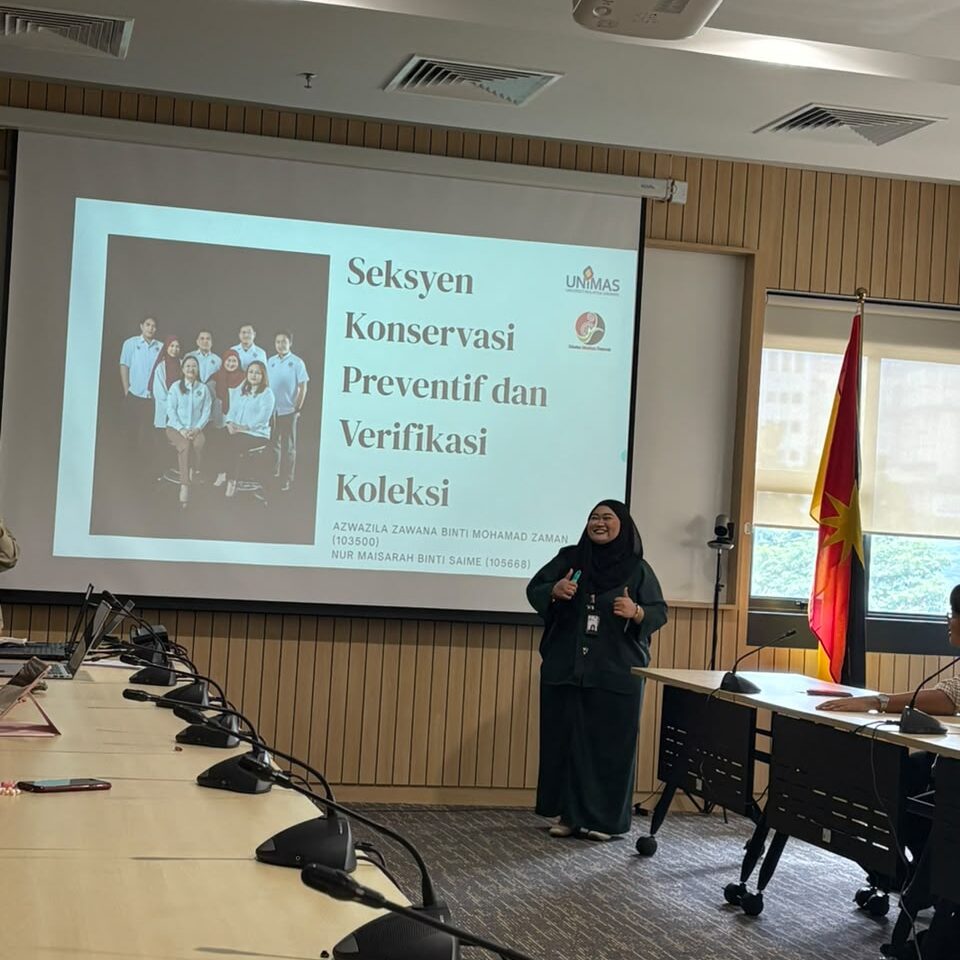
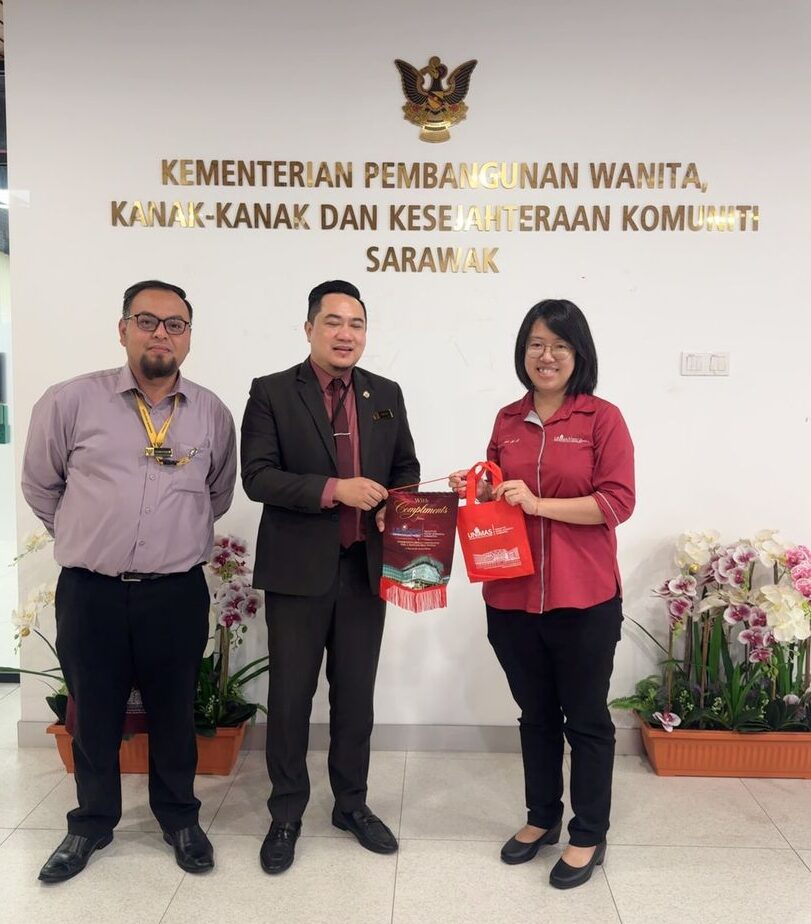
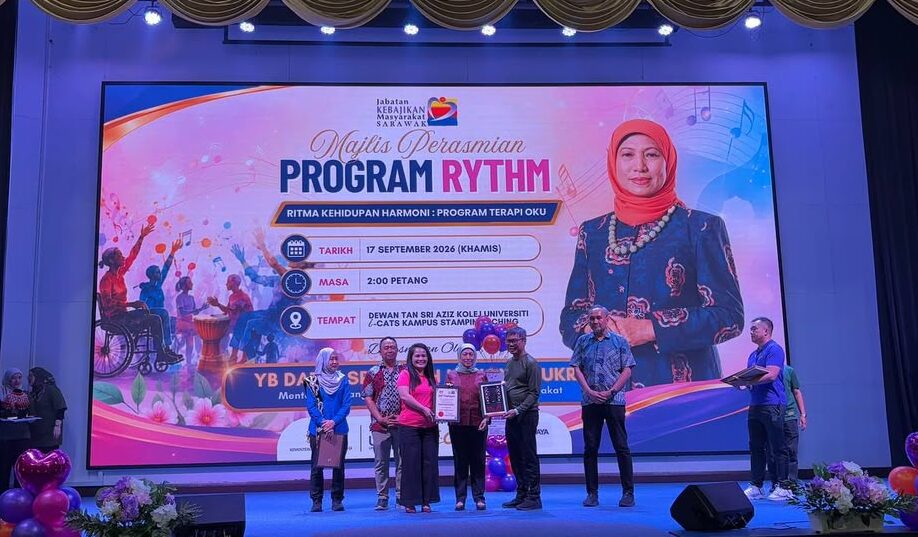
During the ten-week Industrial Training period, several industrial visits were conducted by the internship coordinators to host organisations, including Jabatan Muzium Sarawak, Pejabat Daerah Asajaya, Sarawak Cultural Village, Pejabat Daerah Lundu, Jabatan Premier Sarawak and Pejabat Pendidikan Daerah, among others, involving more than 20 students from several programmes under FSSH. These visits allowed us to engage directly with external supervisors and gain a clearer understanding of how agencies experience and benefit from hosting our interns. Discussions with the supervisors indicated that industrial training can provide mutual benefits to both students and host organisations. For agencies that require additional manpower, interns can provide temporary support, particularly in administrative and operational tasks. Similarly, students are given opportunities to undertake hands-on responsibilities that may extend beyond routine administrative work, including assisting in the organisation of major events involving government ministries, senior officials and local communities.
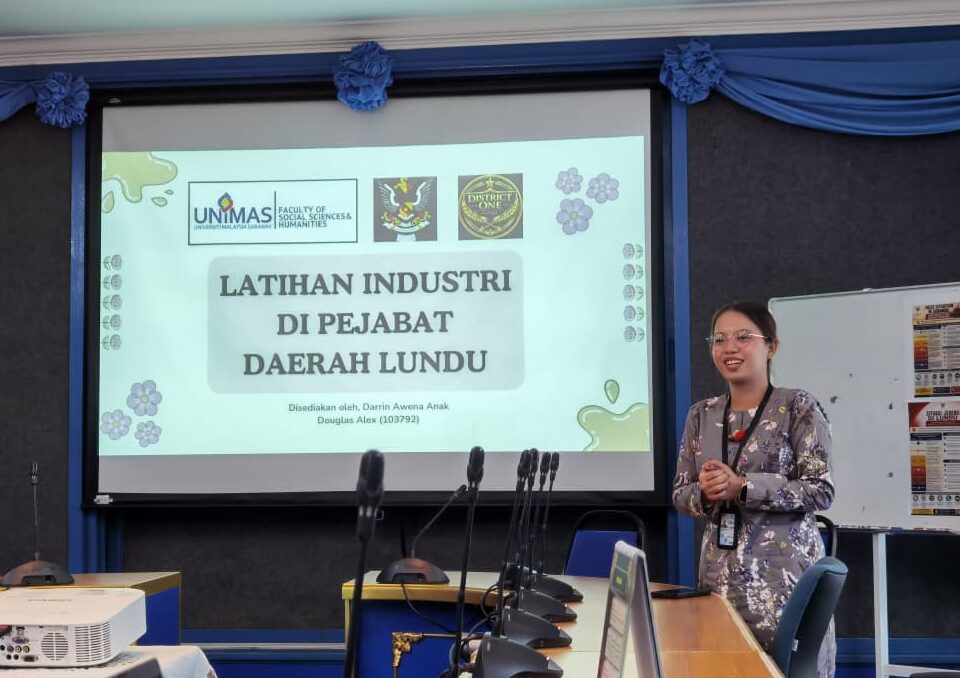
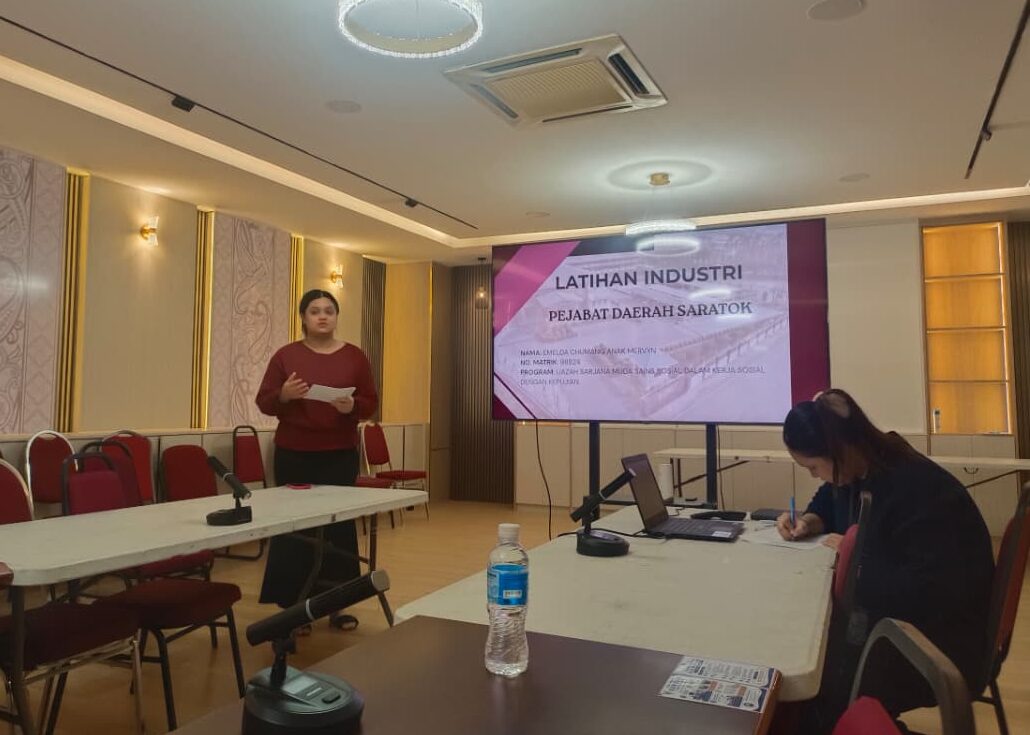
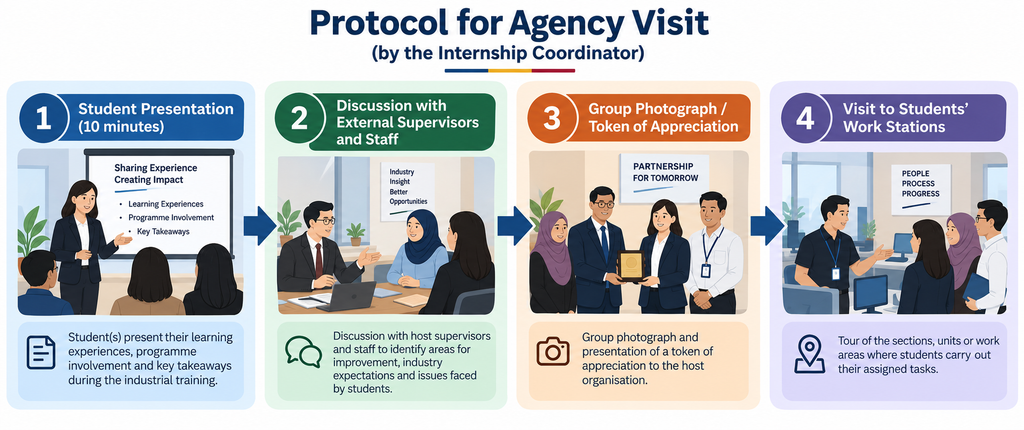
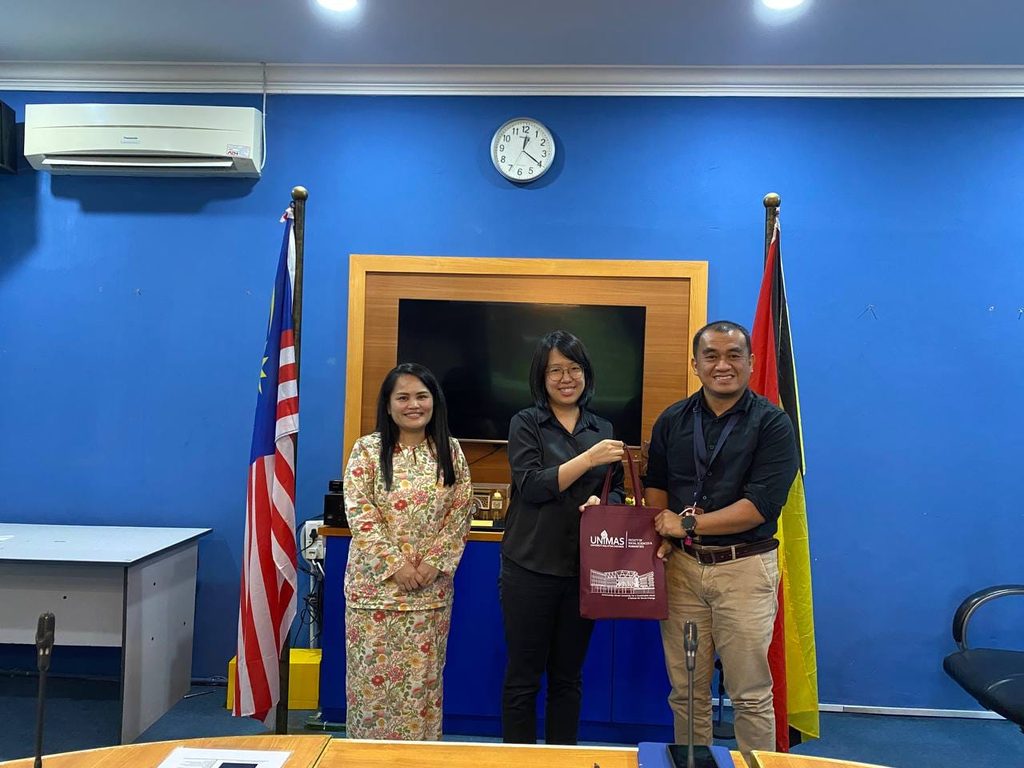
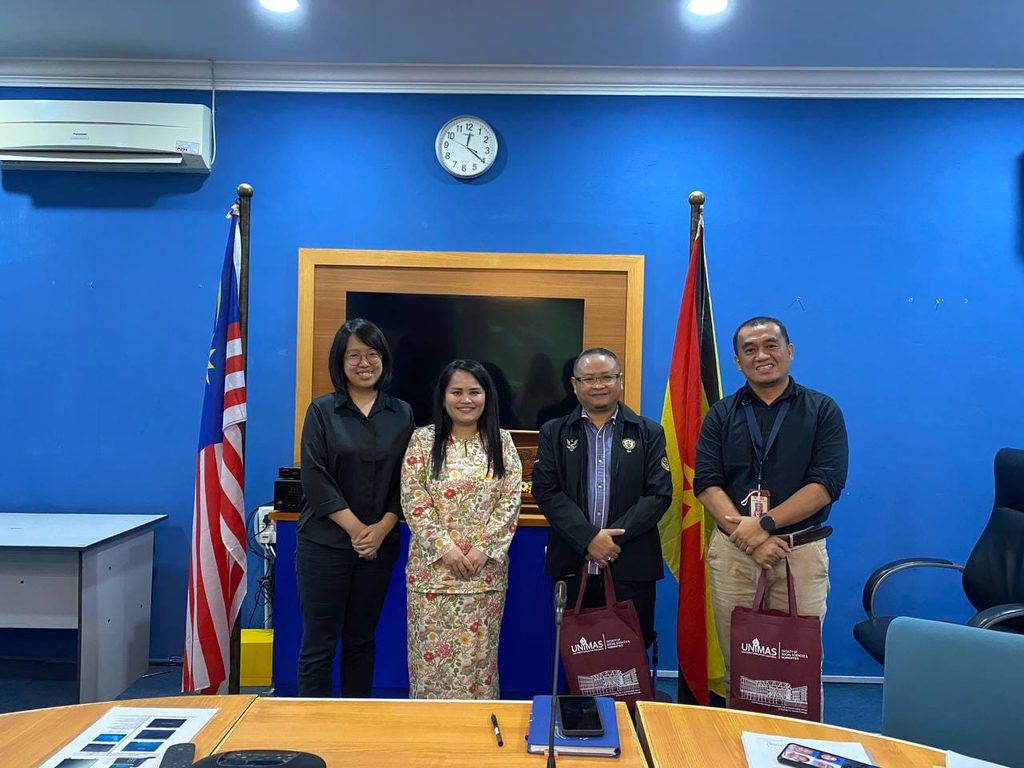
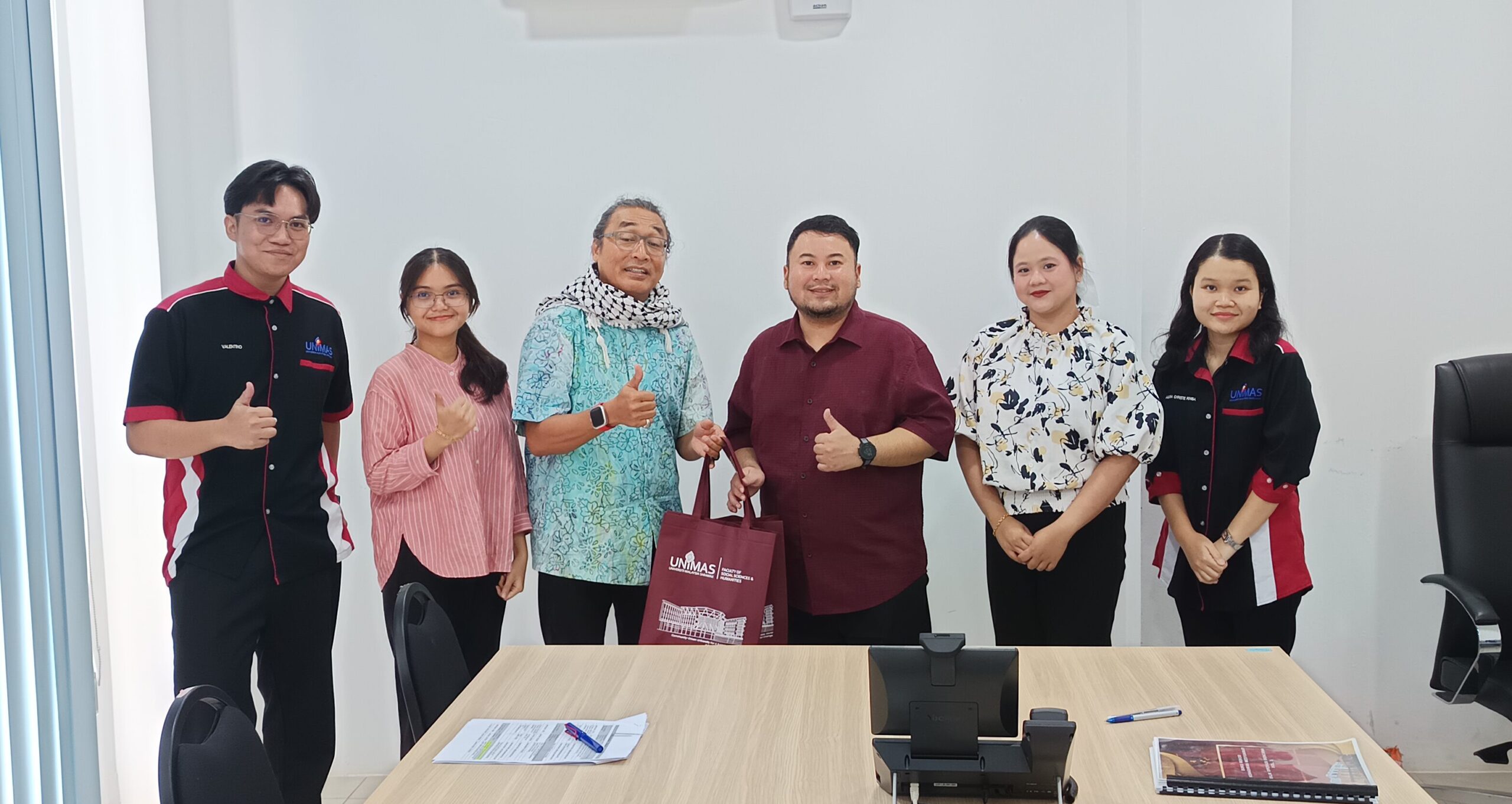
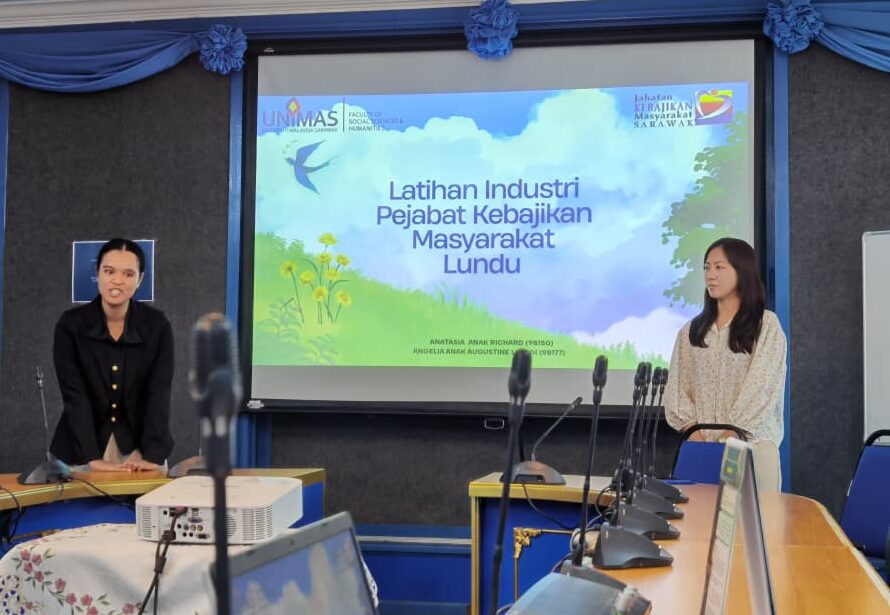
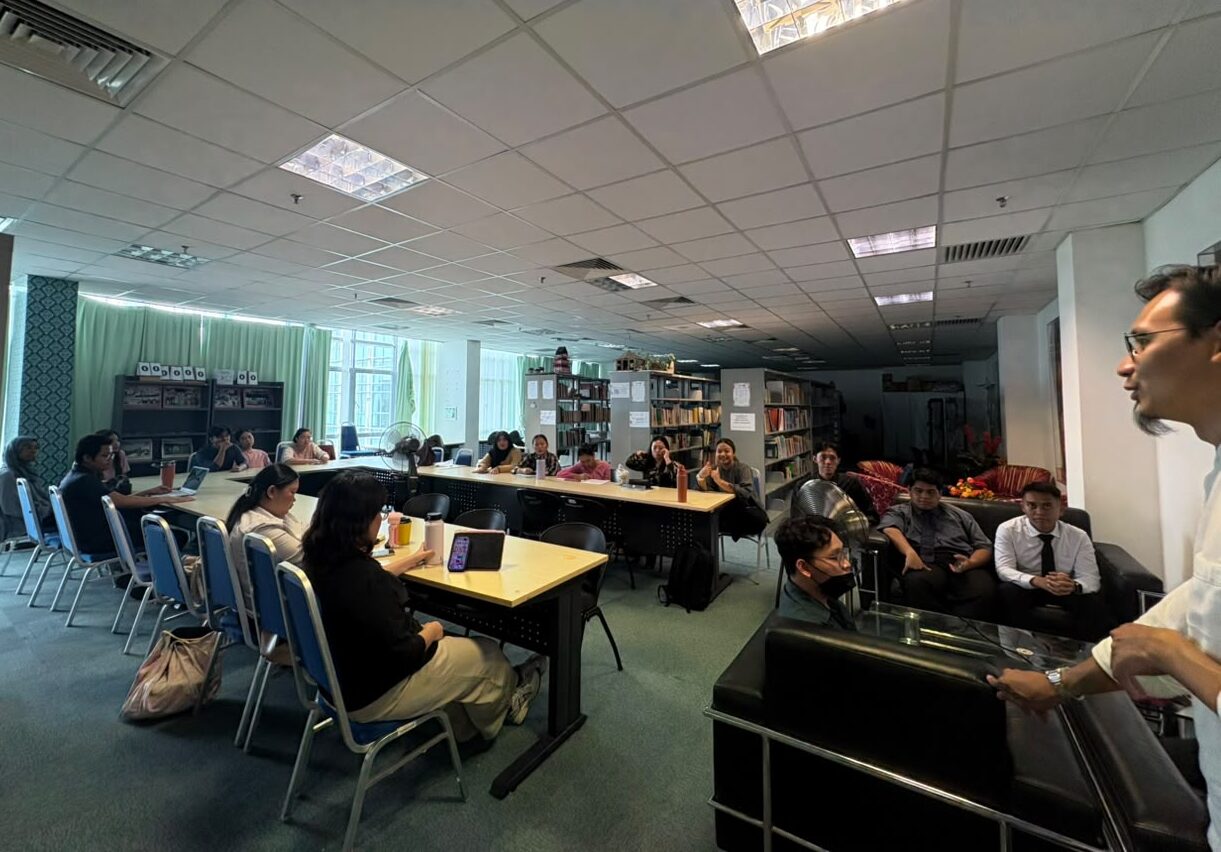
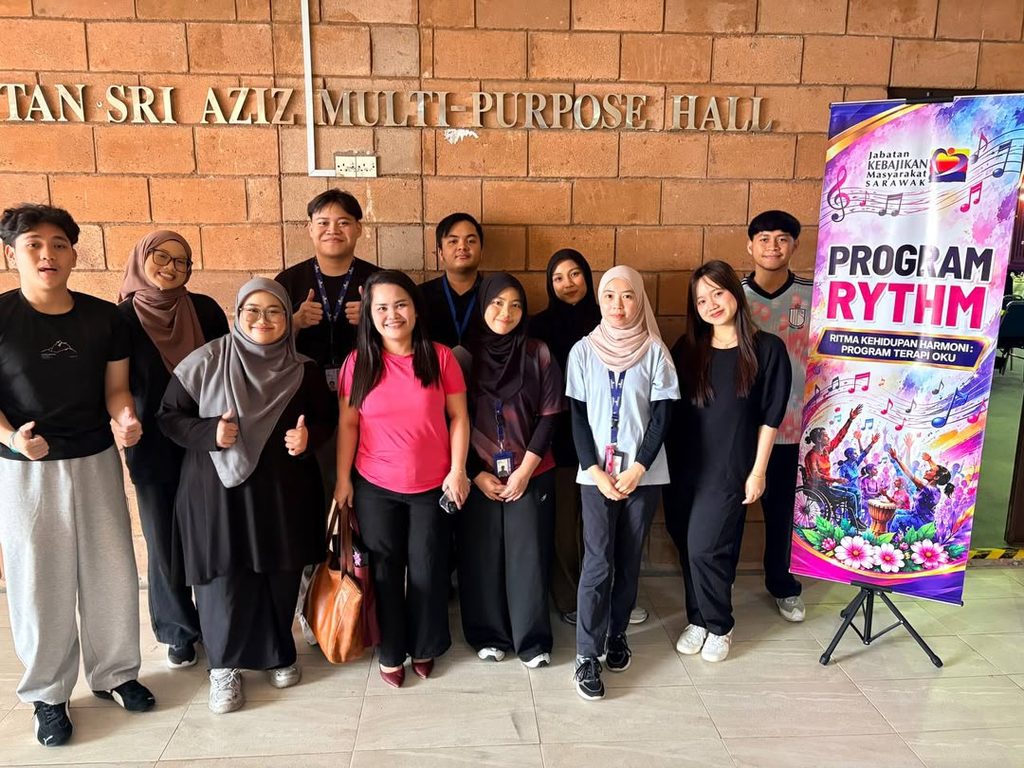
Such exposure allows students to experience the realities of professional work while, at the same time, contributing to the operational needs of their host organisations. The visits included student presentations on their learning experiences and programme involvement, followed by discussions with host supervisors to identify areas for improvement, industry expectations and issues faced by students. The sessions also provided an avenue for mutual feedback between the Faculty and host organisations, followed by group photographs and tours of the sections, units or work areas where students carried out their assigned tasks.
Strengthening Awareness of Workplace Boundaries and Sexual Harassment
One area that warrants greater attention is students’ awareness of workplace boundaries and sexual harassment, and this awareness should begin at the university level before students commence their industrial training. Students need to be clearly informed about what constitutes sexual harassment, including the distinction between appropriate professional interaction and behaviour that crosses personal or professional boundaries. Such awareness should not be treated as an incidental component of workplace ethics but should be explicitly addressed through pre-placement briefings by the internship coordinators and reflected in the Industrial Training Guidelines at the university or faculty level. Equipping students with this knowledge can help them recognise inappropriate conduct, understand their rights and responsibilities, and know where to seek advice and support should concerns arise.
Making this conversation more visible at the university level is not about creating fear or distrust towards host organisations; rather, it is about creating awareness, empowering students and ensuring that they enter the workplace with a clear understanding of professional boundaries and personal safety. In this regard, strengthening university-level awareness is an important form of preventive education and student advocacy, particularly as industrial training places students in diverse organisational environments where they may be encountering workplace culture for the first time. Hence, at the university level, academics and scholars should take a more active role in raising awareness and advancing public understanding of sexual harassment through meaningful collaboration with government agencies and NGOs, classroom teaching, workshops, academic writing and professional training.
Supporting Student Well-being During Industrial Training
In addition to professional conduct and workplace awareness, students’ well-being is also an important consideration throughout the industrial training period. Entering a new work environment can bring unfamiliar expectations, interpersonal challenges and situations that students may find difficult to navigate. Providing students with appropriate channels to communicate their concerns, seek guidance and access support can help them manage these experiences with greater confidence. Awareness of mental well-being should therefore form part of the broader preparation for industrial training, reminding students that seeking support when facing challenges is an important part of navigating the workplace.
Bridging the Classroom and Reality in the Workplace
Students should also be encouraged to understand their programme discipline and recognise how the knowledge and skills acquired can be applied across different organisational settings. The relevance of a discipline may not always be immediately apparent based on the name or primary function of a particular agency. For example, the programme of Anthropology and Sociology can be closely related to the administrative work of a District Office, particularly in areas involving communities, social relationships, local cultures, social needs and community development. Such connections, however, may not always be immediately recognised. Hence, with guidance in the classroom, students need to be able to articulate how their disciplinary knowledge and skills can contribute to the organisation, while host agencies can also benefit from understanding the broader contributions that different social science disciplines can offer.
Preparing Students Beyond the Classroom
At the university level, through UNIC, and particularly within the Faculty of Social Sciences and Humanities (FSSH) and its respective programmes, continuous efforts are made to foster and nurture students through meaningful exposure beyond the classroom. Industrial training provides an important platform for students to experience the realities of the workplace, apply their disciplinary knowledge and develop essential qualities such as integrity, critical thinking, adaptability and effective communication. It also encourages students to step beyond their comfort zones, understand workplace ethics, organisational processes and professional hierarchies, and learn how to respond to different people and situations. More importantly, the experience provides an opportunity for students to reflect on their capabilities, interests and sense of purpose as they consider their future endeavours. Therefore, industrial training should not be viewed merely as a requirement for graduation but as an important stage in preparing students to enter the working world with greater confidence, maturity, professionalism and awareness of their role in society.
Fostering Teamwork Across Programmes and Levels: We Are All Beginners Before We Become Experts in What We Do
Successfully navigating industrial training does not happen overnight, nor can it be achieved by one person alone. It is built upon dedication, commitment, trust, mutual understanding and, perhaps most importantly, good working relationships among academicians, administrative staff and executive staff at every level. The smooth placement and coordination of 617 eligible students across Malaysia would not have been possible without the collective support of everyone involved.
For the Intersession 2025/2026 batch, six newly appointed programme internship coordinators took on the mandate to coordinate industrial training across their respective programmes. The coordinators were Dr Rubiah Anak Ajan (Anthropology and Sociology – SSF2115), Mr Josfirin Uding Anak Rangga (Industrial Relations and Employment – SSF2115), Miss Athifah binti Bolhassan (Political Science and Government – SSF2115), Gs. Dr Azizul bin Ahmad (Development Planning and Management – SSF3026), Miss Joan Sim Jo Jo (Social Work – SSF3026), and Dr Dayangku Norasyikin binti Tejuddin (International Relations – SSF3026). Despite being new to the responsibility, they embraced the challenge with a willingness to learn, navigate unfamiliar processes and support students throughout their industrial training, from placement to completion. The trust placed in them, together with the willingness of colleagues across the Faculty and programmes to share their knowledge and extend their support, made the journey more manageable and meaningful.
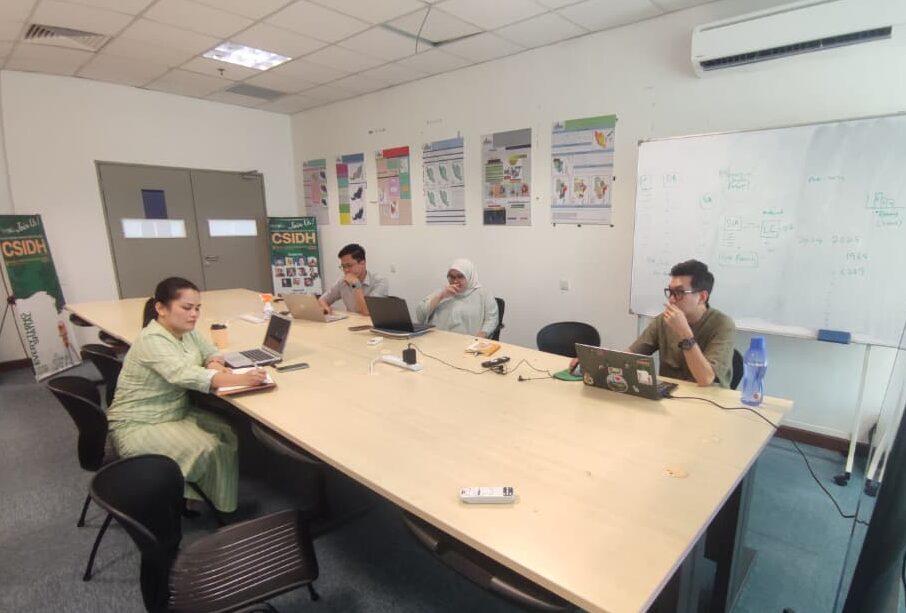
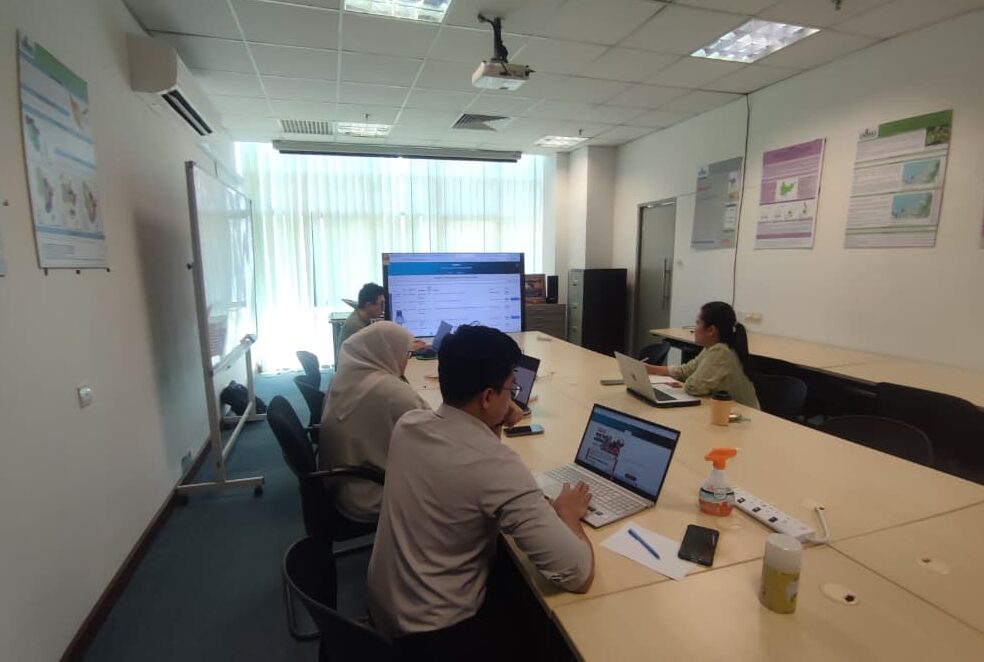
The continuous support and assistance from the Dean, the Deputy Dean’s Office, Faculty and programme members, as well as the former Faculty Internship Coordinator, were particularly meaningful. At the beginning of the appointment, the former Faculty Internship Coordinator provided useful background information and shared previous experiences to facilitate the transition. This initial guidance, together with the continued support of Faculty and programme members, helped ensure a smooth transition while enabling the new coordination team to navigate the responsibilities and processes of industrial training.
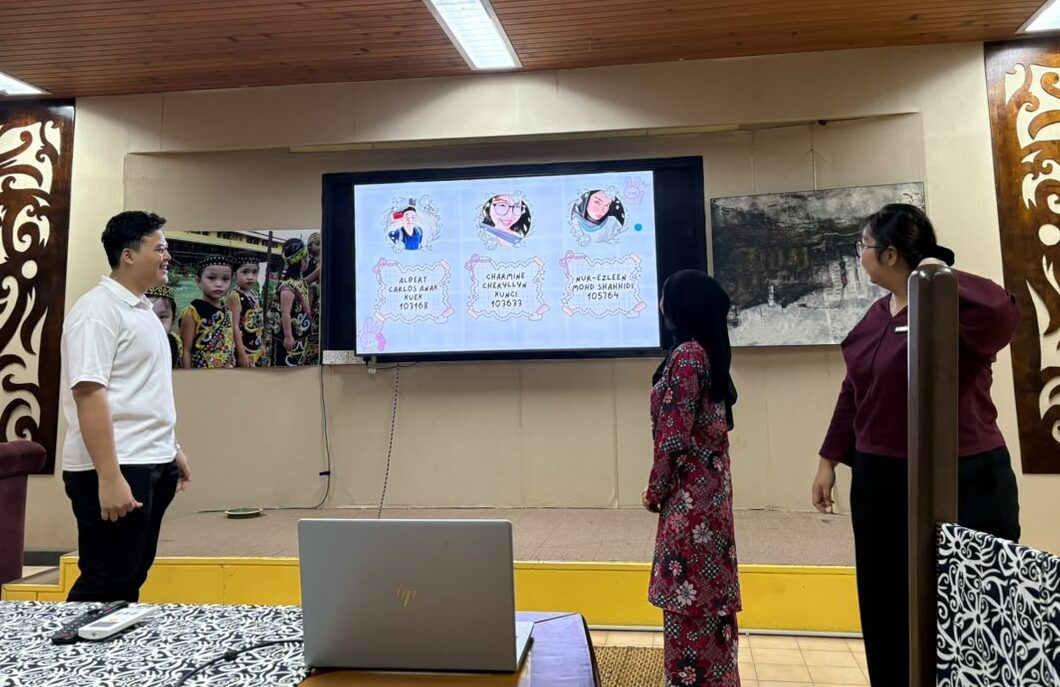
For students who were themselves stepping outside their comfort zones to enter real-world organisations and unfamiliar working environments, having coordinators who were also learning along the way created a shared journey of discovery. For some, industrial training may appear to be a routine university process. Yet, for those taking on the responsibility for the first time, it becomes a new learning experience, one that teaches us not only about the agencies and students we work with but also about our colleagues, our own Faculty and even the systems in place that support the entire process. In addition, technical issues and system-related challenges may affect the coordination and supervision process, particularly when timely access to information or system functions is required. These experiences highlight the importance of continuous improvement and effective coordination to ensure that the industrial training process remains as smooth and responsive as possible.
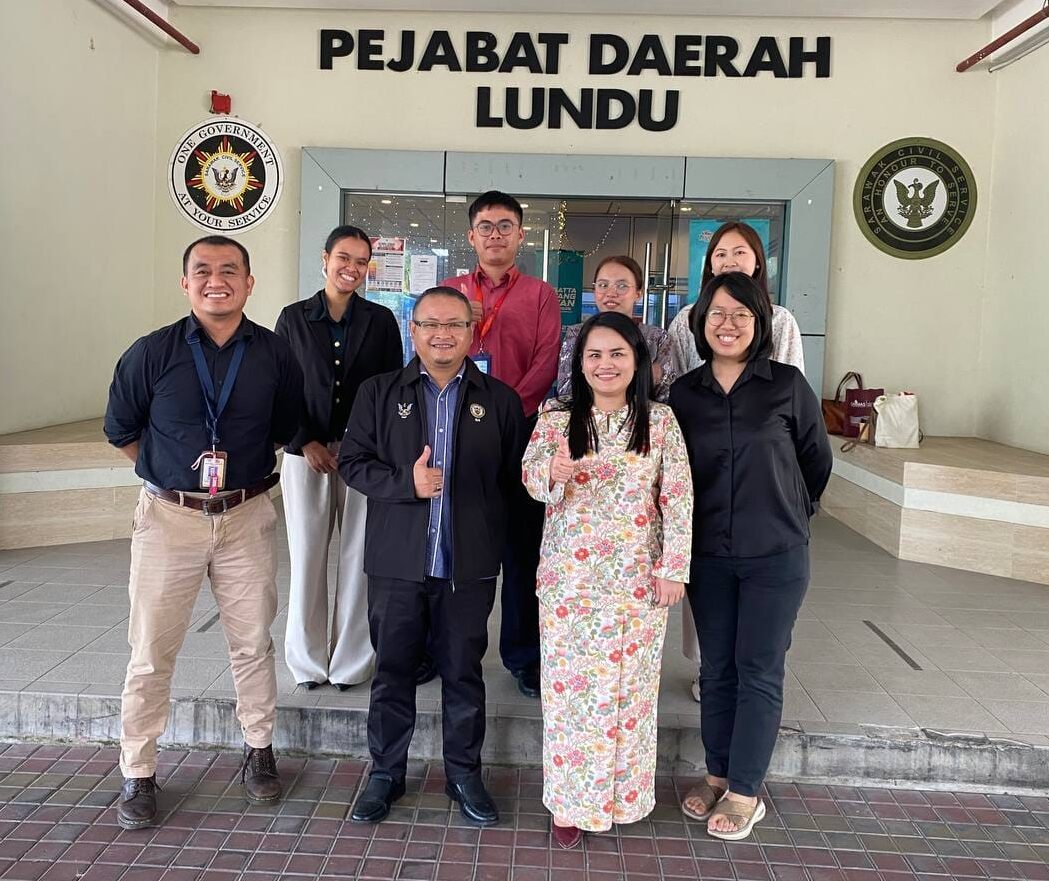
Therefore, this experience has reminded us that expertise does not come before experience. We are all beginners before we become experts in what we do. What matters is the willingness to learn, the courage to seek help, the humility to accept guidance and the generosity to help one another along the way. When people across programmes and levels come together with a shared sense of responsibility, even a challenging journey becomes a collective achievement. And perhaps that is the real lesson of industrial training: not simply preparing students to face the realities of the workplace, but reminding those of us who guide them that we, too, are continually learning, growing and striving to become better at what we do in order to provide better support and service.
FSSH – A Partner for Social Change