Universiti Malaysia Sarawak (UNIMAS) welcomed a delegation from Nottingham Trent University (NTU), United Kingdom, from 30 June to 1 July 2026 as part of its ongoing efforts to strengthen international collaboration in research, innovation, and academic development. The visit provided a platform for both institutions to exchange expertise, identify shared research interests, and establish strategic partnerships that address global challenges through interdisciplinary collaboration.
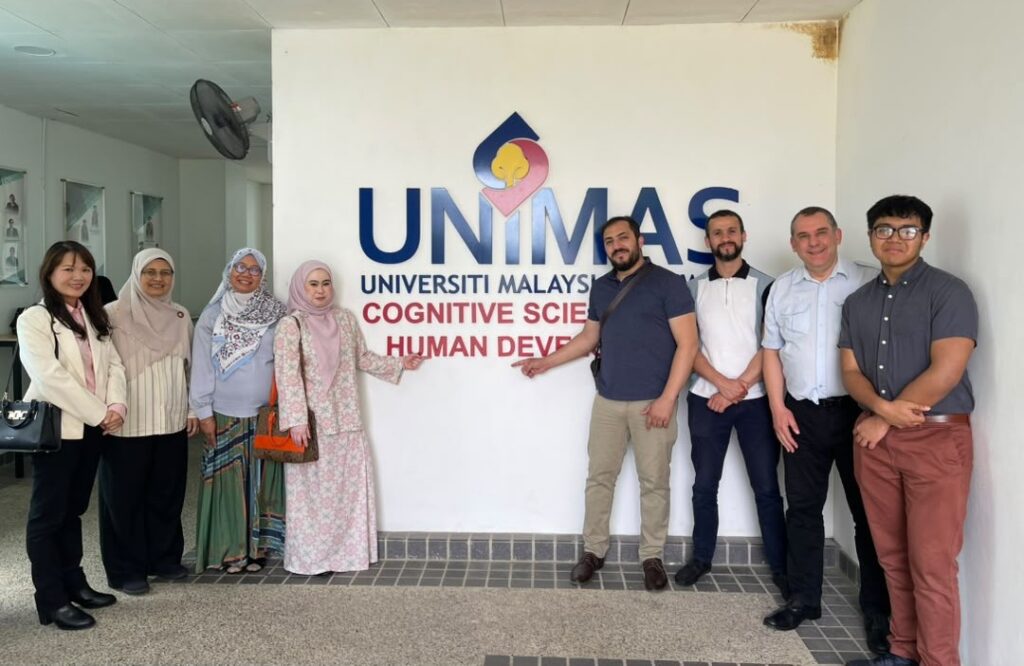
The delegation comprised Professor Benachir Medjdoub, Professor Moulay Larbi Chalal, Professor Nacer Bezai, and Dr Farah Shahrin, whose expertise spans sustainable heritage, digital systems, digital pedagogy, sustainability, education, and the built environment. The visit commenced with an engagement at the Sarawak Cultural Village, where the delegates gained insights into Sarawak’s cultural heritage and indigenous knowledge systems. The experience provided valuable context for understanding the University’s community-based research and its commitment to preserving local heritage while advancing sustainable development.
The official programme continued with a courtesy meeting with the University leadership, during which the Deputy Vice-Chancellor (Research and Innovation), Professor Ir Dr Siti Noor Linda Taib, reaffirmed UNIMAS’s commitment to building impactful international partnerships that contribute to research excellence and societal development.
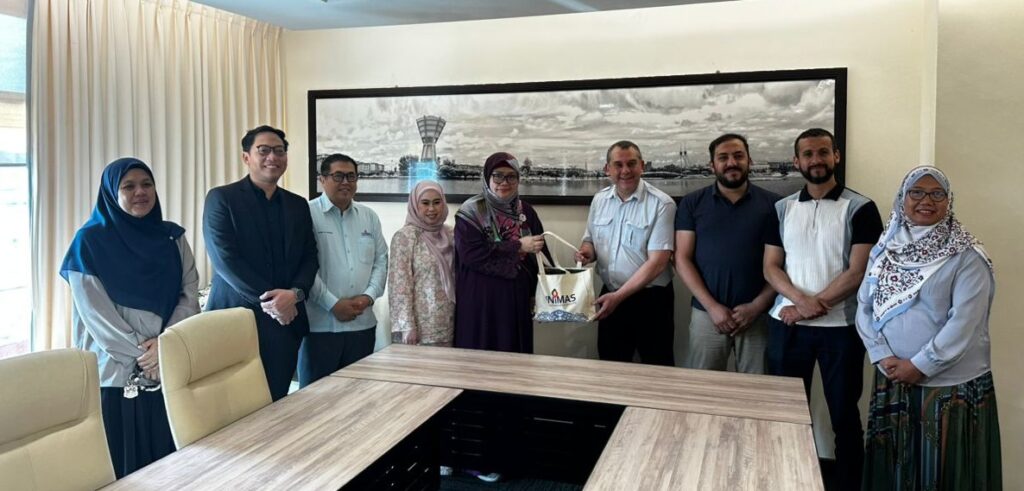
The research engagement was coordinated by the Dean of the Faculty of Cognitive Sciences and Human Development (FCSHD), Dr Hana Hamidi, and brought together academics from FCSHD, the Faculty of Built Environment (FBE), led by its Dean, Dr Atta Idrawani Zaini, and the Faculty of Applied and Creative Arts (FACA), led by its Dean, Dr Louis Ringah Kanyan. The participation of the three faculties reflected UNIMAS’s multidisciplinary approach to addressing complex societal, technological, and environmental challenges through collaborative research.
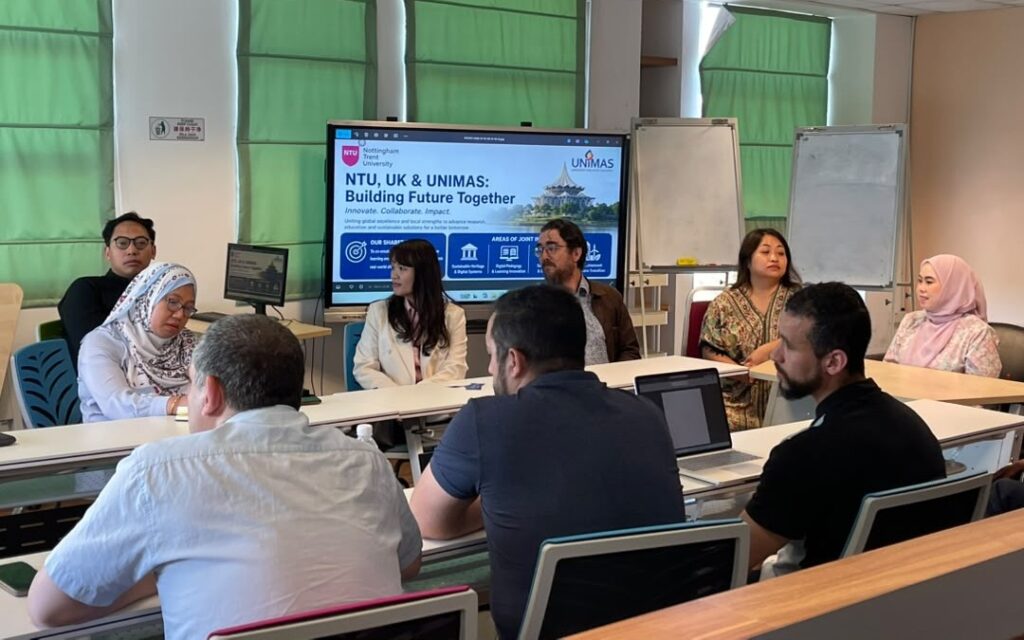
Throughout the discussions, researchers from both universities exchanged expertise across diverse fields, including digital learning, gamification, cognitive science, neuroscience, psychology, human development, sustainability, architecture, and creative innovation. These exchanges identified four strategic areas for future collaboration: Digital Heritage and Smart Community Solutions, which focuses on the application of immersive technologies such as augmented reality (AR), virtual reality (VR), and three-dimensional modelling to preserve and promote local cultural heritage while supporting smart community development; Artificial Intelligence and Gamification for Learning Innovation, which explores the integration of artificial intelligence (AI), digital tools, and gamification approaches to enhance learning experiences, increase student engagement, and improve educational outcomes; Well-being, Resilience and Human Development, which combines expertise in psychology, cognitive science, and human development to leverage data-informed approaches and research insights in strengthening individual wellbeing, social resilience, and inclusive communities; and Sustainable Built Environment and Net Zero Transition, which focuses on collaborative research in sustainable design, low-carbon solutions, energy efficiency, and approaches that contribute towards future-ready and environmentally responsible built environments. Together, these areas reflect the complementary strengths of both institutions in developing innovative and interdisciplinary solutions to contemporary challenges.
Beyond identifying research priorities, both universities explored opportunities for joint research publications, co-supervision of postgraduate students, academic exchanges, and the co-development of innovative digital tools. These initiatives are expected to strengthen long-term collaboration while creating new opportunities for knowledge exchange, research capacity building, and innovation.
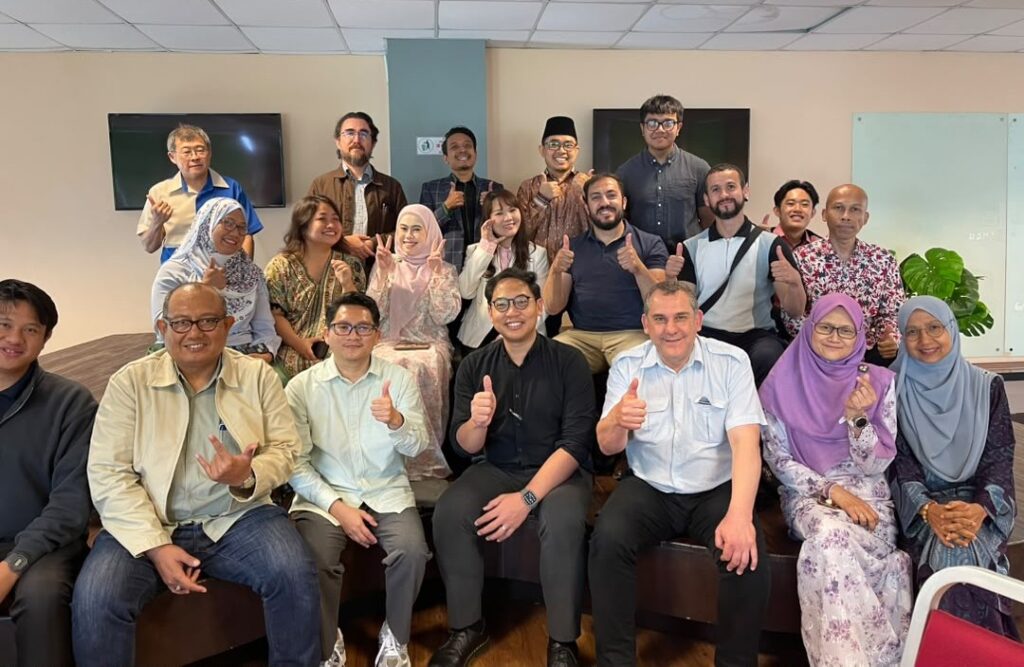
The visit marks an important milestone in UNIMAS’s internationalisation agenda and reinforces the University’s commitment to fostering strategic partnerships that generate meaningful research outcomes with regional and global relevance. By bringing together NTU’s expertise in digital innovation and sustainability with UNIMAS’s strengths in multidisciplinary, community-centred research, the collaboration establishes a strong foundation for future initiatives that advance sustainable development, strengthen international research networks, and deliver positive impact for communities in Malaysia and beyond.