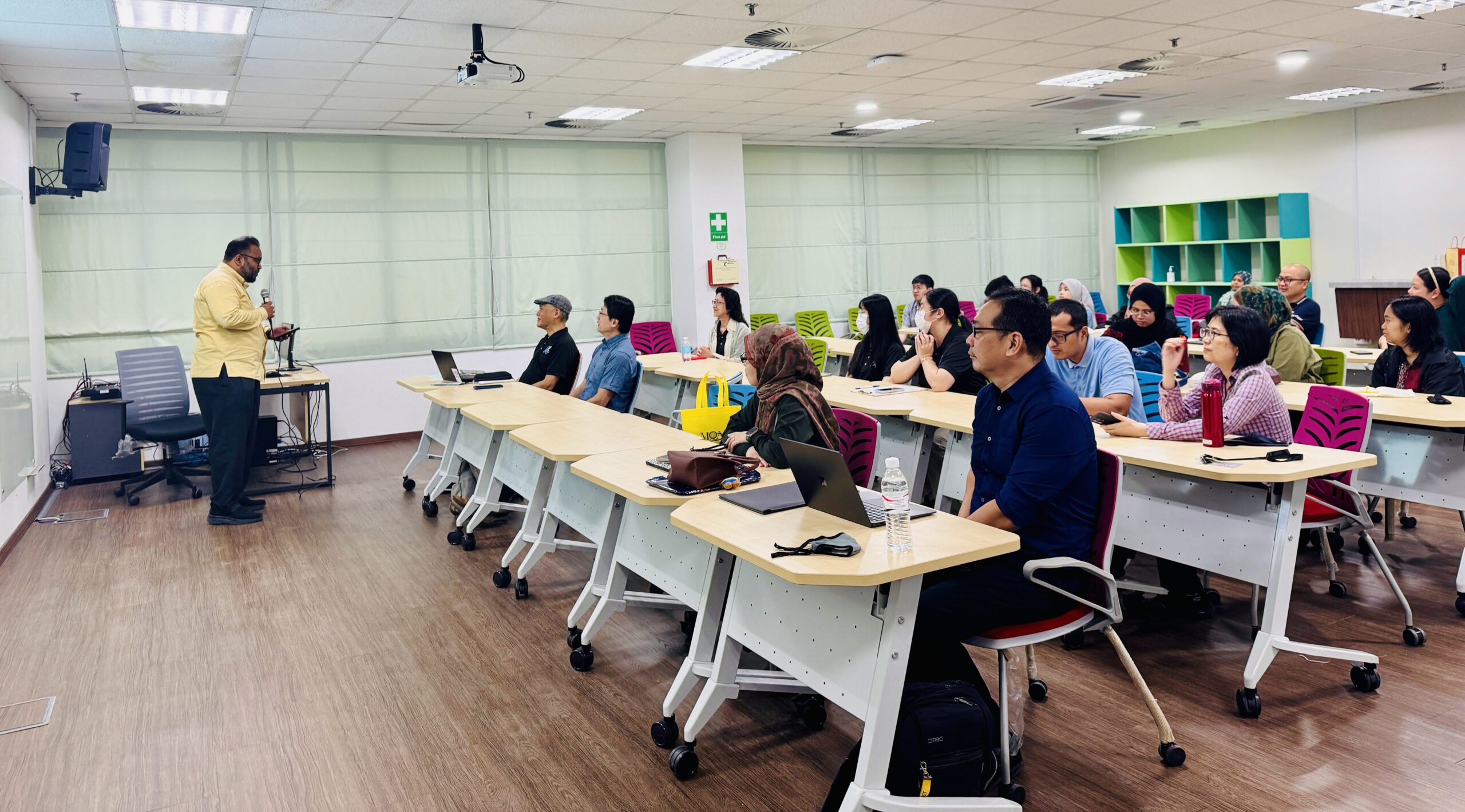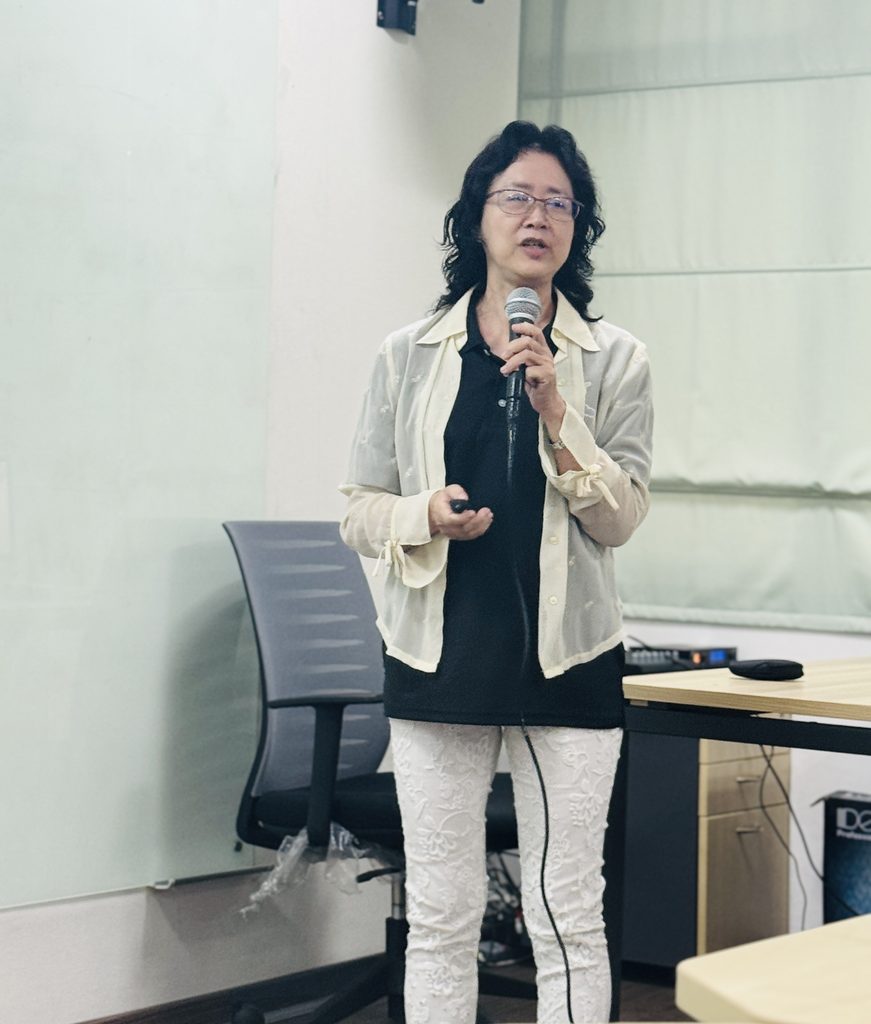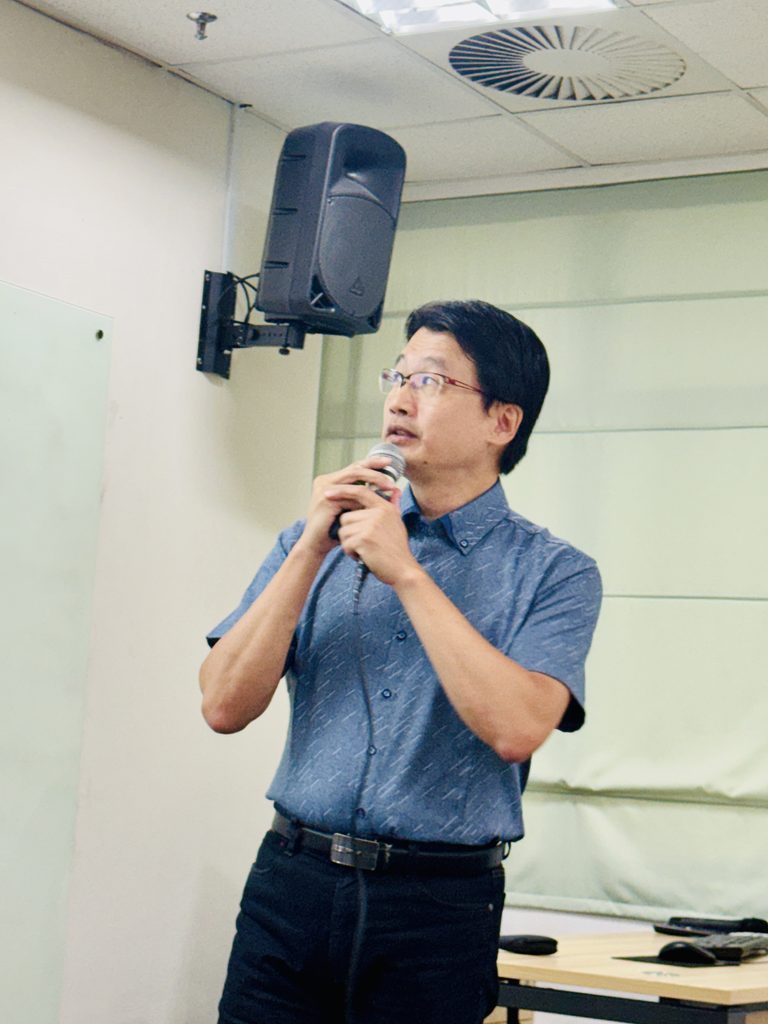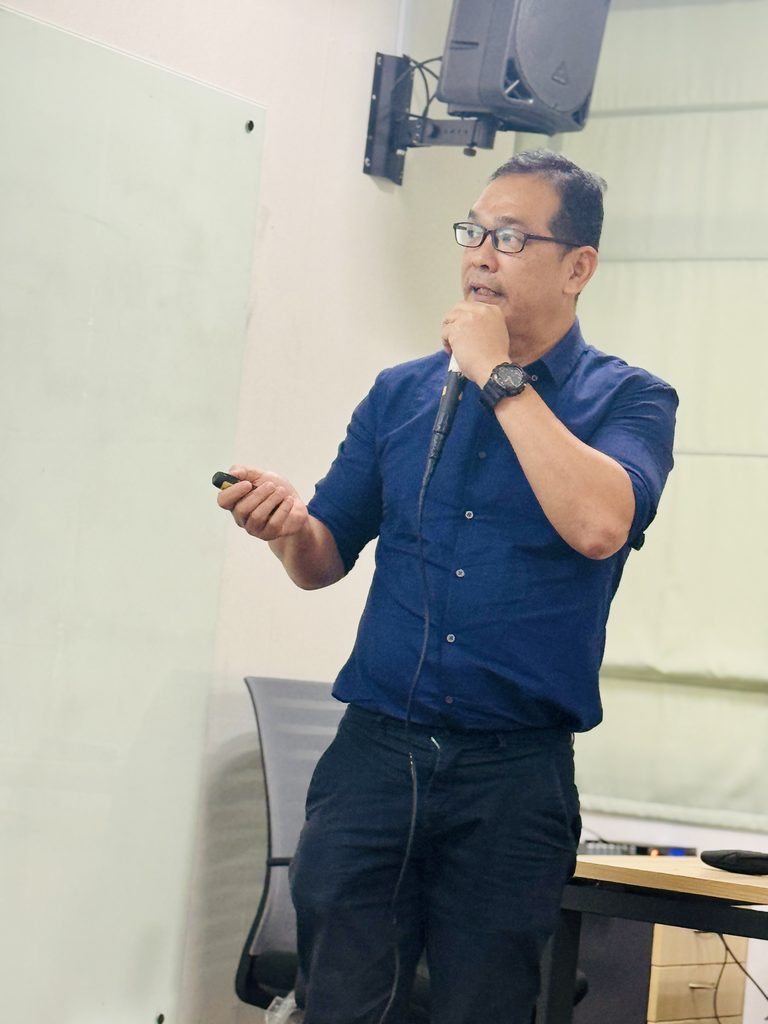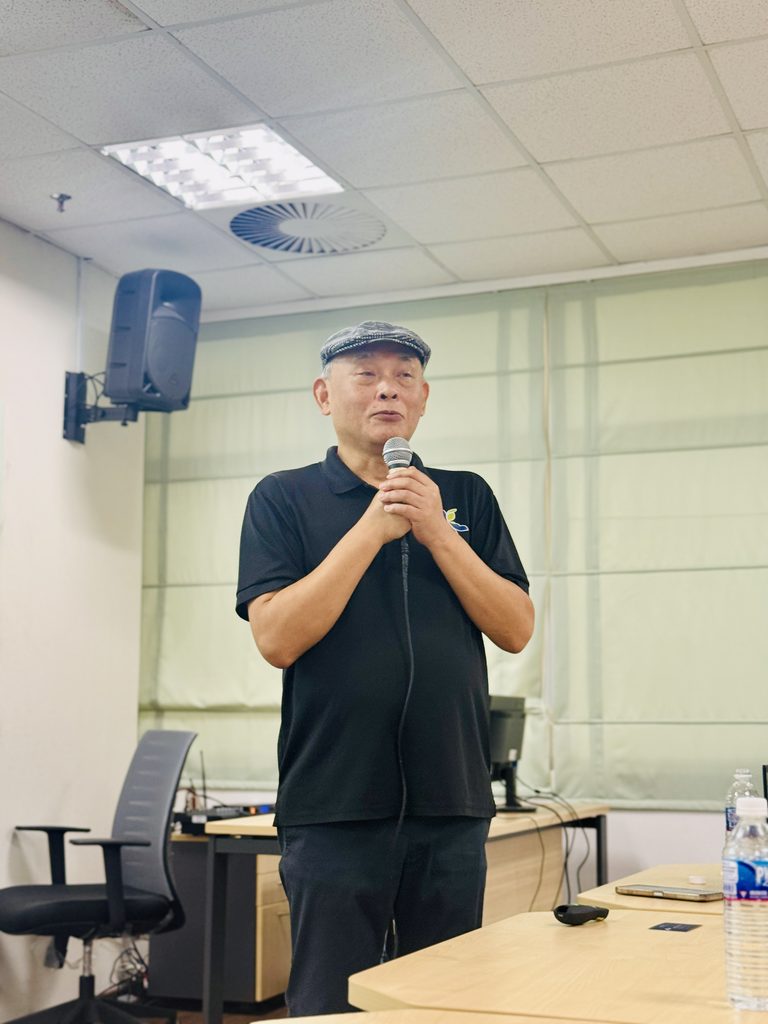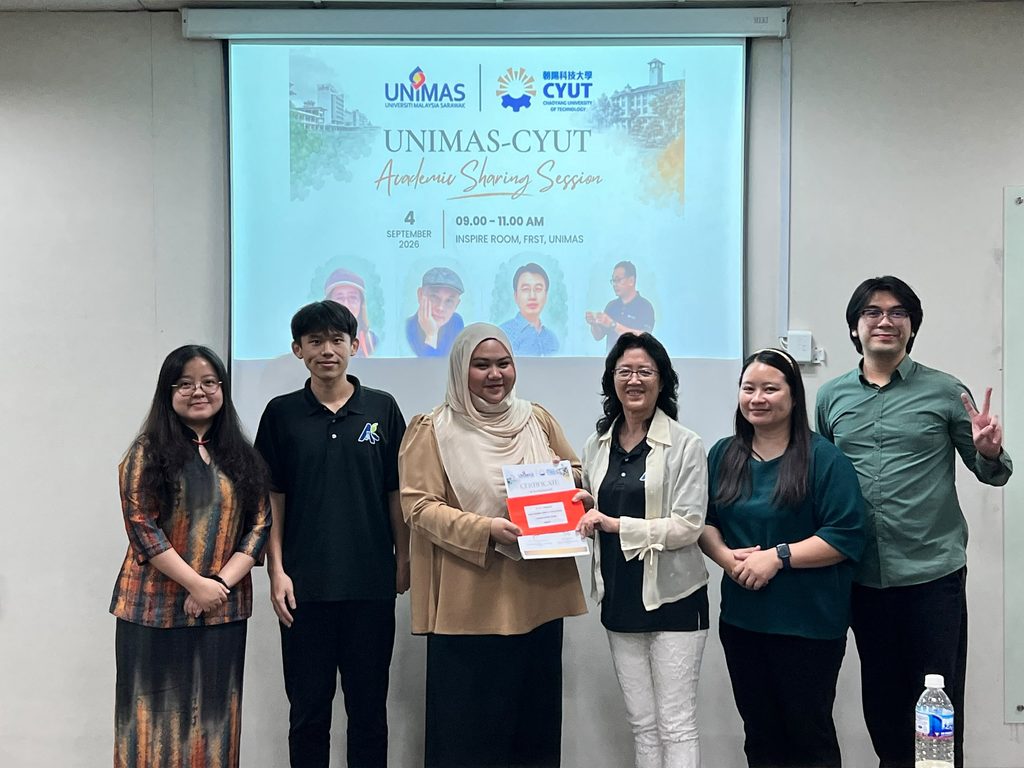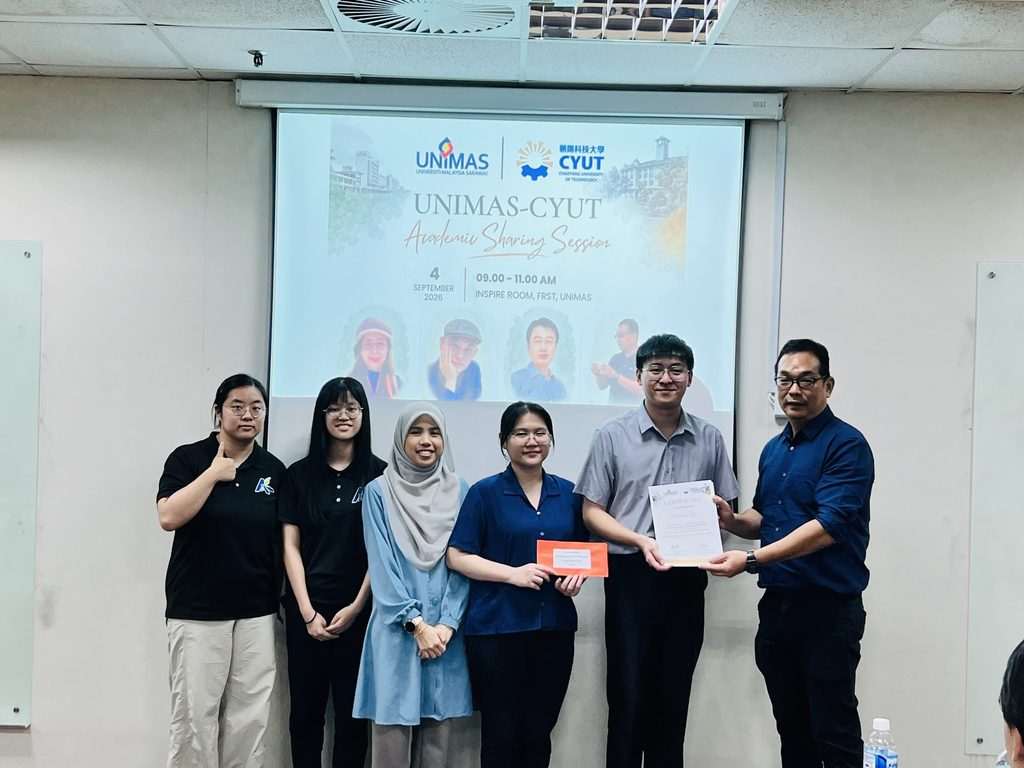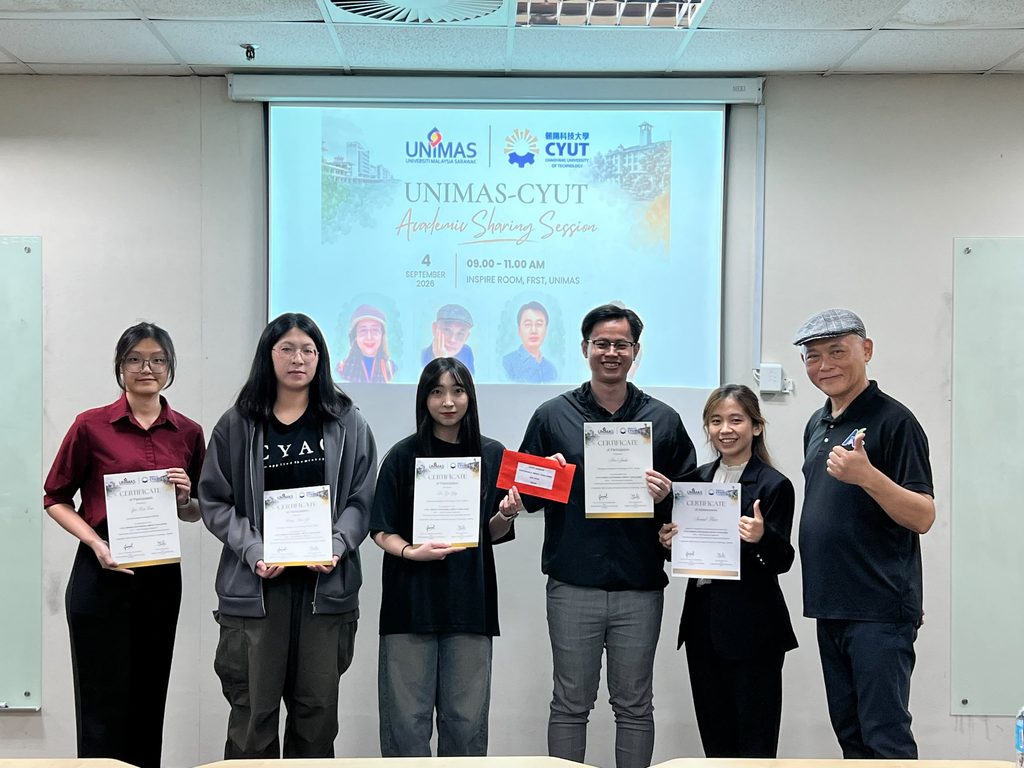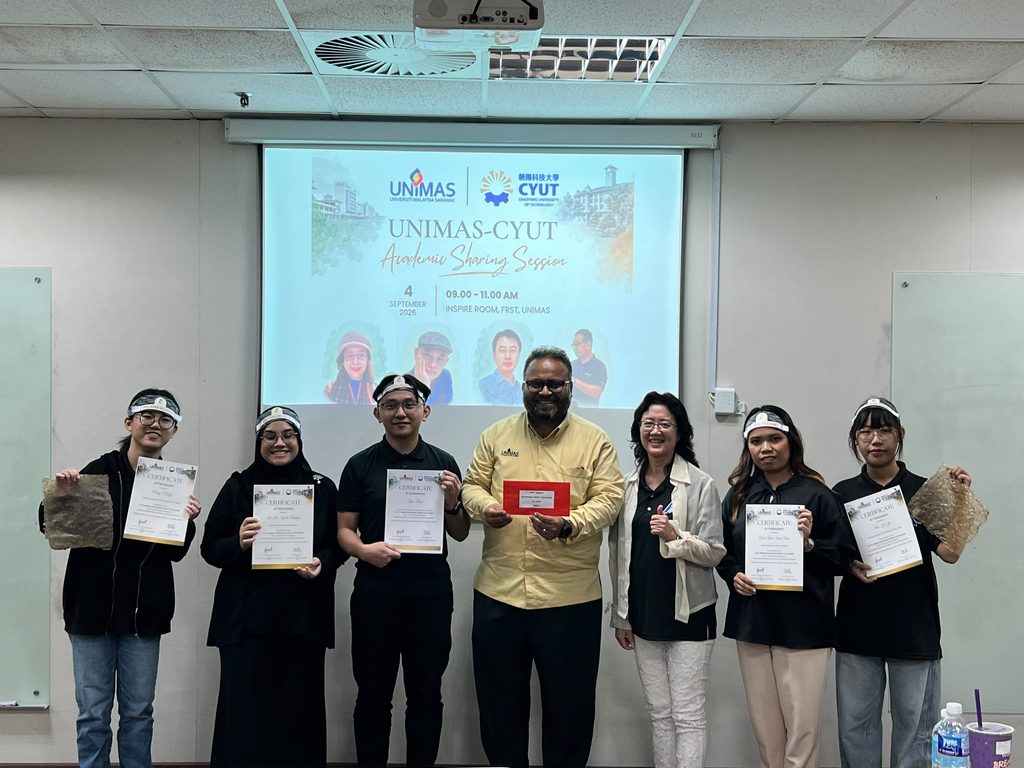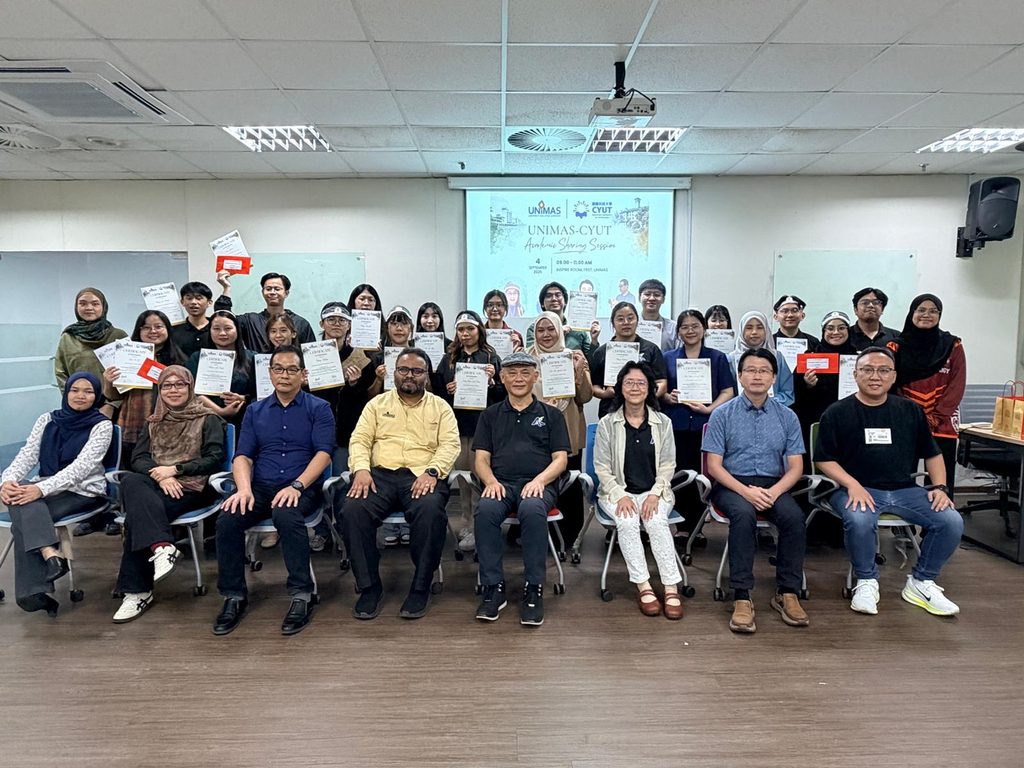
Kota Samarahan – On September 4, Faculty of Resource Science and Technology, UNIMAS welcomed scholars from Chaoyang University of Technology (CYUT), Taiwan, for the UNIMAS–CYUT Academic Sharing Session and Sustainable Impact Challenge, a gathering that reaffirmed the growing partnership between the two universities. Four researchers namely Distinguished Professor Shih Yen-Fong, Professor Chien Wei-Chun, Assistant Professor Tseng Jui-Chang, and UNIMAS’s own Professor Tay Meng Guan, shared their work on turning agricultural by-products into valuable resources, building community-based research networks, developing pest management solutions, and advancing sustainable bioenergy. Despite their different fields, all four speakers pointed to the same goal: using science to meet the real needs of farmers, the environment, and local communities.
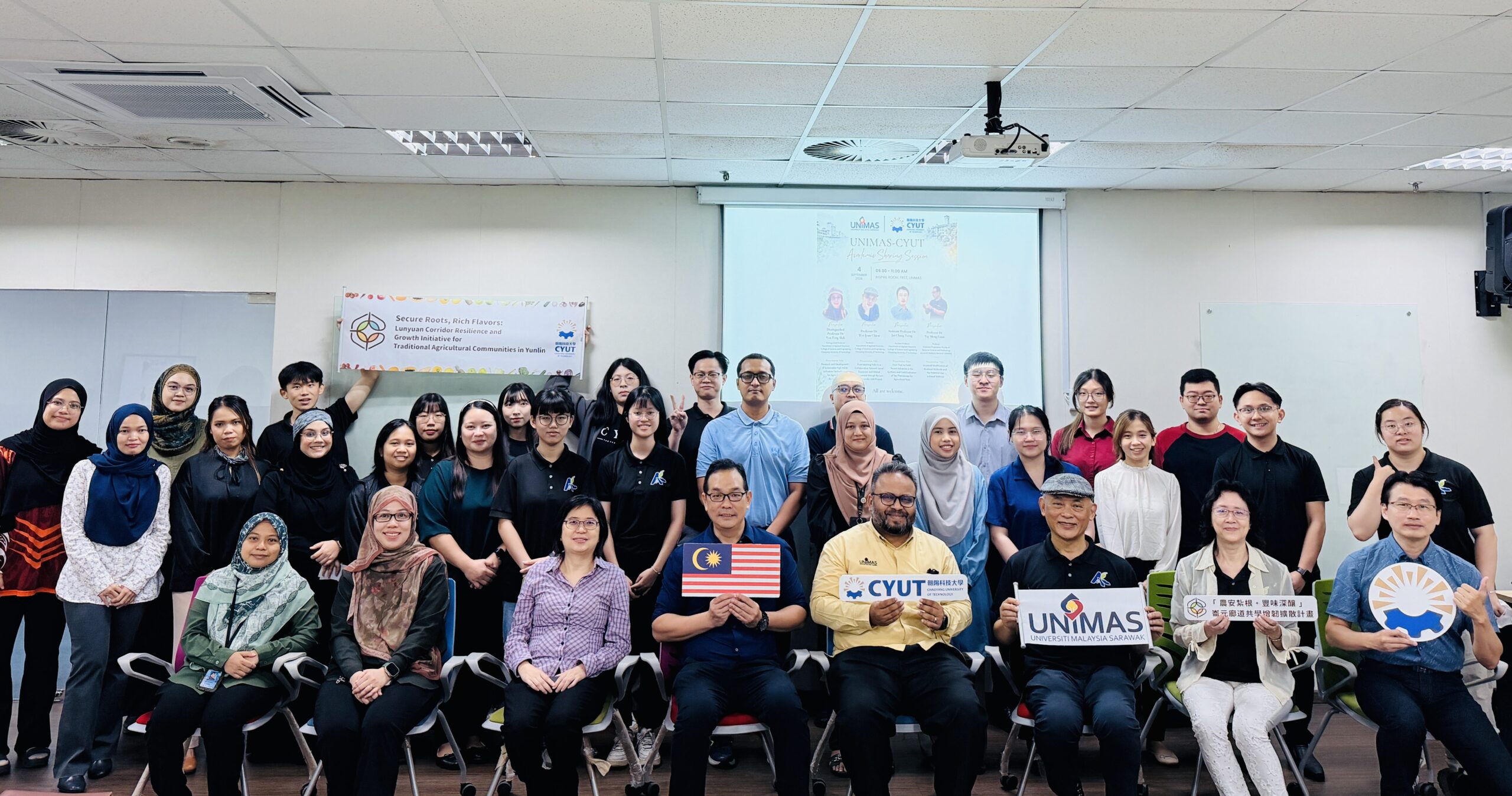
Dr. Nurashikin Suhaili, Deputy Dean of Postgraduate Studies at the Faculty of Resource Science and Technology (FRST), UNIMAS, said the exchange means far more than sharing research findings. It gives students from different backgrounds the chance to work through real-world problems together and build the kind of understanding that leads to lasting collaboration. She hopes the session will open doors to more student exchanges, postgraduate opportunities, and joint research between CYUT and UNIMAS in the years ahead. This collaboration is already taking shape, through the Taiwan Experience Education Program (TEEP), three postgraduate students from the Faculty of Resource Science and Technology (FRST) are currently undergoing a three-month academic internship at CYUT.
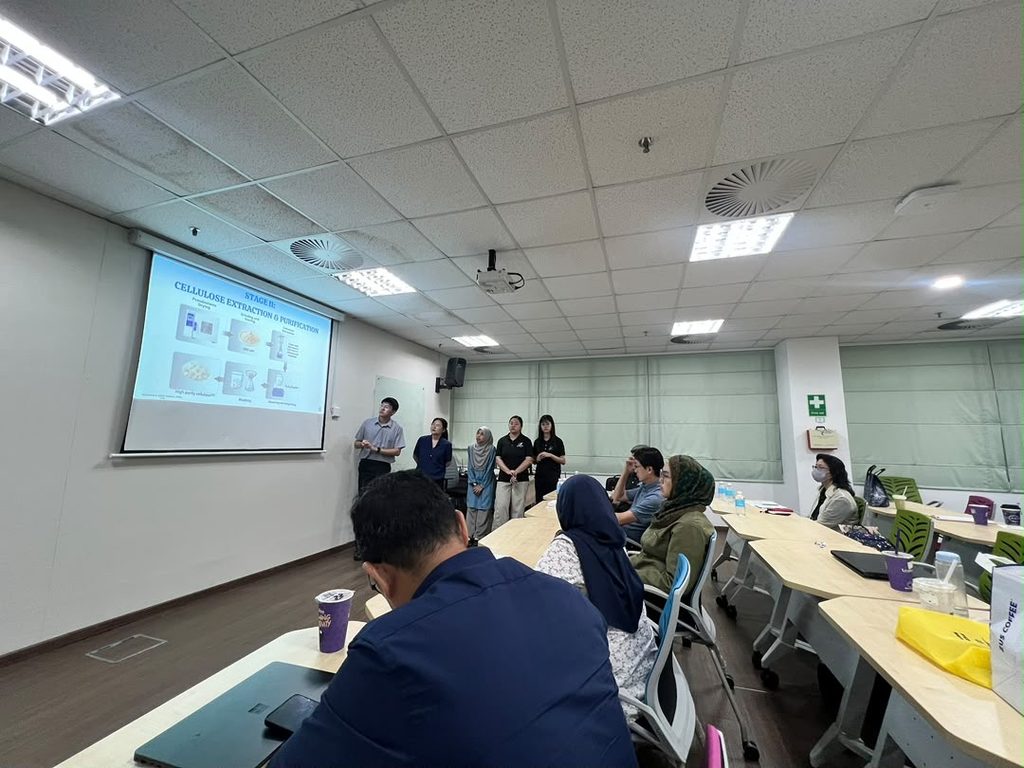
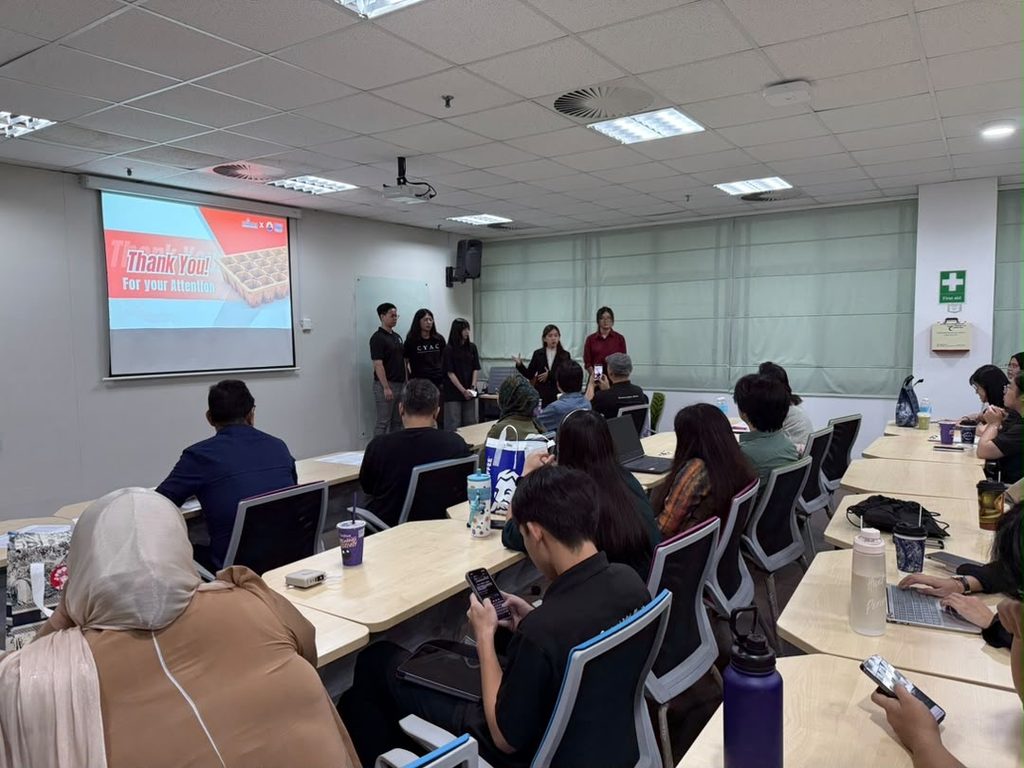
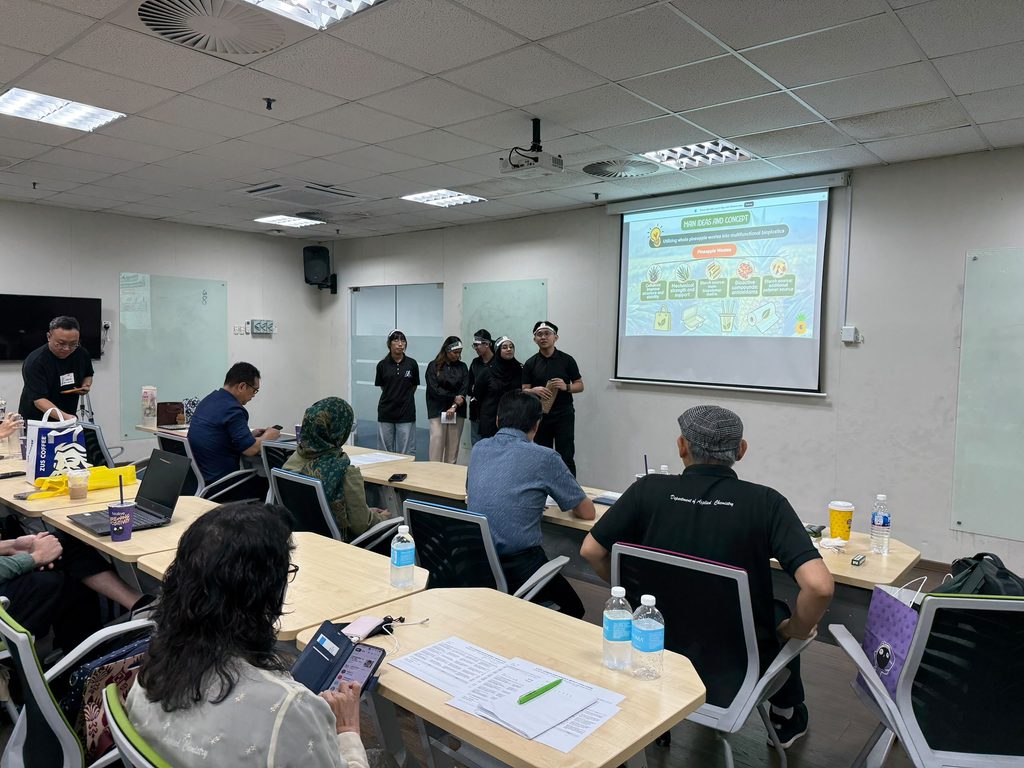
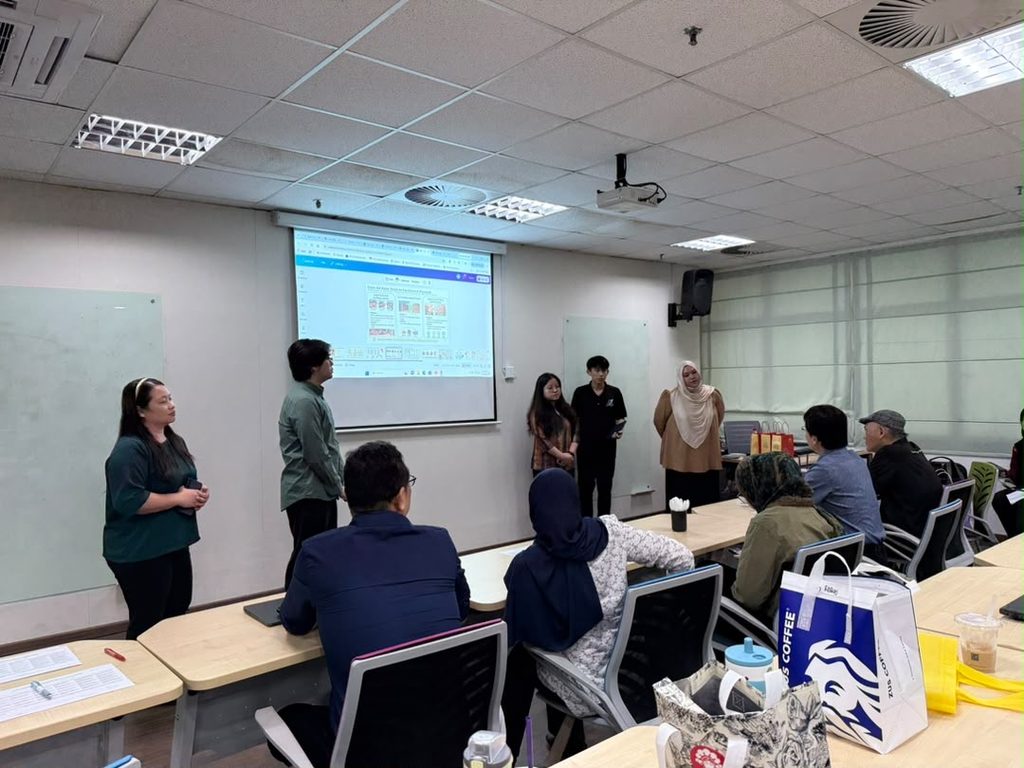
The partnership came to life that afternoon through the CYUT–UNIMAS Sustainable Impact Challenge, themed “Transforming Agricultural By-products into Value-added Solutions.” Mixed teams of CYUT and FRST students, who had already been collaborating online for weeks, worked on turning everyday farm waste which are rice husks, pineapple by-products, oil palm trunks, and banana waste into practical, value-added ideas. Rather than chasing a winning pitch, teams were asked to identify a real problem and explain how their solution could work socially, economically, and environmentally in both countries.
Combining Activity/Challenge-Based Learning (ACBL) with University Social Responsibility (USR), the challenge gave students a two-way learning experience: CYUT students gained fresh insight into Sarawak’s oil palm industry and tropical agriculture, while UNIMAS students learned from Taiwan’s strengths in precision farming and community-driven sustainability projects.
Together, the sharing session and the student challenge reflect a university partnership that is steadily deepening — one that turns academic dialogue into hands-on collaboration, and short-term exchange into long-term friendship between UNIMAS and CYUT. In addition, this collaboration also directly contributes to SDG 11: Sustainable Cities and Communities, and SDG 12: Responsible Consumption and Production, while strengthening and extending collaborative networks between academia, industry, and the community.