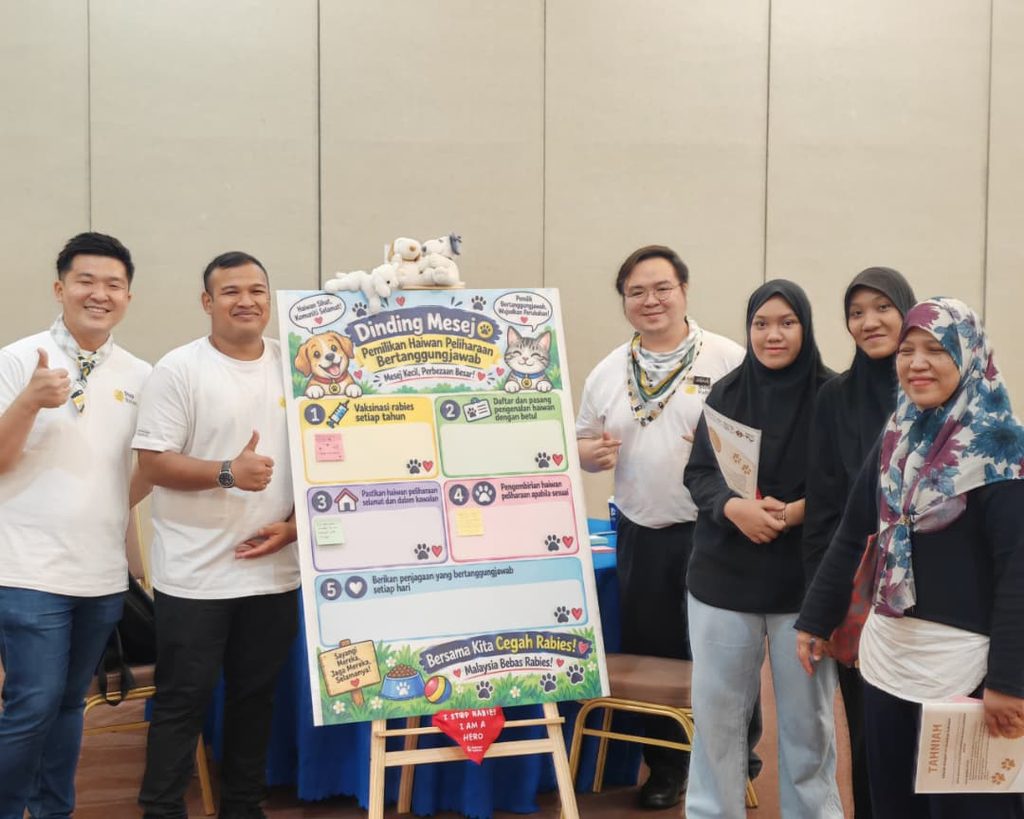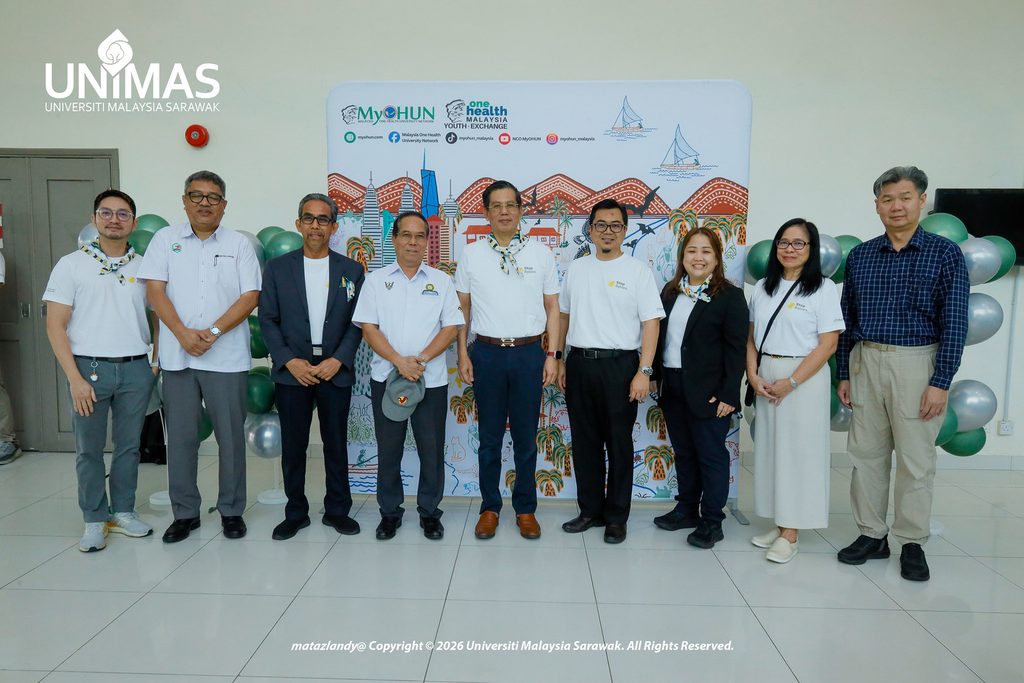
KOTA SAMARAHAN, 22 August 2026 — Deputy Premier Datuk Amar Prof. Dr. Sim Kui Hian called for greater public awareness and community participation in preventing rabies during the Stop Rabies Carnival held at Universiti Malaysia Sarawak (UNIMAS) here today.
His message was delivered by Dato Wee Hong Seng, Mayor of the Council of Kuching City South (MBKS), who represented the Deputy Premier at the event.
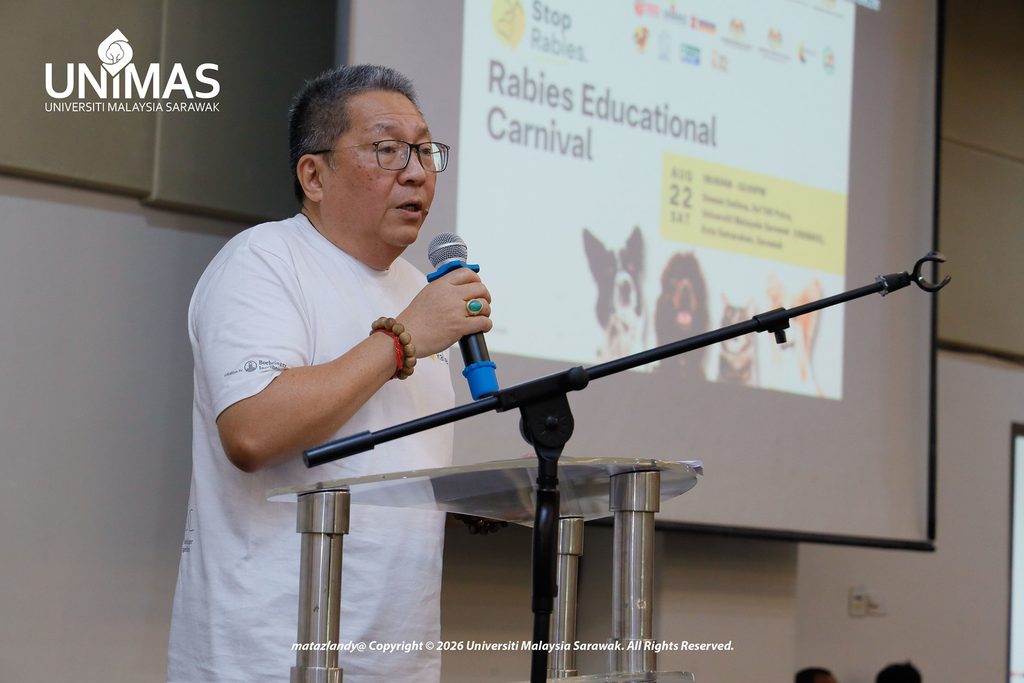
Datuk Amar Prof. Dr. Sim said 23 dogs and three cats had been confirmed positive for rabies so far this year, while a total of 94 human rabies cases and 87 deaths had been recorded in Sarawak since July 2017.
The figures, he said, highlighted the importance of strengthening public awareness and encouraging early preventive action to protect individuals, families, and communities from the deadly but preventable disease.
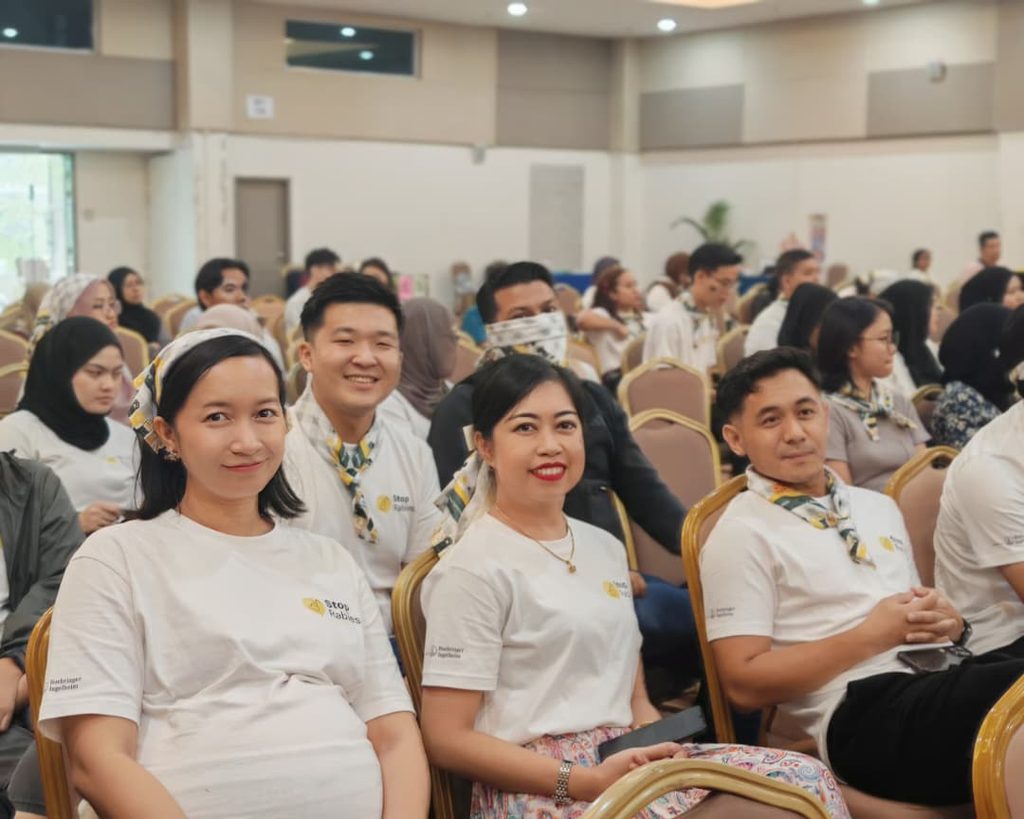
The Stop Rabies Carnival brought together schoolchildren and parents through a range of educational and interactive activities, including health pitching by schools, a pledge to act against rabies by children and families, a musical stage performance on rabies prevention, talks, exhibitions, games, demonstrations, quizzes, and hands-on learning sessions.
The programme was designed to make rabies prevention messages more accessible and memorable, particularly for primary and secondary schoolchildren, while encouraging parents and family members to take an active role in reinforcing safe practices at home.
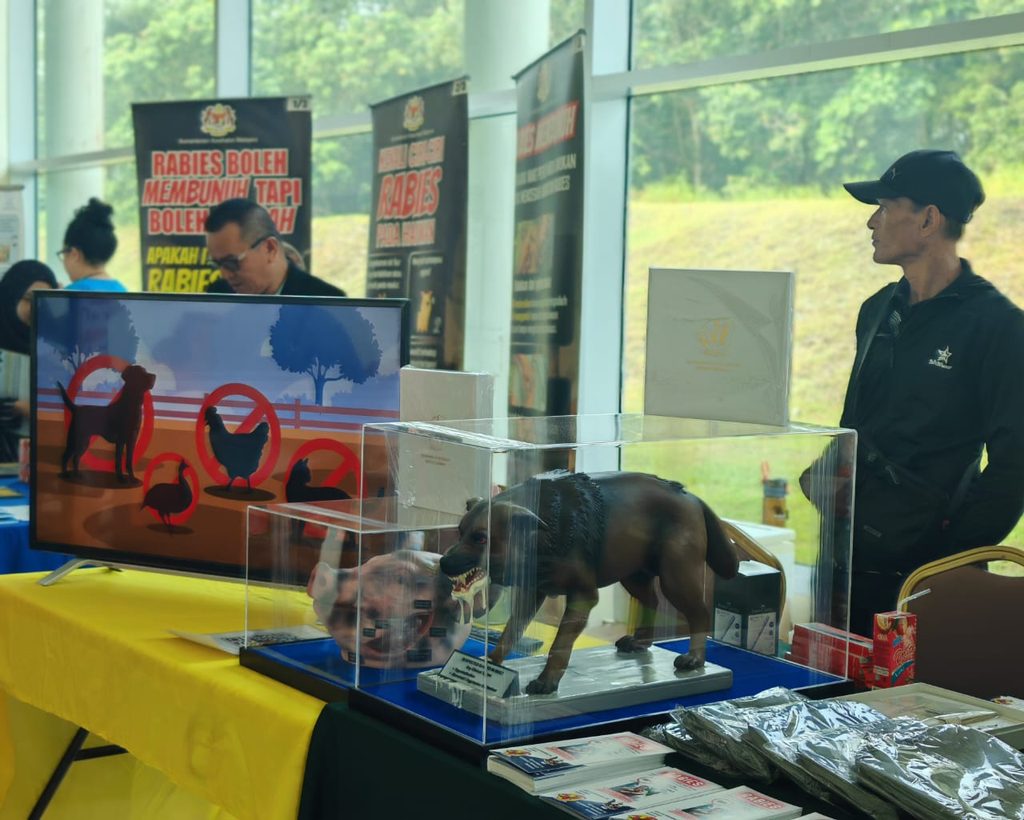
The rabies education component was developed by Master in Public Health (MPH) Cohort 16 candidates from UNIMAS, led by Dr. Caroline Jhayssy Manja, with Dr. Rosalia Saimon serving as advisor. The modules were designed specifically for schoolchildren and their families, translating public health concepts into practical, child-friendly activities that could be easily understood and applied in everyday situations. The modules centred on five core public health messages.
The first message emphasised that rabies is fatal but preventable, and that no bite or scratch from a potentially infected animal should be ignored, even if the wound appears minor.
Participants were also taught the correct immediate response following possible exposure. They were advised to wash the wound thoroughly with soap and running water for at least 15 minutes, seek medical attention immediately, and complete post-exposure prophylaxis (PEP) as advised by healthcare professionals.
The third message focused on responsible pet ownership, including ensuring pets receive annual rabies vaccinations, obtaining the necessary licences, and preventing animals from roaming freely.
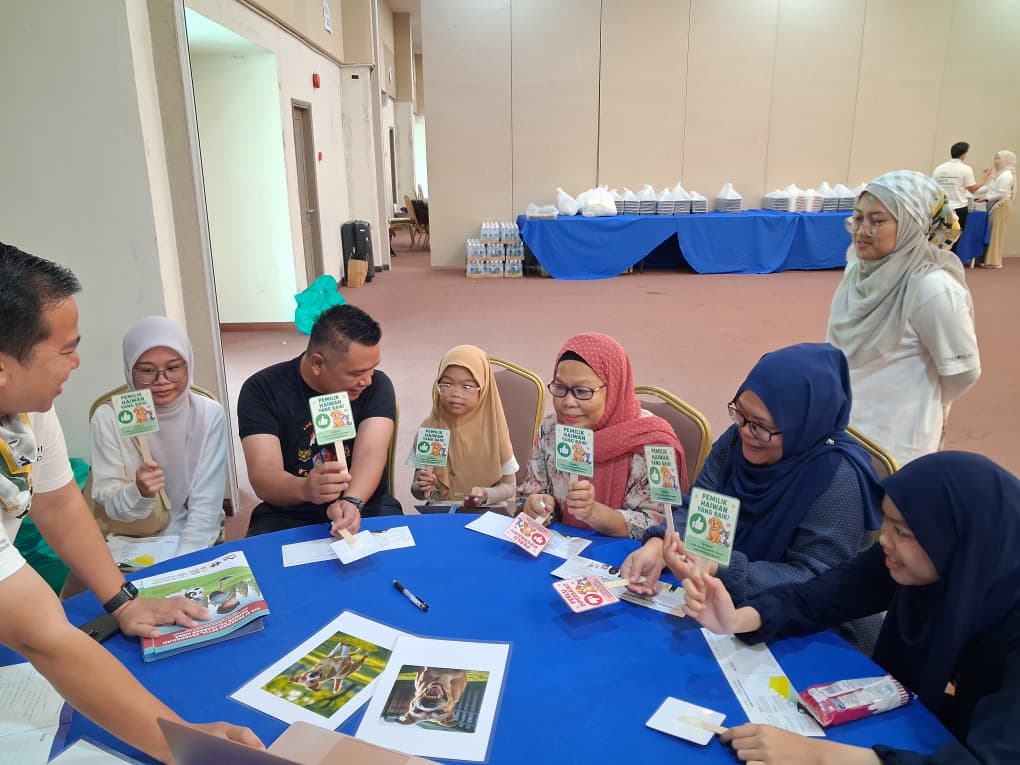
Children were also taught how to behave safely around animals, particularly street dogs and cats, as avoiding unnecessary contact can help reduce the risk of bites and scratches.
The fifth message highlighted proper waste management as an important public health measure, as unmanaged waste can contribute to the presence of stray and free-roaming animals in residential and public areas.
The carnival also attracted strong participation from families, with children actively engaging in the various activities and demonstrations. One young participant stated “it’s super fun”, reflecting the carnivalʼs approach of combining education with enjoyable activities to make important health messages easier for children to remember.
Another participant highlighted the importance of responsible pet ownership, saying, “Pet vaccination is important,” reinforcing the message that regular vaccination is a key measure in preventing rabies transmission.
The programme reflected the One Health approach, recognising that rabies prevention requires close cooperation between human health, animal health, environmental health authorities, educational institutions, and the wider community.
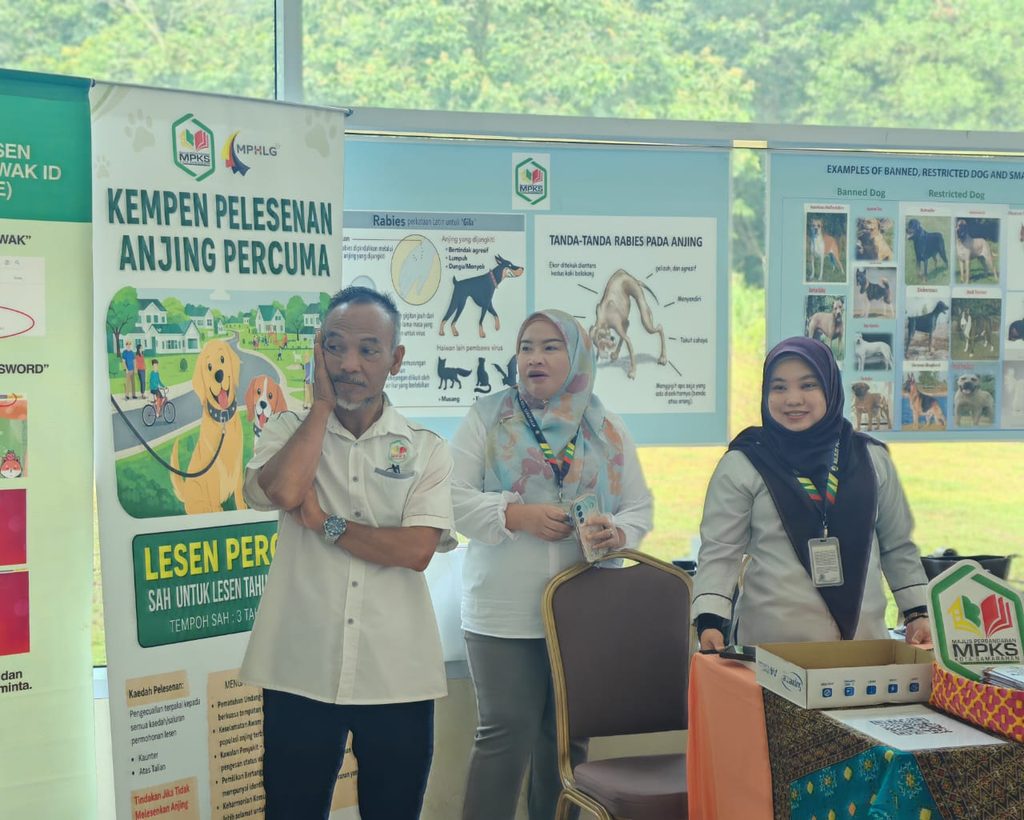
The carnival was organised with the support of Boehringer Ingelheim, Rhone Ma and the Malaysia One Health University Network (MyOHUN), in collaboration with Universiti Putra Malaysia (UPM), Universiti Malaysia Sarawak (UNIMAS), Universiti Malaysia Kelantan (UMK), the Sarawak Education Department, Sarawak Health Department, Ministry of Public Health and Local Governments (MPHLG), Majlis Perbandaran Kota Samarahan (MPKS), Department of Veterinary Services Sarawak (DVSS), and the Sarawak Society for the Prevention of Cruelty to Animals (SSPCA).
Through the One Health collaboration, the Stop Rabies Carnival provided a platform for stakeholders to work together in promoting responsible pet ownership, safe behaviour around animals, and appropriate action following potential rabies exposure.
The organisers hoped that the messages delivered during the carnival would extend beyond the event, with participating children sharing what they had learned with their parents, siblings, friends, and communities.
The initiative also demonstrated the important role of universities in supporting public health education and translating academic knowledge into practical community-based programmes.