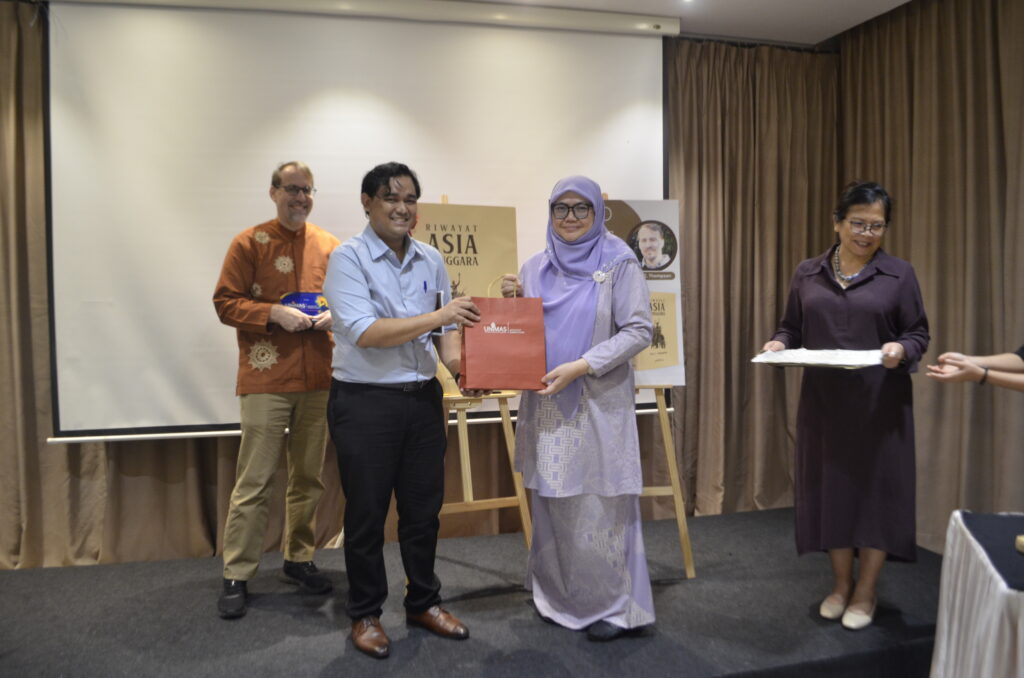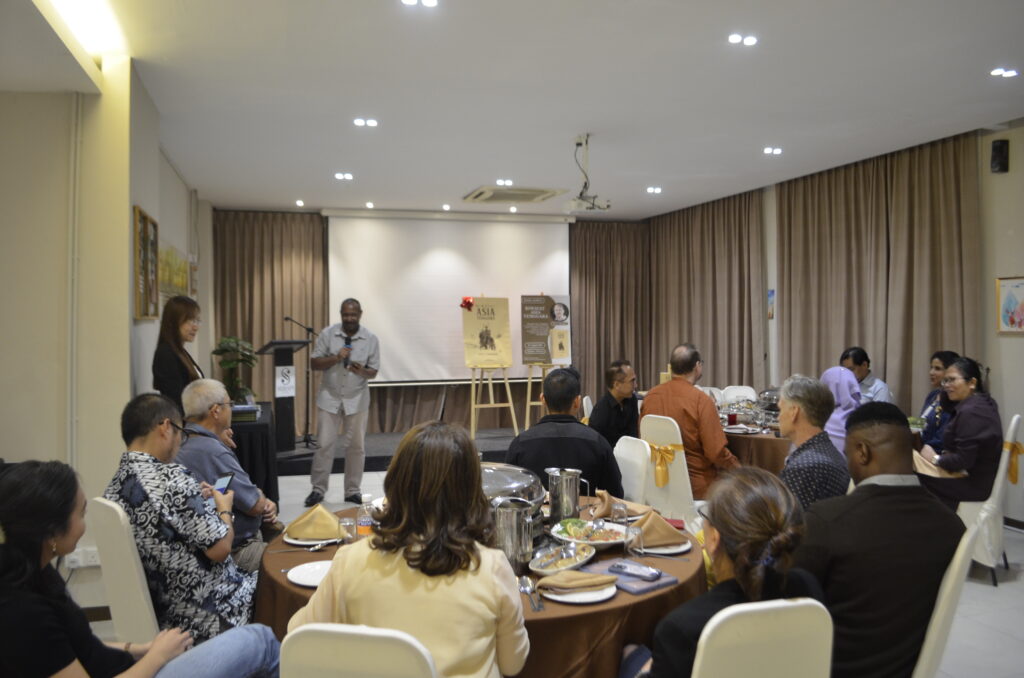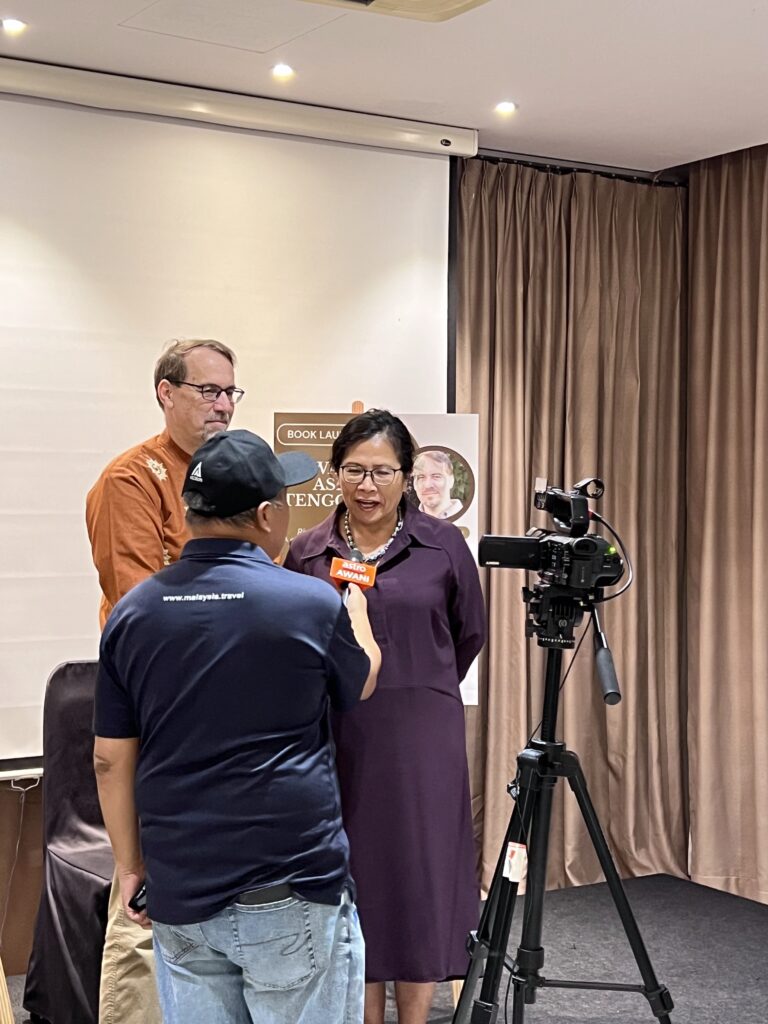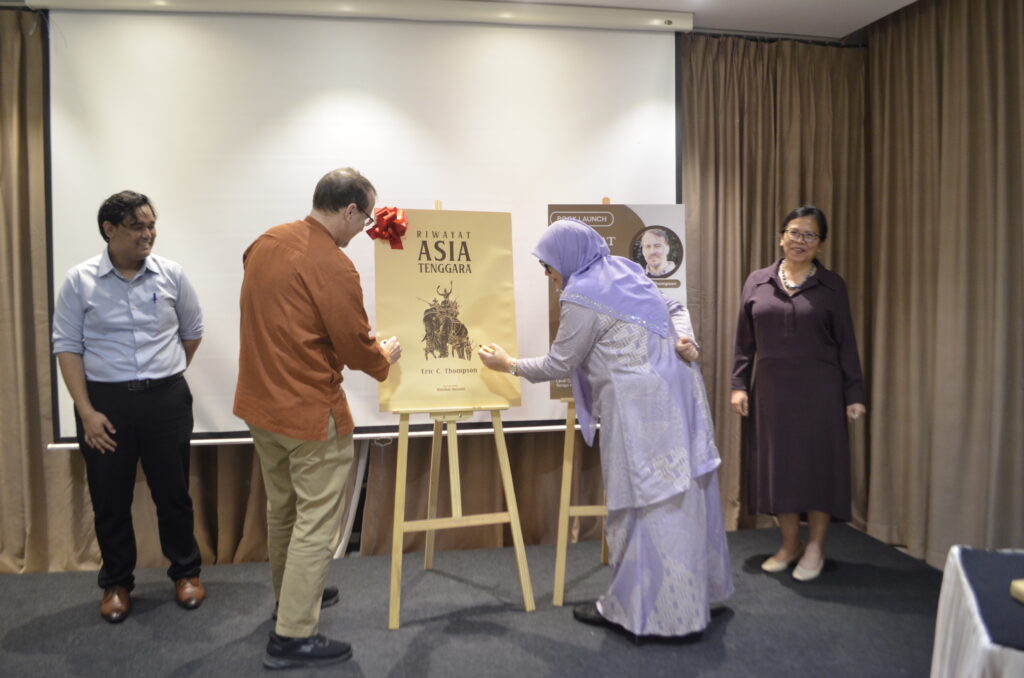
KUCHING, 18 August 2026 — The Institute of Borneo Studies (IBS), Universiti Malaysia Sarawak (UNIMAS), hosted the launch of Riwayat Asia Tenggara by Associate Professor Dr Eric C. Thompson at Serapi Hall 2, Serapi Hotel, Kuching. Held as the evening highlight of the three-day workshop Transforming Research Output into Scholarly Publications, the event brought academic scholarship into the public sphere through an engaging conversation on Southeast Asia’s history, cultures and shared regional identity.
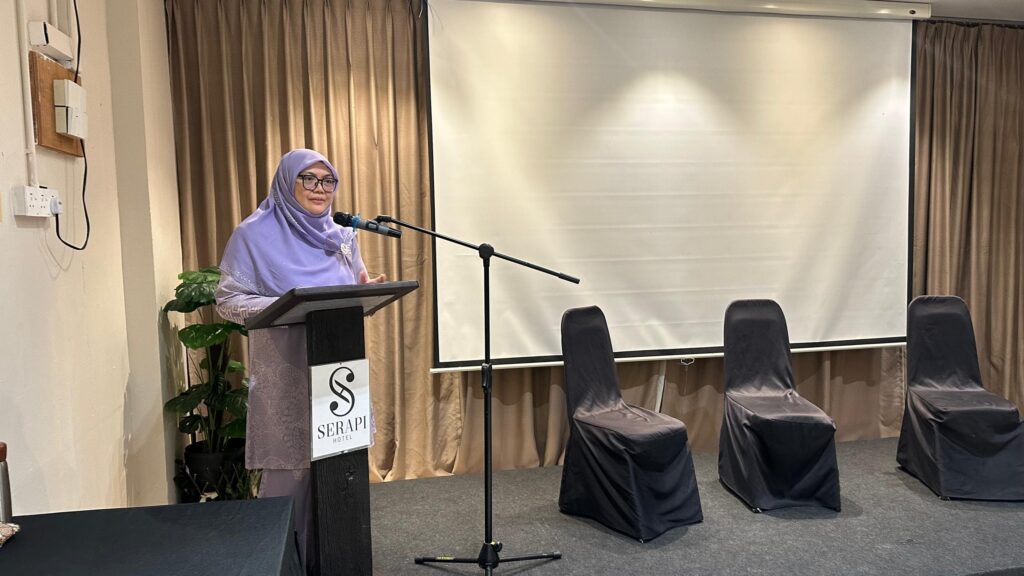
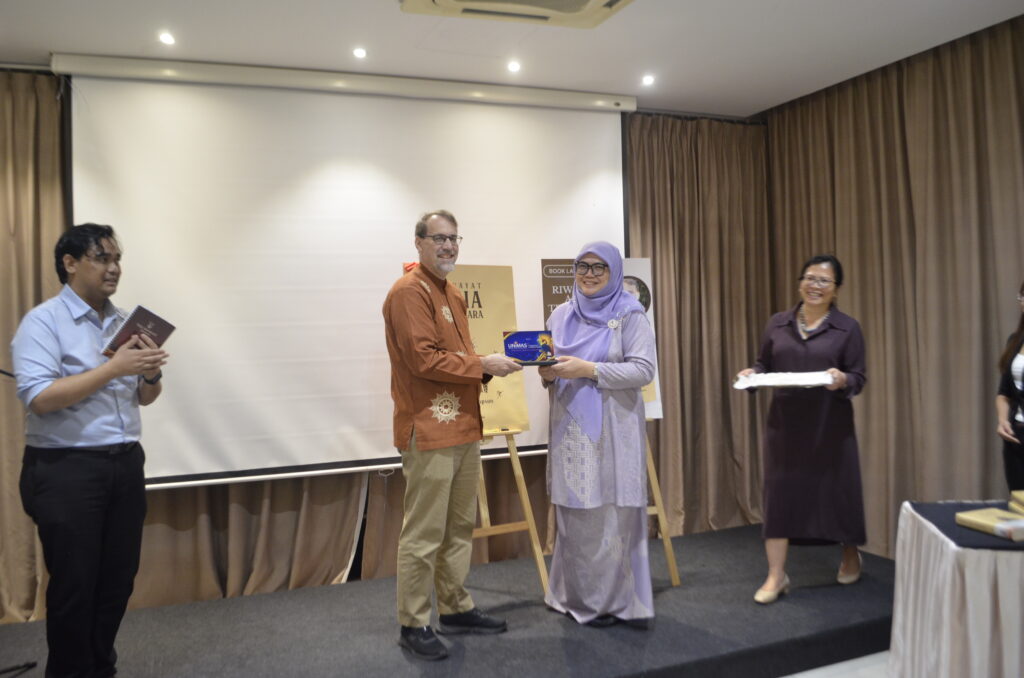
Professor Ir. Dr Siti Noor Linda Taib, Deputy Vice-Chancellor (Research and Innovation) of UNIMAS, delivered the keynote address for the book launch. Her presence marked the significance of the occasion and reflected the University’s support for scholarly publication, knowledge translation and greater public engagement with research on Southeast Asia.
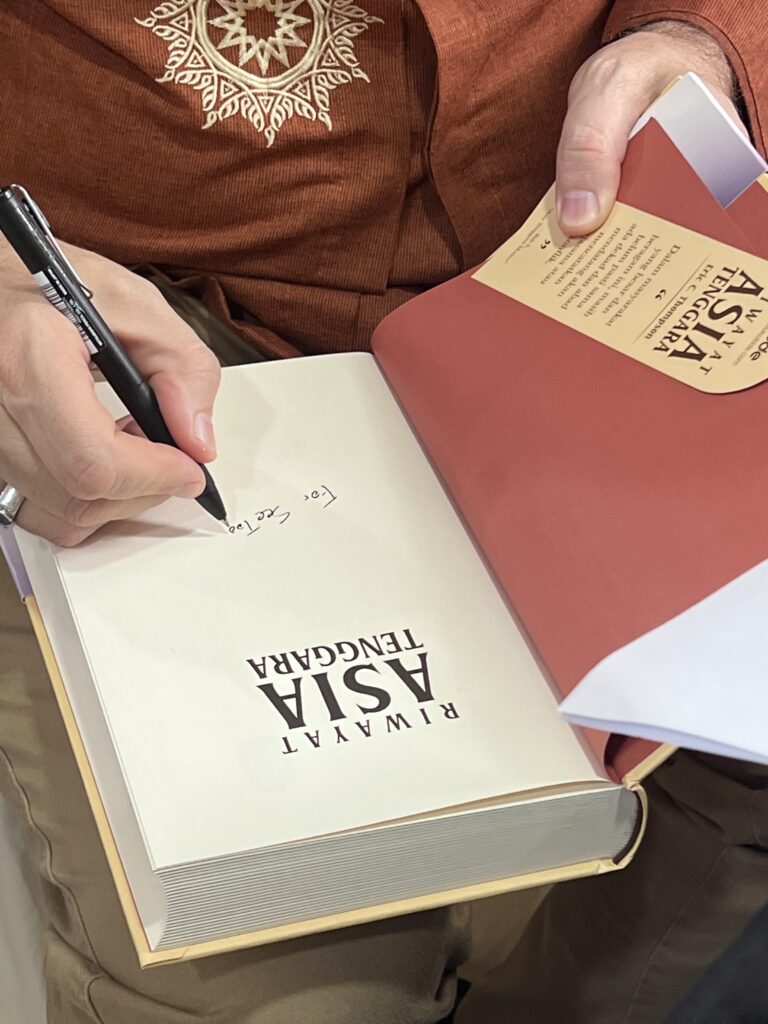
Thompson’s The Story of Southeast Asia was originally published by NUS Press in 2024. It was subsequently translated into Malay by Abdullah Hussaini and published by IBDE in 2026 under the title Riwayat Asia Tenggara. This 400-page edition makes Thompson’s comprehensive account of Southeast Asian history accessible to a wider Malay-speaking audience, including students, educators, researchers and general readers.
The story presented in the book is not one dominated by a single empire, political centre or colonial power. Instead, Thompson portrays Southeast Asia as a dynamic crossroads shaped over centuries by intricate networks of trade, migration, religion, ideas and social relationships. Moving from prehistory to the present day, the book places Southeast Asian peoples at the centre of their own history, highlighting how they created, adapted and reshaped their societies while engaging with influences from around the world.
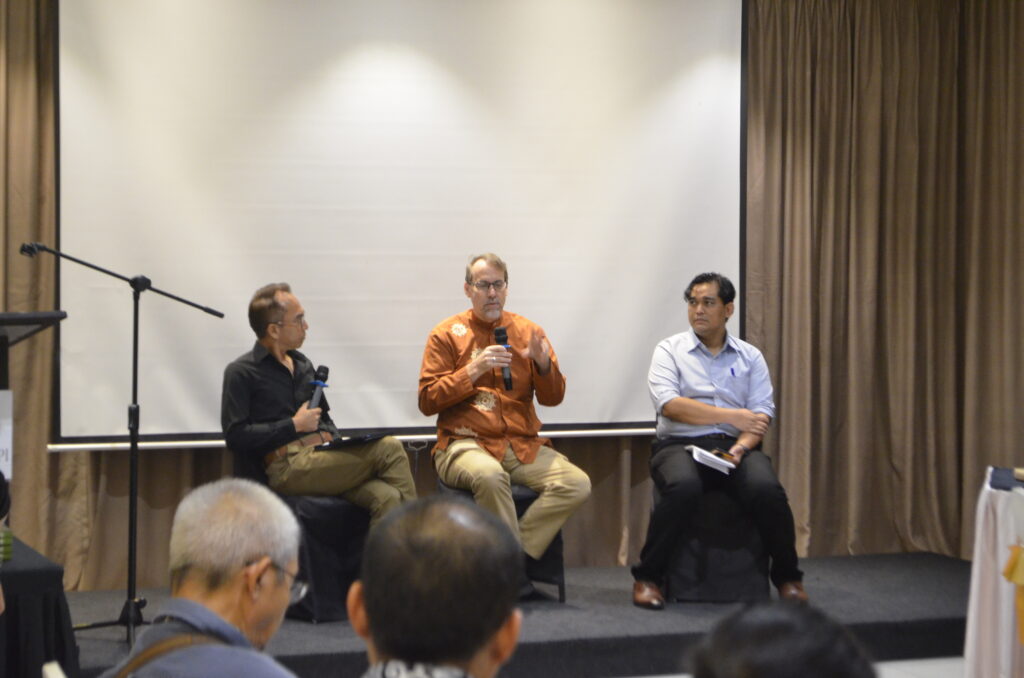
During the launch, Associate Professor Dr Arnold Puyok moderated a conversation with the author around several questions central to the book. This session invited the audience to look beyond conventional political boundaries and consider how historical experiences, cultural connections and the formation of modern nation-states have influenced the idea of a shared regional identity. The discussion revealed Southeast Asia not merely as a geographical space, but as a continually evolving region shaped by movement, exchange and human relationships.
The launch also highlighted the important role of translation in expanding the circulation of knowledge. By making a major work of regional history available in Bahasa Melayu, Riwayat Asia Tenggara creates new opportunities for readers to engage with discussions on trade, colonialism, migration, religion, identity and cultural diversity. Translation, in this context, becomes more than the transfer of words from one language to another; it becomes a bridge connecting scholarship with wider communities of readers.
For IBS, the book launch complemented the workshop’s broader emphasis on moving research beyond the dissertation. It demonstrated how scholarly knowledge can travel through books, translation, public dialogue and cultural exchange, connecting academic research with audiences beyond the university.
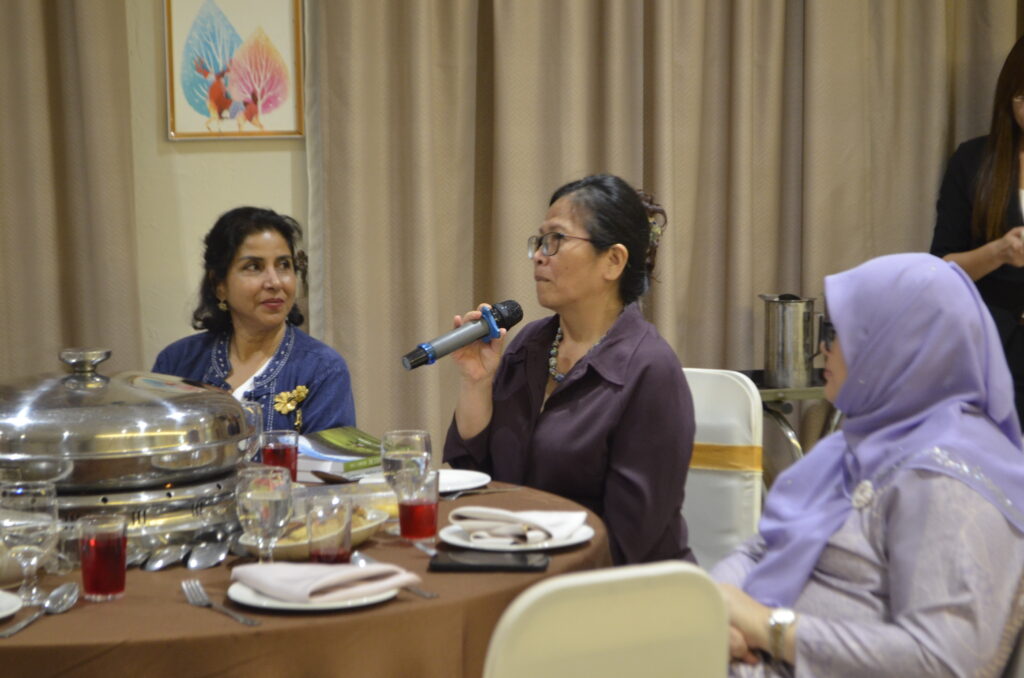
The evening concluded with a networking dinner, offering guests an informal space to exchange ideas with the author and fellow participants. IBS extends its appreciation to the keynote speaker, author, translator, moderator, invited guests and organising team for contributing to a thoughtful celebration of Southeast Asia’s rich, diverse and interconnected history.