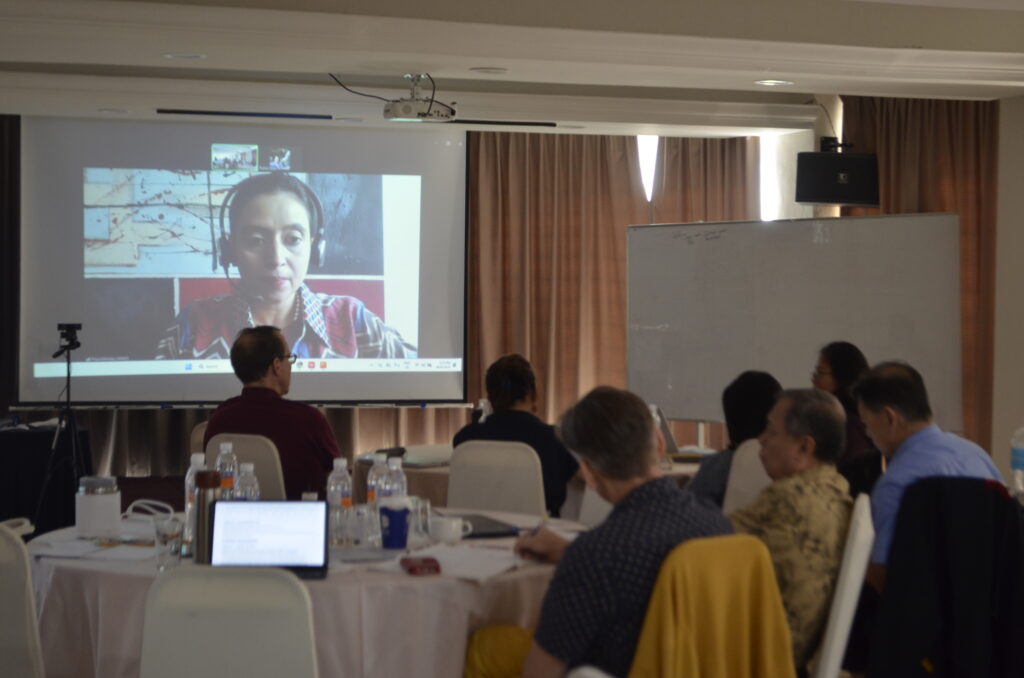
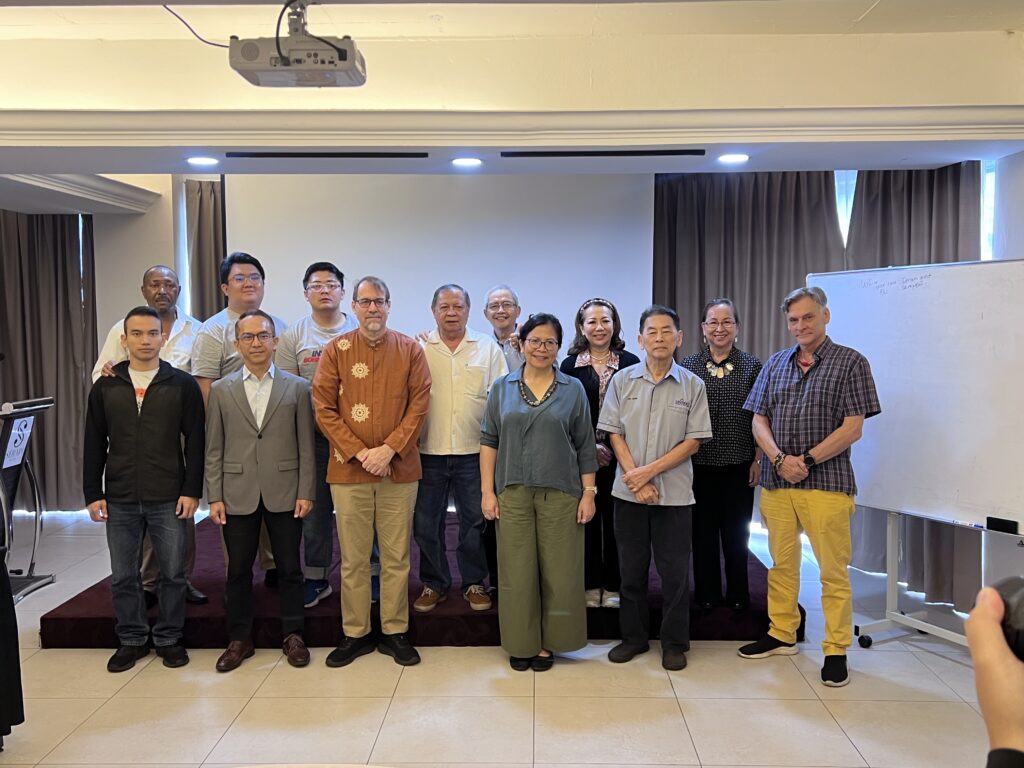
KUCHING, 19 August 2026 – The Institute of Borneo Studies (IBS), Universiti Malaysia Sarawak (UNIMAS), successfully concluded the three-day international workshop, Transforming Research Output into Scholarly Publications, held from 17 to 19 August 2026 at Serapi Hotel, Kuching. Designed for IBS postgraduate researchers, the programme brought internationally recognised scholars into direct engagement with participants and provided practical guidance for moving from dissertation to publication, scholarly visibility and meaningful public impact.
The programme unfolded through three connected stages – Becoming a Scholar, Publishing Knowledge and Engaging Society. Together, they traced a researcher’s development from establishing an academic identity and positioning work within scholarly conversations, through publication and commercialisation, to communicating knowledge beyond the university through cultural programming and community engagement.
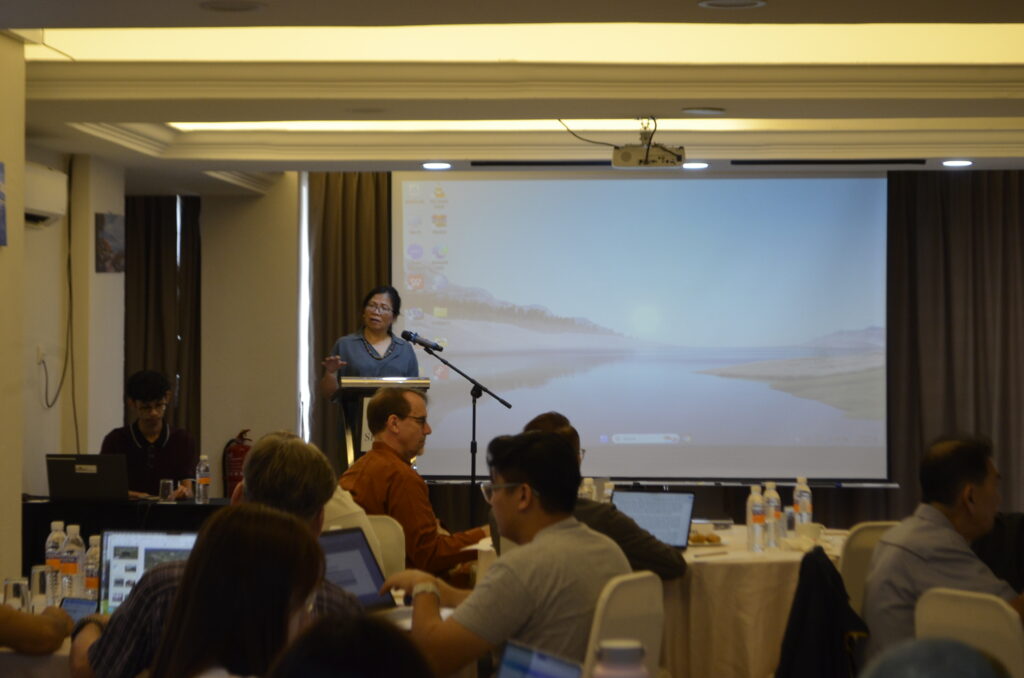
The workshop opened with Professor Dr Poline Bala, Director of IBS, delivering From Dissertation to Publication: Mastering Academic Publishing. Her address established the programme’s central message: research achieves greater value when it is developed into authored, published and accessible knowledge that others can engage with.
Associate Professor Dr Eric Charles Thompson of the Department of Sociology and Anthropology, National University of Singapore, subsequently led sessions on Making Your Mark in Global Academia and writing high-impact journal articles. A sociocultural anthropologist of Southeast Asia and author of Unsettling Absences: Urbanism in Rural Malaysia and The Story of Southeast Asia, he guided participants in identifying central arguments, positioning research within wider scholarly conversations and communicating original contributions with clarity and confidence.
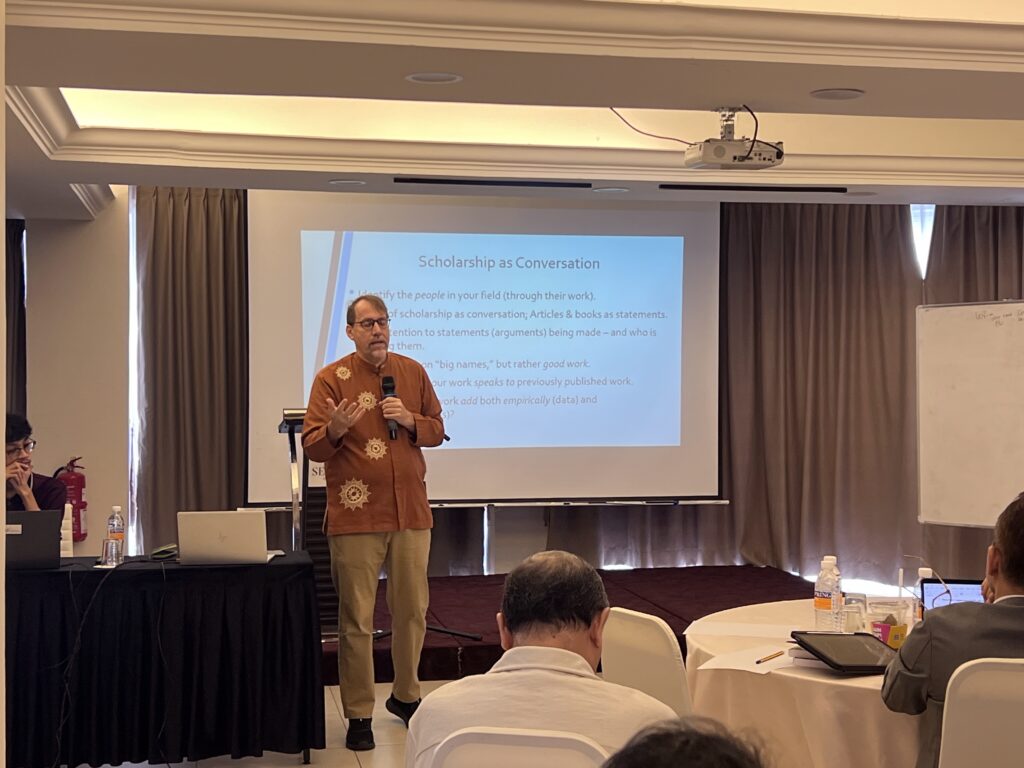
A publication consultation clinic gave participants opportunities for individual and small-group discussions on manuscript development. The opening day concluded with a Borneo InTEX sharing session by Associate Professor Dr Elexson Nillian, Head of UNIMAS’s Innovation and Commercialisation Unit. By positioning commercialisation alongside publication, his session encouraged participants to consider how research outputs could become products, intellectual property and practical solutions.
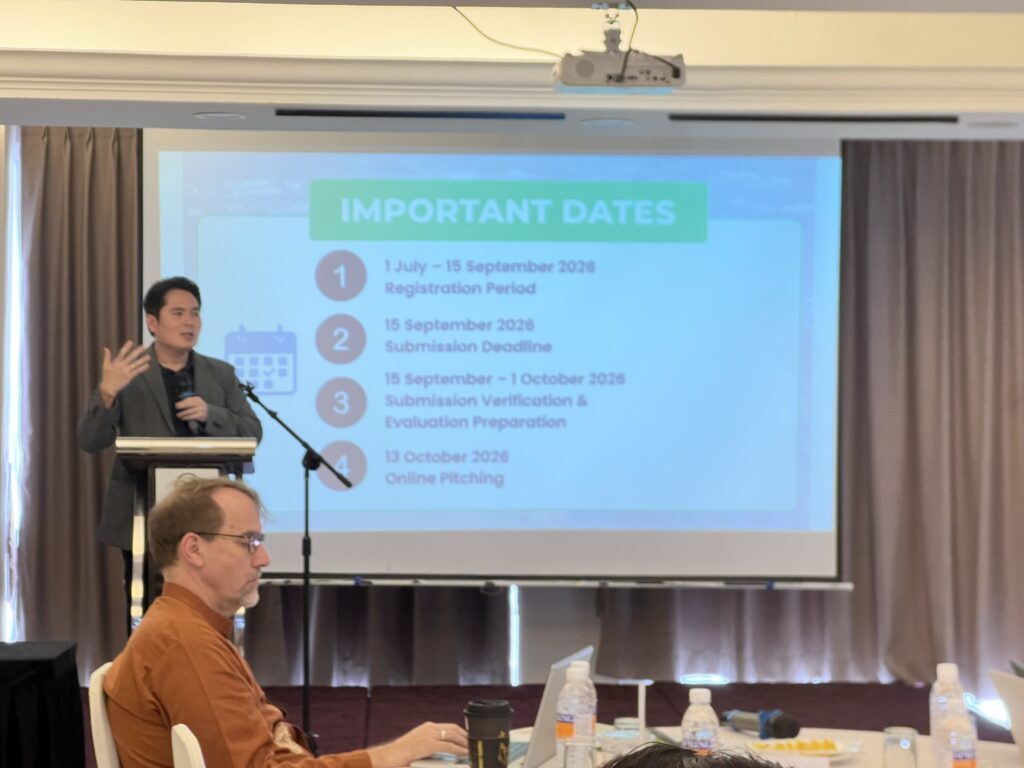
On the second day, attention turned to the craft and strategy of publishing knowledge. Associate Professor Dr Thompson guided participants through the journey from manuscript development to international publication, emphasising a clear central argument, appropriate journal selection, audience positioning and careful responses to editorial and peer-review feedback. The day also featured a book launch in his honour and a networking dinner, extending scholarly exchange beyond the formal sessions.
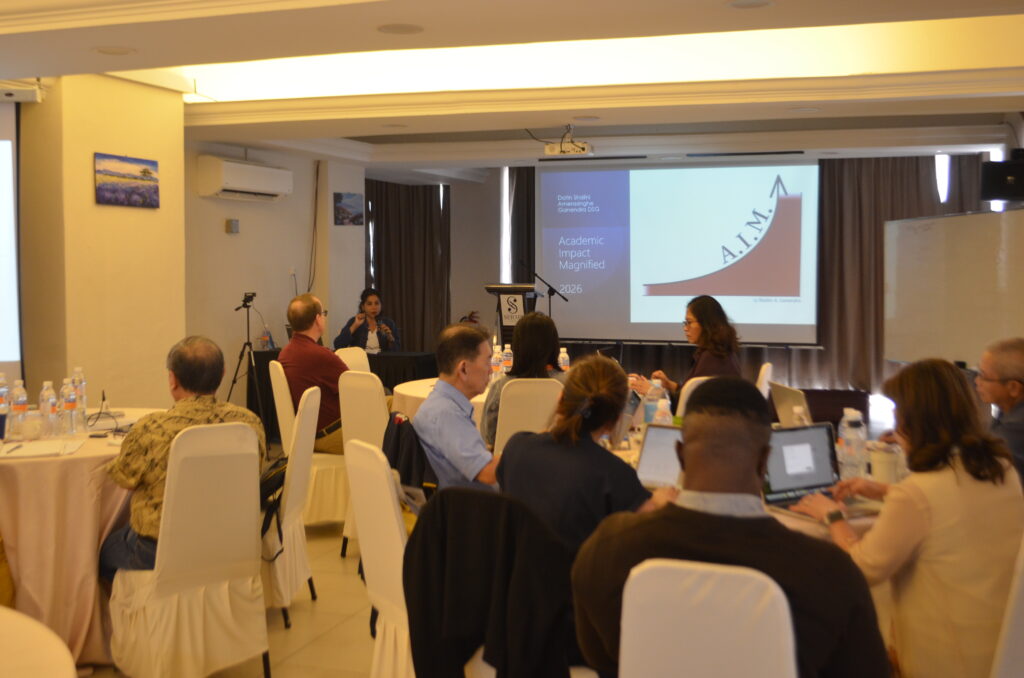
The programme broadened conventional understandings of academic impact through Adjunct Professor Datin Dr Shalini Amerasinghe Ganendra, an Adjunct Professor at IBS and Associate Academic in the History of Art at the University of Oxford. In Academic Impact Magnified (A.I.M.): From Dissertation to Exhibition and Cultural Programming as Scholarly Catalyst, she introduced the A.I.M. framework, which she developed and published in the IBS-edited Journal of Borneo-Kalimantan, and demonstrated how research could be interpreted through exhibitions and other public-facing formats.
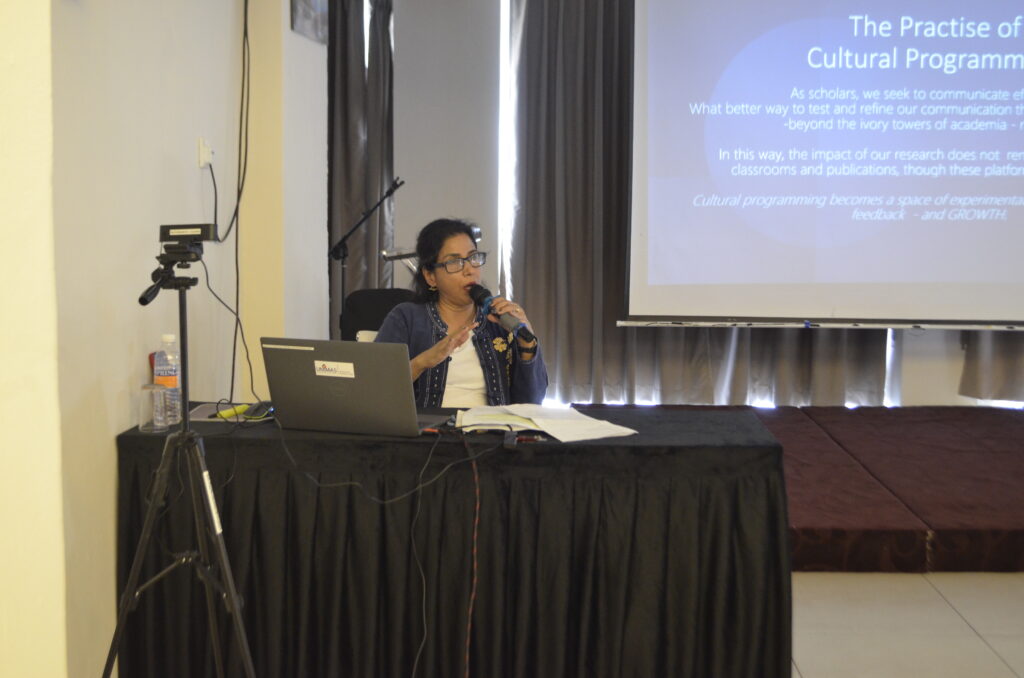
The final day, themed Engaging Society, shifted the focus from producing knowledge to connecting it with the public. Datin Dr Shalini led sessions on curatorial thinking, research-based cultural programming and designing research for academic, cultural and community impact. Participants were encouraged to consider not only what their work contributes to scholarship, but also how it can generate meaningful conversations within society.
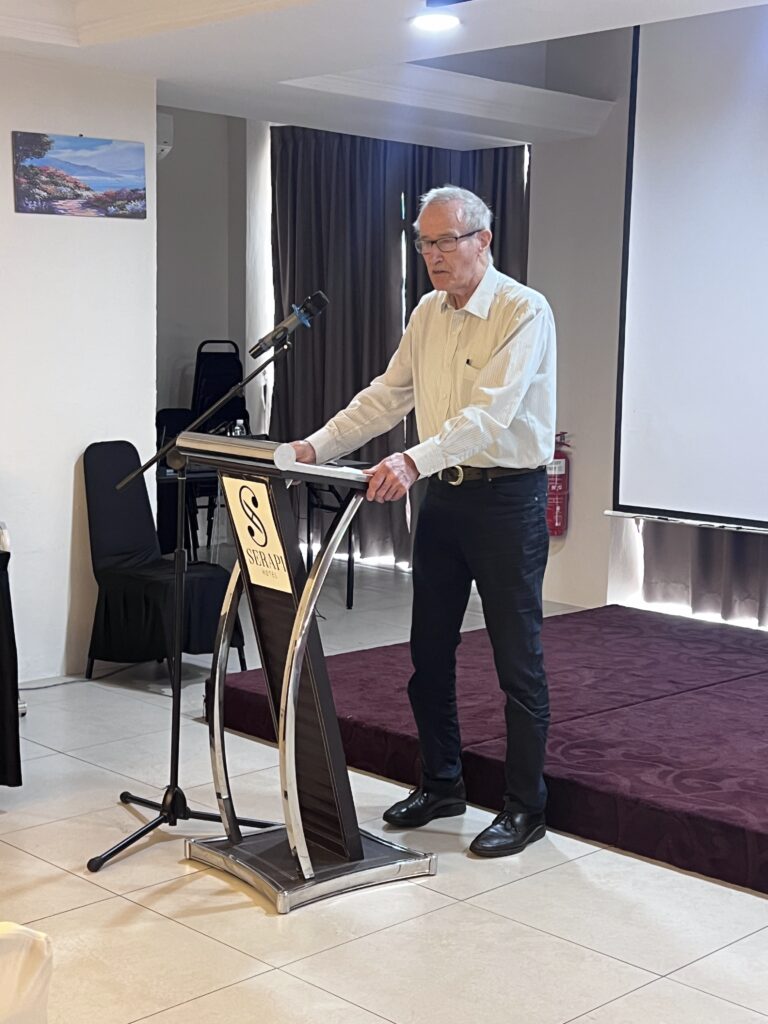
The workshop concluded with Professor Dr Michael Leigh’s session, Research: Using Evidence and Challenging Myths. Professor Leigh established the institute in 1997 as the Institute of East Asian Studies and served as its founding Director. Drawing on more than six decades of engagement with Sarawak, his presentation reinforced scholars’ responsibility to question assumptions, examine evidence critically and communicate findings accurately.
Across the three days, lectures were complemented by interactive discussions and consultation opportunities. Participants were encouraged to recognise that publication is not the final destination of research, but part of a wider scholarly journey encompassing innovation, cultural interpretation, public engagement and community contribution.
The workshop responded to an enduring need for more research about Borneo to be authored, interpreted and circulated internationally by scholars grounded in the island. It strengthened the craft, confidence and networks needed to transform original, field-based knowledge into credible, citable scholarship. As Professor Poline observed, Borneo is a place that connects space, time, ideas, objects and people – a principle reflected in the programme’s collaborative and multidisciplinary character.
Aligned with Sustainable Development Goal 4 (Quality Education), the workshop reflects IBS’s continuing commitment to nurturing postgraduate researchers and advancing transnational, multidisciplinary scholarship on Borneo and the wider Southeast Asian region. IBS extends its appreciation to all speakers, participants and members of the organising team whose contributions made the programme a productive platform for postgraduate development and scholarly exchange.