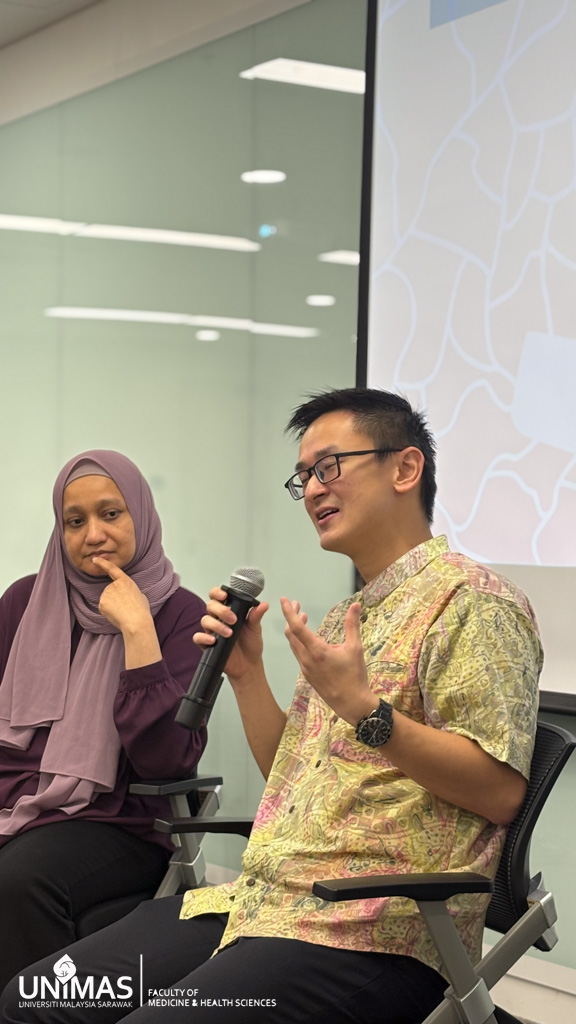
Associate Professor Dr Samuel Tsan has the honour to chair the A-SHIELD initiative under the umbrella of the Malaysian Society of Anaesthesiologists. A-SHIELD stands for ‘Anaesthesiology – Supporting Healthcare Individuals with Empathy, Leadership and Dedication’, and was born out of a shared conviction that clinicians deserve better support when things go wrong. Clinicians become second victims when adverse events occur in the healthcare settings. Second victims are defined as healthcare worker involved in an unanticipated adverse patient event, medical error, or patient injury who becomes victimized in the sense that they are traumatized by the event.
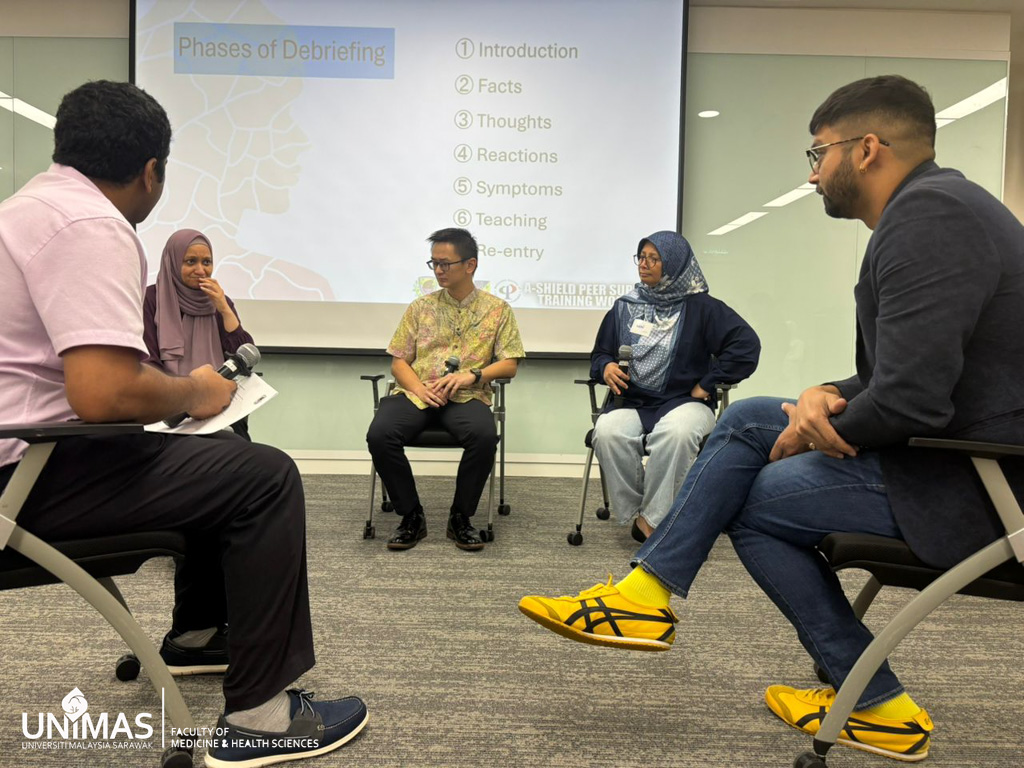
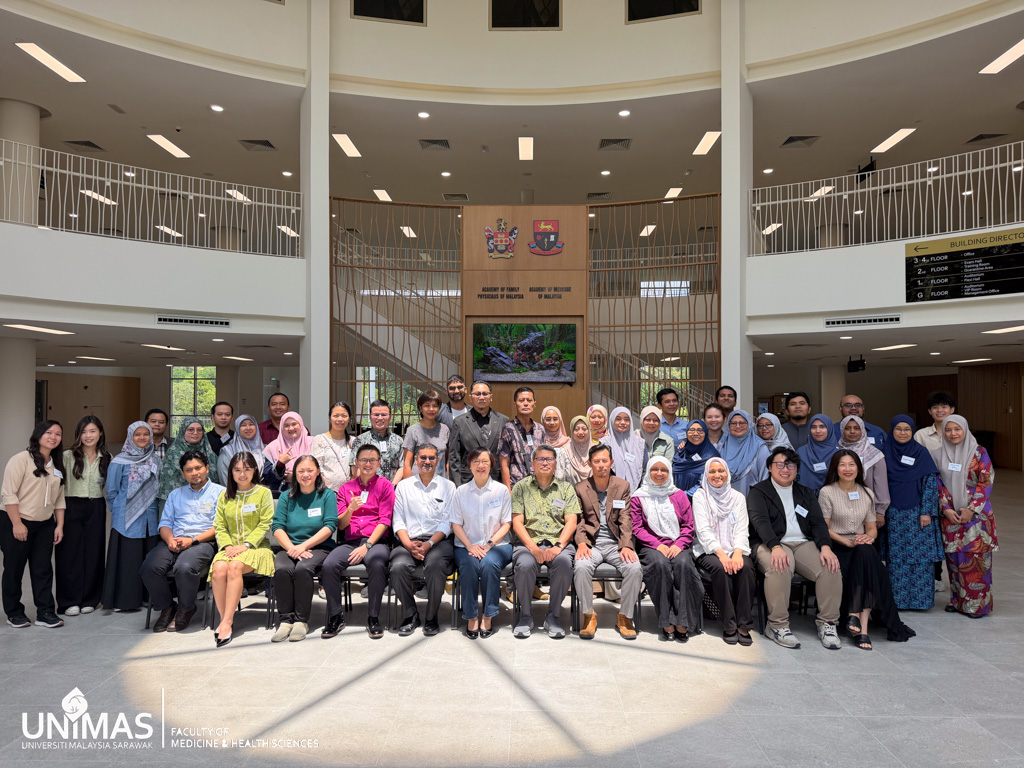
The inaugural A‑SHIELD Peer Supporter Train‑the‑Trainers Workshop was held on the 25–26 April 2026. Over two days in the Medical Academies of Malaysia building in Putrajaya, anaesthesia and critical care colleagues came together to learn, practise and reflect on how to recognise and care for “second victims” in their own teams. The programme moved from foundations in safety culture and the second victim phenomenon, into communication skills, Psychological First Aid, structured team debriefing and medicolegal perspectives. The faculty, which consisted of experts from the anaesthesiology and clinical psychology disciplines, combined short talks with small‑group discussions, role‑play and case reflection, so that participants could test ideas against the reality of their own clinical stories. The A‑SHIELD framework sat alongside emerging international work on peer supporter competencies, and many participants commented that it “finally joined the dots” between incident investigations, just culture and human recovery.
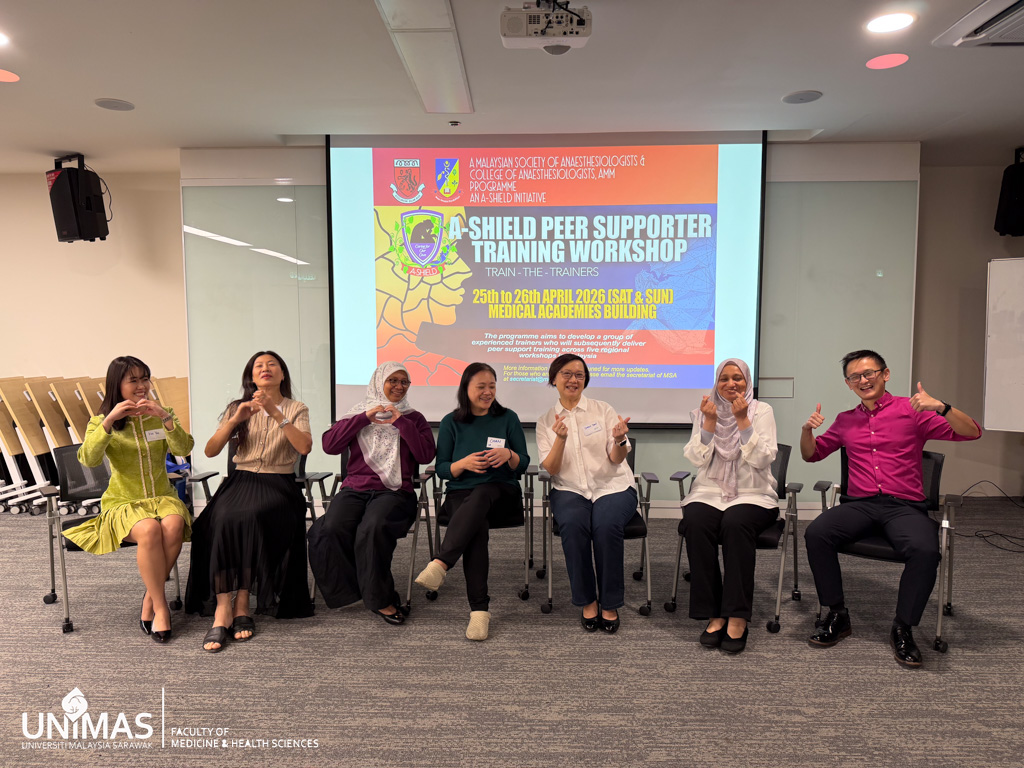
Feedback from the workshop has been deeply encouraging. Participants highlighted the safe atmosphere, the practical nature of the debriefing exercises, and the relief of hearing that their reactions after adverse events are both understandable and addressable. One reflection in CodeBlue (https://codeblue.galencentre.org/2026/05/every-clinician-carries-a-small-cemetery-finding-healing-and-hope-through-a-shield-dr-muhammad-yassin/) captured this balance clearly: the A‑SHIELD framework “sits comfortably within this philosophy: investigations focus on facts and processes, while peer support focuses on the person.” That is the space this team tried to hold together.
Assoc Prof Dr Samuel Tsan’s contribution sat mainly in shaping and coordinating the programme together with the faculty team, and as one of the esteemed faculty during the event. The real achievement, though, belongs to the group: trainers who brought their expertise, participants who brought their vulnerability, and organisations willing to back a different way of responding to harm. Building on this first workshop, the A-SHIELD steering team hope to grow a broader network of peer supporters who can make compassion and solidarity a routine part of clinical life.