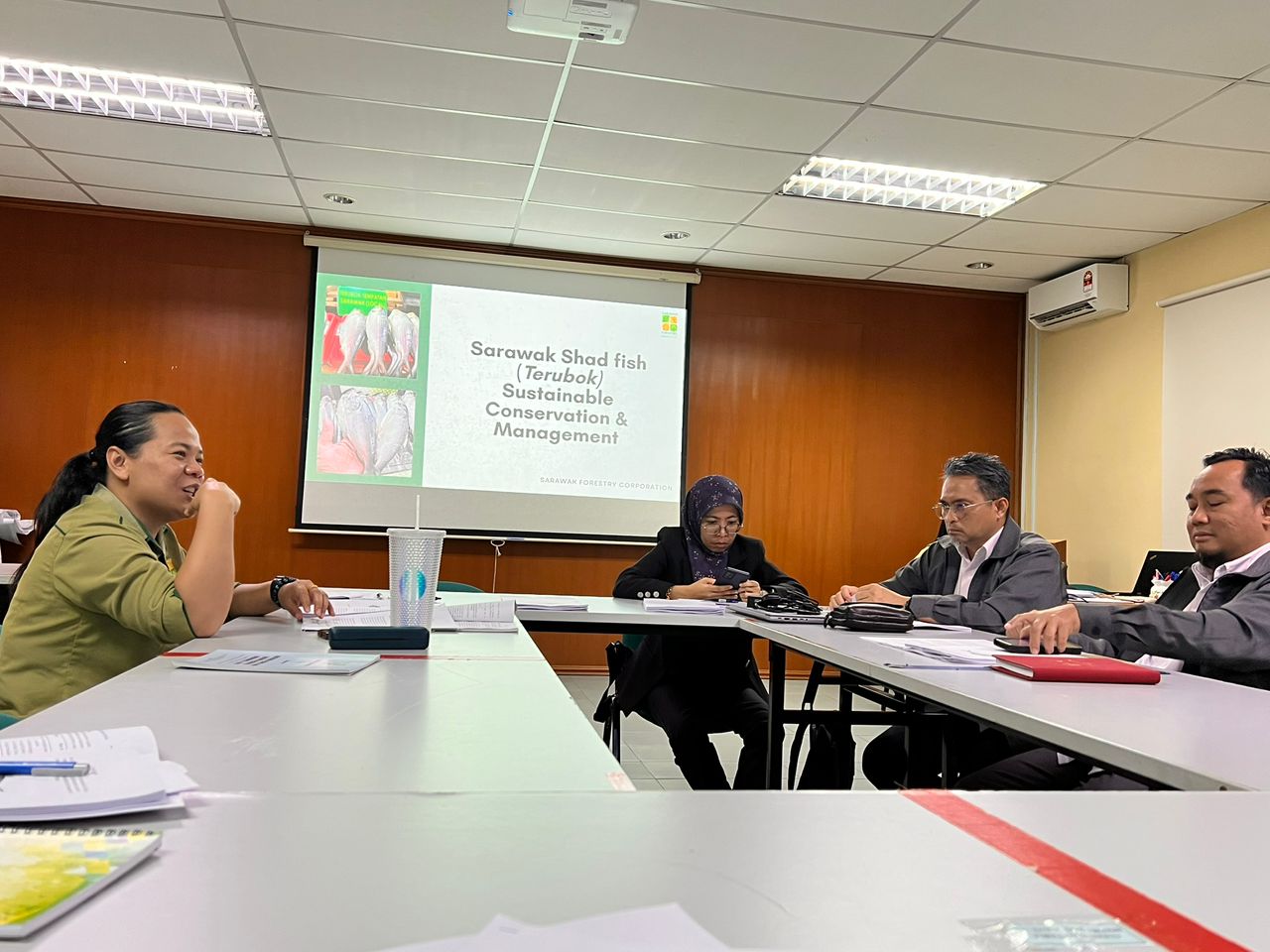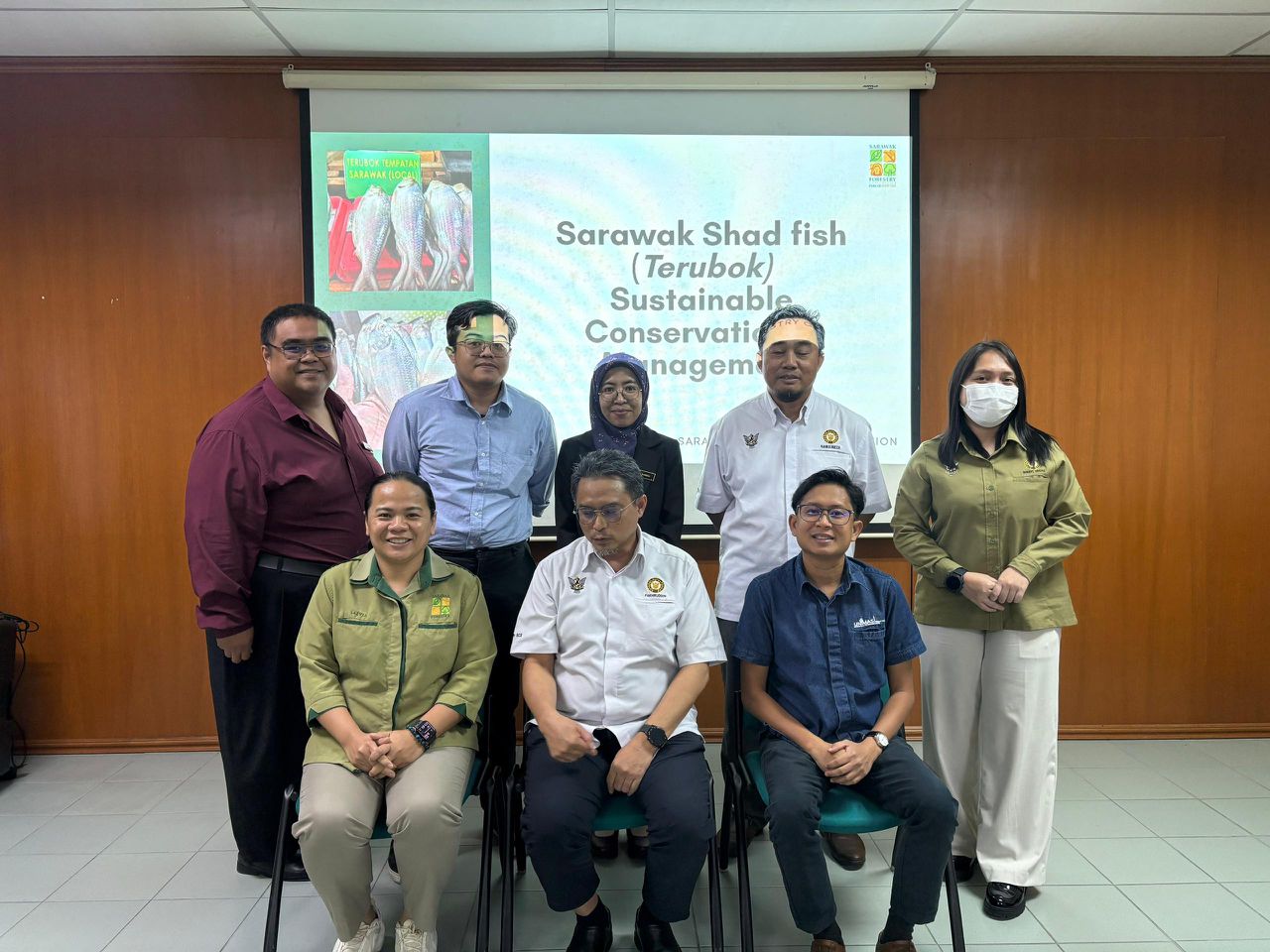
KUCHING, 4 March 2026 – Universiti Malaysia Sarawak (UNIMAS), through the Faculty of Resource Science and Technology (FSTS) continued to strengthen its role in biodiversity conservation and sustainable fisheries governance through its participation in the Discussion Meeting on the Sarawak Terubok Conservation and Management Action Plan organised by the Sarawak Forestry Corporation (SFC).
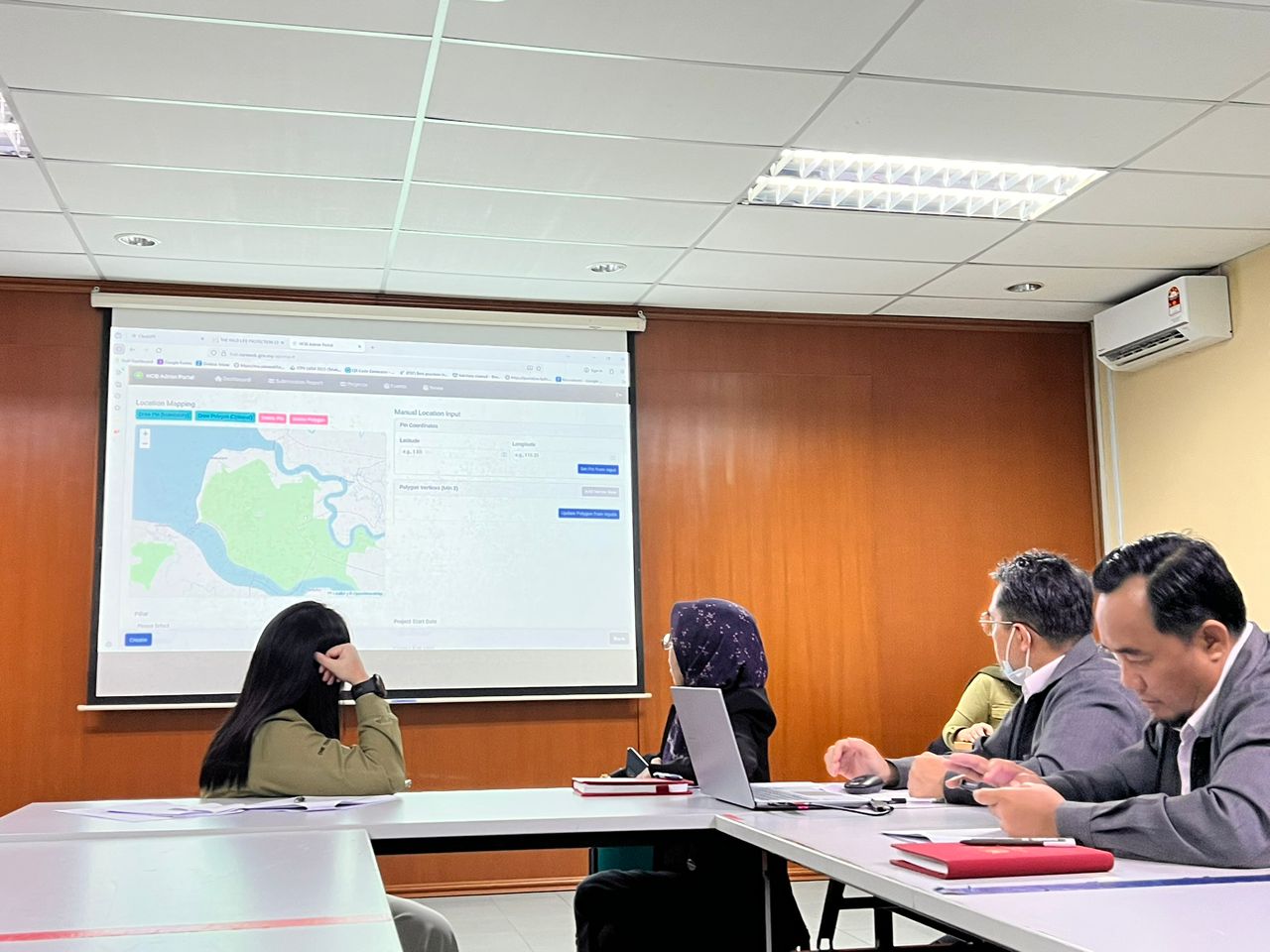
The two-day meeting, held from 3 to 4 March 2026 at the Sarawak Forestry Corporation Headquarters in Kuching, was attended by Dr. Teng Sing Tung and Dr. Ahmad Syafiq Ahmad Nasir representing UNIMAS. The session was conducted as part of collaborative efforts between SFC and relevant agencies to develop a strategic and science-based framework for the conservation and sustainable management of the iconic Terubok fish, a culturally and economically significant fisheries species in Sarawak.
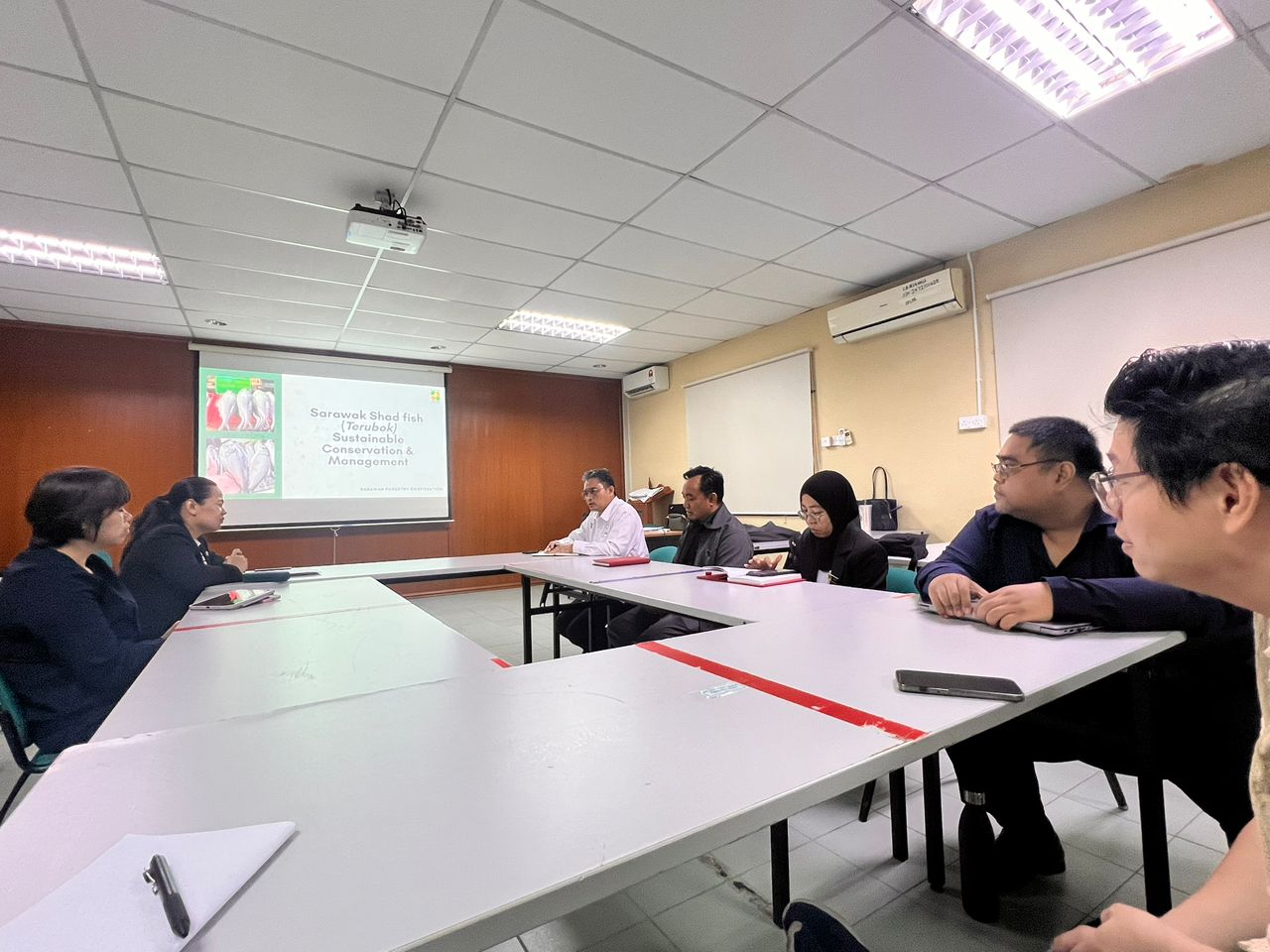
The meeting also involved the participation of the Inland Fisheries Division, Department of Agriculture Sarawak (DoA), alongside other relevant stakeholders engaged in fisheries resource management, biodiversity conservation and environmental governance in the state.
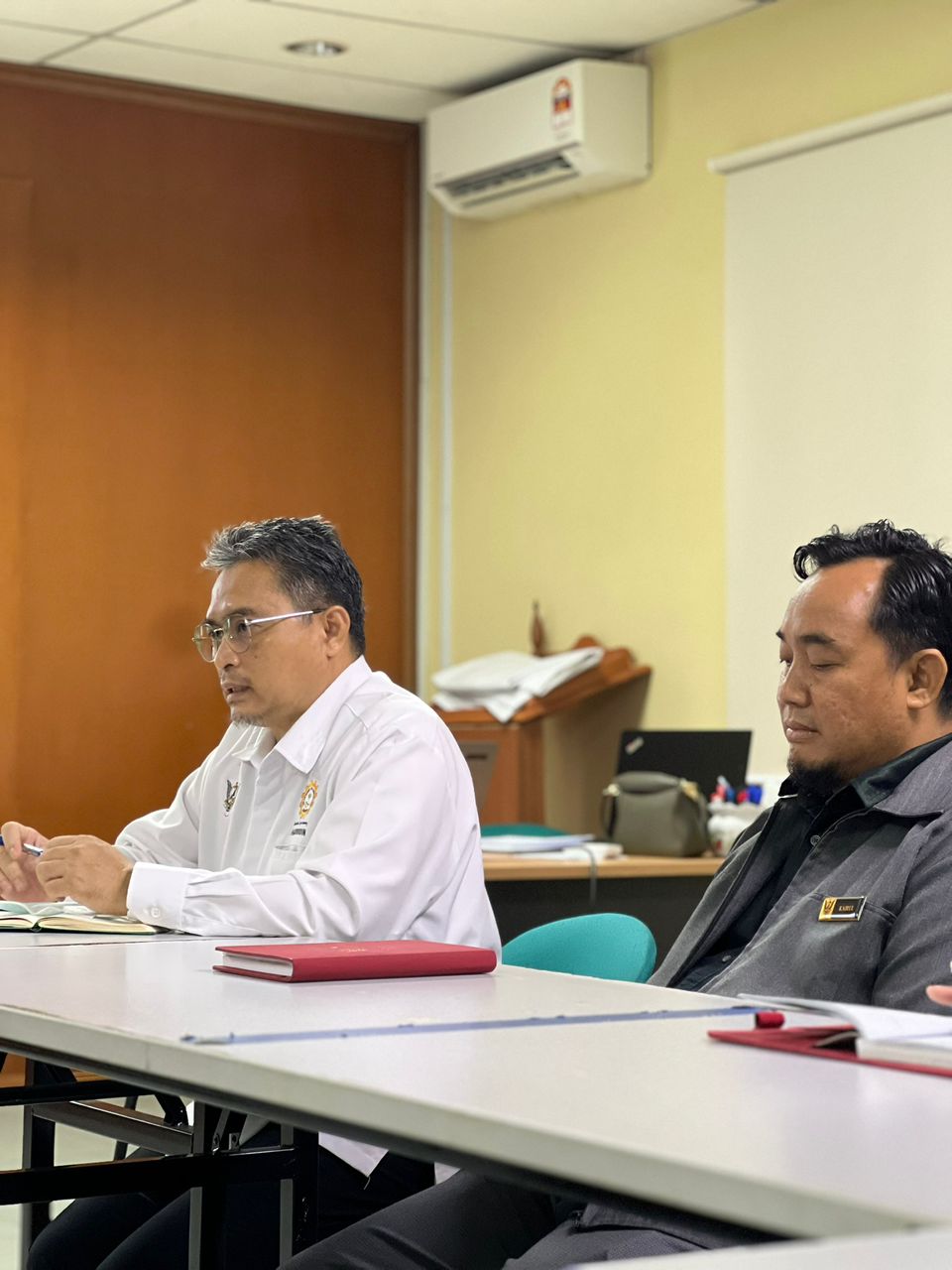
Discussions focused on the development of a comprehensive action plan encompassing sustainable fisheries management, stock conservation, scientific research, monitoring strategies, stakeholder collaboration and long-term management approaches to ensure the sustainability of Terubok populations in Sarawak waters. Particular emphasis was also given to the potential development of aquaculture-based conservation approaches, including the establishment of breeding protocols, seed production technology, hatchery development and population enhancement strategies to support future conservation and sustainable fisheries initiatives.
During the session, Dr. Ahmad Syafiq Ahmad Nasir emphasised that the indigenous Terubok species, Tenualosa toli, possesses unique ecological and biological characteristics that require specialised conservation and management approaches. According to him, the species is a commercially and culturally important estuarine fish species closely associated with the riverine and coastal ecosystems of Sarawak, inhabiting turbid and brackish lower river systems, estuaries and adjacent coastal waters. He further highlighted that T. toli is a protandrous hermaphrodite species with a relatively short life span and localised movement patterns, making its populations highly vulnerable to habitat degradation, overexploitation and environmental change. He also stressed the importance of strengthening science-based conservation efforts through habitat protection, fisheries management and aquaculture development initiatives, including breeding protocols, hatchery systems and seed production technologies to ensure the long-term sustainability of Sarawak’s iconic indigenous Terubok species for future generations.
The session further highlighted the importance of integrating scientific evidence, local ecological knowledge and multi-agency collaboration in addressing current challenges affecting fisheries resources, including habitat degradation, overexploitation and environmental change. Considering Terubok as one of Sarawak’s iconic fisheries species and an important part of the state’s cultural identity and food heritage, the development of a long-term conservation and management framework was viewed as increasingly important to ensure the sustainability of the species for future generations.
UNIMAS’ involvement in the meeting reflects the university’s ongoing commitment to contributing scientific expertise and technical knowledge towards state-level policy development and conservation initiatives. Through its strengths in aquatic biology, fisheries science, aquaculture development, community engagement and sustainability research, UNIMAS continues to position itself as a strategic academic partner in supporting integrated and sustainable management of Sarawak’s aquatic biodiversity and fisheries resources.
The engagement also aligns with broader efforts to strengthen collaborative governance and evidence-based decision-making in ensuring the long-term resilience of Sarawak’s fisheries sector amid increasing environmental and climate-related challenges.