Written by Noor’ain Aini
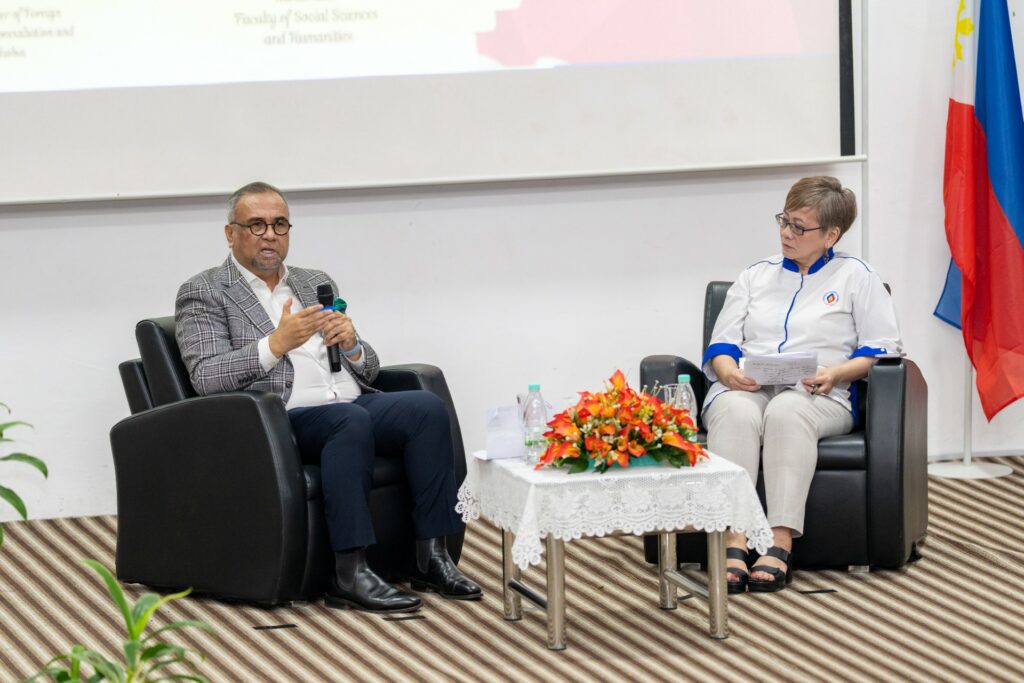
Kota Samarahan, 22 October 2025 – UNIMAS-ASEAN Week 2025 kicked off with an insightful public lecture by Dr Abdul Razak bin Ahmad, Special Advisor to the Malaysian Minister of Foreign Affairs on Peacebuilding, Reconciliation and Combating Islamophobia, and member of the UNIMAS Board of Directors, who spoke on the theme “ASEAN Chairmanship in a Disrupted Geopolitical Landscape.”
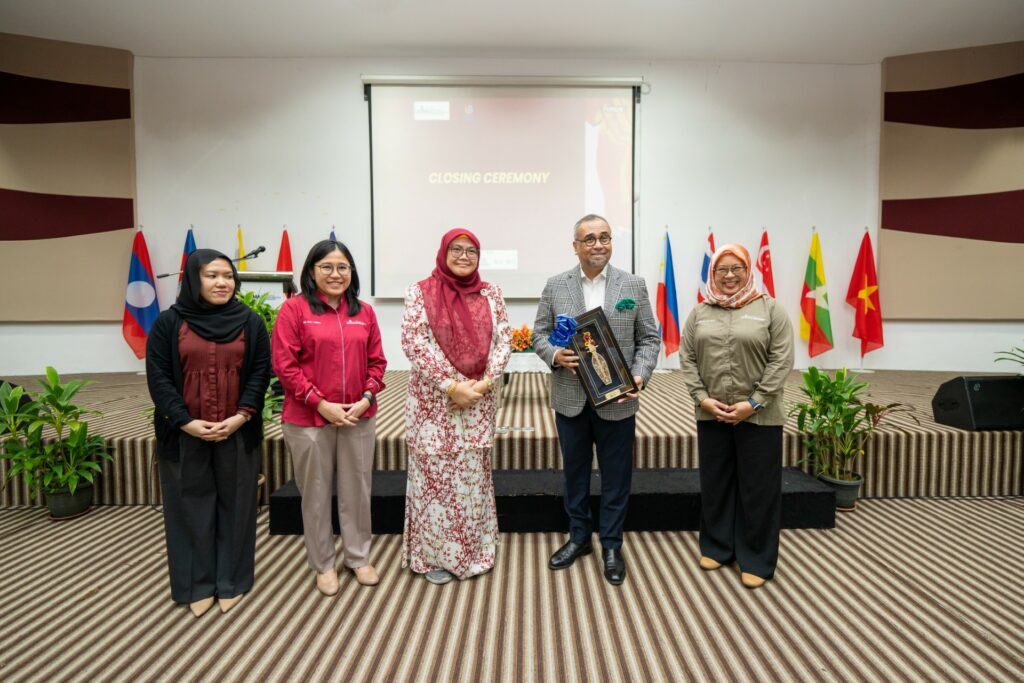
The event was officiated by Professor Ir Dr Siti Noor Linda binti Taib, Deputy Vice Chancellor (Research and Innovation). Also in attendance were Professor Dr Fitri Suraya binti Mohamad Hapni Jobli, Deputy Vice Chancellor (Academic and International), Dr Kiky Kirina binti Abdillah, Dean of the Faculty of Social Sciences and Humanities (FSSH), Dr Shafina Tantiana binti Zulkipli, UNIMAS-ASEAN Week 2025 Program Director, and Dr Lucy Sebli, who served as moderator.
ASEAN: A Peace Project Born from the Cold War
Dr Abdul Razak began by tracing the origins of ASEAN as a “peace project” – formed not as a military alliance, but as a mechanism to maintain neutrality, contain communism, and promote economic cooperation amid Cold War rivalries.
He highlighted the enduring relevance of the Treaty of Amity and Cooperation (TAC) which upholds ASEAN’s principles of non-interference and peaceful conflict resolution, enabling member states to coexist without external domination.
He also emphasized that ASEAN remains pro-development and non-aligned, and continues to receive substantial investments from the United States while maintaining cordial relations with China. However, he cautioned that yielding to great power pressure could challenge ASEAN’s unity and credibility.
“ASEAN is not perfect,” Dr Abdul Razak admitted. “Our region continues to be tested – from the South China Sea disputes to the crisis in Myanmar. Non-interference is a sacred ASEAN value, but indifference cannot be an option when human rights violations and armed conflicts occur.”
Diplomacy, Trust and Continuous Engagement
Recalling Malaysia’s proactive diplomacy in mediating the Thai–Cambodian border conflict, Dr Abdul Razak noted that ASEAN’s strength lies in collective consultation and consensus-building, often involving external partners such as the US and China.
Dr Abdul Razak captivated the audience when he narrated his experience as a negotiator in a Middle Eastern hostage case, using that incident to drive home his point that trust is the foundation of diplomacy. “No matter how bleak the situation, we cannot abandon diplomacy,” he stressed repeatedly.
Defending ASEAN’s continued engagement with Myanmar, he argued that isolating the country would contradict ASEAN’s mission of dialogue and reconciliation. “Talking to our worst enemies is not legitimizing them, it is the only way forward. Peacebuilding requires continuous engagement rather than exclusion,” he remarked.
Dr Abdul Razak warmly welcomed the admission of Timor-Leste into ASEAN after 14 years of waiting, describing it as both a testament to inclusivity and recognition of Timor-Leste’s democratic success. He noted that the timing of this milestone – coinciding with Malaysia’s ASEAN chairmanship – carries symbolic significance, reaffirming Malaysia’s longstanding commitment to an inclusive and cohesive regional community. Malaysia, he added, has consistently been one of the strongest supporters of Timor-Leste’s inclusion into ASEAN, reflecting its belief in regional solidarity and shared growth.
Looking Ahead: ASEAN’s Expanding Global Role
Looking ahead, he noted ASEAN’s growing leadership in global issues such as climate change, the Gaza crisis, and the ASEAN Digital Economy Framework, while acknowledging gaps in mechanisms for handling transnational crime and climate-induced migration.
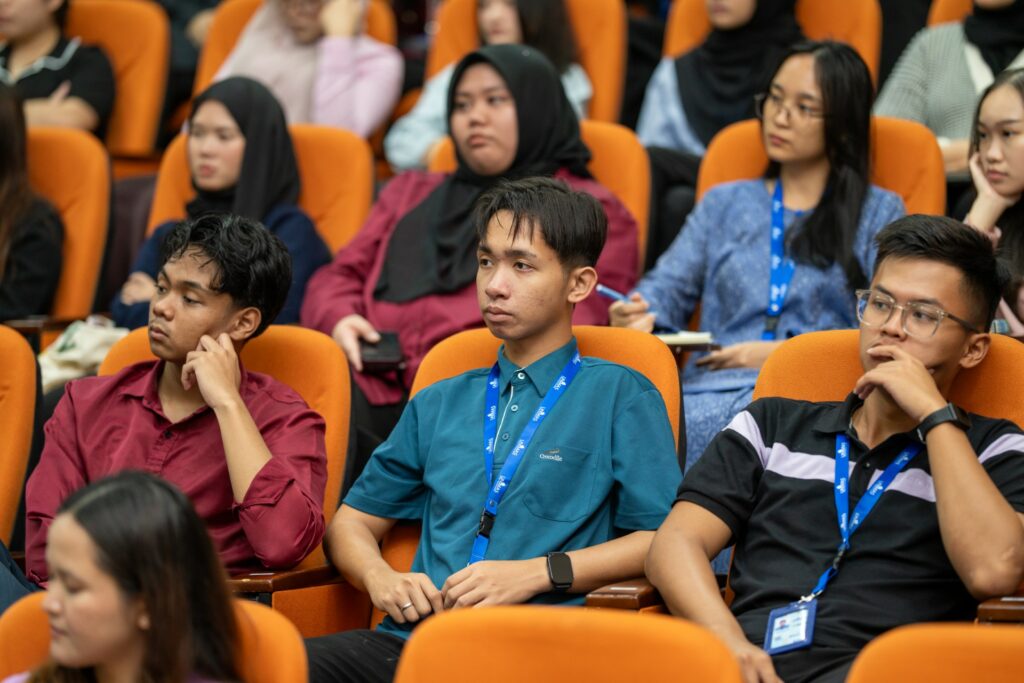
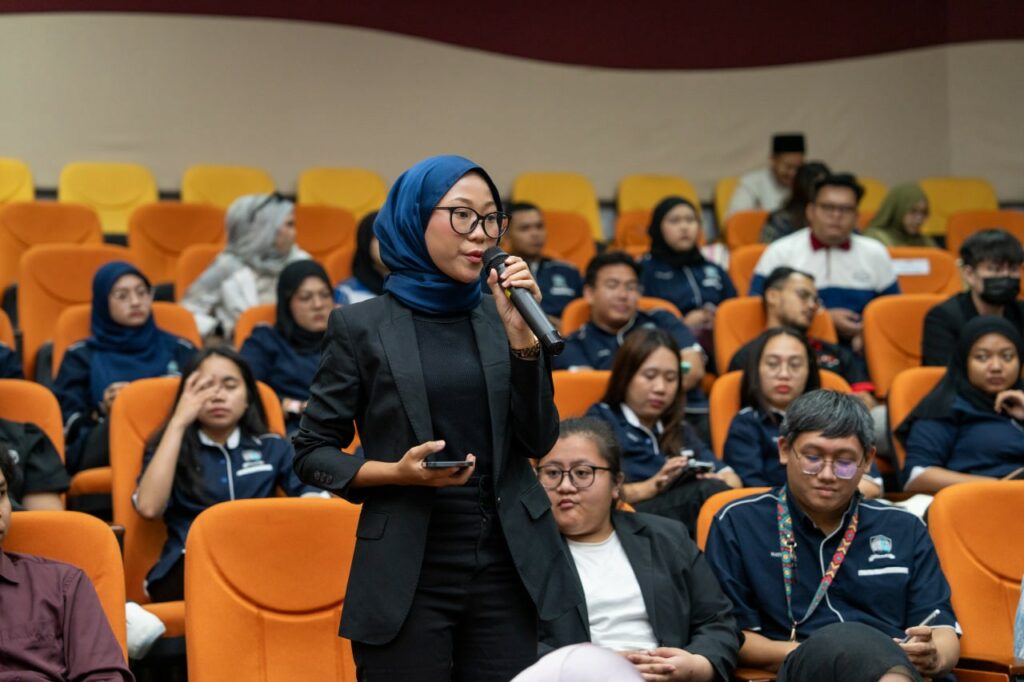
The engaging session drew the participation of more than 300 students and academics from various programs. Much to their delight, Dr Abdul Razak engaged enthusiastically with the audience, addressing as many questions as possible and offering thoughtful insights that deepened their understanding of ASEAN’s evolving role in regional affairs.
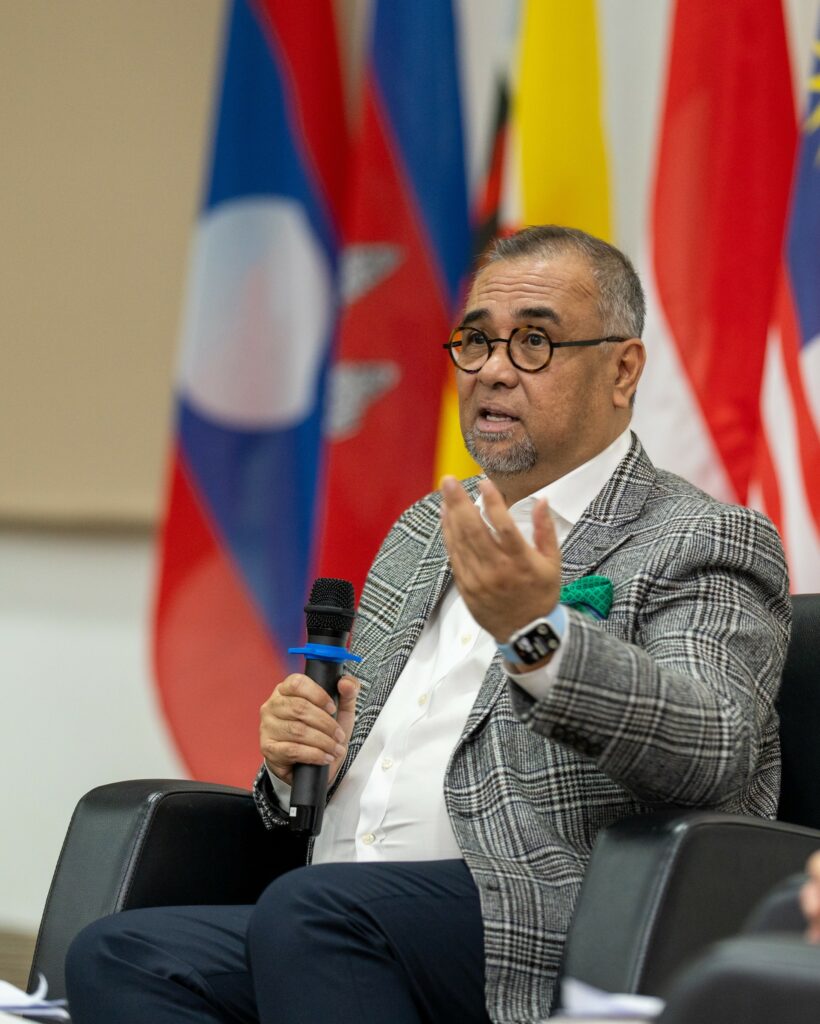
He concluded by reminding that the work of any ASEAN chairmanship – including Malaysia – cannot be completed in a single year. “It is a continuous journey,” he stressed. “The spirit of engagement, dialogue, and trust must be carried forward by every succeeding chair.”
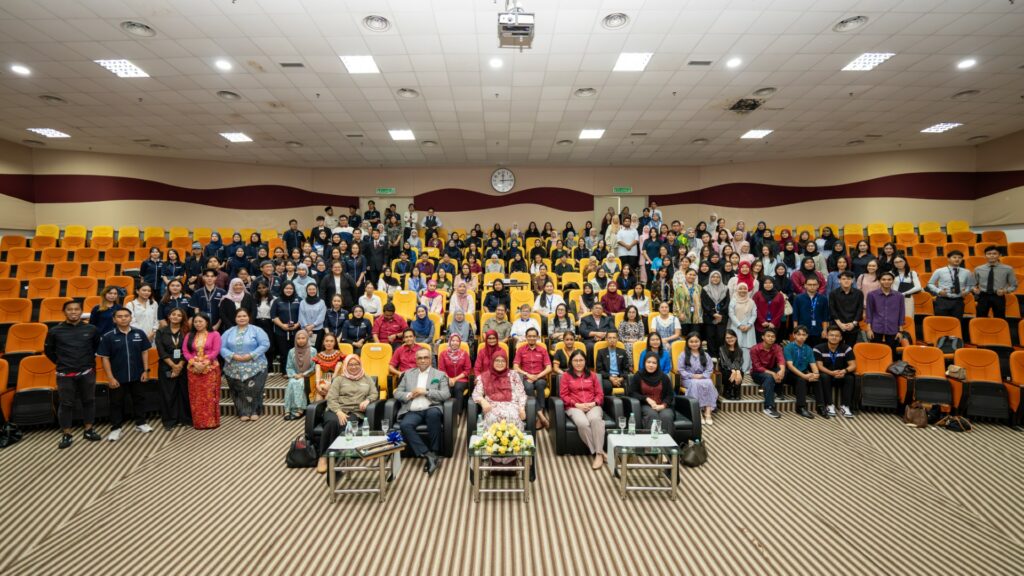
Organized by the International Relations Program as the anchor, the event’s committee comprised students from the ASEAN Politics course, reflecting the faculty’s emphasis on experiential learning and student engagement in regional affairs.
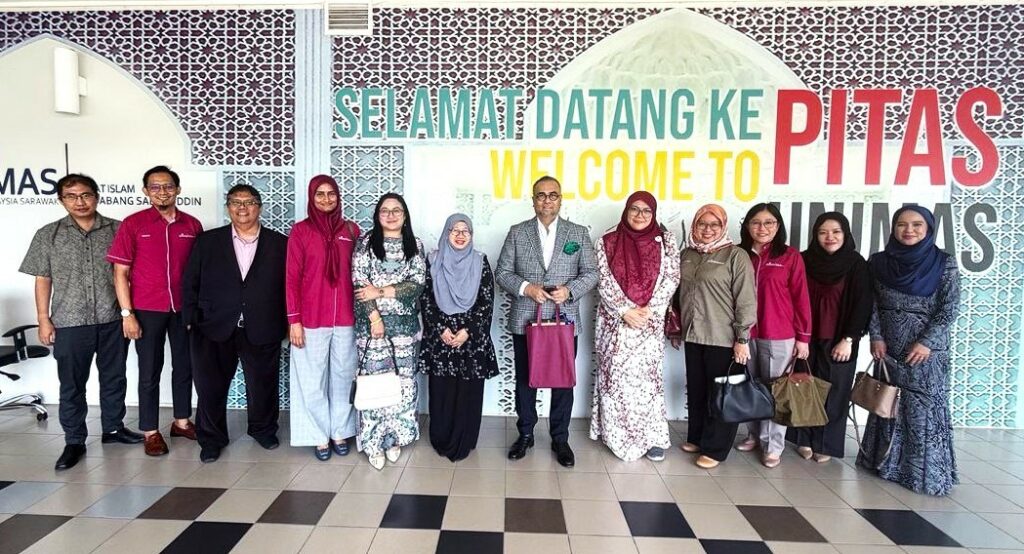
The lecture marked a dynamic start to UNIMAS-ASEAN Week 2025 and reaffirmed the university’s commitment to fostering regional awareness and understanding among its students and the wider academic community.
FSSH – A Partner for Social Change