Written by Marcello Matthius anak Muhren, Aini Syahirah binti Amat and Lee Tze Zhen, Year 3 students, Development Planning and Management Programme
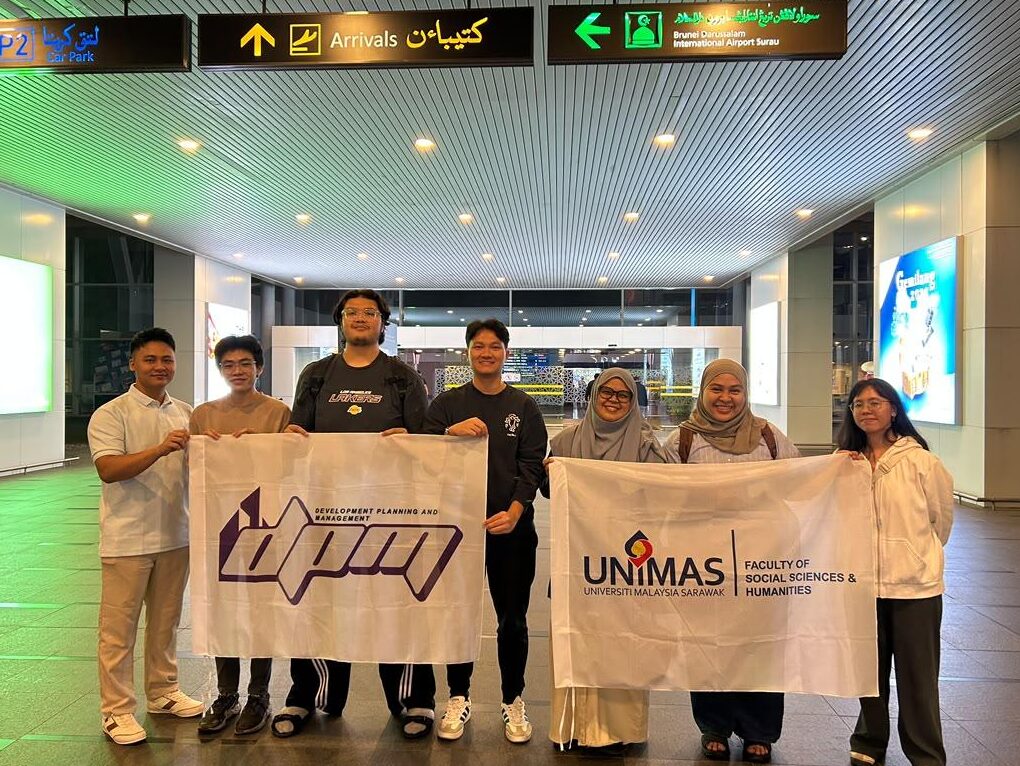
When we signed up for the Malaysia–Brunei–Indonesia Global Mobility Programme 2026, we expected to discover a new place, meet students from other universities and experience university life beyond our own campus. What we did not expect was how much the journey would change the way we looked at learning, development and the connections we build with others.
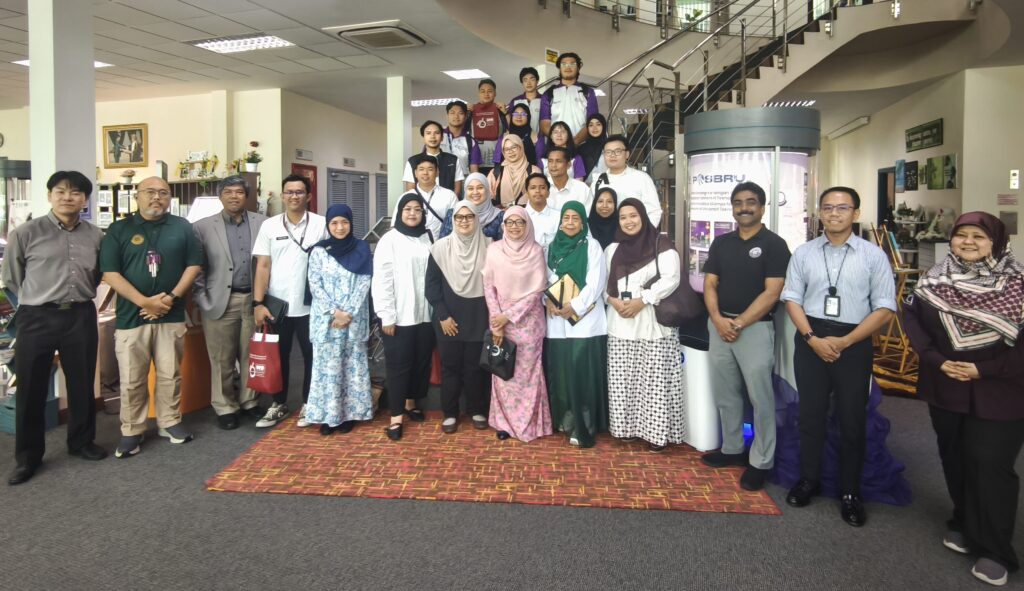
The programme brought together students from four higher education institutions: Universiti Malaysia Sarawak (UNIMAS), Universiti Brunei Darussalam (UBD), Universitas Tanjungpura (UNTAN) and Politeknik Negeri Pontianak (POLNEP).
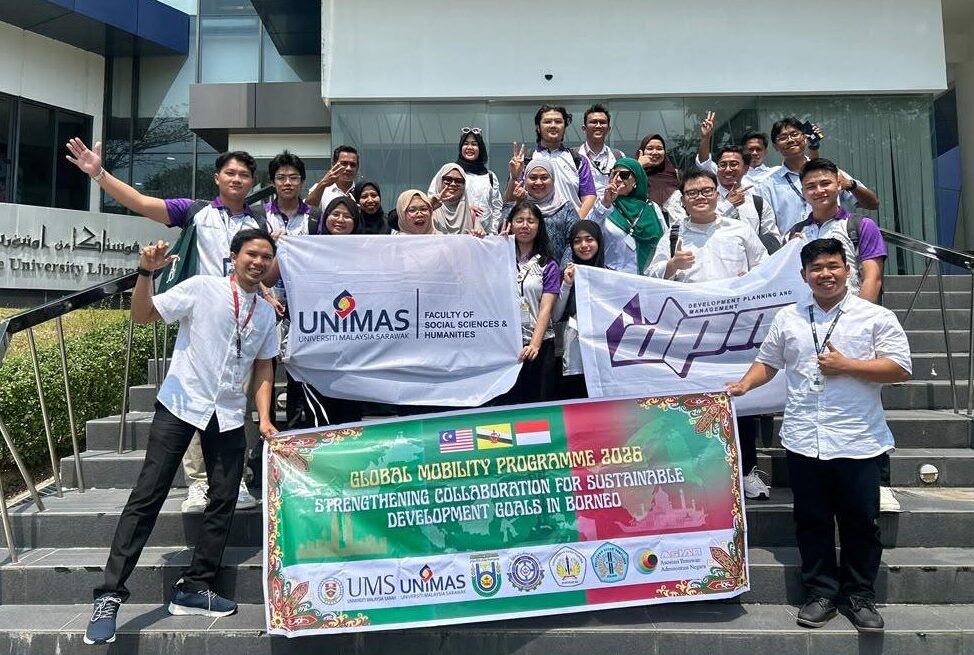
One of the first highlights was the Academic Discussion, where we connected with students from UBD and UNTAN. The conversations soon moved beyond formal academic topics. We exchanged stories about assignments, student clubs, campus life and the challenges of being university students. It was both surprising and reassuring to discover how much we had in common, even while studying in different countries and university environments.
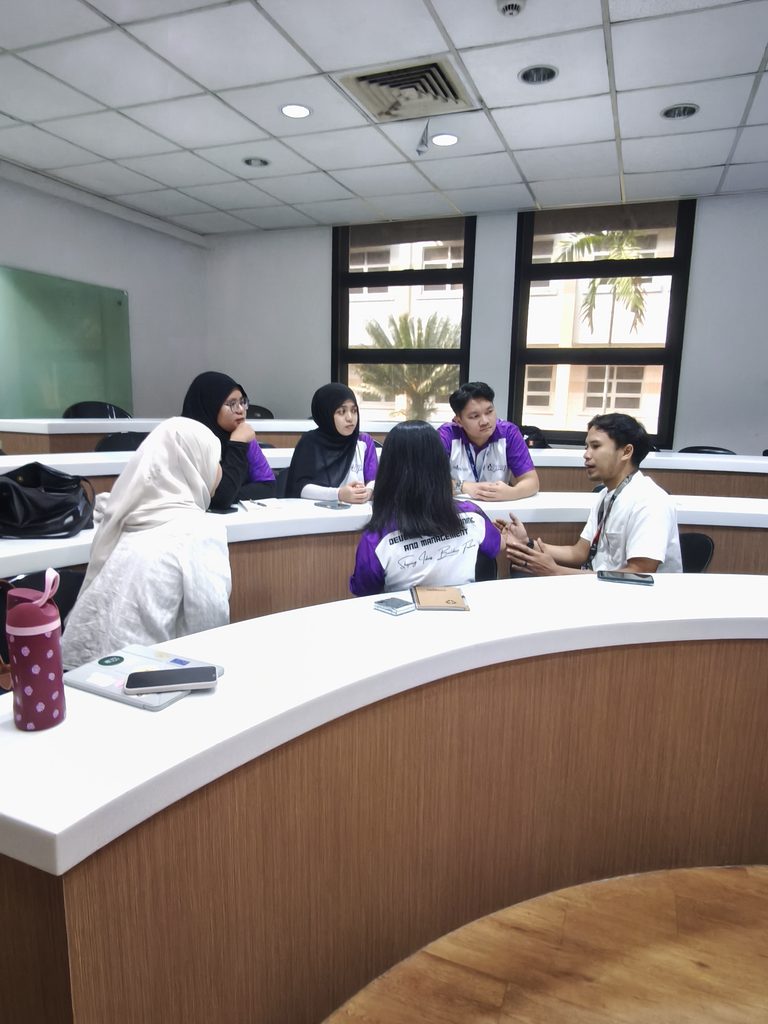
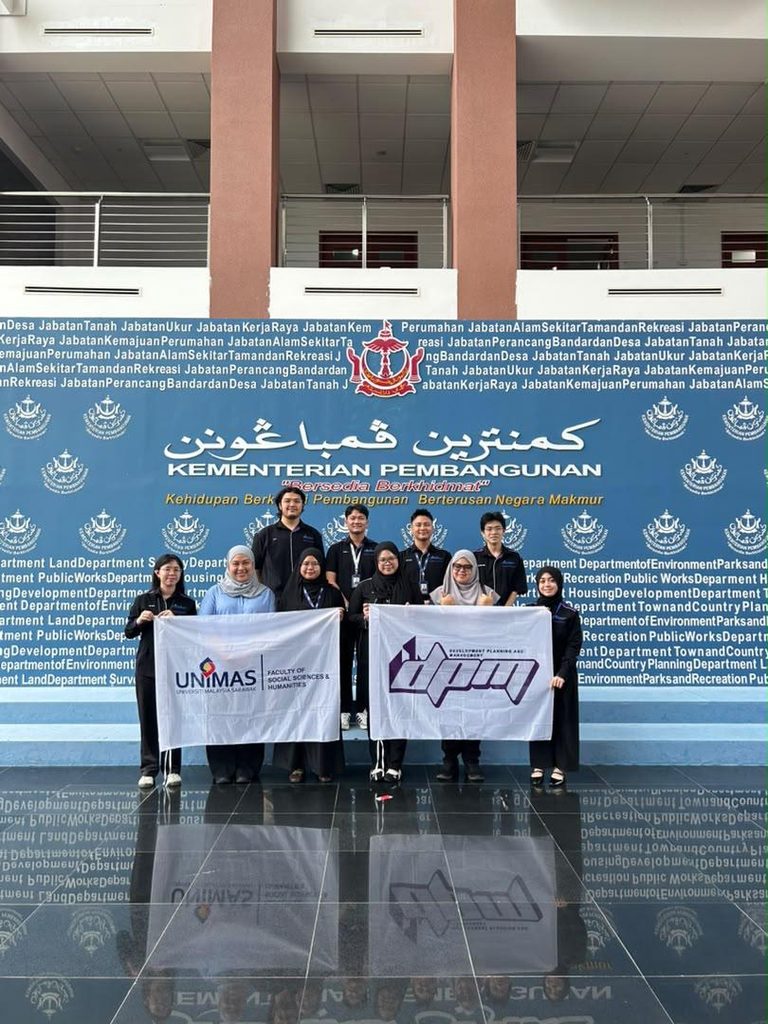
We also discussed how government initiatives can support students, communities and development, as well as ideas for future collaboration among our universities. These conversations reminded us that a mobility programme does not have to end when everyone returns home. The friendships formed and ideas exchanged can become the starting point for future student activities, knowledge sharing and cross-border collaboration.
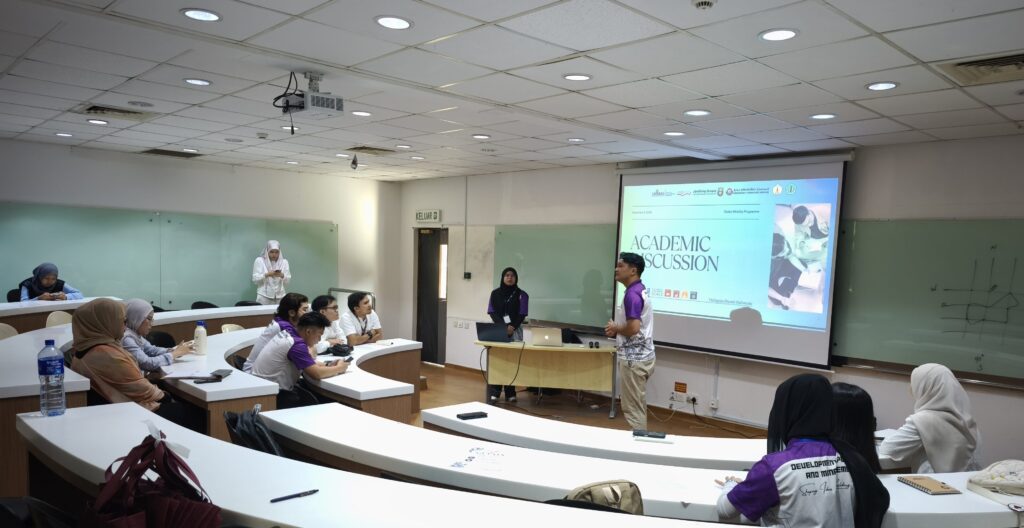
The Global Classroom offered another opportunity to learn beyond our usual setting. Through five lectures delivered by academics from Malaysia, Brunei and Indonesia, we explored development issues from different national and professional perspectives. The sessions encouraged us to question our assumptions and recognise that the same development challenge can be understood differently depending on a country’s context and circumstances.
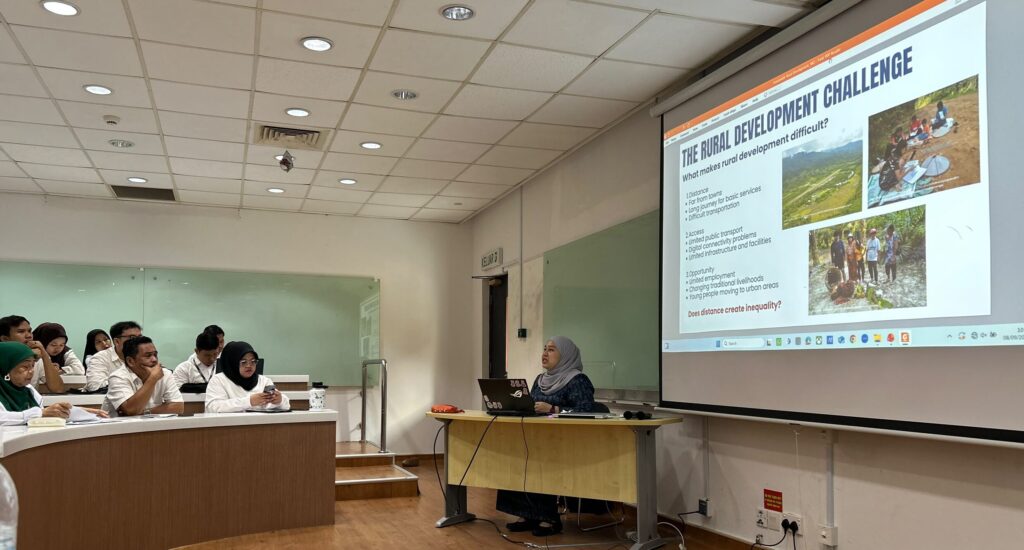
As DPM students, this was especially valuable. We were reminded that development planning is not simply about policies, plans or projects. It is also about people, resources, communities and the ways decisions shape everyday life. Learning about Brunei Darussalam and Indonesia while engaging with people familiar with their contexts helped us connect ideas from our own studies with perspectives beyond Malaysia.
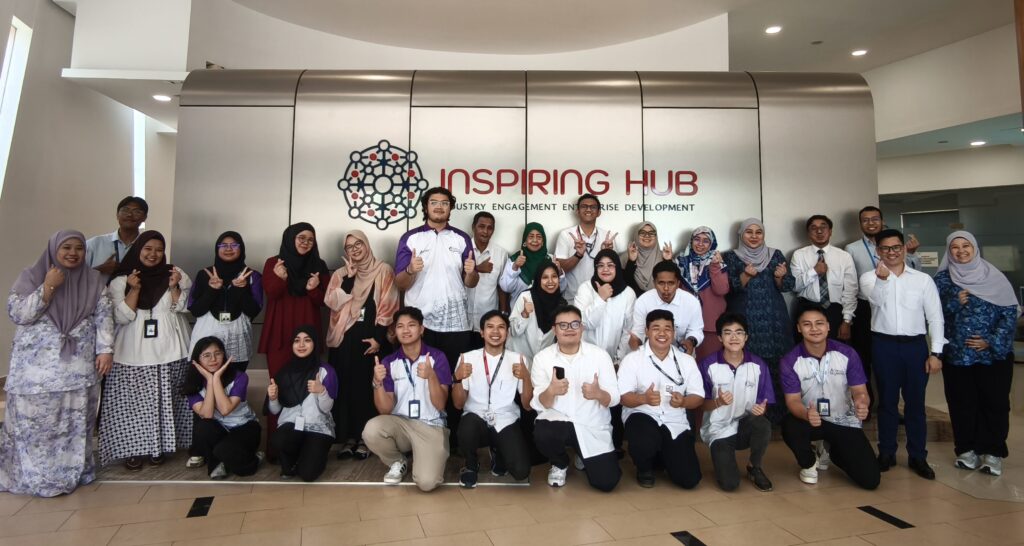
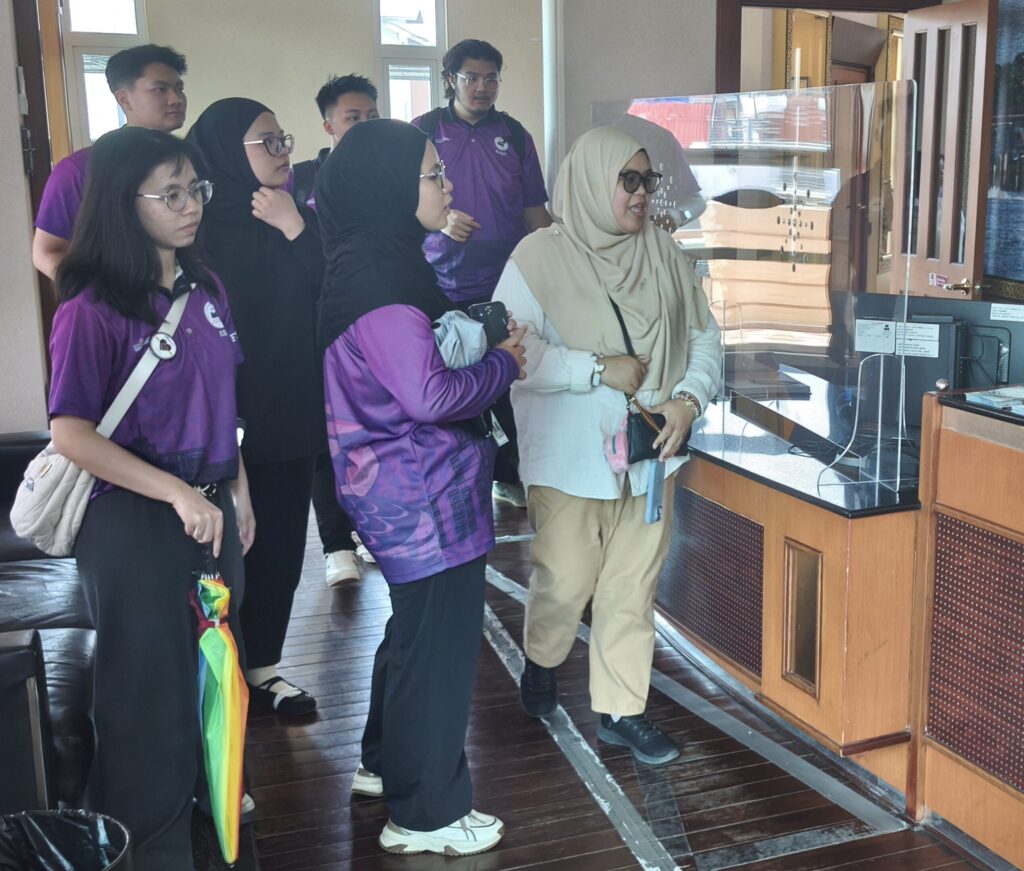
Our learning continued outside the classroom during visits to Kampong Lurong Sikuna, Kampong Ayer and Teratak Setiawan Homestay. These visits introduced us to local history, livelihoods, community life and waste management practices. Instead of only reading or hearing about communities, we had the opportunity to observe and experience aspects of daily life first-hand.
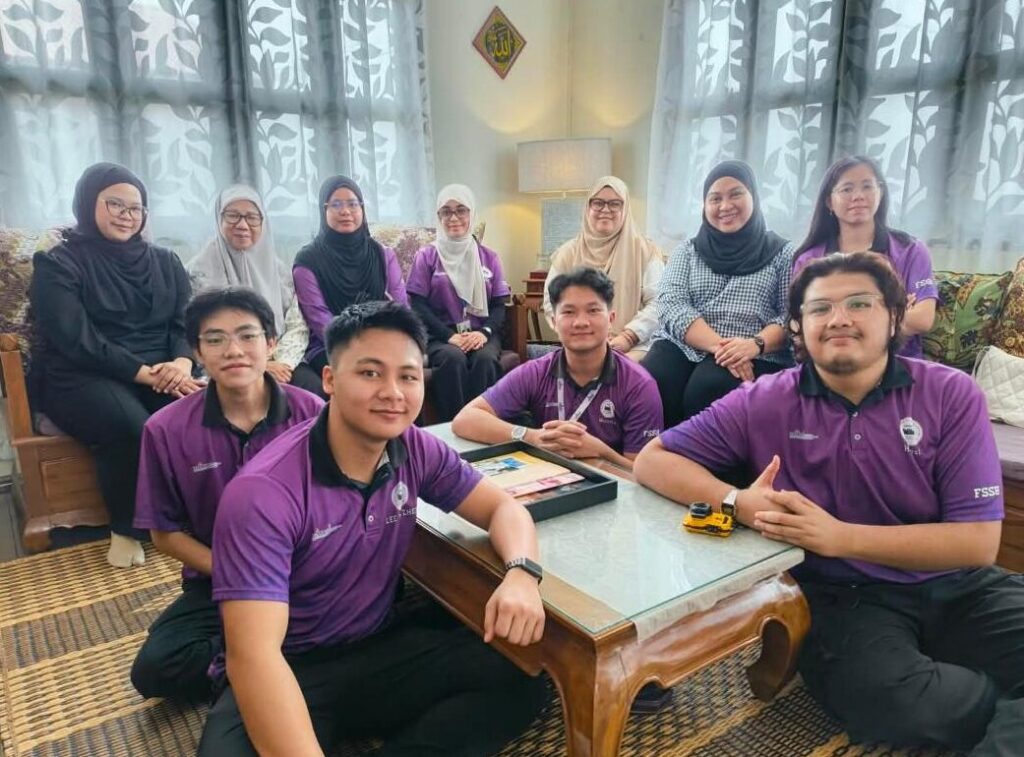
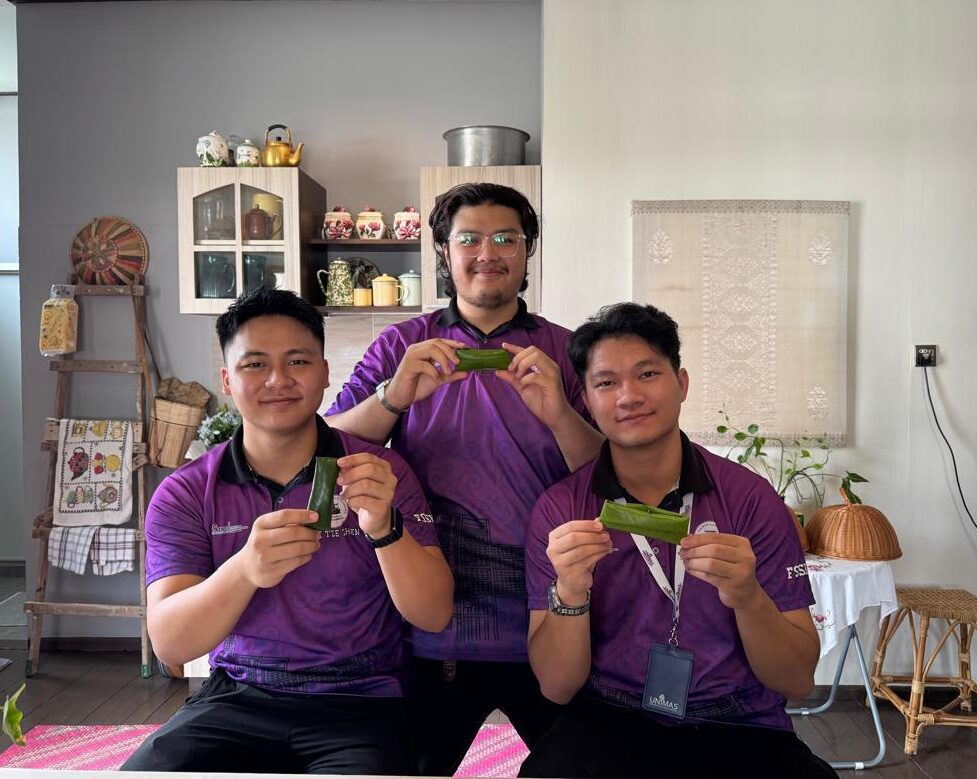
One memorable activity was learning to prepare kelupis pandan. What seemed at first like a simple traditional food-making activity became a lesson in culture, identity and the sharing of knowledge across generations. It showed us that development should not be measured only through physical infrastructure or economic progress. Local traditions and community identity also matter, and they deserve to be valued and preserved.
Looking back, we returned with much more than photographs and memories of Brunei Darussalam. We gained new perspectives on development, a greater appreciation of cultural diversity and connections that may continue long after the programme. The experience brought our SRDPM slogan, “Shaping Ideas, Building Futures,” to life. Our ideas were shaped through learning and dialogue, while the relationships we built may help create future opportunities for collaboration.
We joined the programme hoping to learn about another country. We came home with a broader view of our own studies, new friendships and a stronger understanding of what it means to learn across borders. Sometimes, the most valuable lessons are not found in lecture halls. They emerge when we meet people, share experiences, ask questions and discover how much we can learn from one another.
We would like to express our appreciation to the Faculty of Social Sciences and Humanities (FSSH), our lecturers and UNIMAS Global for giving us the opportunity to be part of this mobility programme. We are grateful for their guidance, encouragement and support in making this experience possible. This journey has not only broadened our perspectives but also given us memories, friendships and lessons that we will carry with us long after returning to UNIMAS.
FSSH – A Partner for Social Change