Building a community that is prepared, confident and ready to respond when lives are at risk
“In an emergency, every second counts. Knowing what to do can make the difference between life and death.”
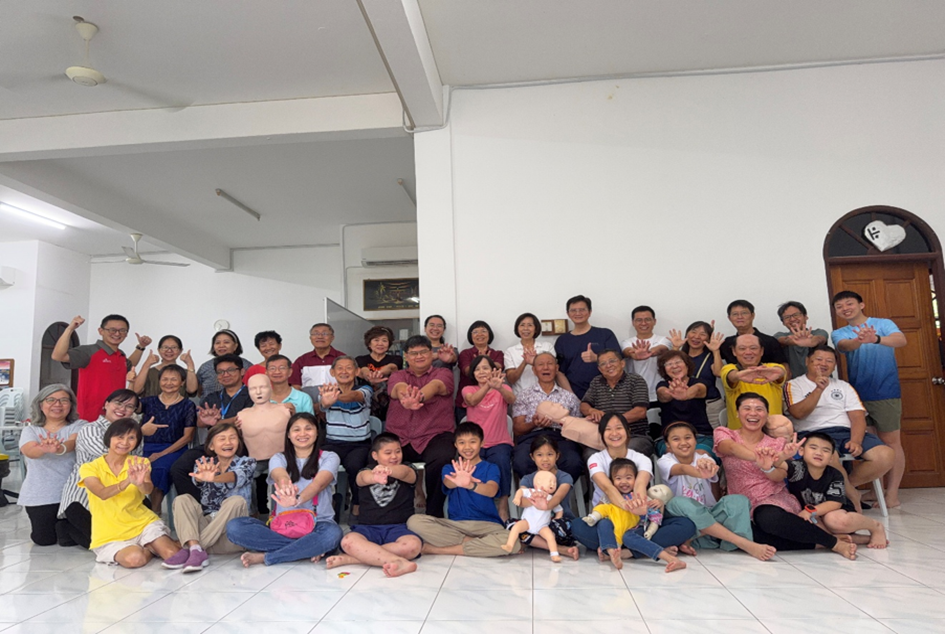
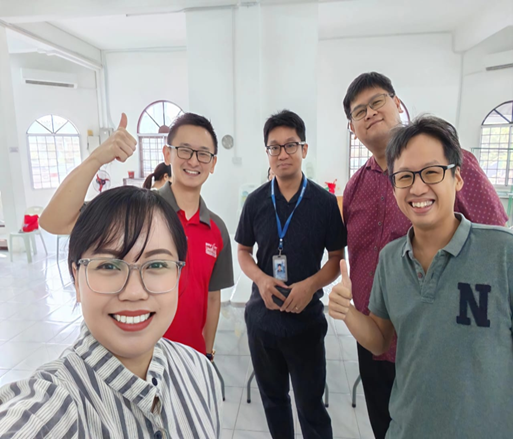
With this message at heart, the Department of Anaesthesiology & Critical Care, Faculty of Medicine & Health Sciences (FMHS), Universiti Malaysia Sarawak (UNIMAS) conducted the Basic Life Support (BLS) Programme for Church Community on 15 August 2026 at Christian Worship Centre (CWC), Sungai Pinang.
Conducted as a Corporate Social Responsibility (CSR) initiative, the programme brought together 30 members of the church community for a meaningful day of learning, hands-on practice and awareness on essential life-saving skills.
The programme was chaired by RN Addilia Anak Day, Registered Nurse from the Department of Anaesthesiology & Critical Care, FMHS, UNIMAS.
Bringing Life-Saving Knowledge Beyond the Hospital
Medical emergencies can happen anywhere, at home, in the workplace, in public spaces or even during a church gathering. When an emergency occurs, the first person available to provide assistance is often not a healthcare professional, but a member of the community.
Recognising the importance of immediate response, the programme was designed to equip participants with fundamental BLS knowledge and practical skills, enabling them to respond more confidently while awaiting professional medical assistance.
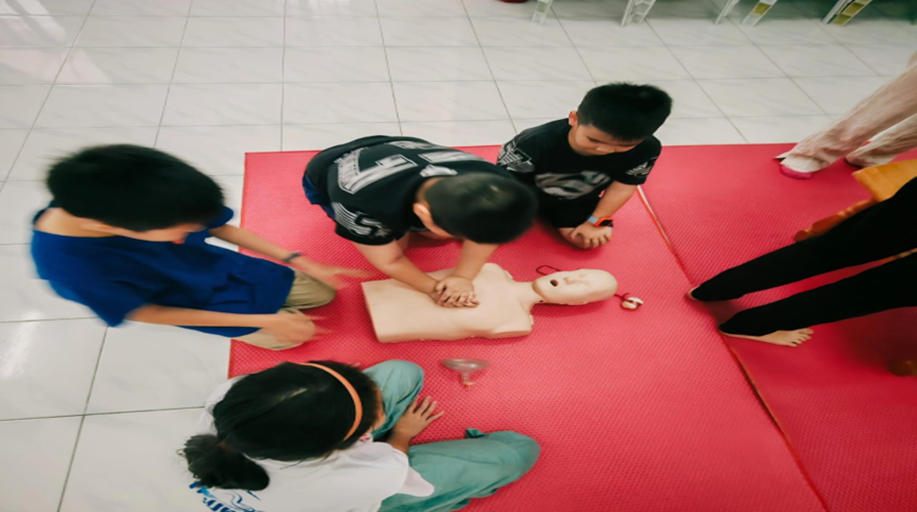
Under the theme “Be Prepared. Save Lives.”, participants were introduced to the principles and practice of Basic Life Support, followed by practical skill stations covering adult CPR and AED, paediatric and infant CPR, and adult and infant choking management.
The practical sessions provided participants with opportunities to learn, practise and reinforce the correct steps in responding to life-threatening emergencies.
Learning from the Experts
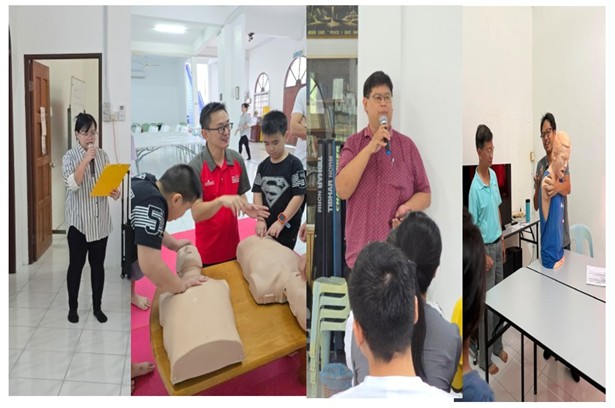
The programme was facilitated by a team of experienced instructors from the Department of Anaesthesiology & Critical Care, FMHS, UNIMAS.
The introductory session on the Principles and Practice of Basic Life Support was delivered by A/P Dr Samuel, who also joined the team in the closing and winding-down session.
The practical skill stations were conducted by A/P Dr Samuel and Dr Tan Boon Hoe for Adult CPR and AED, while A/P Dr Johnny and Dr Wong Wai Kit facilitated the practical sessions on Paediatric and Infant CPR as well as Adult and Infant Choking.
The hands-on approach allowed participants to actively engage with the instructors, ask questions and practise the techniques under guidance, making the learning experience more interactive, practical and relevant to real-life situations.
From Awareness to Confidence
The programme also incorporated pre- and post-event surveys to gather participants’ feedback and evaluate their learning experience.
The feedback received was highly encouraging. Participants described the session as “very good,” “very useful,” “very informative” and “satisfactory.” Several participants highlighted that the knowledge gained would be useful during emergency situations.
Participants also expressed interest in having more community-based programmes in the future.
Some participants suggested allocating more time for each practical session, particularly to allow additional opportunities to practise and reinforce the correct BLS steps.
These responses demonstrate that community members are not only interested in learning life-saving skills, but also recognise the importance of maintaining and refreshing these skills over time.
Every Community Member Can Be a Lifeline
The programme carries an important message: BLS is not a skill reserved only for healthcare professionals.
In the critical minutes before an ambulance arrives, a trained bystander can become an essential link in the chain of survival. Knowing how to recognise an emergency, activate emergency medical services, perform CPR, use an AED and manage choking can provide a vital opportunity for a person in distress.
Therefore, empowering members of the community with BLS knowledge is more than simply teaching a procedure, it is about building confidence to act when action matters most.
UNIMAS: Knowledge with Purpose
The BLS Programme for Church Community reflects the commitment of the Department of Anaesthesiology & Critical Care, FMHS, UNIMAS, to extend health education and life-saving knowledge beyond the university and clinical setting.
This initiative demonstrates how professional knowledge and skills can be transformed into meaningful community service bringing the expertise of healthcare professionals directly to the people who may one day need to use these skills.
Building a More Prepared Community
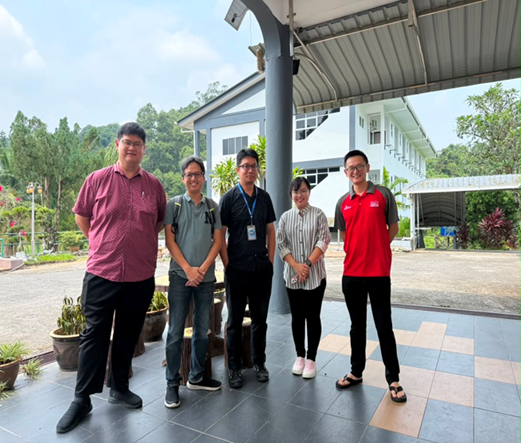
The success and positive response to the programme highlight the importance of continuing community-based BLS education.
The ultimate goal is simple: to create communities that are prepared to respond, confident to act and willing to help save a life.
A cardiac arrest does not wait for a hospital. An emergency does not wait for a doctor. So, neither should our preparedness.
Through initiatives such as this, UNIMAS continues to demonstrate that community engagement is not merely about sharing knowledge, it is about empowering people with skills that can make a difference when every second counts.
Be prepared. Stay calm. Act fast. Save a life.