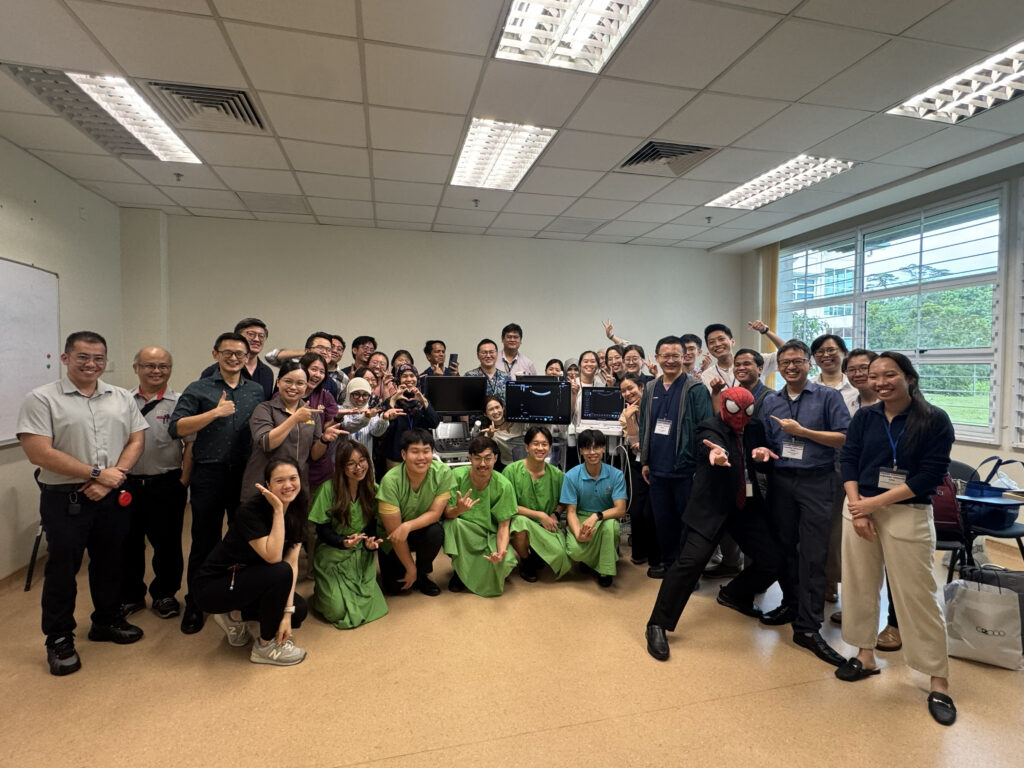
Bringing immersive cadaveric education closer to anaesthesia professionals in East Malaysia
The Sarawak Anaesthesia Cadaveric Workshop marked a historic milestone in Malaysian anaesthesia education. Held over three days at the Faculty of Medicine, Universiti Malaysia Sarawak (UNIMAS), Kuching, from 29 April to 1 May 2026, the workshop seamlessly integrated clinically relevant anatomy, regional anaesthesia, advanced airway intervention, and point-of-care ultrasound (POCUS) into an immersive learning experience.
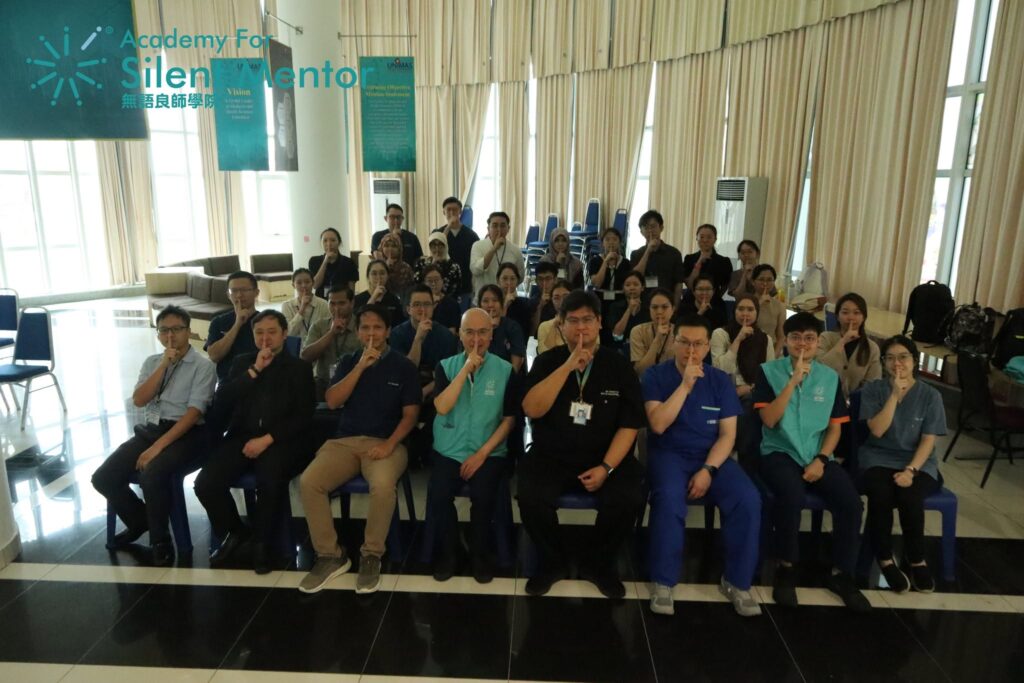
The workshop was led by Associate Professor Dr Johnny Kiu Toh Sing, whose vision and leadership were instrumental in establishing advanced cadaveric anaesthesia training in Kuching. The programme was conducted in close collaboration with the Academy for Silent Mentor, whose invaluable contribution provided a deeply respectful, anatomy-based platform for medical education.
Historically, cadaveric anaesthesia workshops have been concentrated in Peninsular Malaysia or overseas. For clinicians based in Sarawak, attending these programmes demanded significant travel time, prolonged absence from clinical duties, and substantial financial investment. Through meticulous planning, robust institutional support, and cross-professional collaboration, this high-tier training was brought directly to the doorstep of anaesthesia professionals in Sarawak and the wider East Malaysian region.
A major highlight of the event was the Cadaveric Airway Intervention Workshop, the first programme of its kind within the Malaysian anaesthesia fraternity. Airway POCUS and gastric ultrasound were heavily integrated into the curriculum, elevating the workshop beyond isolated procedural practice to encompass comprehensive bedside assessment and perioperative decision-making.
From Anatomy to Safer Patient Care
The Sarawak Anaesthesia Cadaveric Workshop transcended the boundaries of a traditional three-day technical course by uniting anatomy, modern technology, procedural mastery, and professional reflection.
- In Regional Anaesthesia: The workshop enabled participants to move beyond simply recognizing patterns on an ultrasound screen, fostering a deeper three-dimensional understanding of the nerves, muscles, and fascial planes represented by those images.
- In Airway Management: It offered a rare, low-stakes environment to explore and practice complex interventions that become life-saving during critical airway emergencies.
- In Bedside Assessment: Incorporating airway POCUS and gastric ultrasound directly linked foundational anatomical knowledge with contemporary clinical application.
The introduction of the first-ever Cadaveric Airway Intervention Workshop in Anaesthesia Malaysia marks a meaningful evolution in airway education. The skills and insights gained over these three days will extend far beyond the cadaveric laboratory—translating into safer clinical practices in operating theatres, intensive care units, and emergency departments across the region.
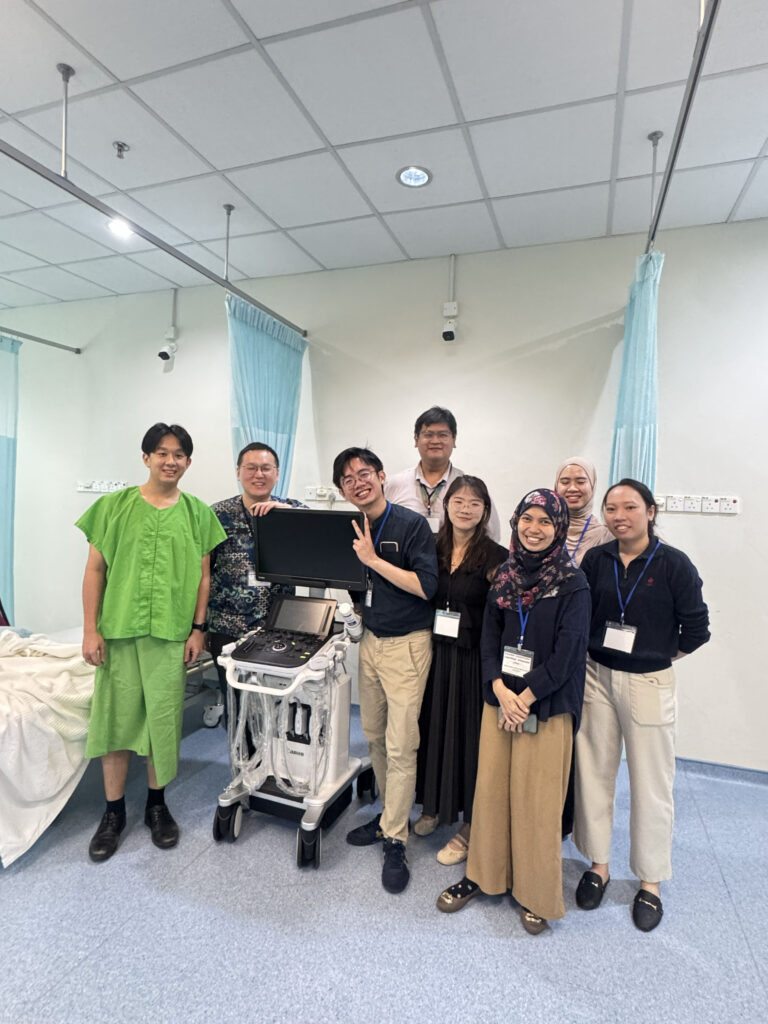
Bridging Anatomy and Clinical Practice
Anatomy remains the bedrock of modern anaesthesiology. In regional anaesthesia, safe needle trajectory and placement depend entirely on a precise understanding of nerves, muscles, fascial layers, and adjacent blood vessels. Similarly, in emergency airway management, clinicians must intuitively appreciate the relationship between external surface landmarks and deeper structures like the larynx, cricothyroid membrane, and trachea.
While modern technology has transformed the specialty—with ultrasound guidance allowing real-time visualization of needle tips and video laryngoscopes clarifying glottic views—technology does not replace anatomical expertise.
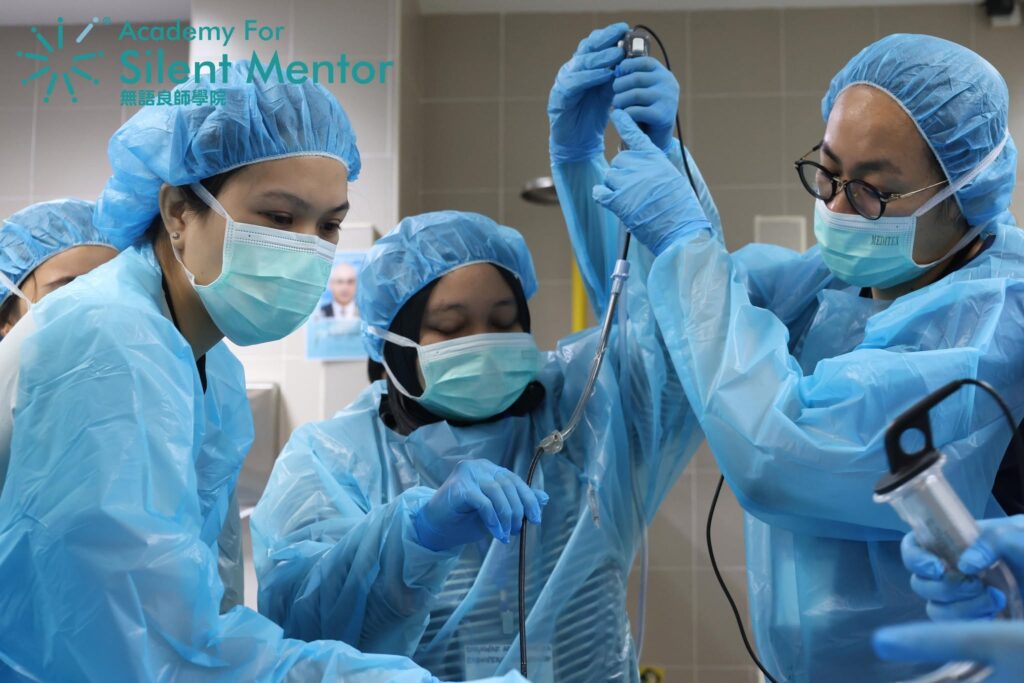
The Ultrasound Limitation: Ultrasound provides a two-dimensional representation of highly complex, three-dimensional anatomy. Images vary significantly based on probe orientation, tissue depth, patient positioning, and individual anatomical variations.
Cadaveric learning bridges this gap. By performing direct anatomical examinations, participants correlated surface landmarks and live ultrasound images with actual underlying tissues. This approach encouraged clinicians to move away from blindly memorizing standard images or rigidly following fixed procedural steps. Instead, the emphasis was placed on understanding why a technique succeeds, how it might fail, and how to adapt when a patient’s anatomy deviates from the textbook standard.
Malaysia’s First Anaesthesia Cadaveric Airway Intervention Workshop
As a pioneering component of the programme, the Cadaveric Airway Intervention Workshop addressed one of the most high-stakes responsibilities of the anaesthesiologist: managing the difficult airway. While catastrophic airway failures are rare, they deteriorate rapidly. In a “Cannot Intubate, Cannot Oxygenate” (CICO) crisis, clinicians must make split-second decisions and execute rescue interventions under extreme time pressure.
Because emergency front-of-neck access (FONA) is rarely encountered in routine practice, maintaining competence is a ongoing challenge. High-fidelity simulation mannequins are excellent for mastering algorithms and teamwork, but they cannot accurately replicate human tissue compliance, subtle anatomical variations, or genuine tactile feedback.
The cadaveric model successfully filled this educational void:
- Tactile Feedback: Participants experienced the true resistance of human tissue layers during emergency cricothyroidotomy.
- Spatial Awareness: The lab provided a realistic understanding of the depth, angulation, and restricted working space involved in invasive airway procedures.
- Integrated Diagnostics: The addition of airway POCUS allowed participants to use ultrasound to identify distorted airway landmarks, while gastric ultrasound introduced point-of-care assessment of gastric volume to gauge aspiration risks.
Ultimately, the workshop looked beyond pure technical dexterity, actively training participants in clinical decision-making, human factors, and the vital cognitive transition from routine airway management to invasive rescue strategies.
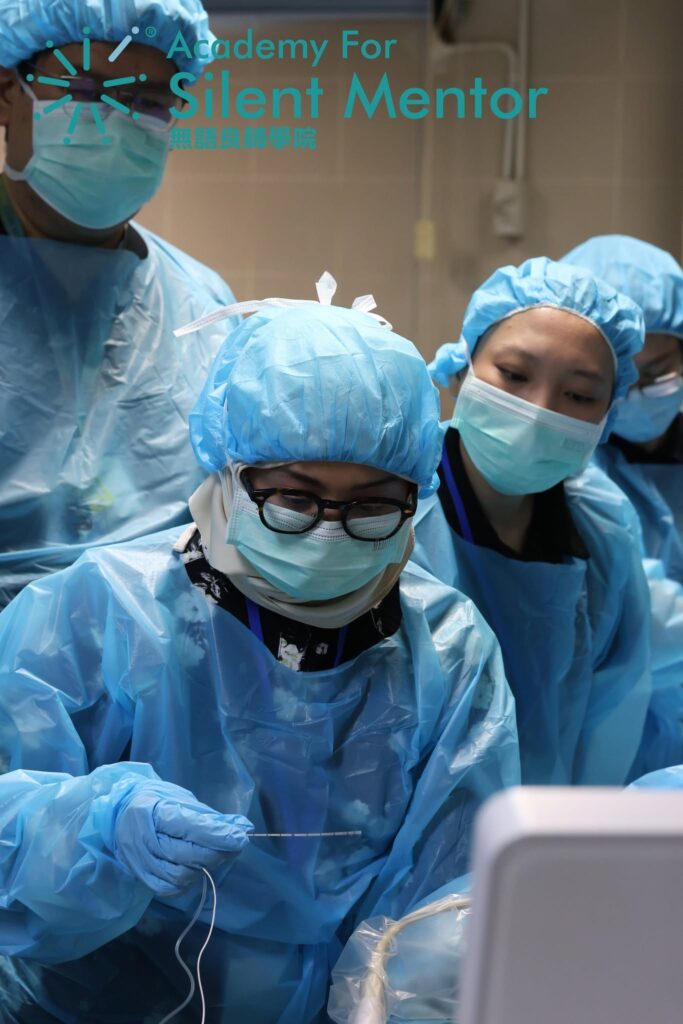
Respecting the Gift of the Silent Mentors
Cadaveric education carries profound ethical significance. Every learning opportunity enjoyed during the workshop was made possible by the extraordinary altruism of individuals who donated their bodies to medical science, and the enduring support of their families.
The collaboration with the Academy for Silent Mentor served as a constant reminder that these donors were not merely anatomical specimens, but teachers. They were individuals whose final, selfless act ensures that healthcare professionals can provide safer, more compassionate care to thousands of future patients.
Accordingly, all laboratory sessions were approached with the utmost dignity, respect, and gratitude. This close interaction with real human anatomy also instilled a sense of professional humility; human structures are rarely as pristine or predictable as textbook illustrations. This variability reminds clinicians that every patient is unique, and that procedural techniques must always be applied thoughtfully rather than mechanically.
Strengthening Anaesthesia Education in Sarawak
Bringing this advanced curriculum to UNIMAS represents a monumental shift for medical education in East Malaysia. By decentralizing this elite tier of training from Peninsular Malaysia and overseas, the organizers successfully lowered geographical and financial barriers for local healthcare professionals.
Central to this achievement was Associate Professor Dr Johnny Kiu’s vision. His objective extended beyond simply hosting a one-off event; he sought to build Sarawak’s localized capacity to organize, deliver, and sustain advanced postgraduate anaesthesia training.
Under his guidance, the workshop established Sarawak as a proactive hub for educational innovation. Localized delivery has successfully catalyzed regional networking and accelerated the development of a home-grown faculty. The clinicians who sharpened their skills at this workshop will eventually step up as the facilitators, mentors, and leaders of tomorrow.
From 29 April to 1 May 2026, the Faculty of Medicine at UNIMAS proved that Sarawak possesses the leadership, commitment, and infrastructural capability to shape the future of anaesthesia education in Malaysia.