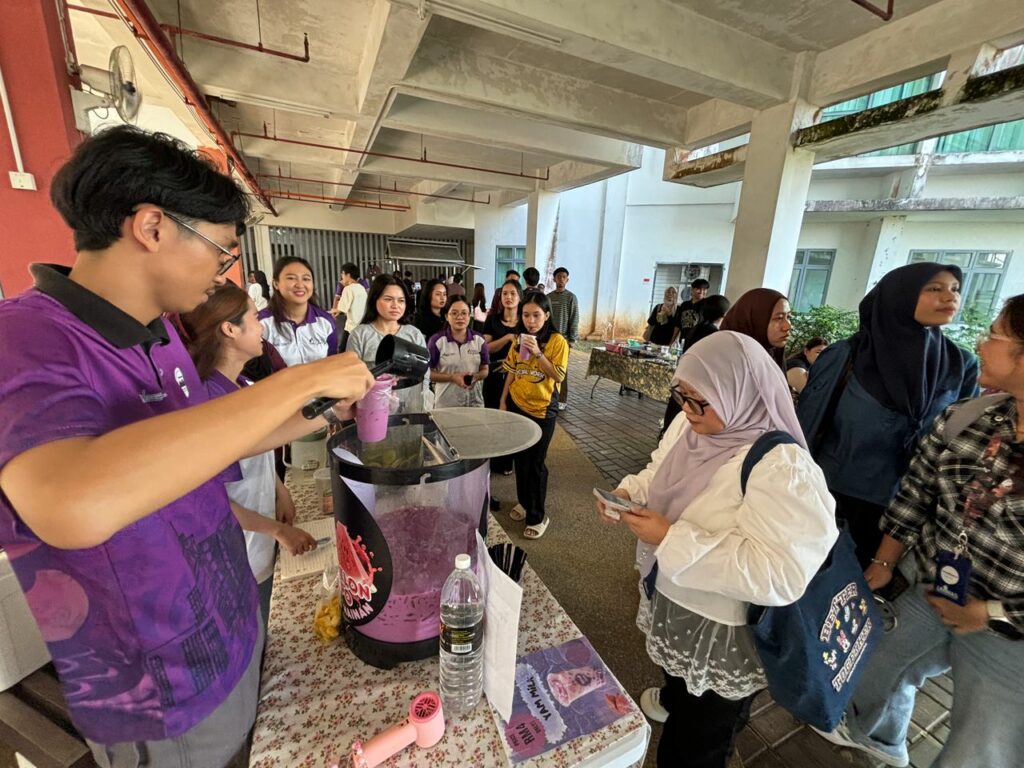
SSF2213 Project Planning & Management class, taught and coordinated by Dr Regina Garai, held their Project Day on 5th May 2026. This semester, their assessment is based on a stall/booth concept.
The stall-based assessment is designed as an experiential learning activity where students learn through direct participation, real-world interaction, and reflective practice rather than through conventional examinations and lectures alone. Drawing from Experiential Learning, students are required to plan, organise, and operate a stall collaboratively, allowing them to apply theoretical knowledge in authentic situations involving communication, teamwork, decision-making, and problem-solving.
The assessment also incorporates elements of adaptive learning, as students must continuously adjust their strategies, roles, and responses according to changing circumstances during the activity. This process encourages flexibility, resilience, and critical thinking in dynamic learning environments.
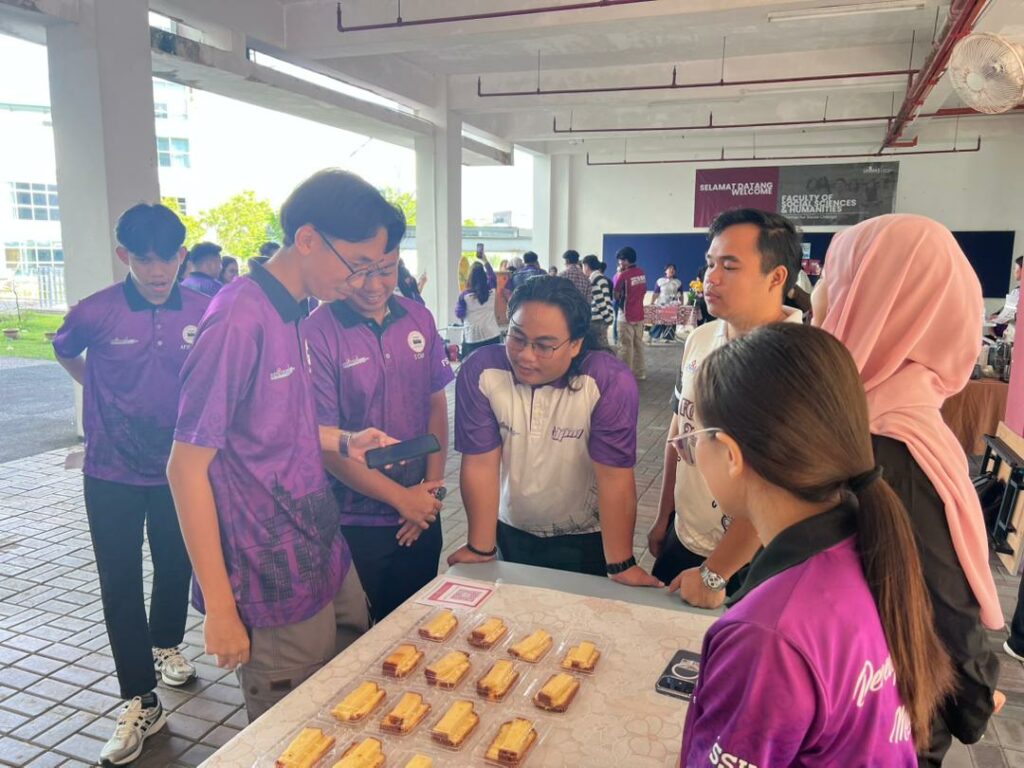
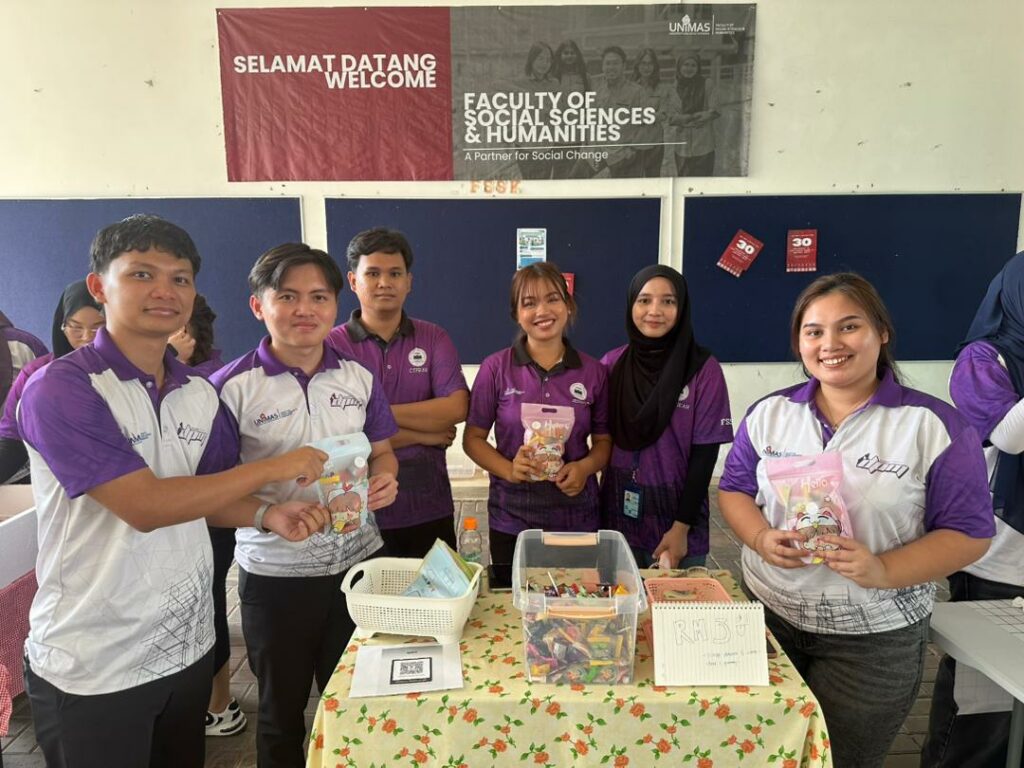
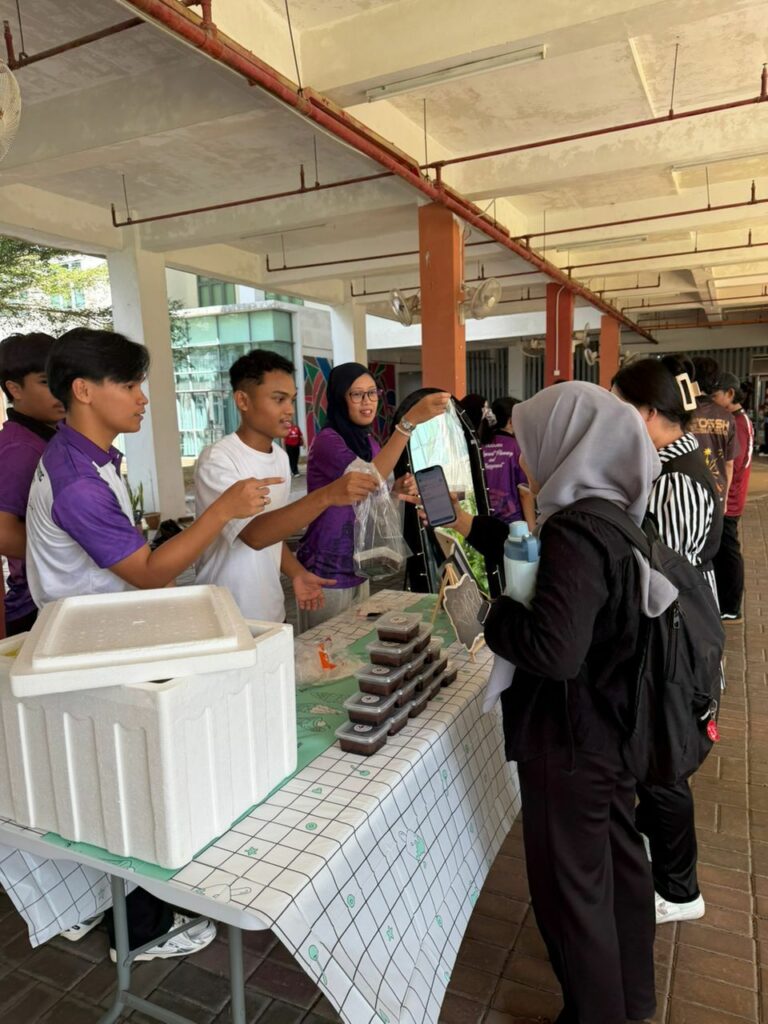
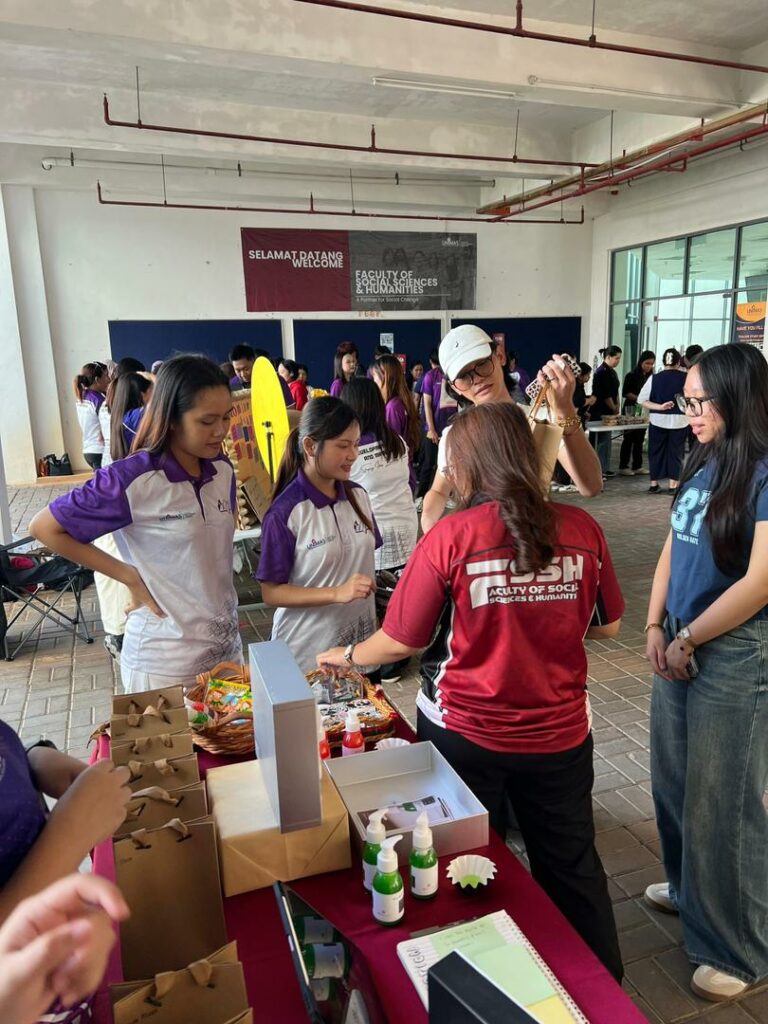
To deepen the learning experience, the assessment integrates planned pedagogical disruption, where unexpected challenges or changes are intentionally introduced into the activity. These disruptions include sudden operational constraints, format changes, or resource limitations that require students to adapt under pressure. Rather than viewing disruption negatively, the approach uses disruption as a learning mechanism to stimulate creativity, responsiveness, and adaptive problem-solving. Through this disruption-based experiential design, students are exposed to more realistic and unpredictable conditions that better reflect real-world situations and enhance higher-order learning outcomes.
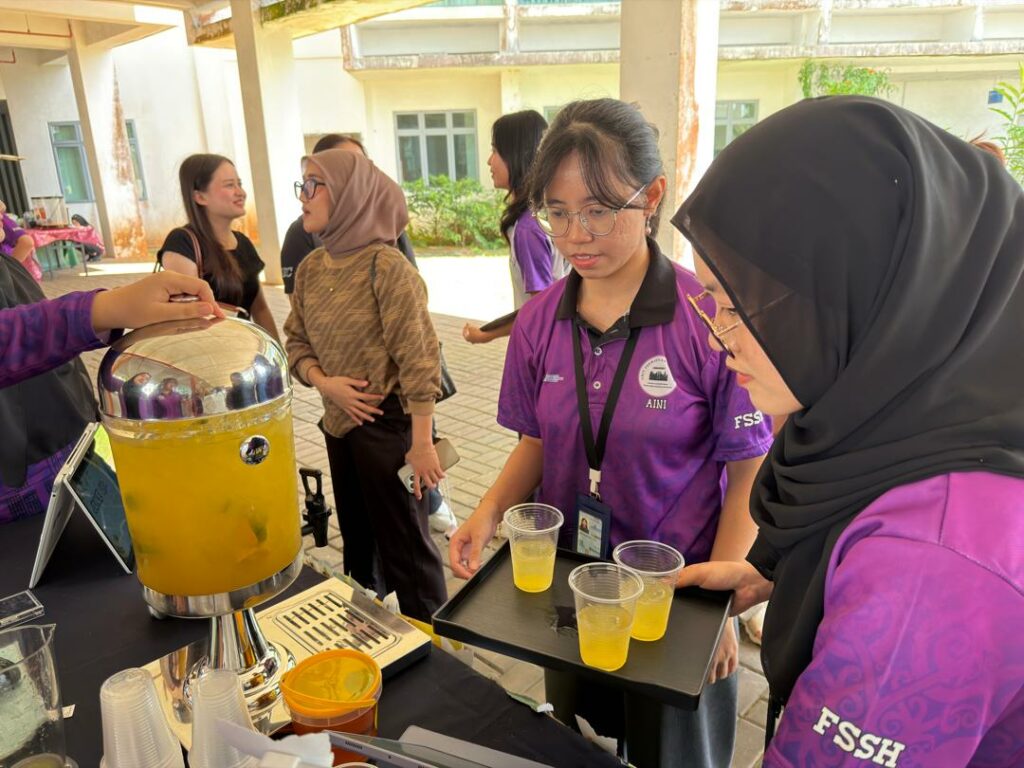
One student, Ms. Aini Syhirah binti Amat, said that the project day has provided a valuable opportunity for her to enhance her ability to manage limited time and resources effectively, while also allowing her to experience the full process of conducting a project from initiation to completion.
Another student, Sylven Winkler Wong, said that the project also taught students to face risks and adapt to unexpected challenges. For example, when a booth vendor suddenly cancelled two days before the event, his group quickly adjusted their strategy to ensure the stall could still operate smoothly. This experience showed the importance of teamwork, problem-solving, and staying calm under pressure.
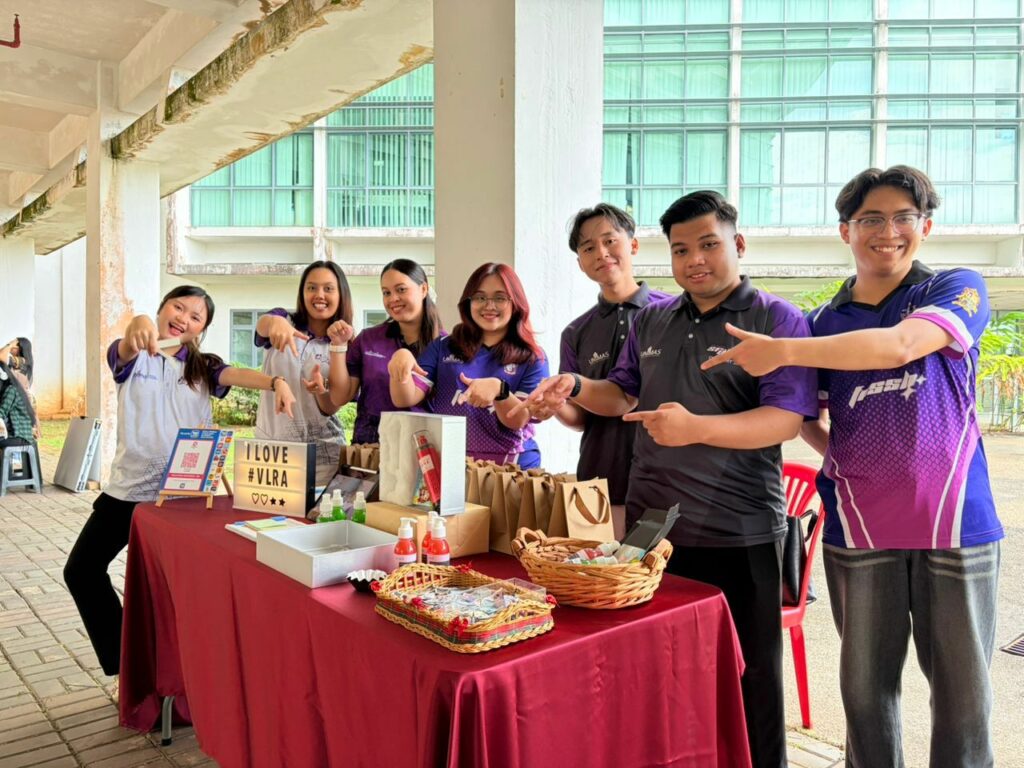
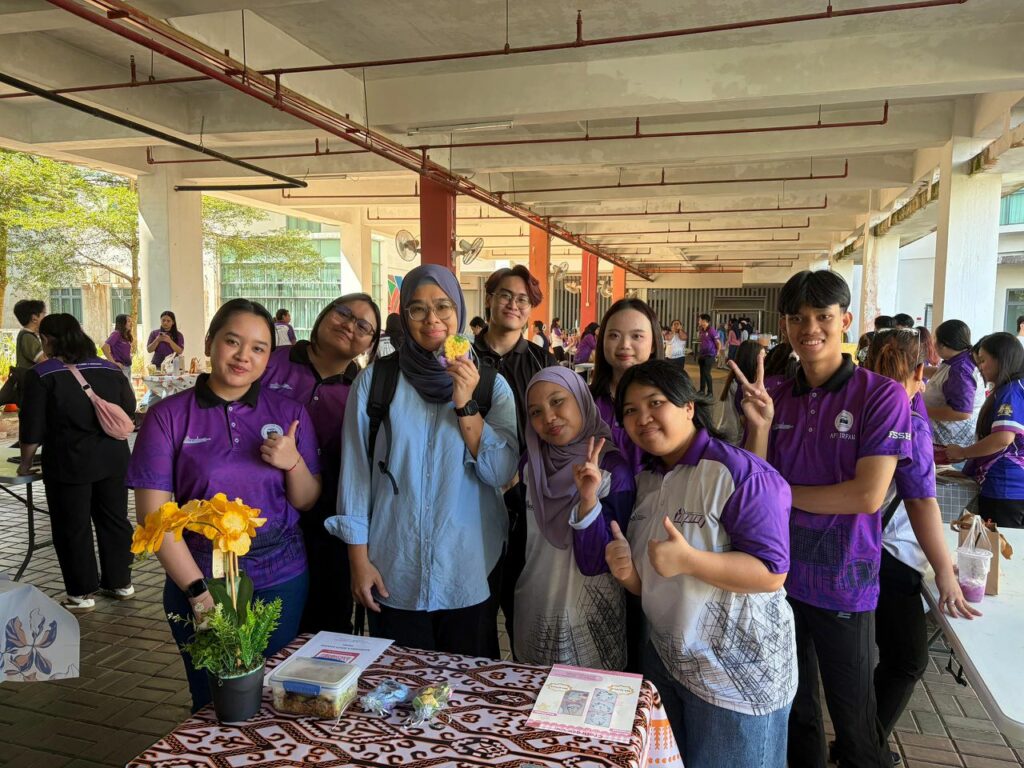
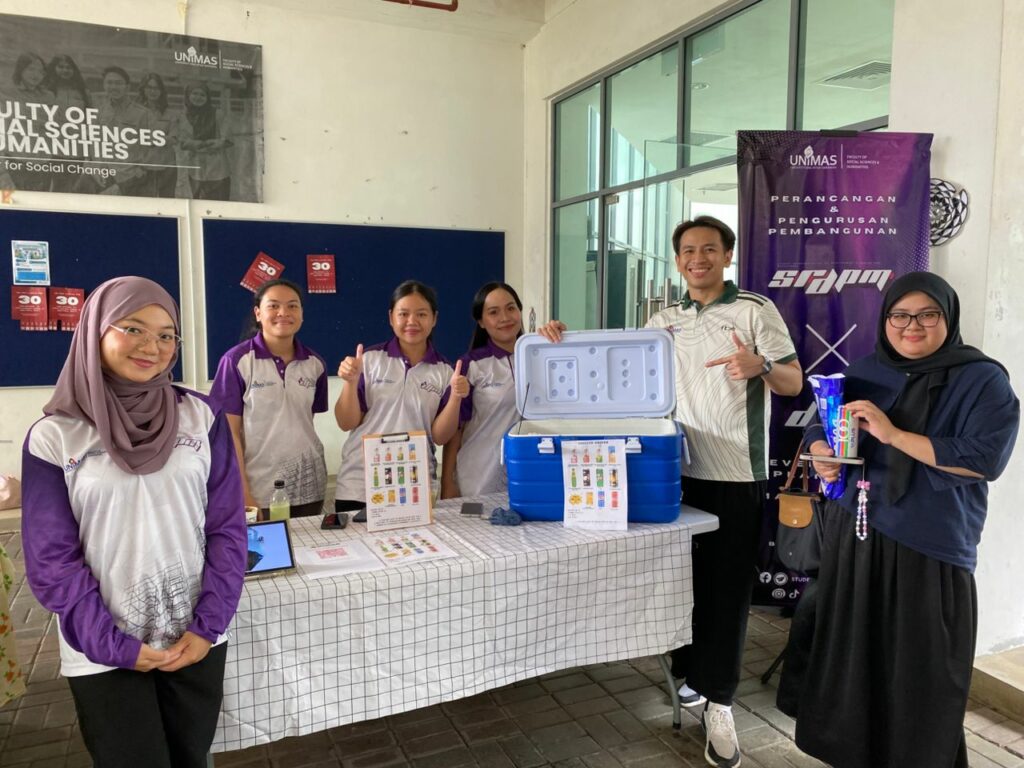
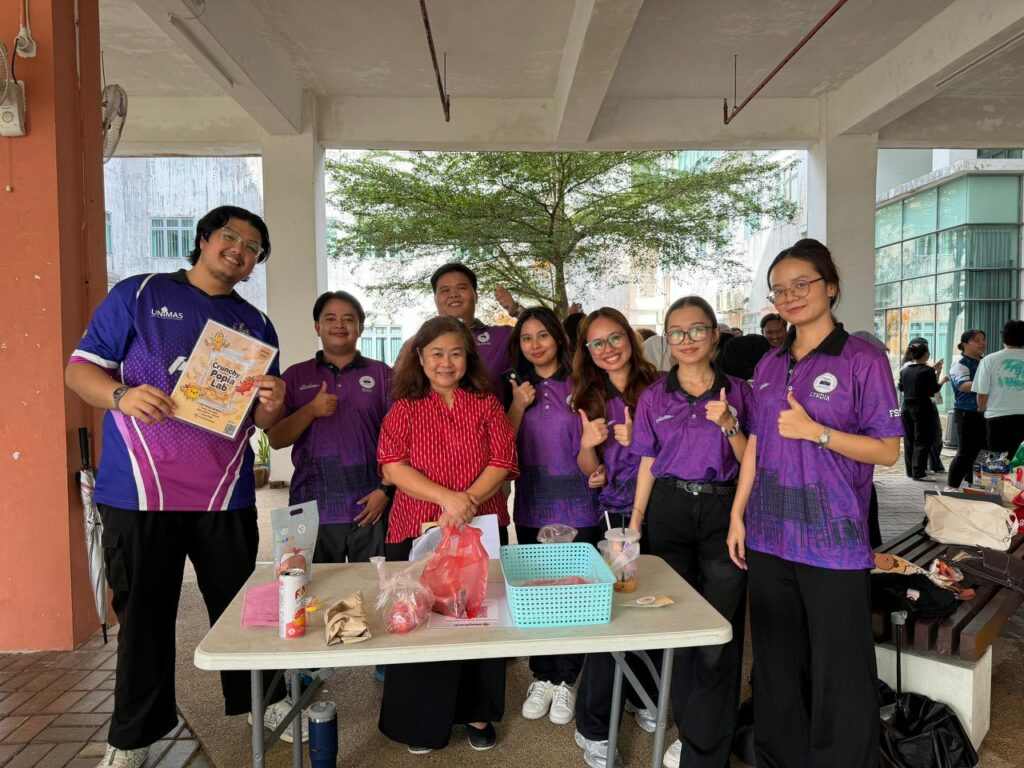
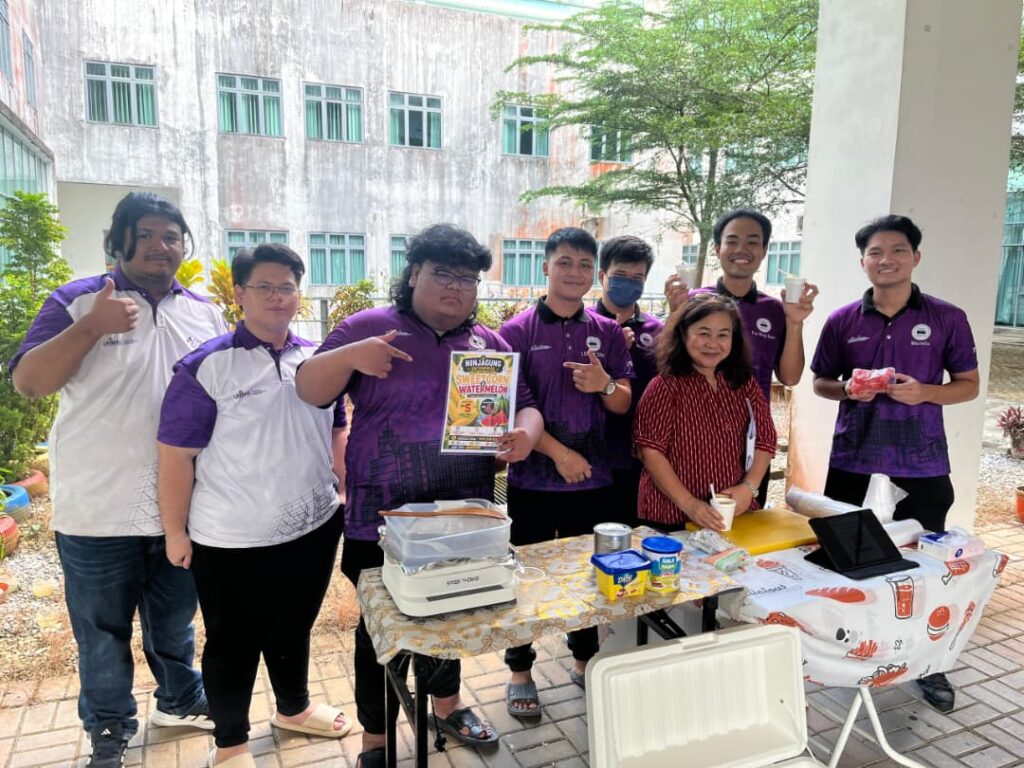
It is not about who got the largest profit, but more on how the project was planned, implemented and monitored.
FSSH – A Partner for Social Change