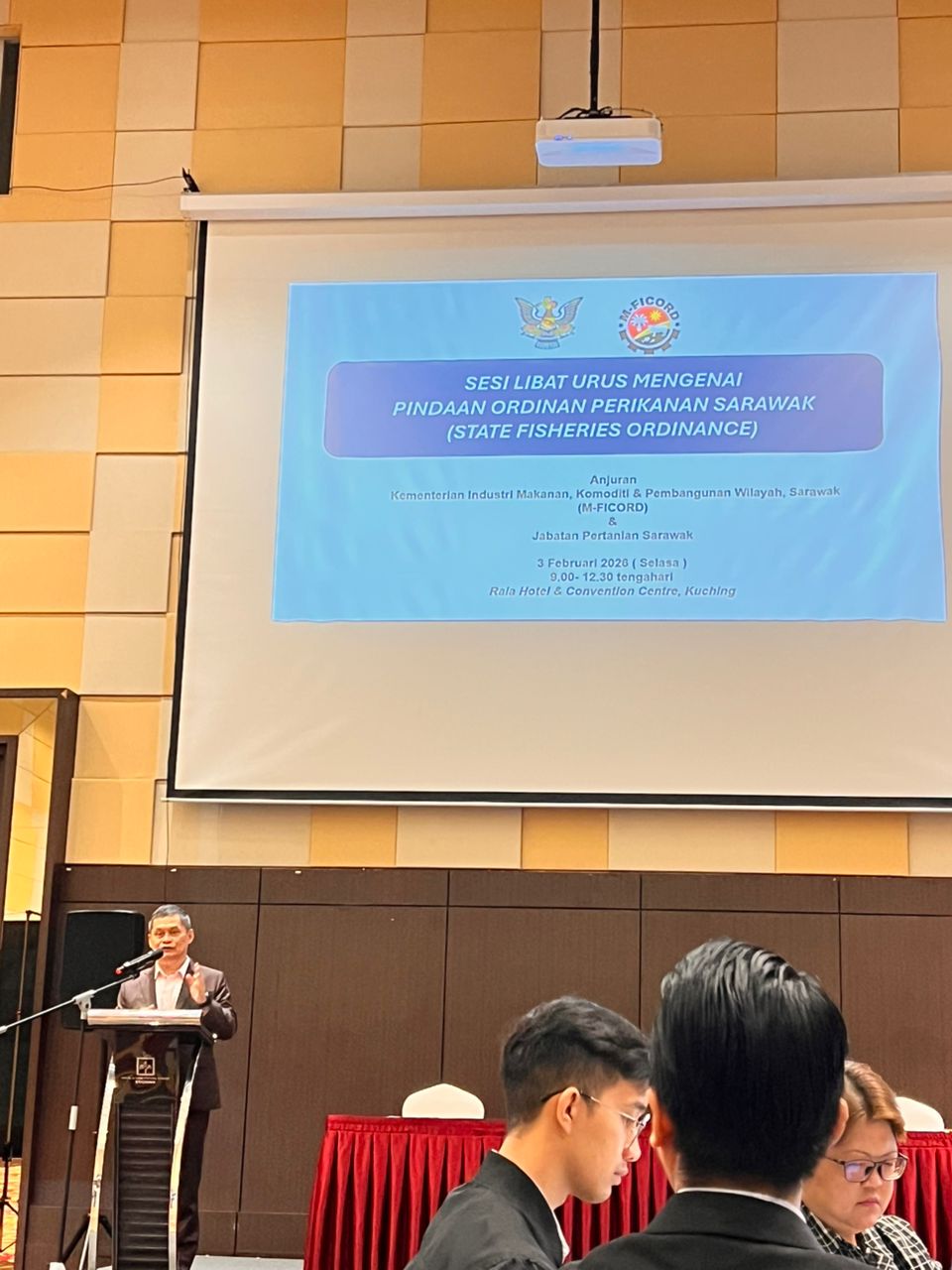
KUCHING, 3 February 2026 – Universiti Malaysia Sarawak (UNIMAS) continues to contribute its academic and scientific expertise towards state policy development through its participation in the Engagement Session on the Proposed Amendments to the Sarawak Fisheries Ordinance 2003, organised by the Ministry of Food Industry, Commodity and Regional Development Sarawak.
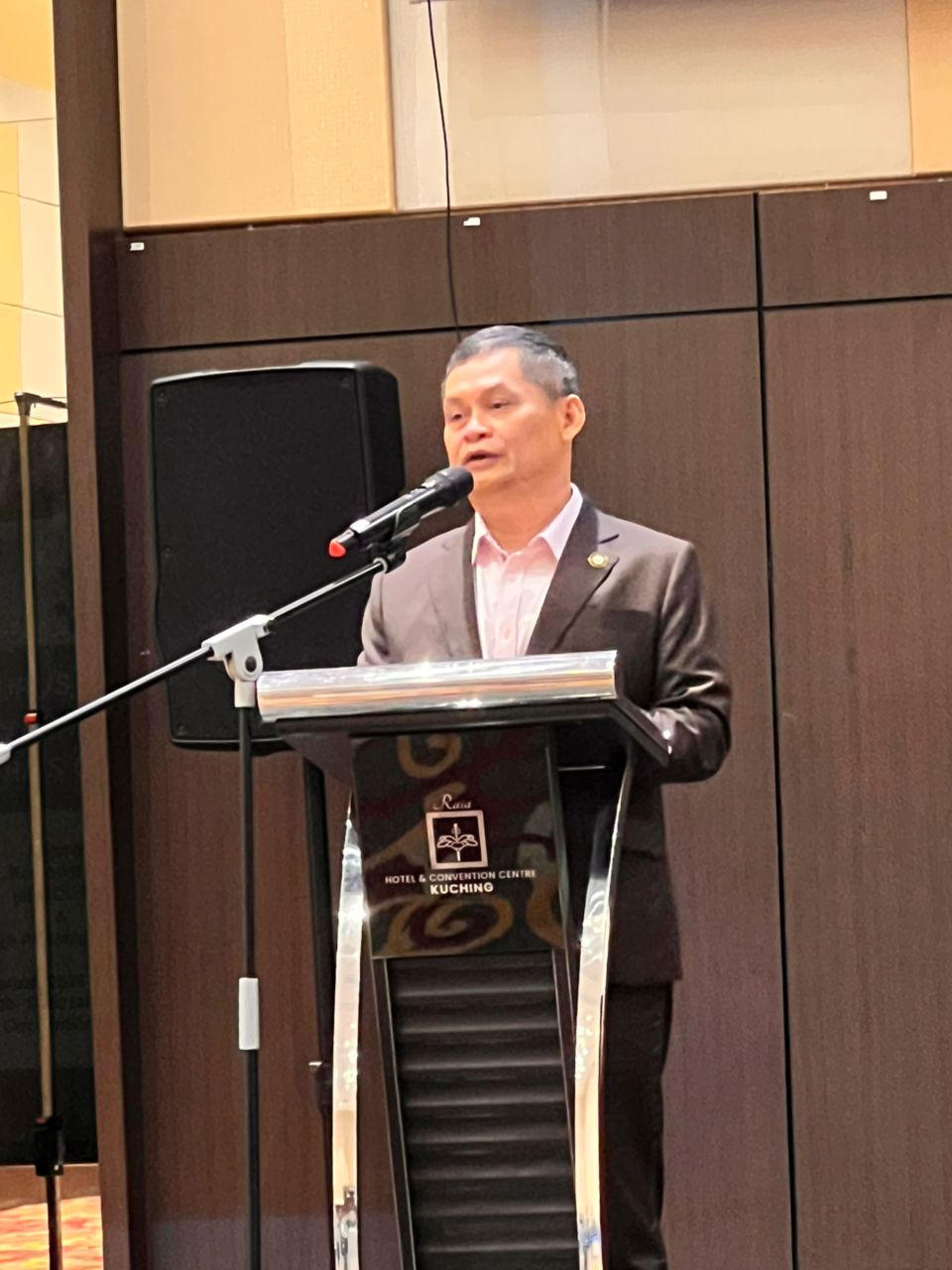
The session was officiated by Datu Sirai Anak Daha, Permanent Secretary of the Ministry of Food Industry, Commodity and Regional Development Sarawak.
UNIMAS was represented by Prof. Dr. Samsur Mohamad and Dr. Ahmad Syafiq Ahmad Nasir during the session, which brought together representatives from various government agencies, academic institutions and fisheries-related stakeholders to discuss proposed amendments to the ordinance.
Among the agencies and organisations present were the Inland Fisheries Division, Sarawak Department of Agriculture (DoA), Department of Fisheries Malaysia (DoF), Sarawak Marine Fisheries Department (JPLS), Sarawak Forestry Corporation (SFC), Sarawak Biodiversity Centre (SBC), Universiti Putra Malaysia (UPM) Sarawak, Persatuan Nelayan Sarawak (PENESA), Lembaga Kemajuan Ikan Malaysia (LKIM), Malaysian Maritime Enforcement Agency (APMM), Sarawak Economic Development Corporation (SEDC) and the Sarawak Attorney General’s Chambers (SAG).
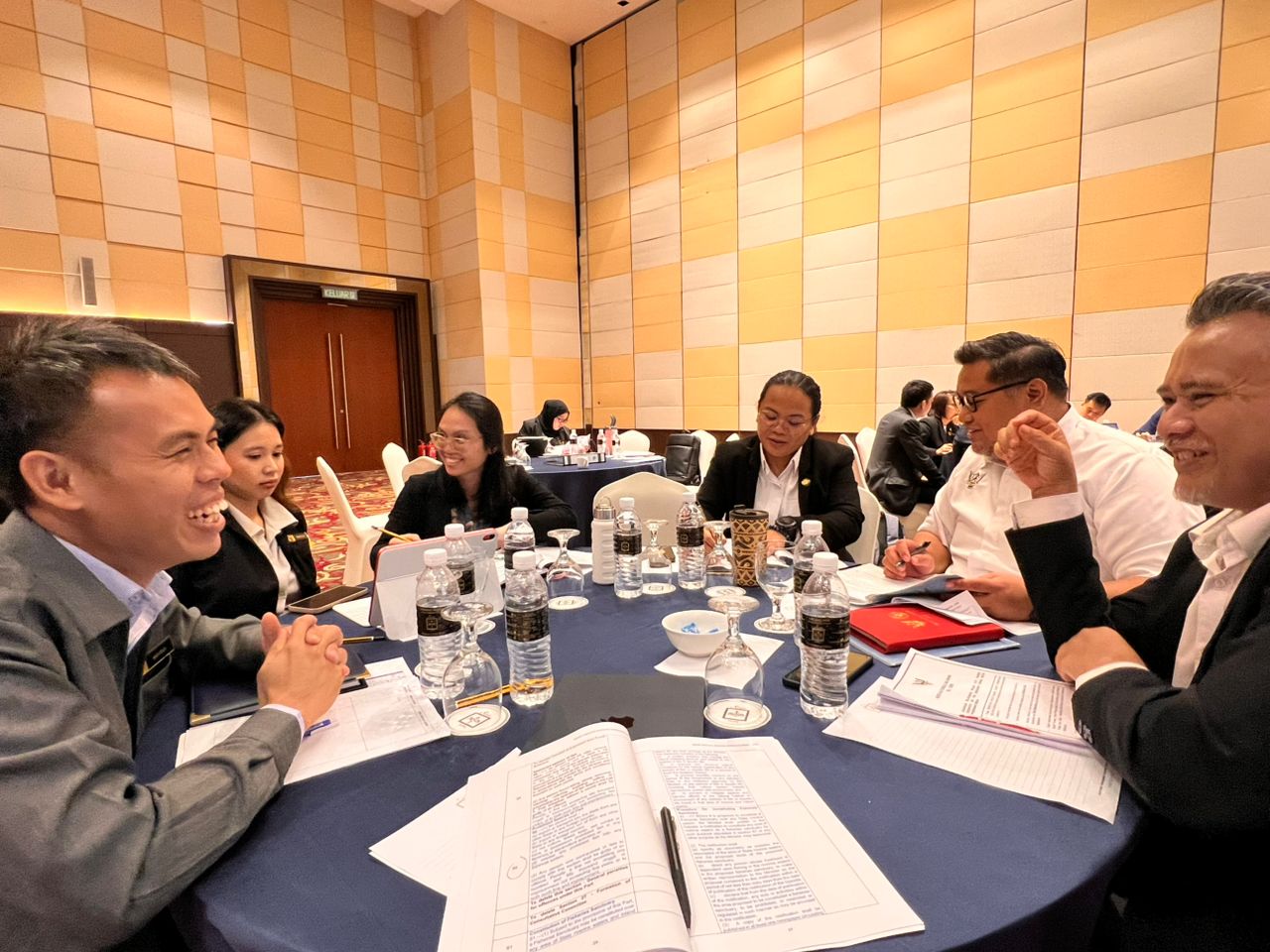
Discussions focused on strengthening the state’s fisheries legal framework to ensure it remains responsive to current and emerging challenges. Key issues highlighted during the session included sustainable fisheries resource management, invasive alien species (IAS) control, sustainable aquaculture development and the implementation of Community Fisheries Management Area (CFMA) approaches.
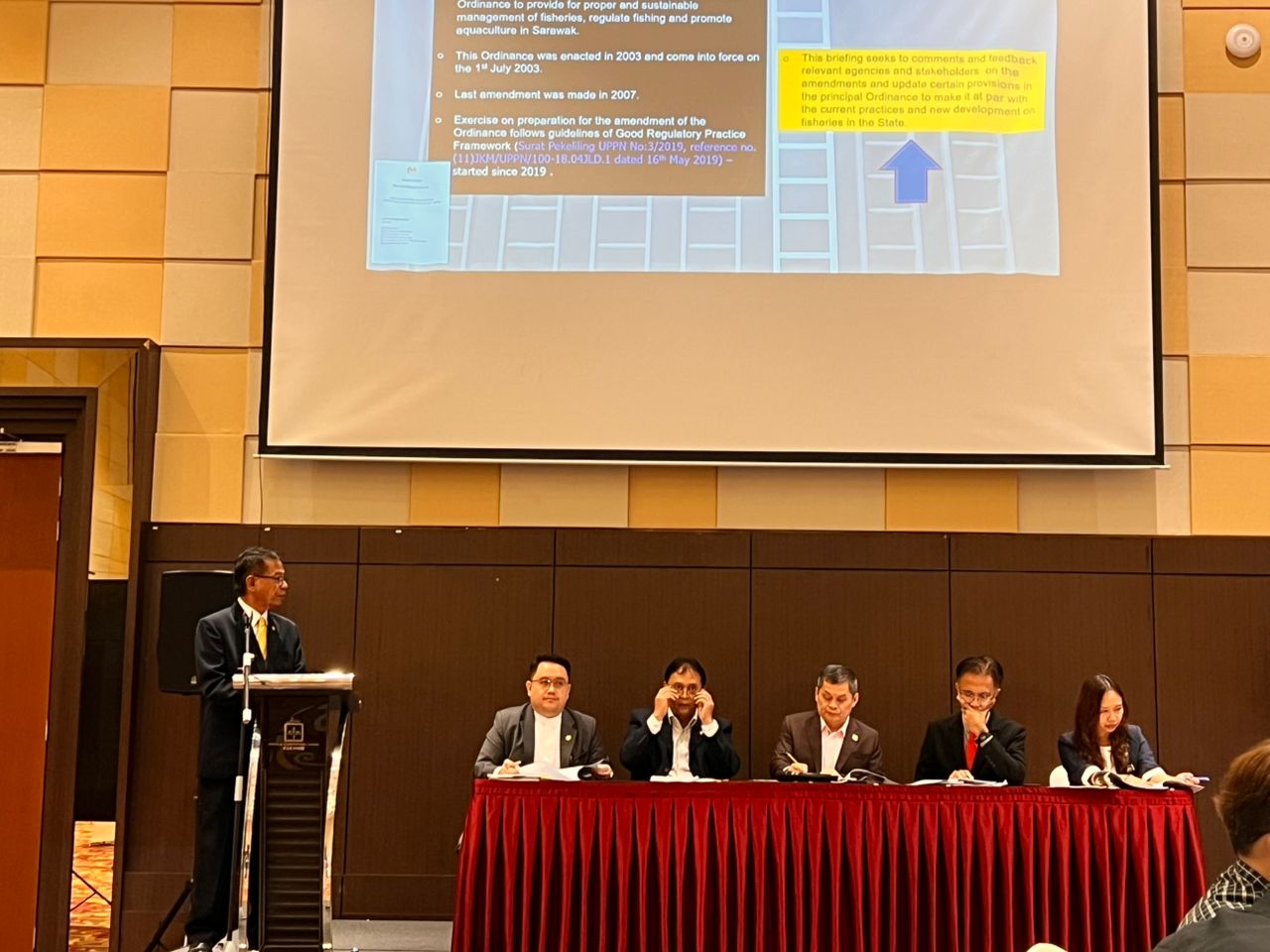
Participants also discussed the need to strengthen enforcement mechanisms, fisheries resource monitoring and the integration of scientific evidence with local knowledge in policy formulation. Such an approach is considered crucial to ensuring the long-term sustainability of Sarawak’s fisheries resources while supporting the livelihoods of local fishing communities and the state’s economic development.
Dr. Ahmad Syafiq Ahmad Nasir noted that the proposed amendments represent an important step towards ensuring that the Sarawak Fisheries Ordinance 2003 remains relevant in addressing global and regional challenges, including climate change, aquatic habitat degradation and biodiversity threats.
“Fisheries management today requires a more holistic and inclusive approach that incorporates community participation, scientific evidence and cross-agency collaboration to ensure the sustainability of fisheries resources for future generations,” he explained.
He further emphasised the importance of incorporating clearer provisions related to invasive alien species (IAS) management within the ordinance, considering the increasing threats posed by invasive species to native aquatic biodiversity, particularly within inland freshwater ecosystems in Sarawak.
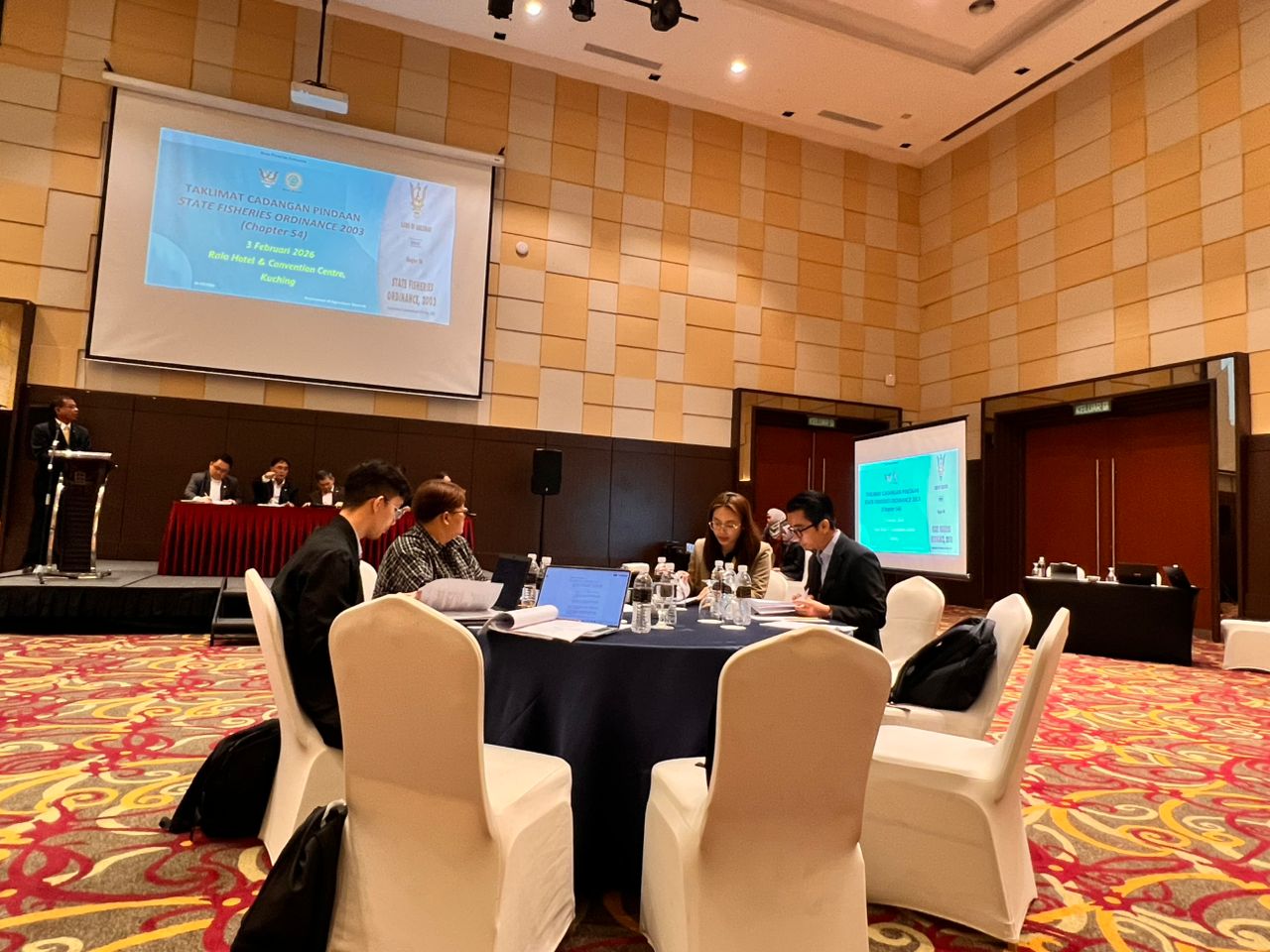
The engagement session also reflected UNIMAS’ ongoing commitment to supporting the state’s sustainable development agenda through research, technical expertise and strategic collaboration with government agencies and local communities. The involvement of academia in policy formulation processes is also aligned with the university’s aspiration to strengthen Academia-Industry-Community (AIC) collaborative ecosystems and promote evidence-based policymaking.
Through this collaborative approach, the Sarawak Fisheries Ordinance 2003 is expected to evolve into a more progressive, inclusive and resilient legal framework capable of addressing future challenges in fisheries governance and aquatic biodiversity conservation in Sarawak.