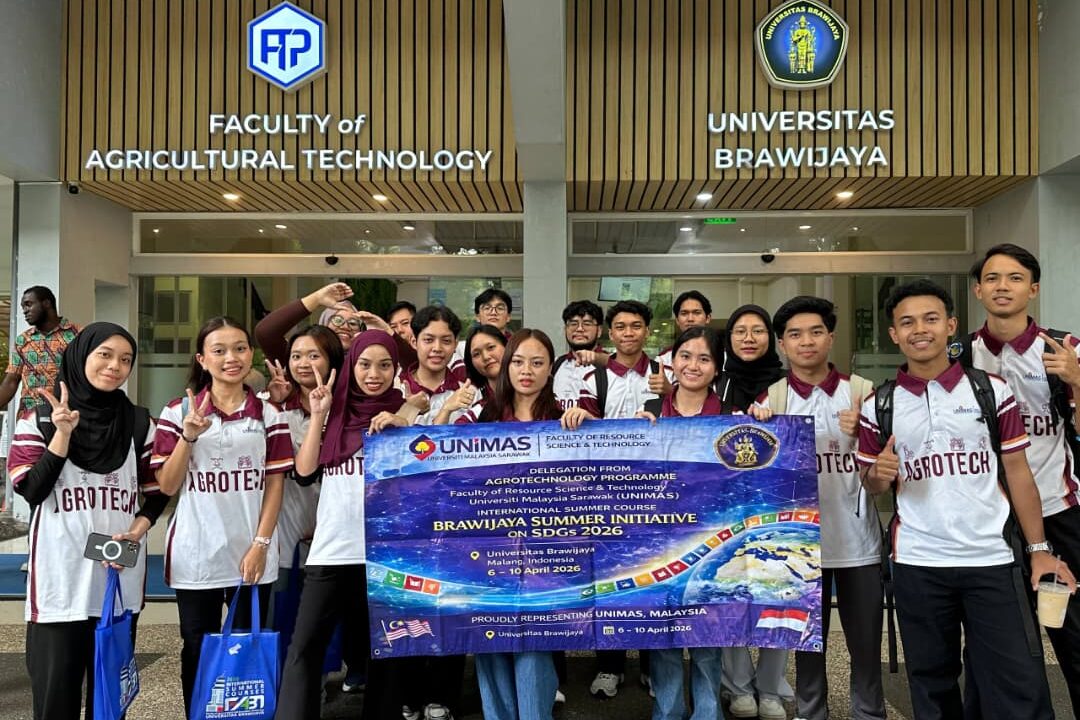
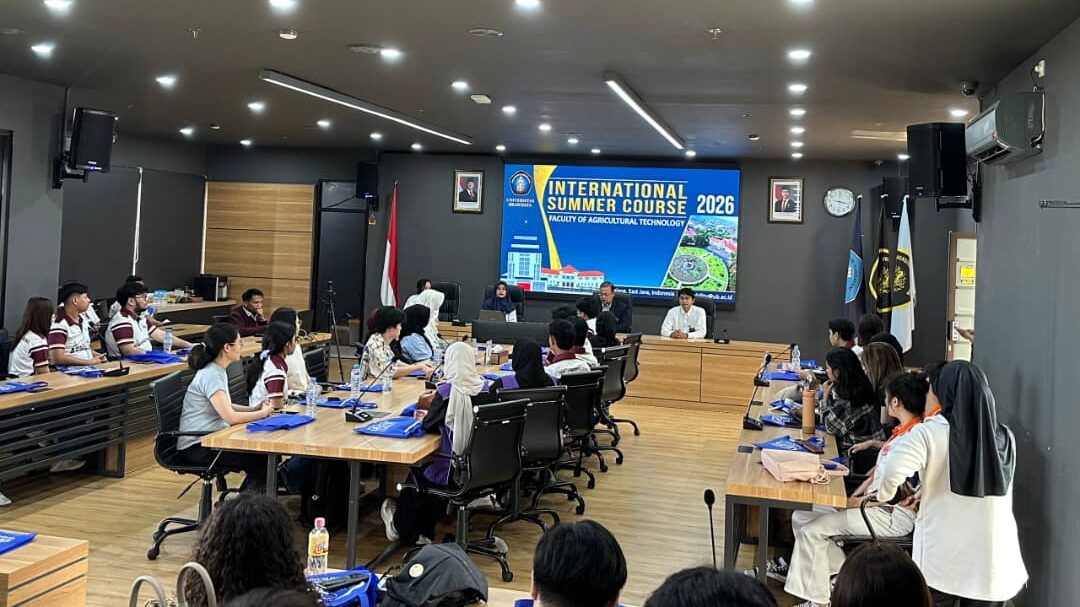
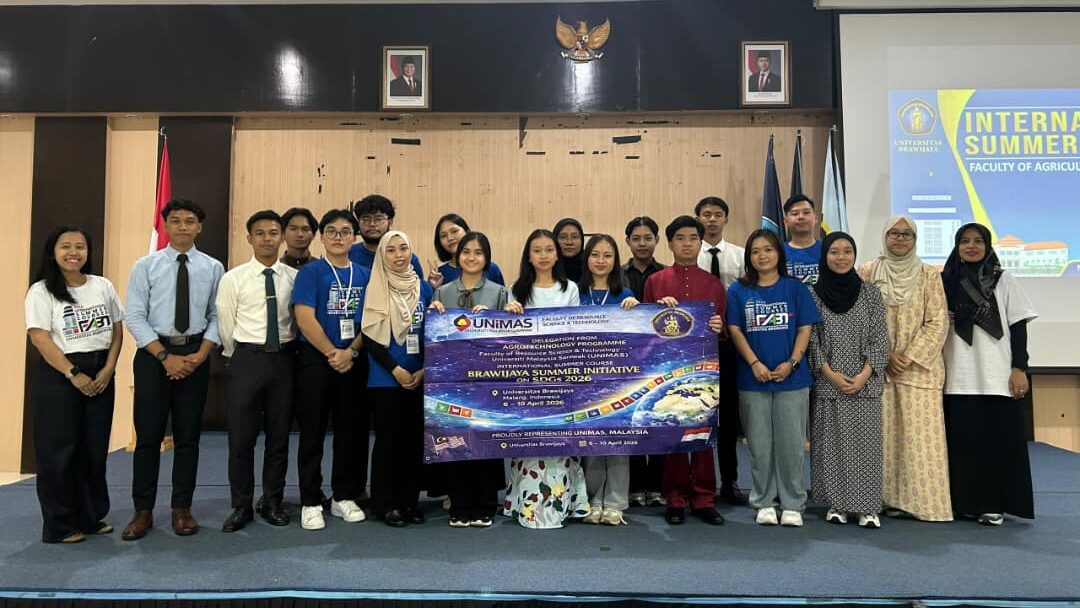
Malang, Indonesia – From the 6th to the 10th of April 2026, a distinguished delegation of 18 students from the Agrotechnology Programme, Faculty of Resource Science and Technology (FRST), embarked on a pivotal international mission to Malang, Indonesia. This physical mobility phase served as the culmination of an intensive online session held from 2nd February to 31st March, which provided the academic foundation for the Brawijaya Summer Initiative on SDGs 2026. Participating in this outreach was a cornerstone for experiential learning, meticulously designed to align academic rigour with the United Nations’ Sustainable Development Goals. Hosted by Universitas Brawijaya, the programme provided a dynamic platform for our students to witness industrial-academic synergy firsthand, bridging the gap between digital classroom frameworks and large-scale industrial applications to foster a global perspective on regional food security and innovation.
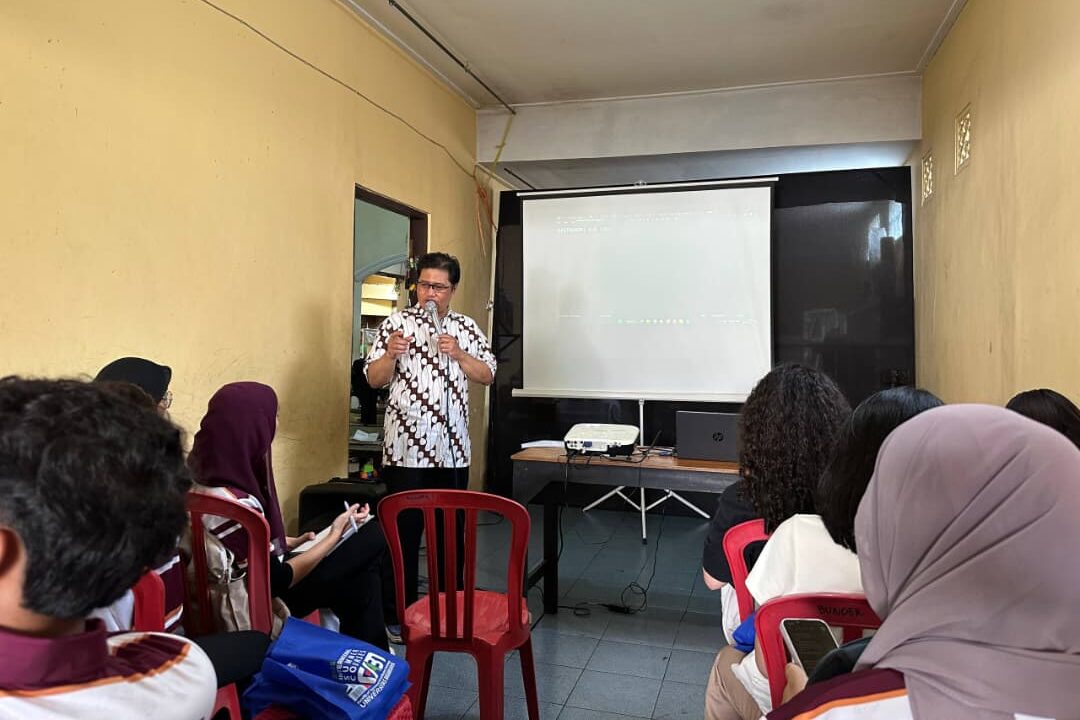
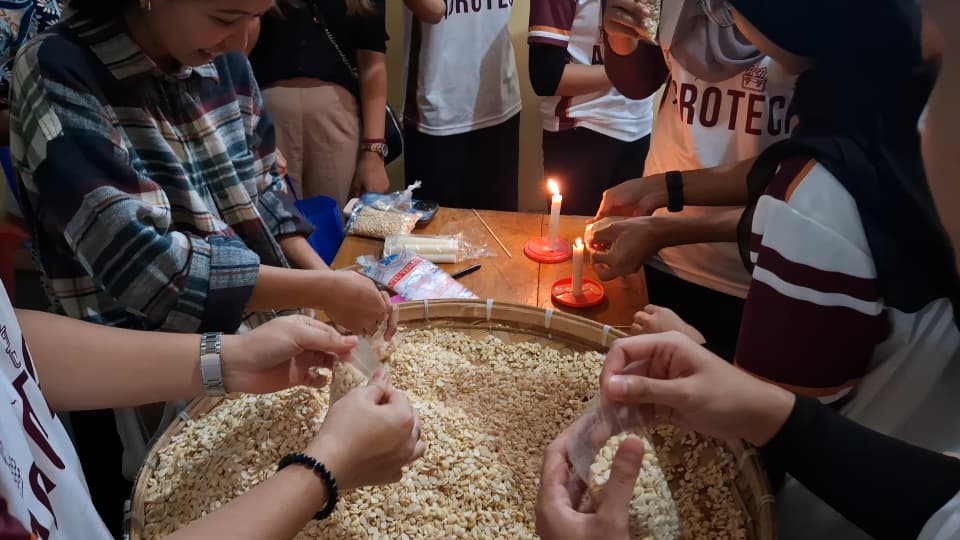
The first visit was to Pabrik Oleh-oleh Bu Noer Aneka Rasa, where the students witnessed the intricate process of tempeh production. The air was rich with the nutty aroma of fermentation as we learned how soybeans are transformed into this traditional Indonesian delicacy. The small-scale factory was bustling with activity, with workers skilfully handling raw ingredients and ensuring each batch was perfectly fermented, reflecting the principles of SDG 12: Responsible Consumption and Production. They also had the opportunity to engage with the factory owner, who shared his passion for this age-old craft, emphasizing its importance in local cuisine and daily life, which contributes to SDG 2: Zero Hunger by providing an affordable and nutritious protein source. Apart from observing the production process, they also participated in fermenting tempeh ourselves, making the experience both educational and memorable.
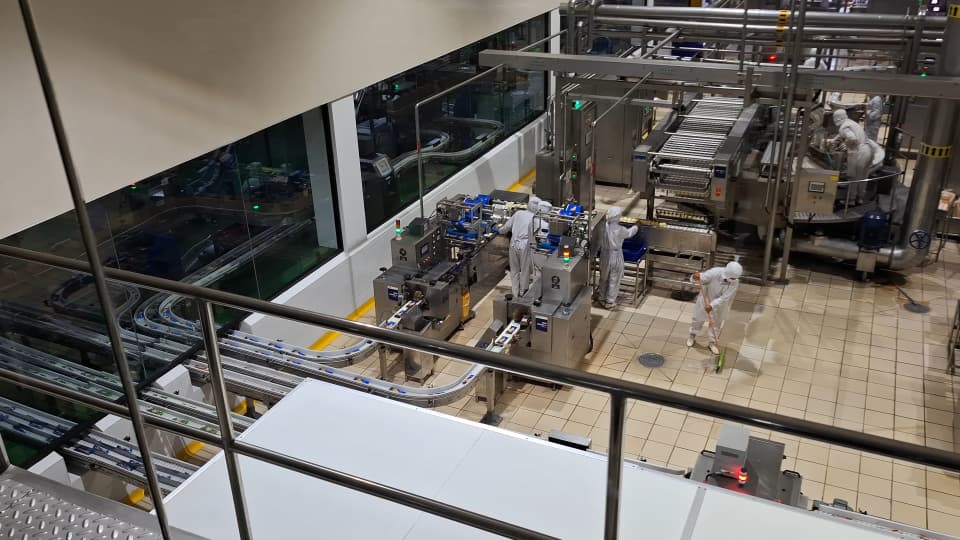
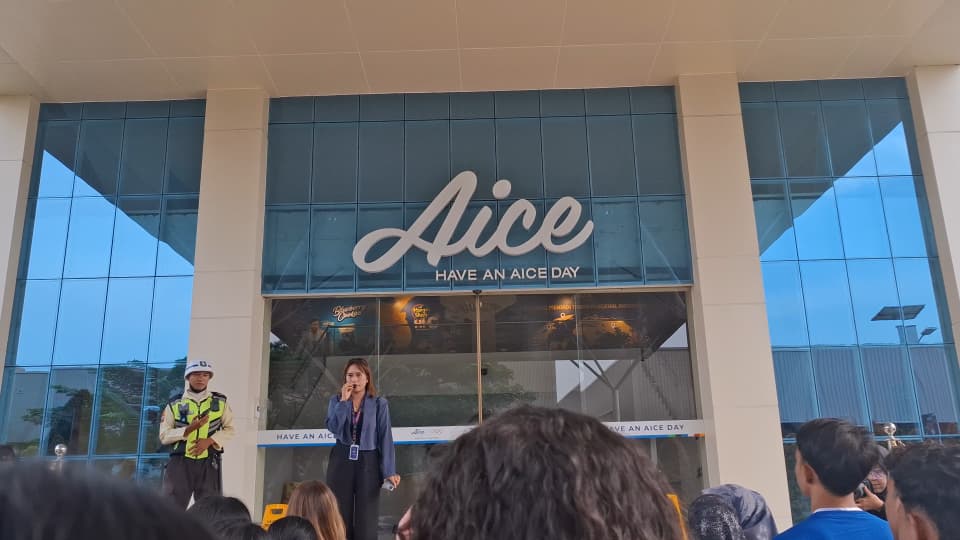
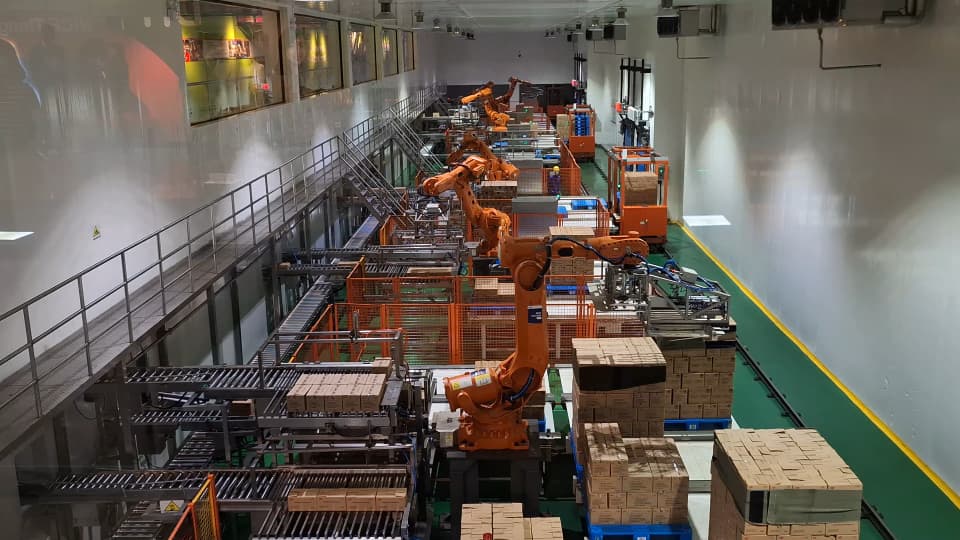
On Day 2, the visit continued at the PT. Aice Ice Cream factory in Mojokerto, one of the most well-known ice cream producers in Indonesia. The vibrant colours of the ice cream stood in striking contrast to the clean, cold production environment. As they observed the meticulous production line, they witnessed how flavours were carefully blended and churned to create the final products, showcasing advancements aligned with SDG 9: Industry, Innovation and Infrastructure. They also witnessed the packaging process and were introduced to the Rapid Hardening Tunnel, a modern freezing technology that allows ice cream to reach its ideal temperature quickly, preserving its smooth texture and quality. Additionally, they were given the chance to taste several samples, enjoying the creativity of flavours inspired by both local and imported fruits. The factory has gained recognition for its innovation and high production standards, while also supporting employment opportunities in line with SDG 8: Decent Work and Economic Growth.
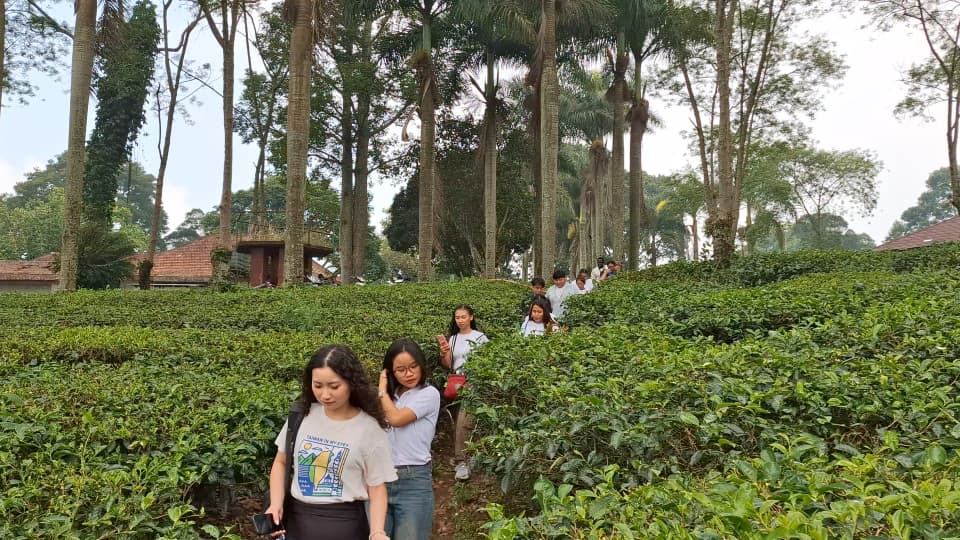
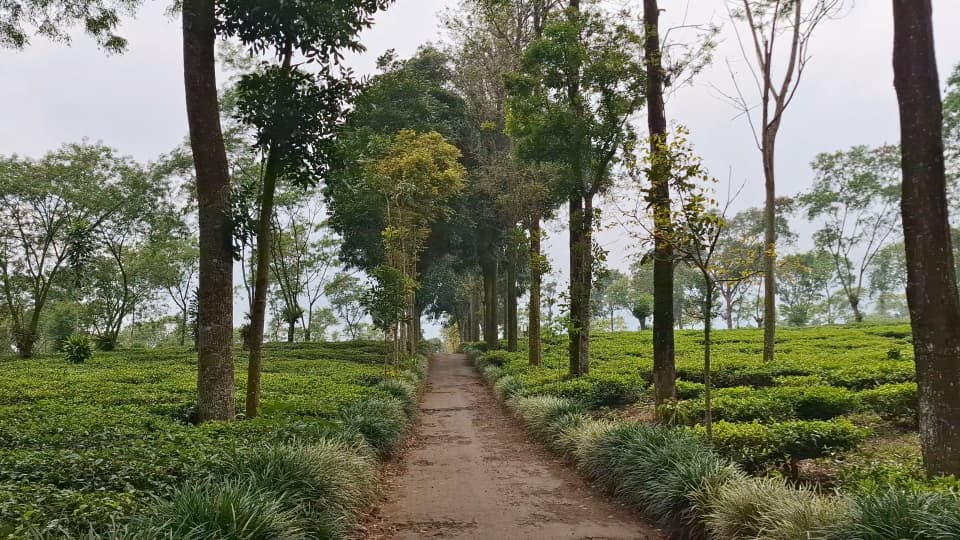
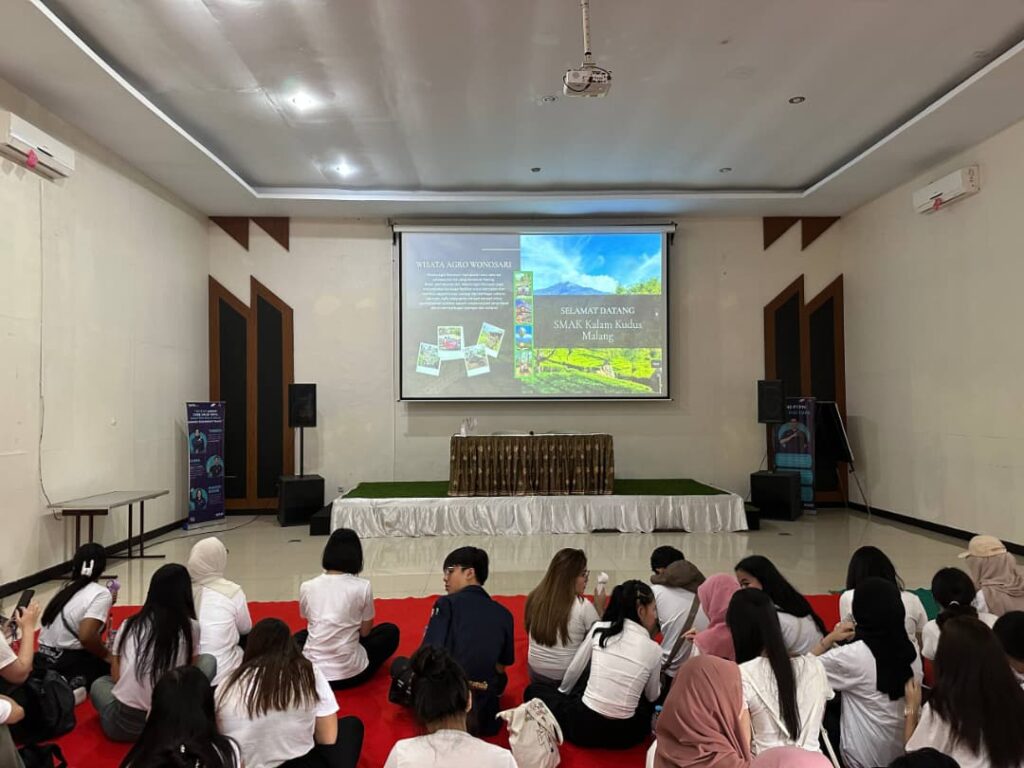
The cultural trip to Kebun Teh Wonosari was particularly enchanting. The tranquillity of the tea garden, accompanied by the gentle sounds of nature and the laughter of our group, made the experience truly unforgettable. Through their interactions with the tea estate workers, they gained insight into their daily routines and the sustainable practices they employ in maintaining the plantation, reflecting SDG 15: Life on Land. They also visited the tea factory, learning more about Malang’s tea production process. The factory produces a variety of teas, including white, black, and green tea, each with its own unique processing method and flavour profile. Additionally, they participated in fun games at the tea garden and truly enjoyed the activities.
Overall, these experiences deepened their understanding of local industries and highlighted the strong connection between culture, tradition, and innovation in Malang. From traditional food production to modern manufacturing and agricultural practices, the trip provided them with valuable insights that align with multiple Sustainable Development Goals, particularly SDG 2, SDG 8, SDG 9, SDG 12, and SDG 15, shaping both their academic and personal perspectives.
In retrospect, this comprehensive journey, spanning from the initial virtual engagements in February to the final field explorations in April, was a transformative milestone that significantly enhanced their cross-cultural competency and professional outlook. For the 18 future agrotechnologists of FRST, the exposure to both grassroots innovations and advanced manufacturing provided a profound synthesis of technical mastery and environmental stewardship. This international exposure has not only recalibrated their academic trajectories but also reinforced their commitment to driving sustainable agrotechnology forward.
Altogether, FRST extends its highest appreciation to Universitas Brawijaya for its exceptional hospitality and to UNIMAS for facilitating this high-impact global outreach. As they returned to Sarawak, they carried a rejuvenated spirit of inquiry and a robust network of regional collaborators, ready to implement these global best practices within the local context for the betterment of the industry.
Prepared by: Mohamad Aliff Izzuddin Mohamad Nazeri, Naufal Zahari & Xandria Eunice Nimrud