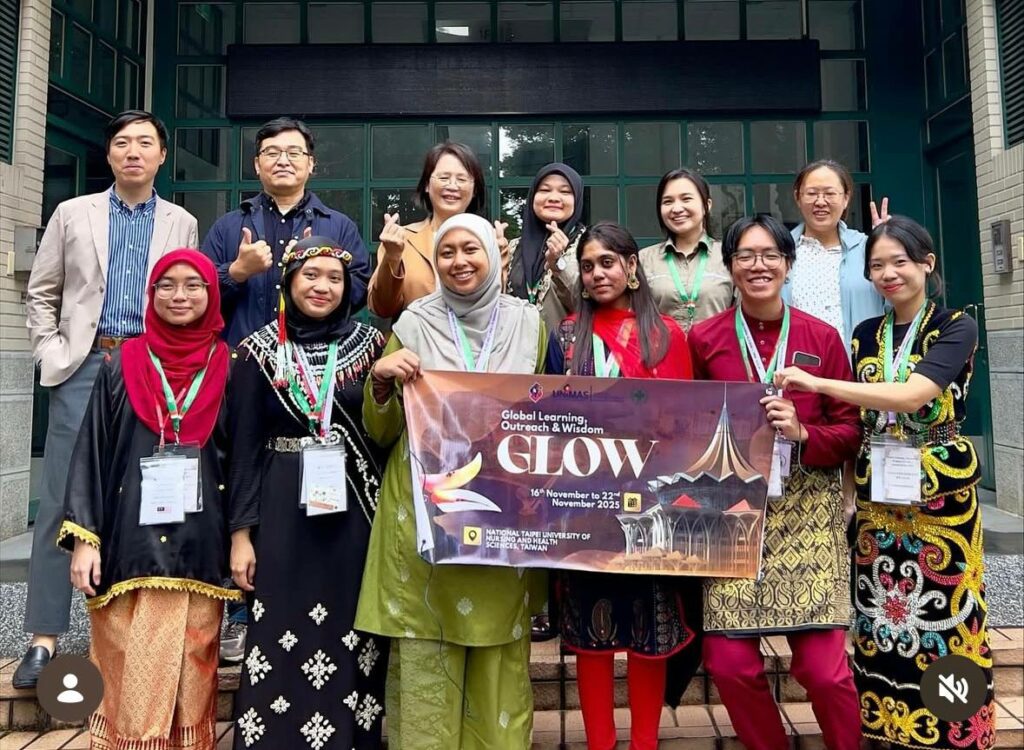
It took me several days to carefully put into words every moment of my time in Taiwan.
I was one of the selected participants of the Global Learning, Outreach & Wisdom (GLOW): Taiwan Edition 2025, a programme led by Ms. Anastasia Darlene William, which took place from 16 November to 21 November 2025. Although the programme lasted less than a week, it felt incredibly short, and all of us wished it could have been extended. Among the six participants, I was the only Year 3 student, which made the experience even more meaningful for me.
The preparation prior to our departure to Taiwan was extremely hectic. Between purchasing necessities, managing official documents, and practising for our closing dance performance, we were constantly busy yet filled with excitement. As the departure week approached, everything began to feel surreal. From the moment we passed through the departure gate from Kuching to Kuala Lumpur, my heart raced with anticipation. I had been praying for this journey since the day I was selected as a participant. Despite facing various challenges related to sponsorship and other matters, the programme finally became a reality.
Upon arriving in Taiwan, we were welcomed by cold weather and warmly greeted by Mr. Michael, who was holding two bags of bubble tea. From that very first moment until our final farewell, I truly appreciated his kindness and dedication. Throughout the journey, he took exceptional care of us, frequently checking on our well-being and ensuring we were enjoying the experience. Despite his own busy commitments, he guided us attentively and even recommended the best youtiao for my non-Muslim friends to try. All of us, including the lecturers, felt deeply saddened when it was time to say goodbye, as Mr. Michael treated us with such sincerity throughout the programme. He also made great efforts to converse in English so that we would not feel left out, especially since only Jun and Dr. Voon were fluent in Mandarin. If I were to attribute the success of this programme to one factor, it would undoubtedly be Mr. Michael’s sincerity and commitment.
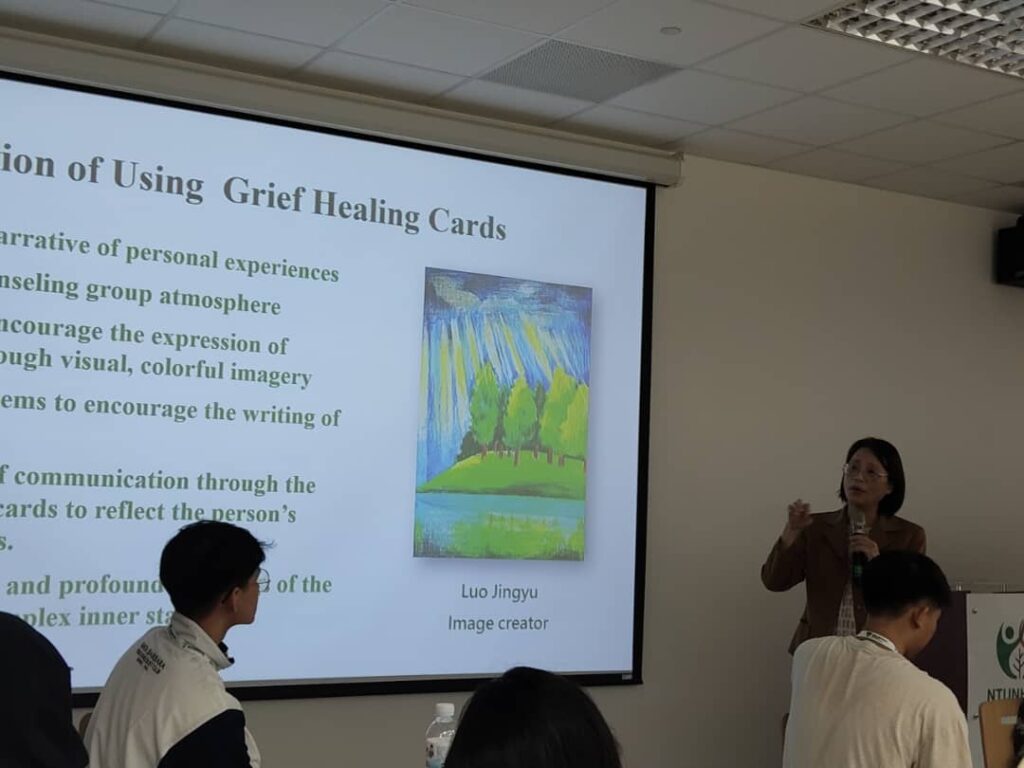
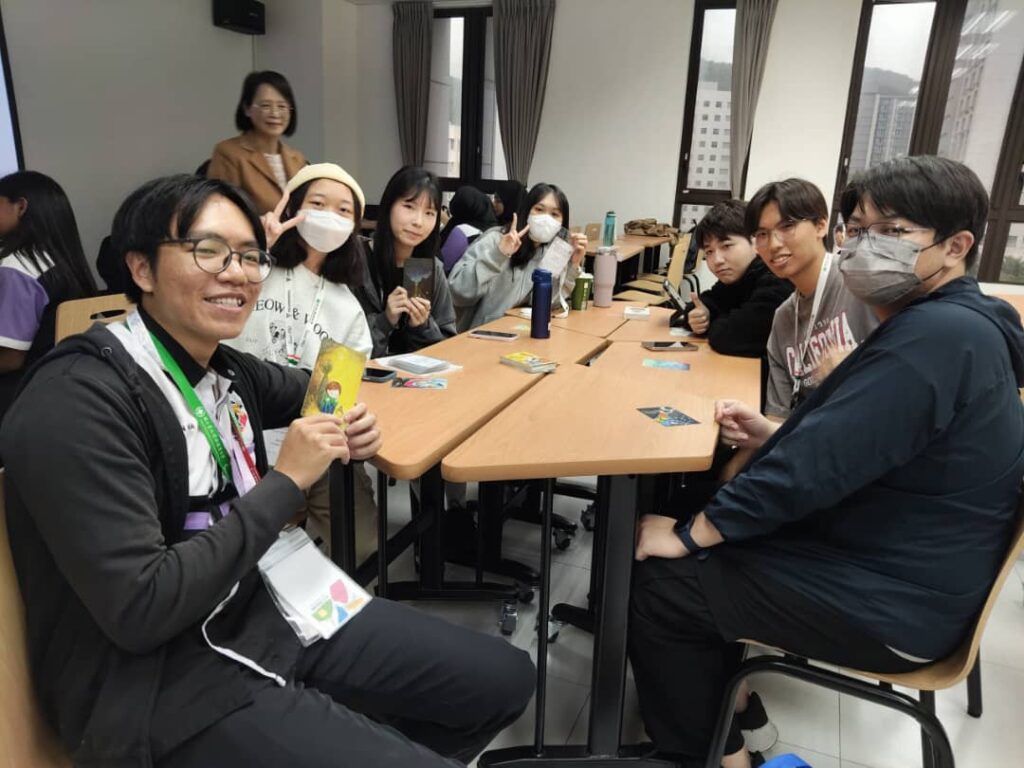
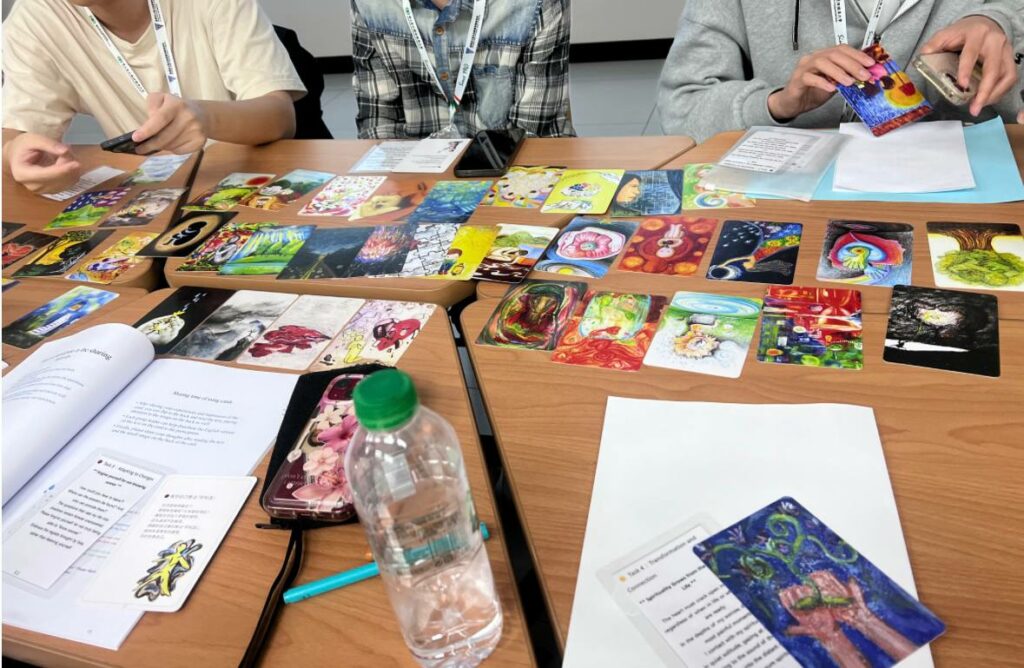
In addition, we received immense warmth and hospitality from the lecturers of the Department of Thanatology and Health Sciences (DTHC). Despite the language barrier, the knowledge-sharing sessions felt deeply meaningful and close to my heart. Many of the lectures moved me emotionally, from the sharing of the Grief Garden and poetry cards created by Dr. Yi, to discussions on rehabilitation and hospice care. I was committed to taking detailed notes, as I believe the knowledge gained is valuable and can be shared with the UNIMAS community. Their passion, openness, and generosity left a lasting impression on me, and I am truly grateful for their guidance.
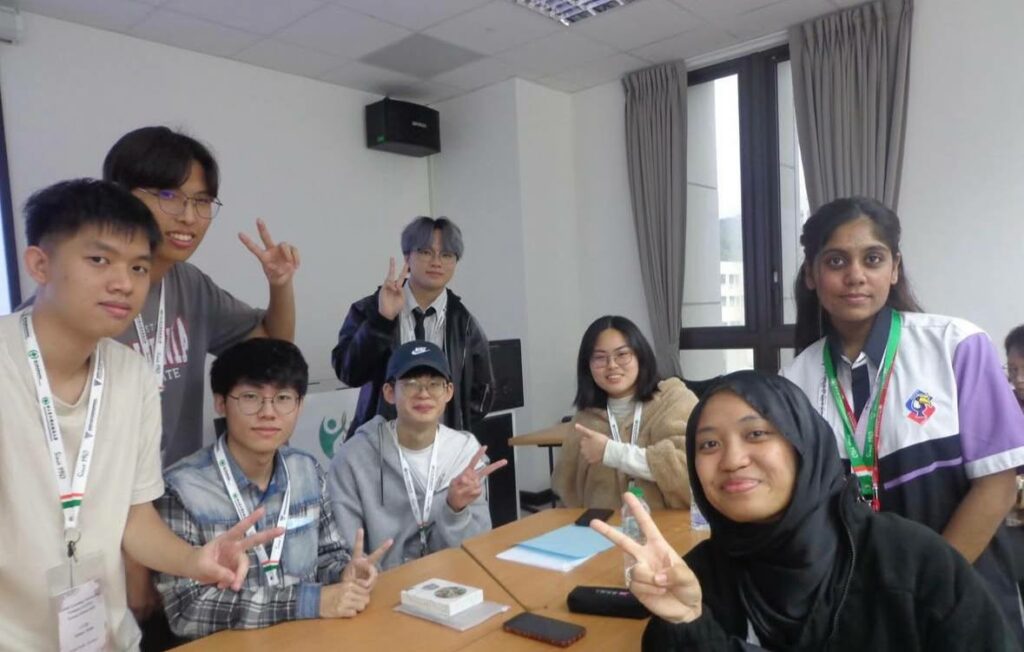
Furthermore, I would like to express my sincere gratitude to all the buddies. Although only three of them could speak English, every one of them made a genuine effort to help us feel welcomed and comfortable. We even learned basic Mandarin from them during our interactions. My team members and I exchanged contact numbers and social media details to stay connected. Our relationship went beyond being mere buddies; they felt like family to us in Taiwan. We ate together, laughed together, and even cried together. We also befriended two Malaysian students studying there. We dearly miss one another and promised to meet again in the future. Should they ever visit Malaysia, I would be more than happy to host them as a way of repaying the warmth they showed us in Taiwan.
Personally, Taiwan is a place I would love to call home. I admire the people, the environment, and the overall atmosphere. I appreciate how organised everything is and how smoothly daily life operates there. I enjoyed everything, from the people to the food. However, it was unfortunate that my fellow Muslim friends and I were unable to try everything due to time constraints, a tight schedule, and our reliance on public transportation throughout the programme.
An important point I would like to highlight is that while there were certain challenges, they did not negatively affect the experience. I learned that punctuality and strict adherence to schedules are a key aspect of Taiwanese culture, including their public transportation system. Although the itinerary was carefully planned, there were moments where adjustments were necessary to accommodate combined prayer timings (rukhsah for Dhuhr and Asr, or Maghrib and Isha). Some buddies mentioned that it was their first time learning about the five daily Islamic prayers. Nevertheless, they were extremely accommodating and willingly adjusted the schedule to give us time for prayer.
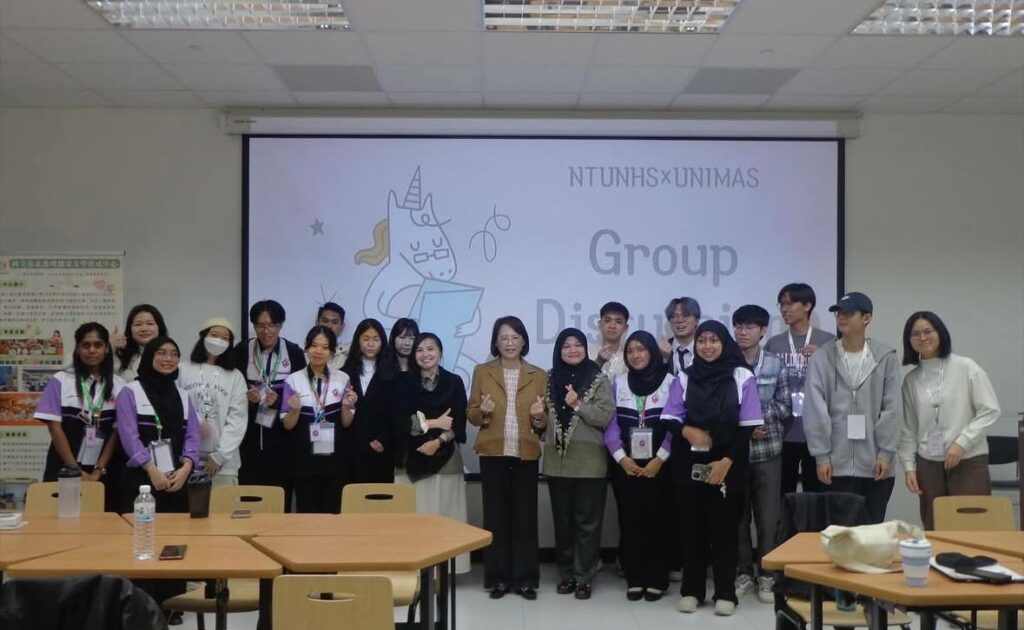
As a result of these adjustments, we had less free time to explore Taiwan with the buddies as originally planned. However, we were genuinely grateful for their understanding and assistance, and at no point did we express dissatisfaction. We also acknowledge that we need to be more attentive to local norms and cultural practices. Ultimately, it is my responsibility to better equip myself with the necessary facilities for Islamic worship (kemudahan beribadah dalam Islam) and to remain flexible and adaptive. This journey served as a valuable lesson in preparation and cultural sensitivity, which will benefit me in future international engagements.
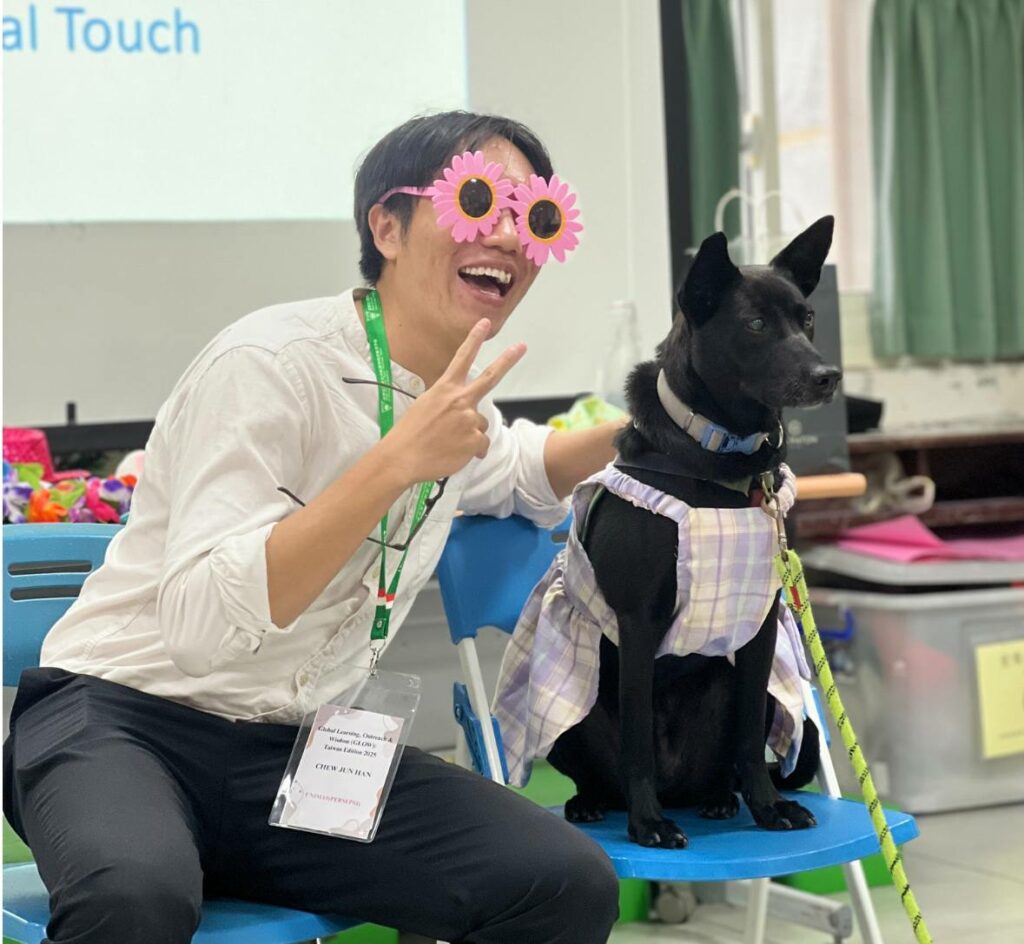
In conclusion, I have no regrets about participating in this programme. I gained invaluable knowledge, meaningful experiences such as interacting with therapy dogs during Animal-Assisted Therapy, and important life lessons that contributed significantly to my personal growth. I would like to extend my heartfelt gratitude to everyone who made this opportunity possible, including PERSEPSI, FCSHD, and especially UNIMAS Global for their guidance and support during the early stages of the programme. I sincerely hope that programmes like GLOW will continue to flourish, providing more students with opportunities to challenge themselves, gain knowledge, and contribute positively to society.
Written and shared by:
Dayana Amelia binti Saharudin
Faculty of Cognitive Sciences and Human Development (FCSHD)
Universiti Malaysia Sarawak