Persatuan Mahasiswa Fakulti Sains Kognitif dan Pembangunan Manusia (PMFSKPM) successfully organised FSKPM Adventure: Fairy Cave on 21 December 2025, bringing together 41 students for a meaningful and energising outdoor experience. The programme, which began as early as 6.00 a.m. and concluded at noon, offered participants more than just a recreational outing—it provided an opportunity for holistic development through nature-based exploration.
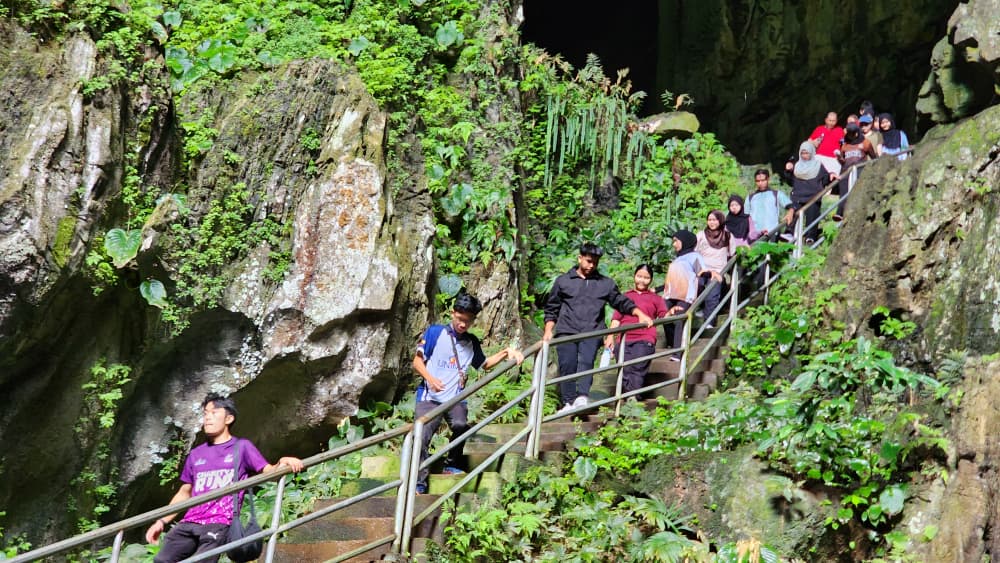
Set against the stunning landscape of Fairy Cave, the climbing activity encouraged students to embrace an active lifestyle while nurturing both physical fitness and mental resilience. Throughout the programme, participants were also exposed to important values such as environmental conservation and safety awareness during outdoor activities. In this way, the initiative functioned not merely as a hiking trip, but as an out-of-the-classroom learning platform that combined experiential learning with personal growth. The inclusive participation of students regardless of gender further reflects FSKPM’s commitment to promoting equality in sports and wellness activities.
The experience of navigating the terrain and climbing within the cave challenged participants to push their limits, build mental endurance, and develop leadership as well as basic survival skills. These elements transformed the programme into a character-building journey that strengthened confidence, discipline, and teamwork.
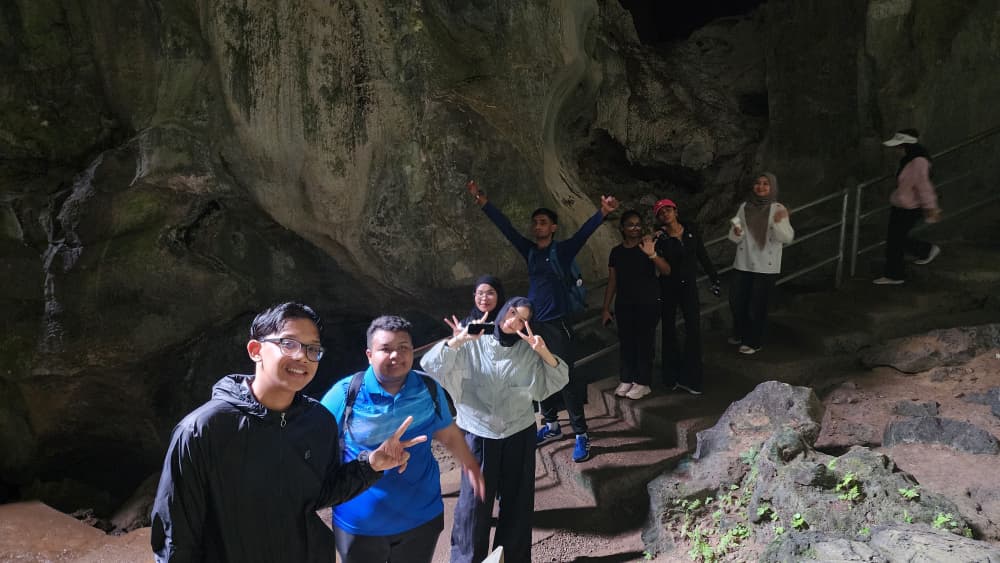
The uniqueness of Fairy Cave itself made the programme even more memorable. This million-year-old limestone cave features a wide entrance with an open ceiling that allows sunlight to stream in, creating an almost ethereal atmosphere. Inside, participants were treated to breathtaking views of stalactite and stalagmite formations, lush mosses and ferns, and a naturally thriving ecosystem rich in flora and fauna. The interplay of natural light within the cave not only enhanced the aesthetic experience but also turned the location into a perfect setting for nature photography and quiet appreciation of the environment.
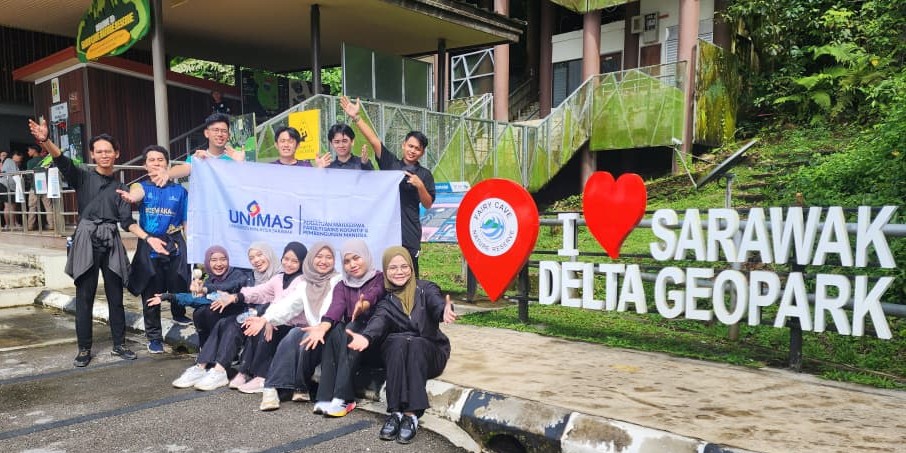
Beyond the physical challenge and visual splendour, the programme succeeded in fostering a strong spirit of cooperation and mutual support among participants, reinforcing important social values and a sense of togetherness. It is hoped that similar initiatives will continue to be organised in other nature-based locations, as such programmes not only promote fitness and leadership, but also serve as a form of therapeutic relief—helping students manage academic stress and enhance their emotional well-being.
Contributed by Nurul Suhadah / PMFSKPM