Borneo is widely recognised as a megadiverse region, yet it is a critical biodiversity hotspot where deforestation is accelerating at an alarming rate. Experts have forecast that forest loss could exceed 30%, making it clear that the challenges of climate change and species migration cannot be constrained by national boundaries. To safeguard this natural heritage, Malaysia, Indonesia, and Brunei must move beyond independent efforts toward a model of collaborative data exchange and shared management.
Universiti Malaysia Sarawak (UNIMAS) has stepped forward as the “Gateway to Borneo,” spearheading projects to protect these remote regions in the island. This mission began with the “Zoologists Go Global” initiative, part of the university’s Strategic Commitment 5 (SC5), following the 2023 Bengkel Hala Tuju Sains (Sciences Programme Direction Workshop), and with the support of the Animal Resource Science and Technology (now Zoological Technology) Programme under the Faculty of Resource Science and Technology (FRST). This programme aims to unite passionate researchers across the three nations to address the region’s rich but fragile biodiversity.
Building Bridges Across Borders
The first series of “Zoologists Go Global” took place from February 27 to March 2, 2024, at Universitas Tanjungpura (UNTAN) in Pontianak, West Kalimantan, Indonesia. A pivotal moment arrived on February 29, 2024, with the official establishment of the Borneo Satellite Network (BoSaN). This collaborative network between UNIMAS and UNTAN was designed to protect Borneo’s unique ecosystems through research, education, and shared expertise.
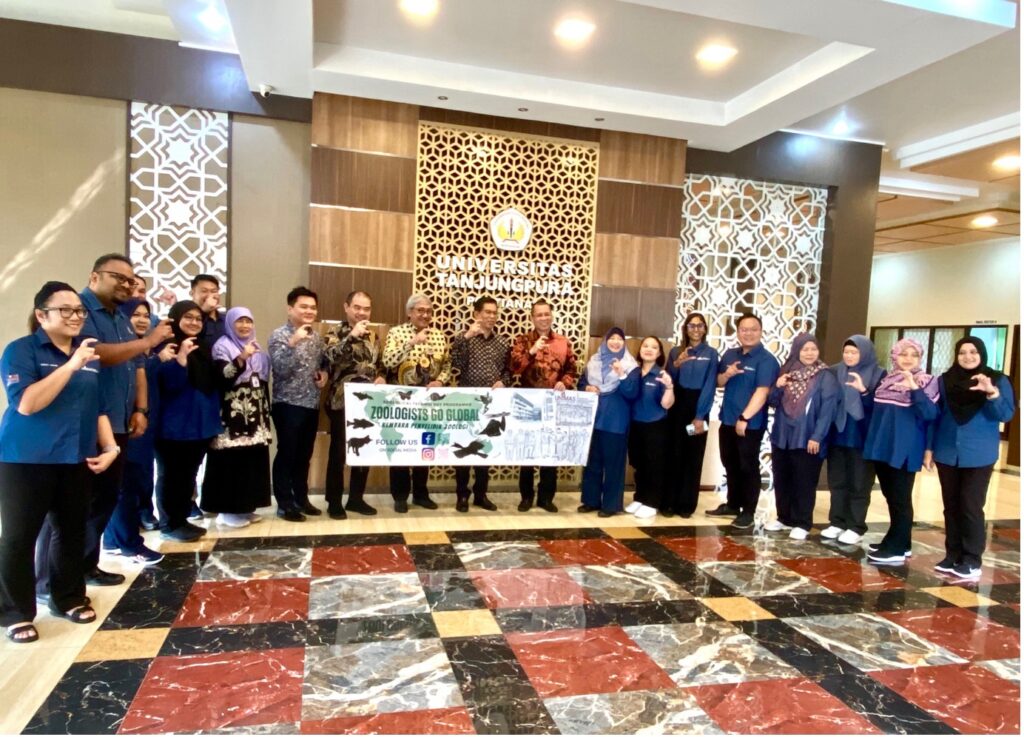
Solidifying this partnership, UNIMAS Vice-Chancellor Professor Dr. Ahmad Hata bin Rasit and UNTAN Rector Professor Dr. Garuda Wiko signed an international research Matching Grant agreement on March 1, 2024. This long-term accord for scholarly cooperation opened new doors for joint projects between Malaysia and Indonesia. During this inaugural series, UNTAN’s Faculty of Forestry (Fahutan) hosted interactive workshops led by Dean Dr Farah Diba. These sessions created a space for high-level research discussions between UNIMAS, UNTAN, and the Director of Bukit Raya National Park to plan future conservation efforts.
While at UNTAN, the UNIMAS team shared their expertise by holding a short course on scientific writing. These sessions provided UNTAN researchers and students with the academic tools needed to share their discoveries with the global scientific community. By sharpening these skills, the programme ensures that local scientists can effectively communicate their findings and advocate for Borneo’s unique flora and fauna on a global scale.
The expedition also included immersive field visits to the Mempawah Mangrove Conservation (MMC) Park and Simping Island (sometimes called Kelapa Dua Island), known as the world’s smallest island. The UNIMAS delegation took this opportunity to study UNTAN’s successful mangrove conservation programmes. These excursions provided the team with firsthand insight into the practical management and protection of these vital coastal ecosystems.
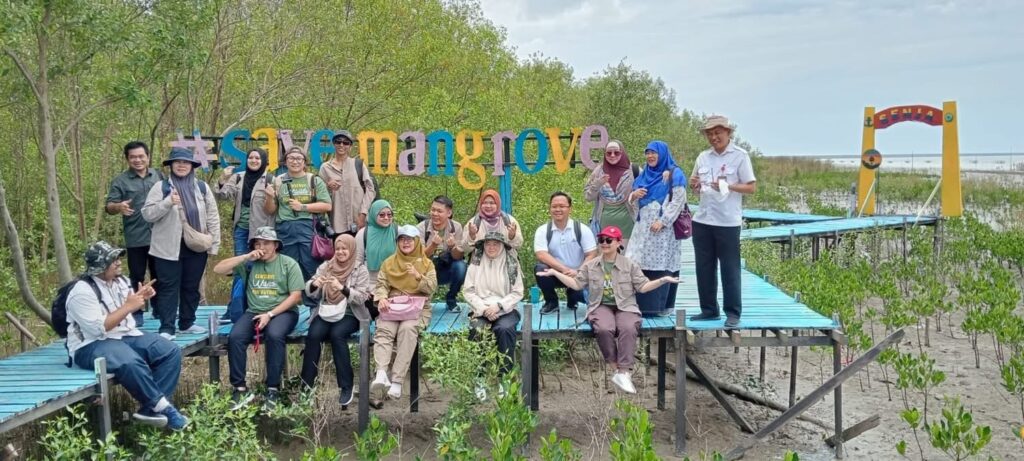
The journey wrapped up at the Centre for Mangrove Forest Restoration and Ecosystem Expansion in Singkawang. Here, scientists and students reflected on the vital lessons learned from the Indonesian restoration models. These excursions were about more than just observation; they promoted environmental stewardship and strengthened the professional and personal bonds between the two institutions, ensuring a shared vision for Borneo’s future.
The inaugural “Zoologists Go Global” programme concluded on a nostalgic note, leaving a lasting legacy through educational and research excursions along the scenic routes of West Kalimantan. This collaborative journey ensures that the next generation of biologists is now better prepared to work across borders, well-equipped to champion Borneo’s diverse flora and fauna on the international stage.
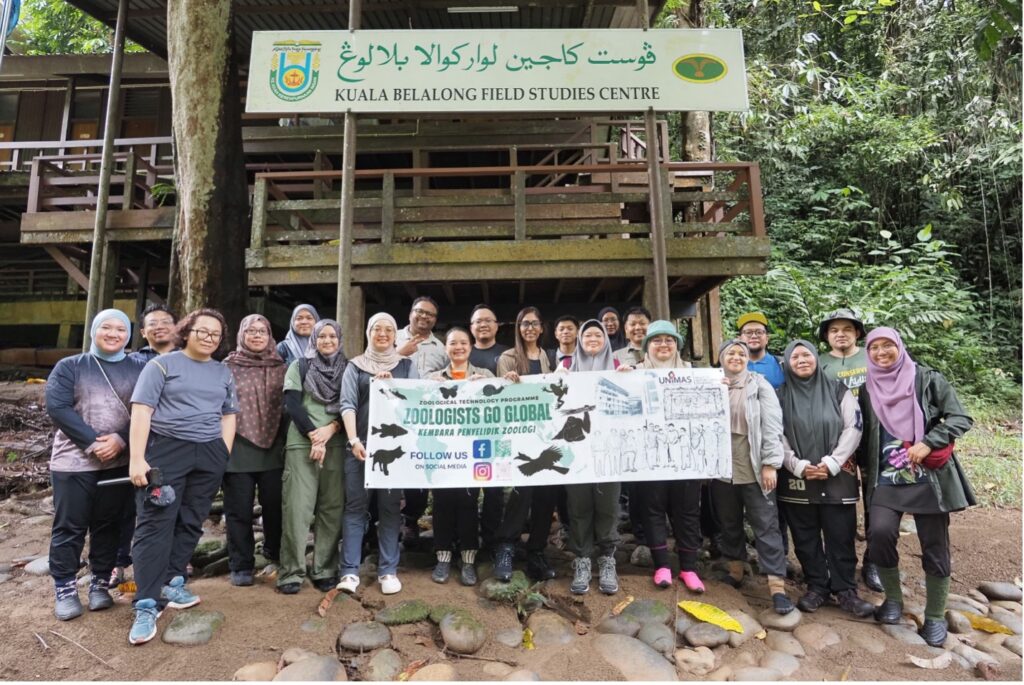
Following this success, the journey continued with the second series in the same year, from October 13 to 17, at Universiti Brunei Darussalam (UBD). A delegation of 20 UNIMAS researchers engaged in dynamic discussions on sharing knowledge and generating new ideas for future collaboration. Highlights included tours of the UBD Botanical Research Centre and a remarkable visit to the Kuala Belalong Field Studies Center deep within Brunei’s pristine jungle.
Science for the People
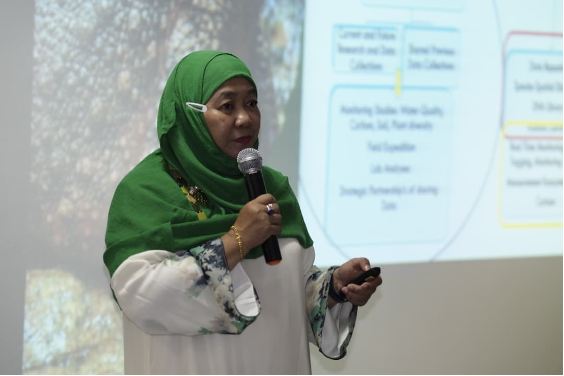
Leading these scientific efforts is Professor Dr. Ramlah binti Zainudin, the lead investigator of Borneo Satellite Network, better known as BoSaN. Far more than just a digital archive, BoSaN is a vibrant open network that unites researchers across the region to tackle the “three Cs”: Climate Change, Biodiversity Conservation, and Partnership Cooperation. By sharing research outcomes in real-time with both scientists and the public, the initiative aims to launch an interactive “open-science” website that showcases Borneo’s natural heritage to the world.
This global platform is designed to empower scientists, educators, and local communities with the tools they need for environmental sustainability. Beyond digital data, BoSaN is also pioneering practical solutions for the island, such as treating peat water to address water scarcity. These efforts align directly with the United Nations Sustainable Development Goals, ensuring that scientific innovation improves the quality of life for all Borneans, particularly in addressing water scarcity.
Digital Innovation and Community Action
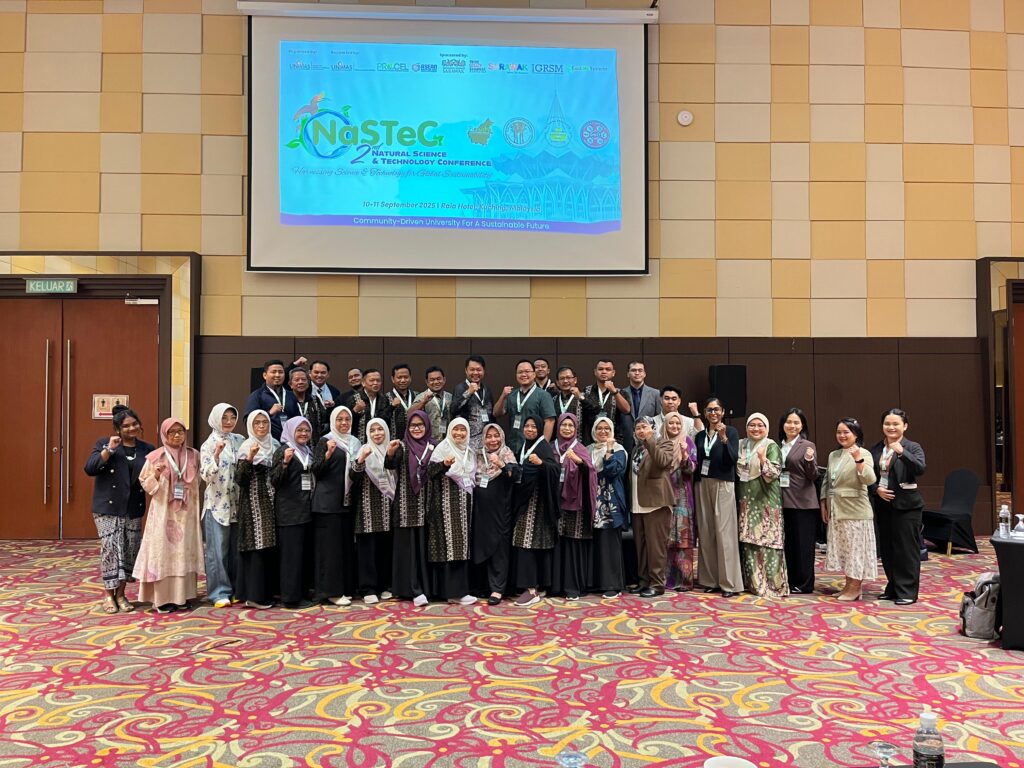
By 2025, the BoSaN network had secured 28 international matching grants for research projects between UNIMAS and UNTAN. The key events included community engagement and scientific research in Bukit Kuri, West Kalimantan, from 21 to 28 January 2025. These efforts culminated in the BoSaN Symposium held during the 2nd Natural Science and Technology Conference (NasTec 2025) on September 10–11, 2025, at Raia Hotel in Kuching, Sarawak. The symposium provided a valuable stage for researchers from UNIMAS and UNTAN to share their findings and discuss the scientific importance of Borneo’s extraordinary biodiversity.
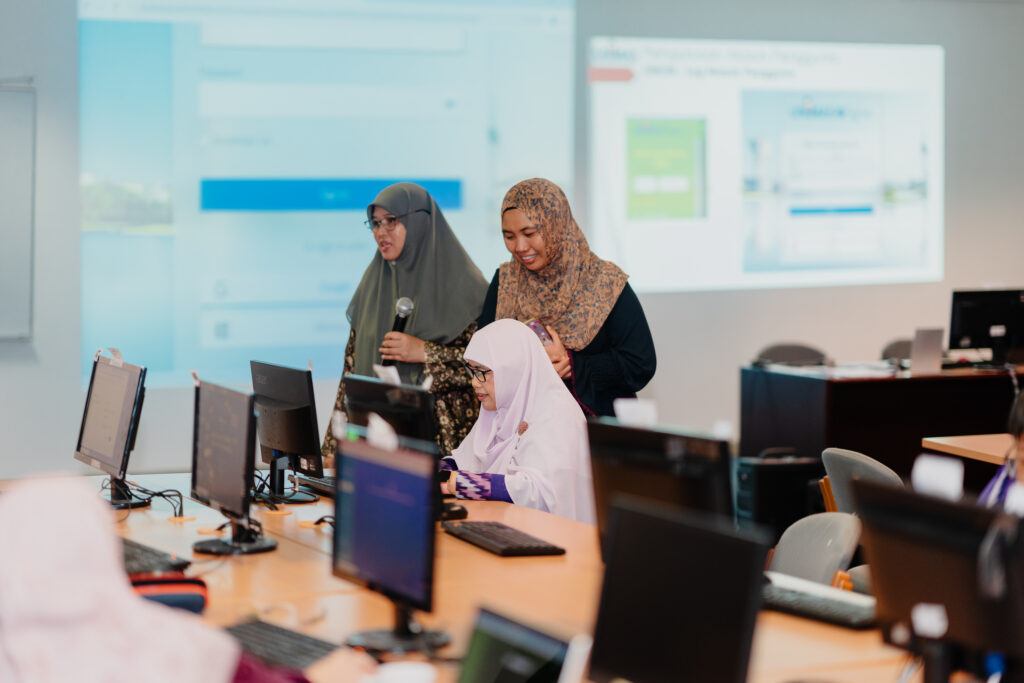
On September 12, 2025, the team launched the AiBoB Training Workshop for Biodiversity and Environmental Data Repositories. This session was led by Professor Dr. Wan Hashim bin Wan Ibrahim and supported by the expertise of the Chief Digital Office (CDO) and the Tun Abang Haji Openg Digital Centre (TAHODC). During this session, UNTAN researchers were introduced to the AiBoB platform, an advanced digital tool developed under BoSaN to manage biodiversity information. Participants engaged in practical exercises to transfer and modify data on the platform, a move that significantly improved technical skills and strengthened the bond between the two universities. This hands-on training fosters a strong culture of communication and collaboration for open science in Borneo.
Following the digital training, academics from UNIMAS and UNTAN teamed up for the Kuliah Kerja Nyata (KKN) Global Inisiatif Rakan Strategi BoSaN, on September 12 and 13, 2025. Held at the UNIMAS campus and the iconic Bako National Park, this joint activity allowed researchers from both universities to take knowledge out of the lab and apply it to real-world environmental issues. Working alongside the Sarawak Forestry Corporation (SFC) and local Bako residents, the team focused on protecting the Bornean proboscis monkey (Nasalis larvatus) and rehabilitating mangrove forests at the Bako National Park.
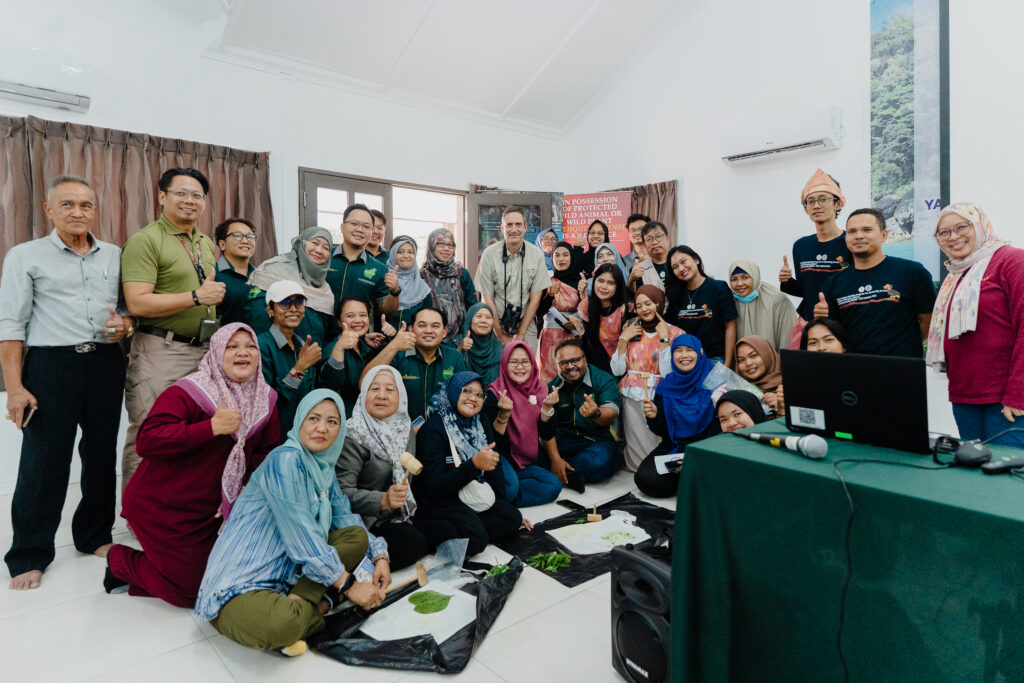
This mission proves that science belongs to everyone. By involving “citizen scientists” from the local community in mangrove nurseries, seed planting workshops, and seminars, both universities are bridging the gap between theory and practice. This approach perfectly embodies the UNIMAS motto, “Community Driven University for a Sustainable World,” empowering people to protect their ecosystems and creating positive change that reaches far beyond the classroom.
A Shared Vision for a Sustainable Future
At its heart, BoSaN is about more than just technology; it is about safeguarding Borneo’s natural beauty by bringing people, knowledge, and shared goals together on one platform. By digitising and sharing scientific data with the rest of the world, BoSaN ensures that Borneo’s environmental story is told globally. It serves as a powerful reminder that when people from different nations and fields of study work together, the results are far greater than what anyone could achieve alone.
Our shared mission is clear: to build climate resilience, protect our unique wildlife, and empower every individual through mutual learning. Managed by the UNIMAS Biodiversity Nexus, BoSaN perfectly reflects the university’s goal of balancing community well-being with the health of our planet. This collaboration reinforces UNIMAS’s leadership in regional conservation. By bridging borders and blending science with community action.
Looking ahead to 2026, this spirit of partnership is set to grow even stronger as the “Zoologists Go Global” will be expanded to Universiti Malaysia Sabah (UMS). By welcoming UMS into the BoSaN fold, the network will further strengthen its reach across the island. This next phase ensures that our collective scientific excellence will continue to drive the region toward a connected, sustainable, and thriving future for generations to come.
Written by Associate Professor Dr. Devagi Kanakaraju