Written by Dr Khalid Zanudin
The Faculty of Social Sciences and Humanities (FSSH), Universiti Malaysia Sarawak (UNIMAS) recently participated in the “Sustainability Within, Green Earth Beyond 2025” program, demonstrating how academic research can be translated into practical environmental solutions. Organized by the Land Custody Development Authority (LCDA) at Surau Darul Hijrah, Darul Hana, the event served as a platform to foster environmental stewardship within the local community.
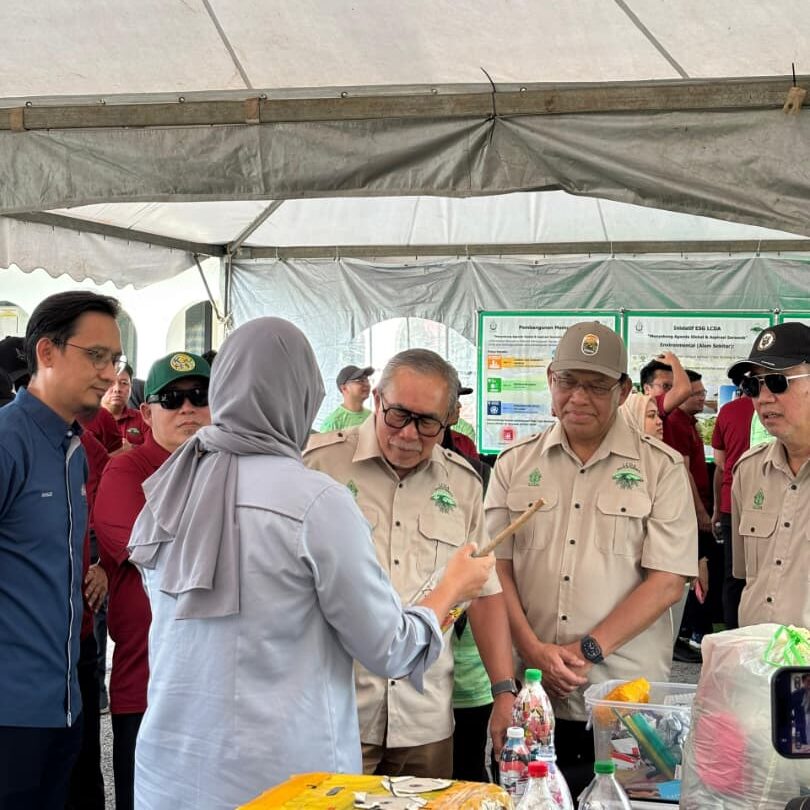
The program was officiated by the Deputy Minister for Urban Planning, Land Administration, and Environment, Datuk Len Talif Salleh. In his address, he emphasized that the initiative’s primary objective is to cultivate internal awareness within individuals so that sustainable daily practices can be implemented with a focus on environmental preservation.
Sustainability Innovation: Repurposing Plastic Waste
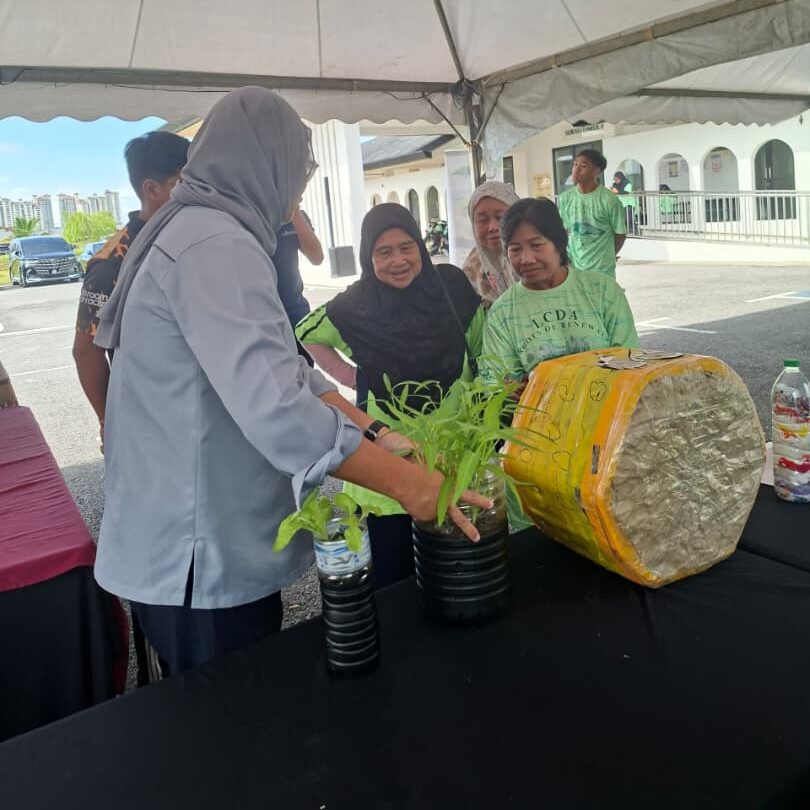
Representing UNIMAS and FSSH at the exhibition were Dr Haslina Hashim and Dr Khalid Zanudin, along with several postgraduate students. The team presented two key sustainability innovations designed to tackle plastic pollution at the source: the Ecobrick and the Ecoplanter.
The Ecobrick is a notable innovation that turns non-recyclable plastic waste into a functional building tool. By packing clean, dry, and shredded plastic into plastic bottles until they reach a specific density, the team creates durable blocks that can be used for various community structures or landscaping projects. This method prevents plastic from entering landfills or polluting waterways, providing a low-cost, accessible way for households to manage their own waste.
Complementing this was the Ecoplanter, another innovation aimed at promoting green spaces. Together, these tools highlight how simple, innovative adjustments to waste management can lead to significant environmental benefits.
Strategic Approaches to Environmental Awareness
The exhibition aligned with the broader goals of the event, which focused on the systematic management of waste to reduce environmental degradation. Datuk Len Talif Salleh noted that waste materials should not be seen merely as refuse but as potential inputs that can serve the community if managed through strategic approaches.
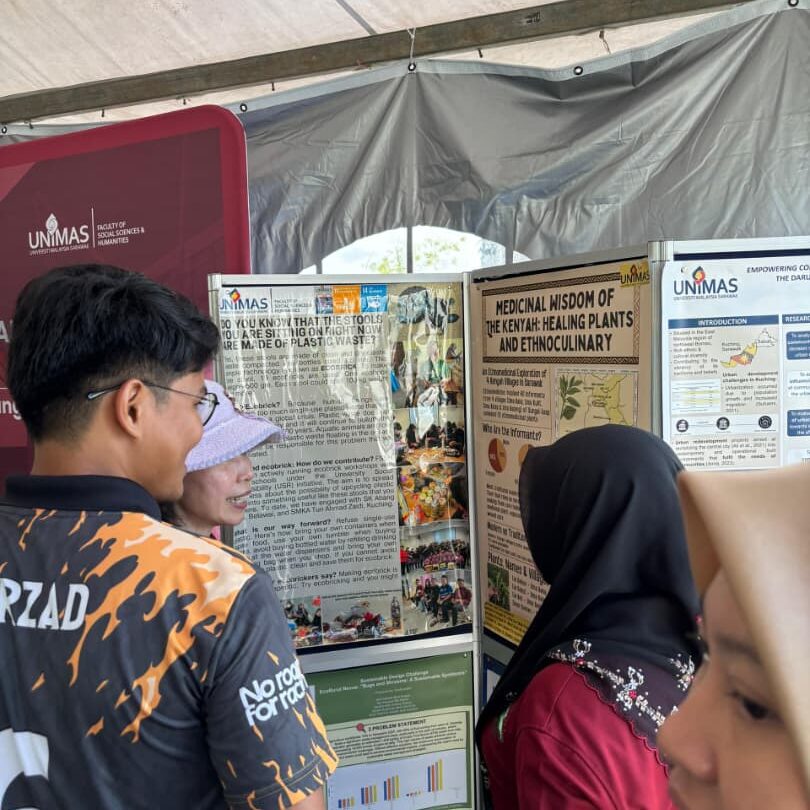
During the event, the FSSH booth provided a visual and hands-on demonstration of how individuals can take immediate action in their own homes. By showcasing the Ecobrick and Ecoplanter, the faculty bridged the gap between academic innovation and the public, proving that sustainability is a practical habit rather than just a theoretical concept.
Investing in a Greener Future
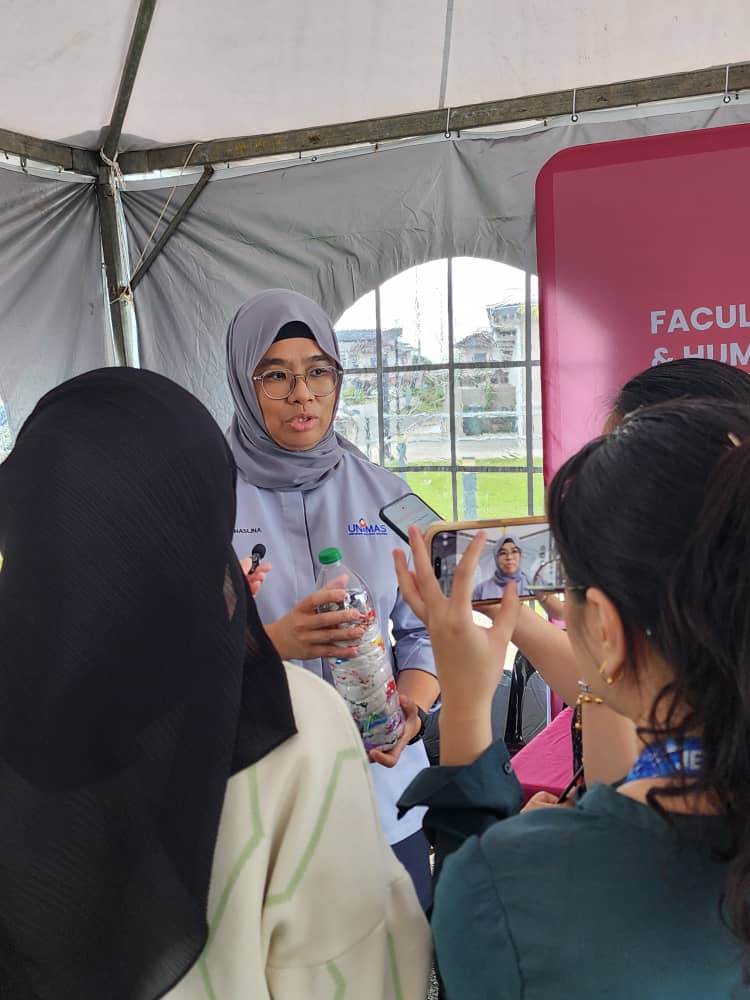
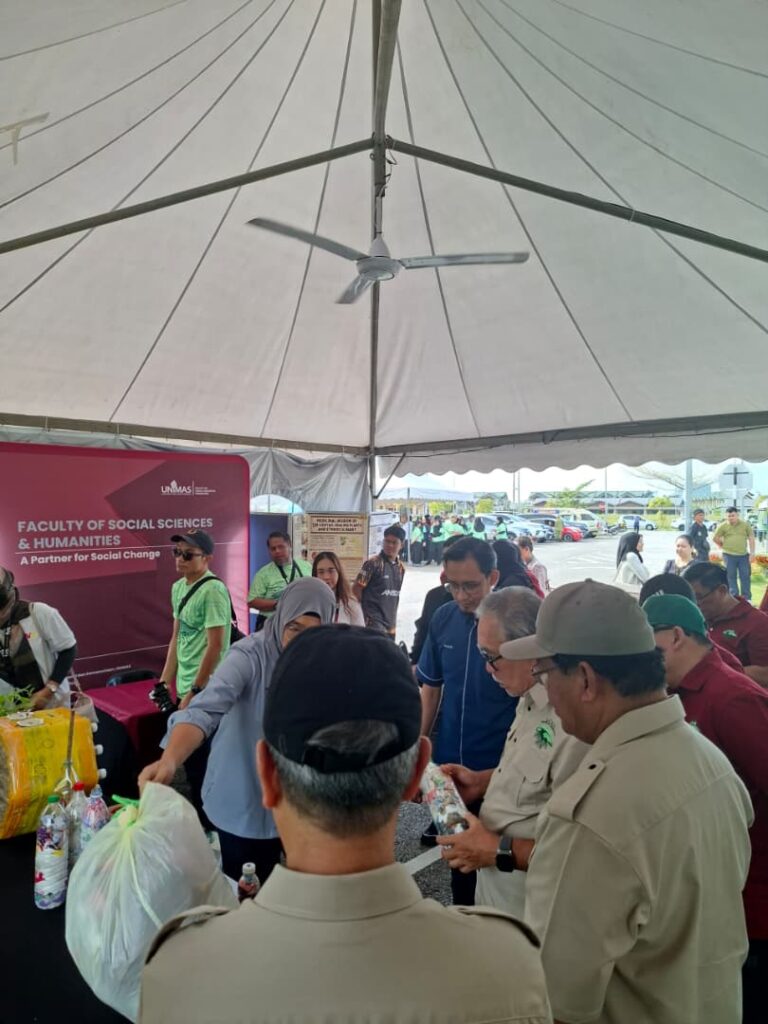
The involvement of university researchers and students in this LCDA-led initiative underscores the importance of community engagement in environmental advocacy. Datuk Len Talif Salleh also highlighted that educating the younger generation is a long-term investment, as they will become the “ambassadors of sustainability” responsible for carrying these practices forward.
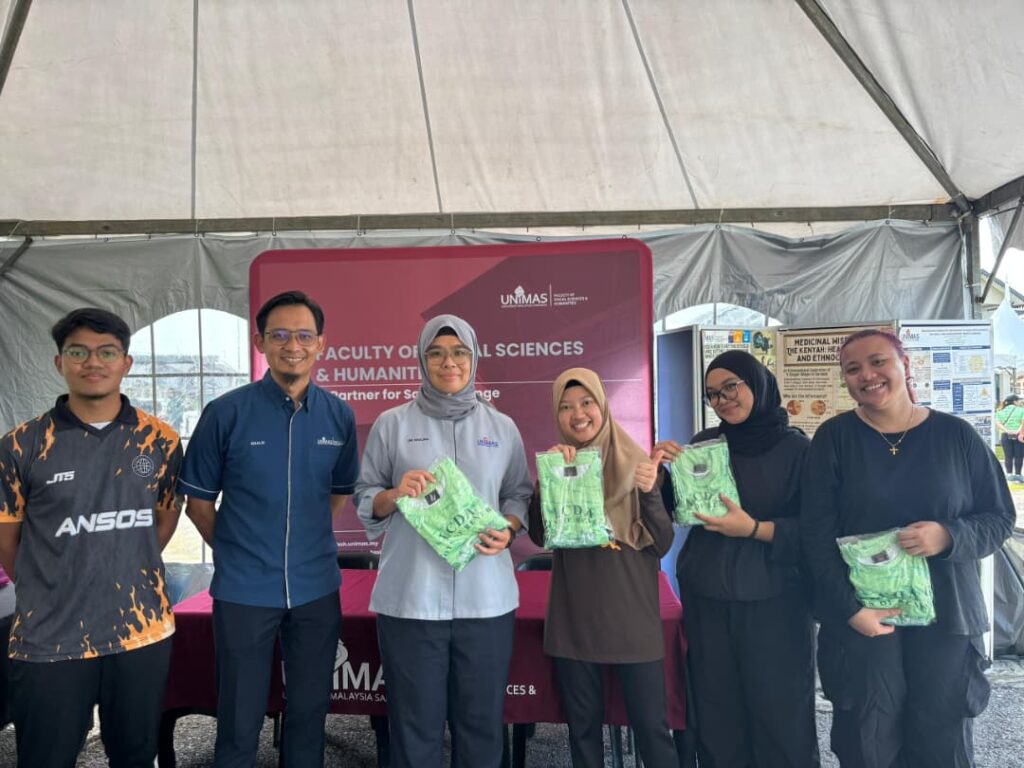
The program concluded with a call to action for all participants to adopt more sustainable lifestyles, emphasizing that the state’s future development must be balanced with the preservation of its natural ecosystems. Through the display of sustainability innovations, UNIMAS FSSH continues to play a pivotal role in supporting Sarawak’s journey toward a greener and more resilient future.
FSSH – A Partner for Social Change