Written by Dr Daniel Ugih Echoh & Dr Haslina Hashim
The Faculty of Social Sciences and Humanities (FSSH) has successfully implemented the Workshop on Good Agricultural Practices (GAP) for Oil Palm Smallholders in Mukah. It was organized as part of the teaching and learning activities for SSR3074: Social and Environmental Impact Assessment, where Third Year students from the Development Planning and Management Programme learned about issues related to smallholder farming practices in Balingian, Mukah, while key stakeholders like the Land Custody and Development Authority (LCDA) and Solidaridad Network Malaysia were engaged to help communities to address the issues.
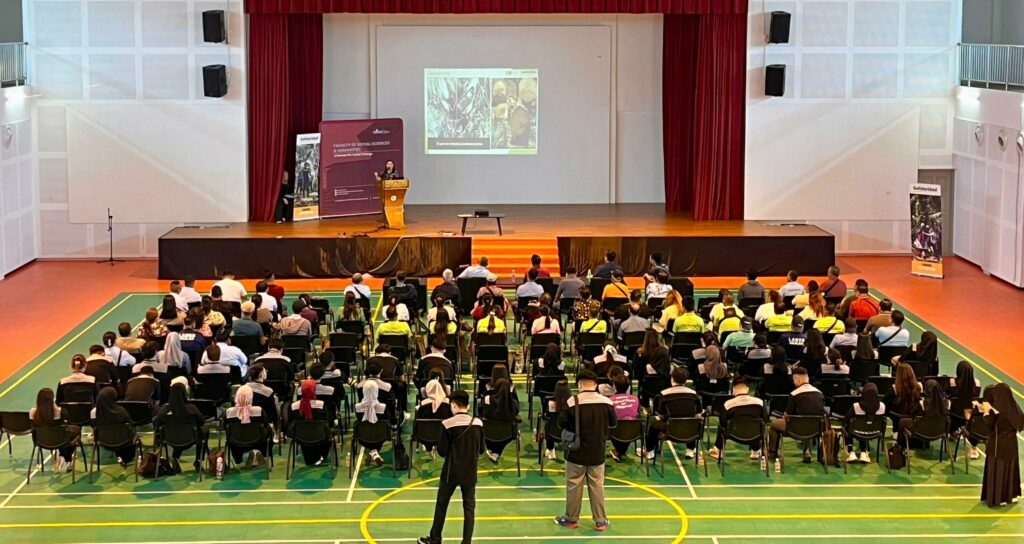
The workshop focused on smallholder farmers from six longhouses in Balingian, namely Rumah Jambai anak Bansan, Rumah Annie anak Samah, Rumah Muda anak Lunjang, Rumah Tuan ak Entili, Rumah Petrous Ambun, and Rumah Dunstan Bee anak Malang. The workshop was held on 29 November 2025 at Dewan Centex, Mukah.
This initiative was organised by Dr Khalid bin Zanudin (Deputy Dean, Industry and Community Engagement), Dr Haslina binti Hashim and Dr Daniel Ugih Echoh from FSSH in collaboration with the Land Custody and Development Authority (LCDA) and Solidaridad Network Malaysia. In this program, LCDA played a role in identifying and mobilizing smallholder participants and ensuring the initiative aligned with state development priorities. Meanwhile, Solidaridad Network Malaysia focuses on delivering training on sustainable palm oil production and smallholder support systems.
The main objective of the program is to equip smallholder farmers with practical knowledge on sustainable oil palm management. The other goals include strengthening collaboration among local stakeholders, namely the industry, academia, government agencies, and NGOs, in addressing environmental and agricultural challenges, and providing a platform for dialogue and information exchange between the collaborators and the local farming community.
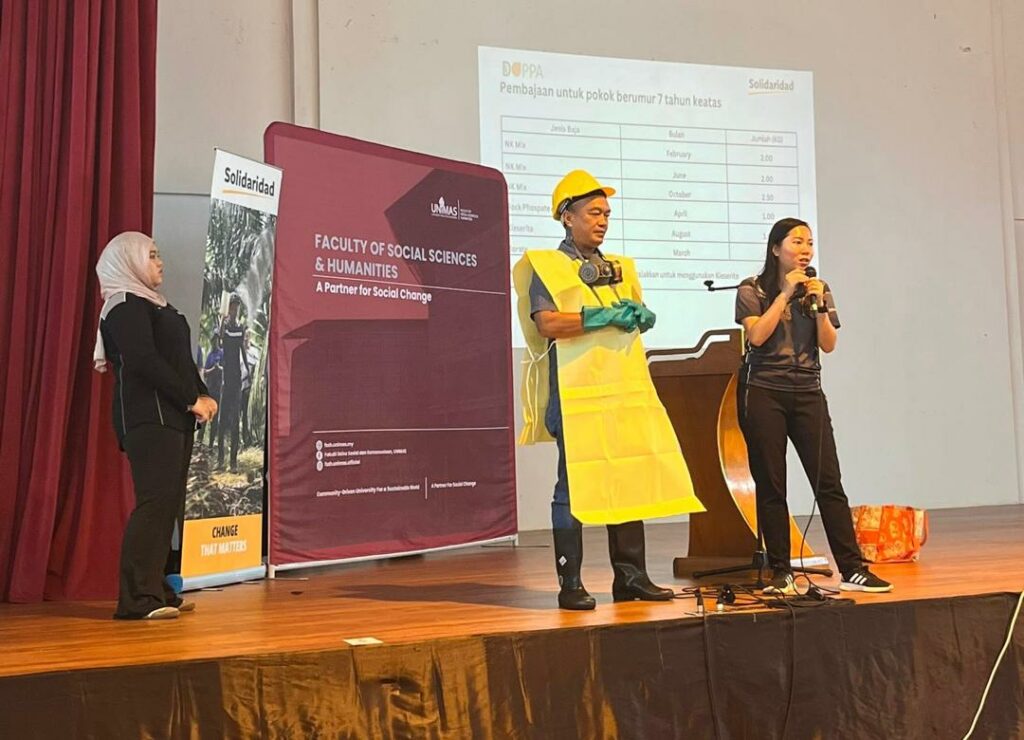
As many smallholders in Baligian still rely on traditional practices and have limited access to technical knowledge, the workshop was timely in raising awareness within the farming community about improving farm productivity, income generation, and sustainability. According to participants, the workshop provided practical guidance on managing their plantations. This includes fertilizer application, pest and disease management, harvesting techniques, and overall farm management; when done correctly, these practices should lead to higher, more consistent yields.
In Balingian, peat soil is the dominant soil type, widely distributed across coastal lowlands and riverine areas. This makes the area highly sensitive and poses challenges to agricultural activities. Often, agrarian practices overlook the environmental value of peatlands. Workshops on sustainable practices – like this one – support environmental protection by promoting soil and water conservation and responsible chemical use to ensure long-term land productivity. In addition, knowledge of GAP is a key requirement for MSPO certification, which is increasingly necessary for market access and acceptance by palm oil mills. Overall, the GAP workshop is expected to strengthen smallholders’ skills, promote sustainable farming, and improve livelihoods, thereby supporting the long-term development of the oil palm sector in Balingian.
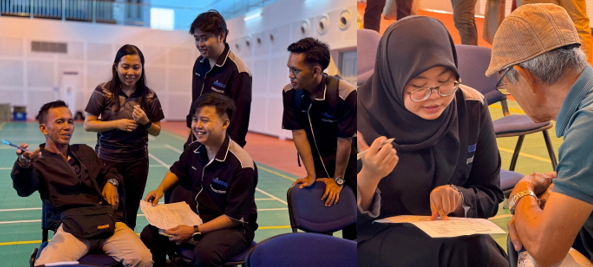
Aligned with UNIMAS’s tagline ‘Community-driven University for a Sustainable World’, the workshop reflects the university’s commitment to community engagement and service learning. Students gained hands-on experience working directly with oil palm smallholders, government-linked agencies such as the LCDA, and international organisations like Solidaridad Network Malaysia. This collaboration strengthened mutual learning, built trust, and ensured that training content was relevant to local conditions in Mukah.
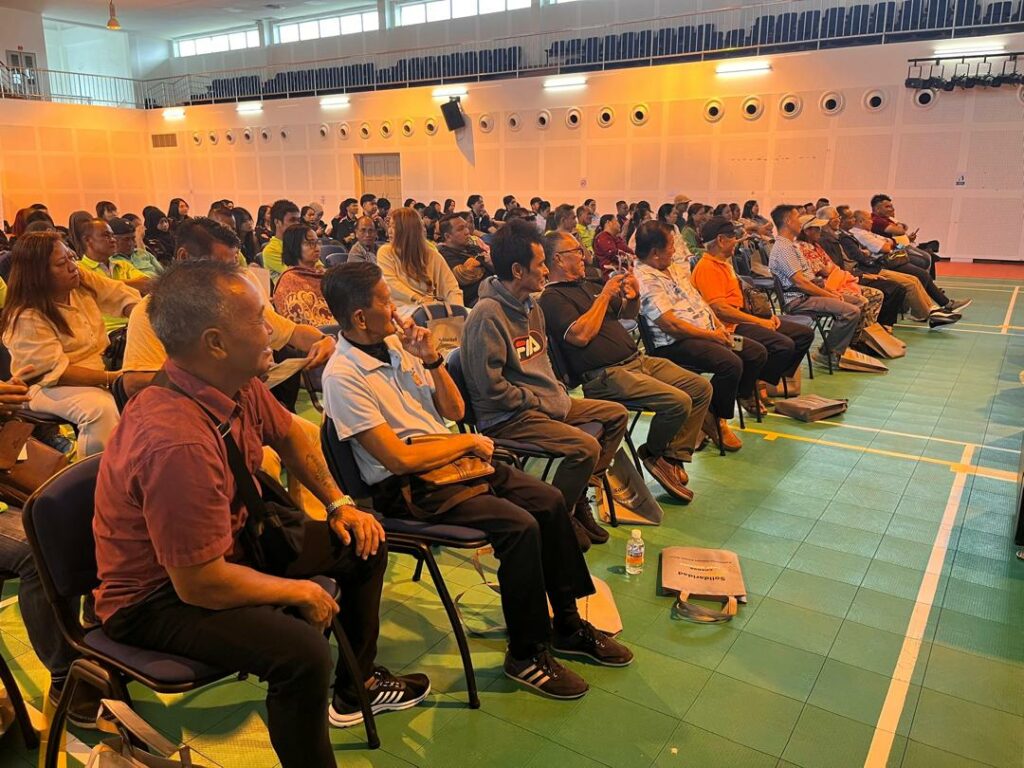
In summary, the program acts as a bridge between multiple stakeholders, ensuring sustainable oil palm development while building skills, improving livelihoods, and protecting the environment. In their response, the community hoped workshops like this could be held more frequently to enhance their knowledge of oil palm agronomy. Moving forward, key agencies, such as MPOB, can be invited to assist them in obtaining the necessary licences and certifications. Many are unaware of the proper channels to approach, or the procedures involved in the application process.
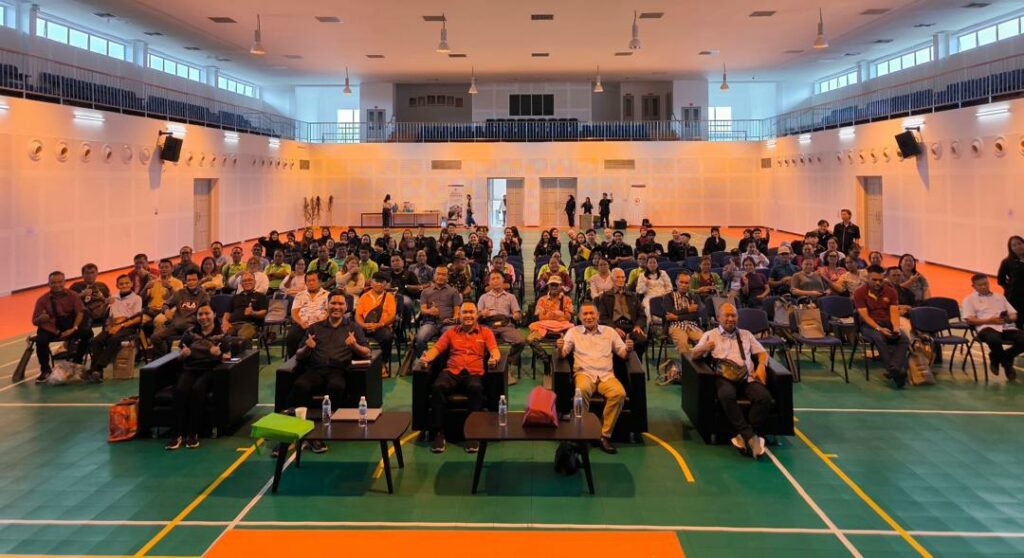
The Faculty of Social Sciences and Humanities extends its sincere gratitude to all participants for their active involvement, enthusiasm, and commitment to learning, which contributed significantly to the workshop’s success.
FSSH – A Partner for Social Change