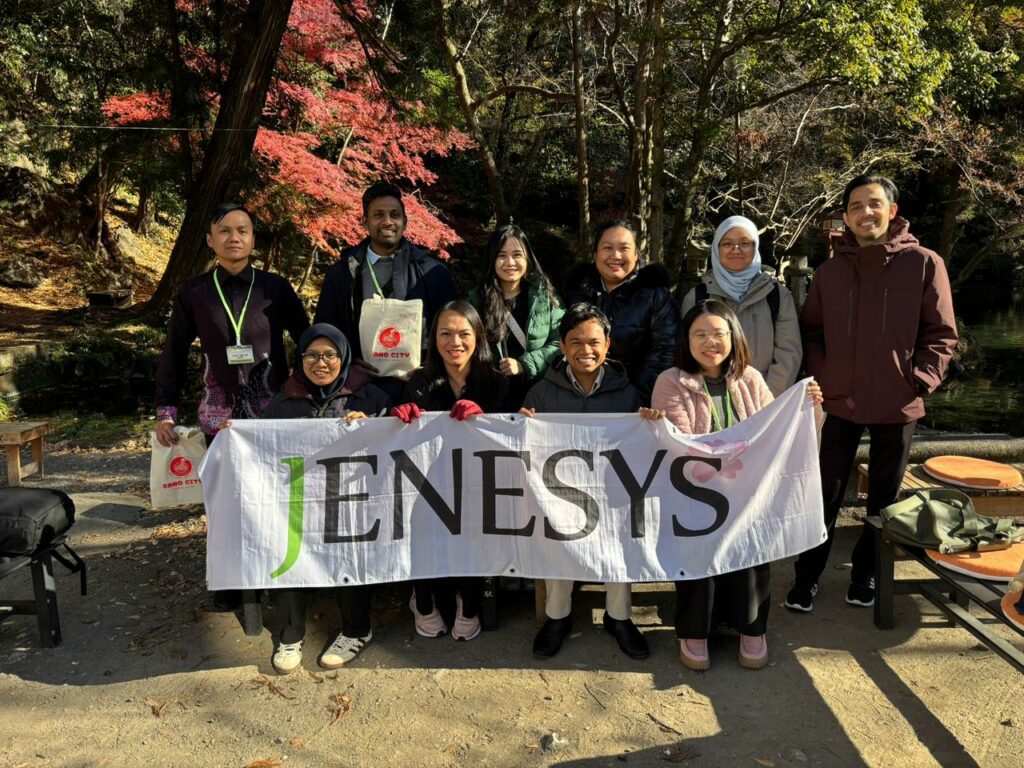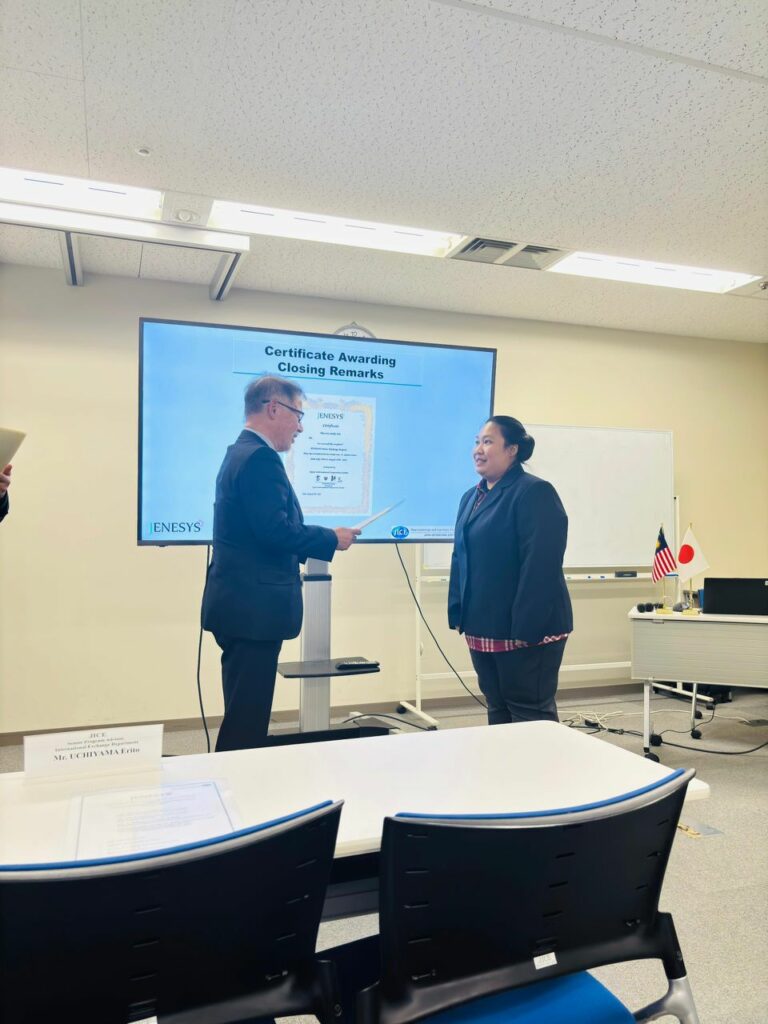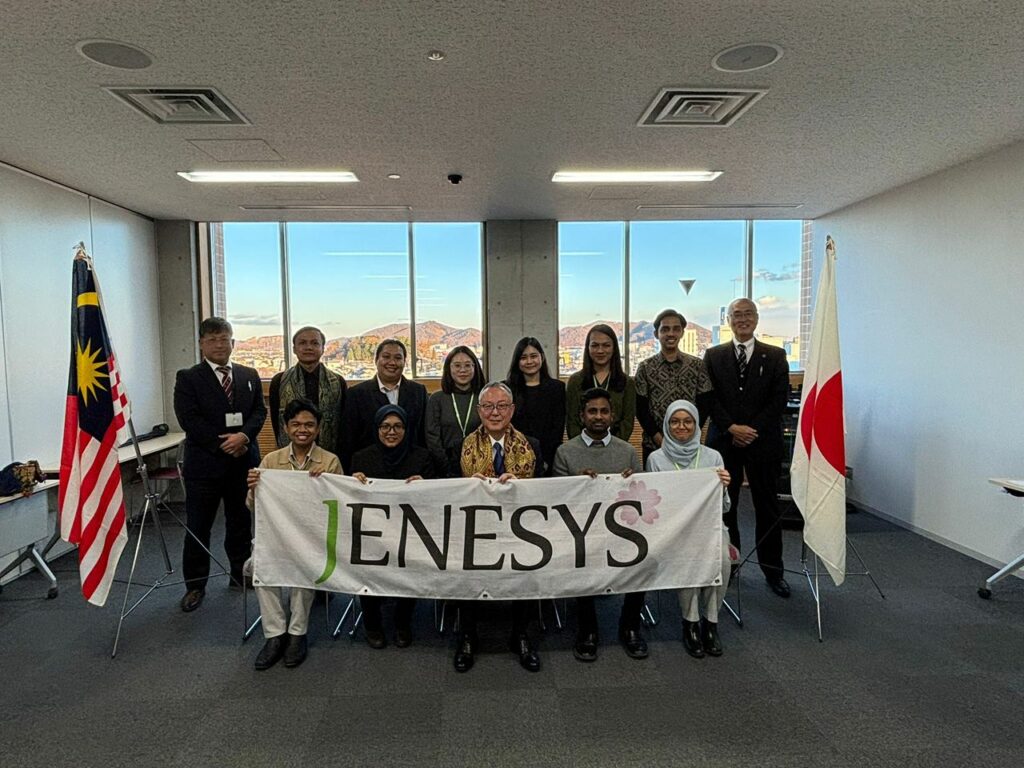
Tokyo, JAPAN – A Malaysian delegation of young researchers recently participated in the JENESYS2025 Malaysia–Japan Academic Exchange Program, held from 2 to 9 December 2025, under the sponsorship of the Japan International Cooperation Center (JICE). The program aimed to strengthen mutual understanding between Japan and Malaysia while fostering academic collaboration and building mutual understanding in diverse fields.
The delegation comprised 10 young researchers, including eight lecturers and two PhD candidates, representing leading higher education institutions in Malaysia. Universiti Malaysia Sarawak (UNIMAS) was represented by Dr. Rachel Marcella anak Roland from the Chemistry Program, Faculty of Resource Science and Technology (FSTS) and Mr. Khalif Amir from the Centre for Pre-University Studies. Other participants came from Monash University Malaysia, Sunway University, Universiti Teknologi Malaysia, Universiti Putra Malaysia, Universiti Malaysia Terengganu, Universiti Malaya, and Universiti Malaysia Pahang.
The program began in Tokyo with an official orientation at the JICE Headquarters, followed by academic visits to the University of Tsukuba. Participants were exposed to Japan’s cutting-edge research through laboratory tours and discussions with professors in areas such as medical chemistry, soft robotics, environmental sciences, applied microbiology, and spintronics. These engagements provided valuable insights into Japan’s research ecosystem and innovation-driven academic culture.
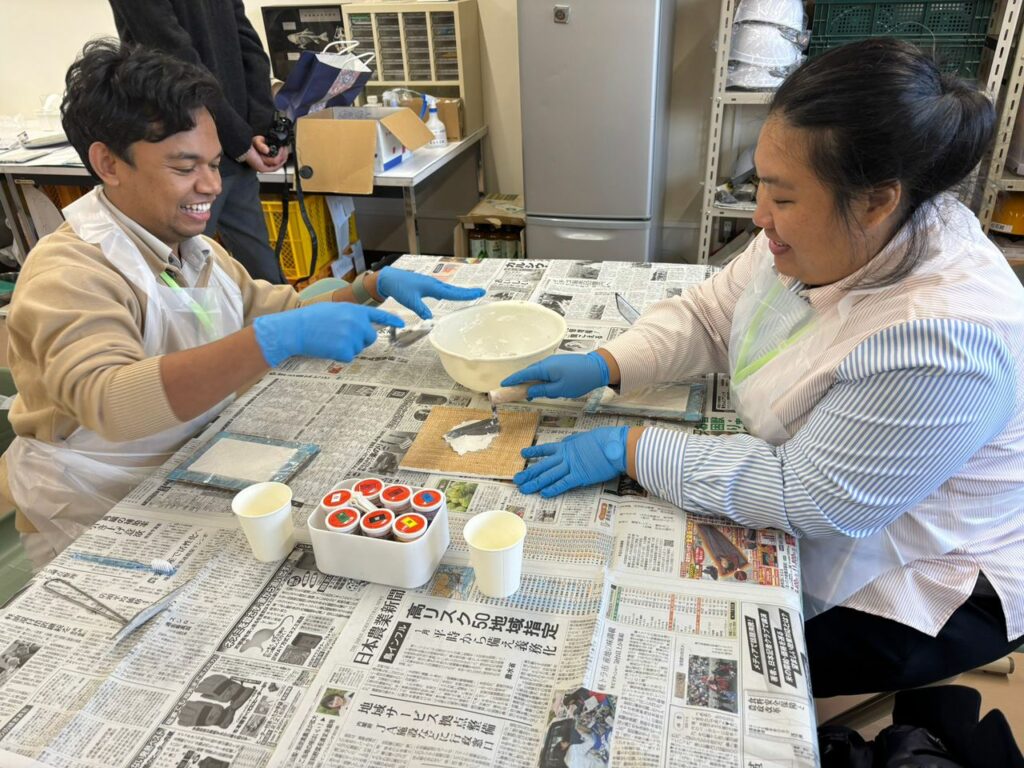
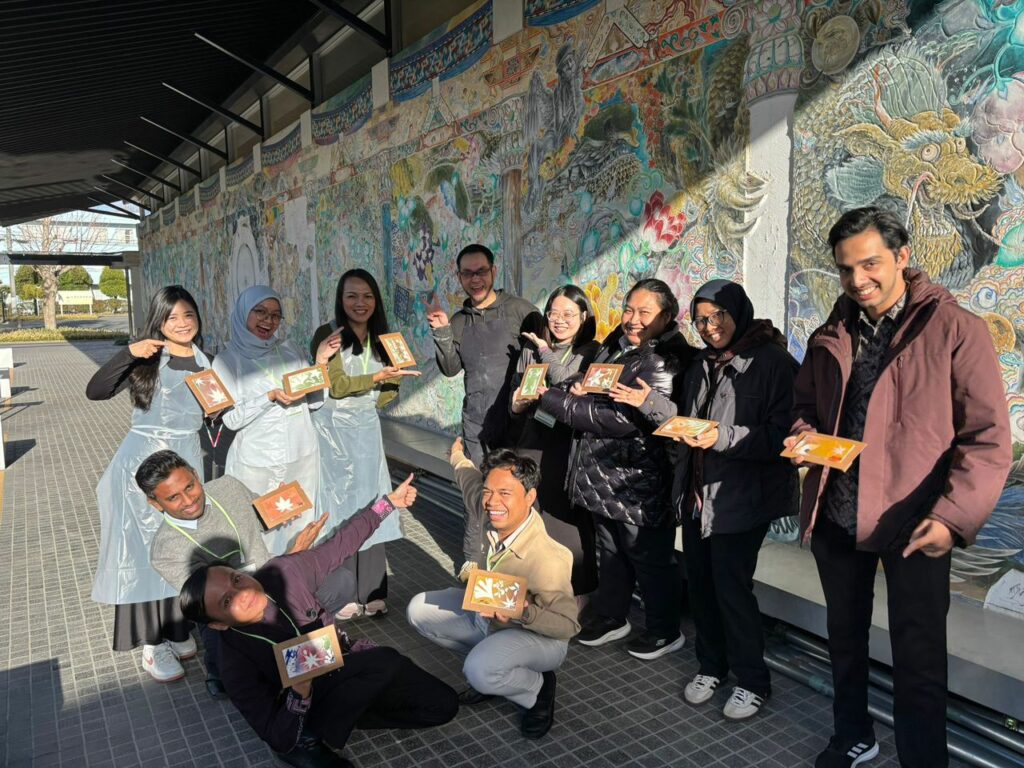
A key highlight was the visit to the Japan Aerospace Exploration Agency (JAXA) Tsukuba Space Center, where participants learned about Japan’s advancements in space exploration and aerospace technology. The delegation also visited AIST-Cube, showcasing applied research and industrial innovation. In addition, participants experienced Japan’s rich cultural heritage through visits to sites such as Izuruhara Benten Pond, home to Japan’s largest fresco mural, and took part in a hands-on fresco painting workshop.
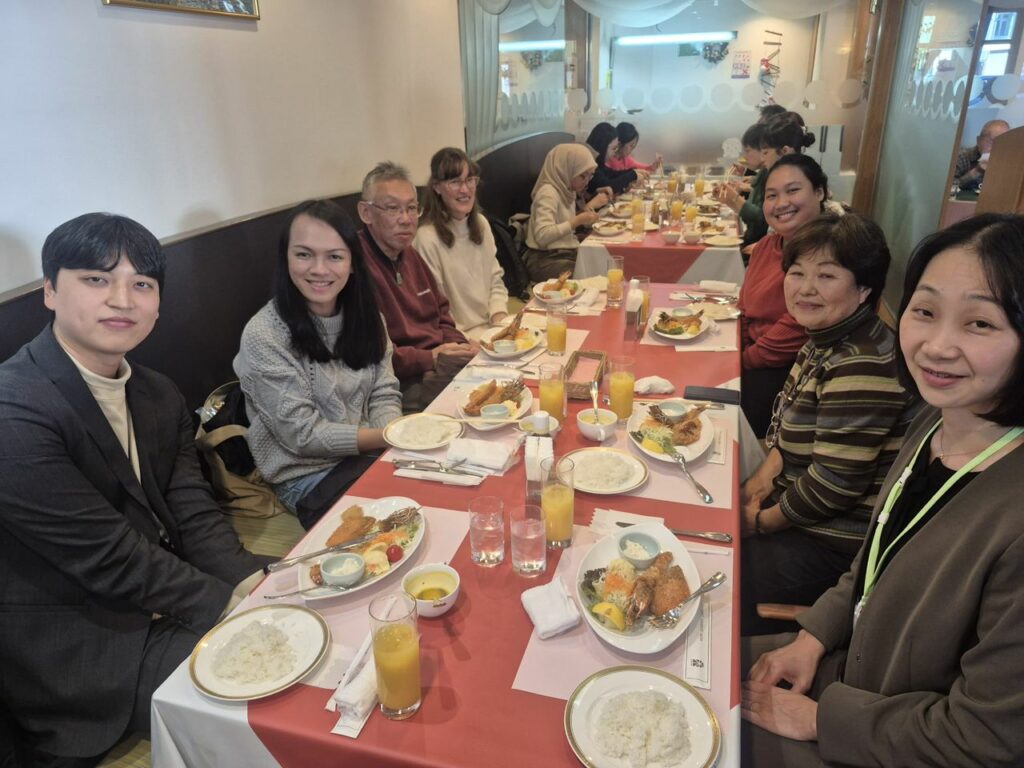
The program also included a homestay experience in Sano City, where participants stayed with local host families. This cultural immersion allowed them to experience Japanese hospitality, traditions, and daily life firsthand, strengthening people-to-people connections.
Overall, the JENESYS2025 Program successfully met its objectives of promoting mutual trust, enhancing understanding of Japan’s society and culture, and building academic and professional networks. Participants are encouraged to share their experiences and insights through academic platforms and social media, contributing to greater public awareness of Japan–Malaysia relations and the value of international exchange.