Written by Rabiatul Adawiyah Marzuki (3rd year student, Politics & Government Studies Programme)
The POLGOV Society at Universiti Malaysia Sarawak (UNIMAS) hosted a student-led forum to analyse the recent 17th Sabah State Election, providing an opportunity for students to evaluate key political developments and discuss the future of the state’s governance. The event, held from 8:15 AM to 11:00 AM at the COEDS Room, Level 2, Faculty of Social Sciences and Humanities, featured six second-year Political Science and Governance students from Sabah as panelists and was observed by Prof. Datu Dr Neilson Ilan Anak Mersat.

Titled “Pasca Pilihan Raya Sabah ke-17 2025: Analisis Keputusan dan Masa Depan Sabah”, the forum focused on four primary areas: political parties and candidates, election issues and campaigns, election results, and the future political trajectory of Sabah.
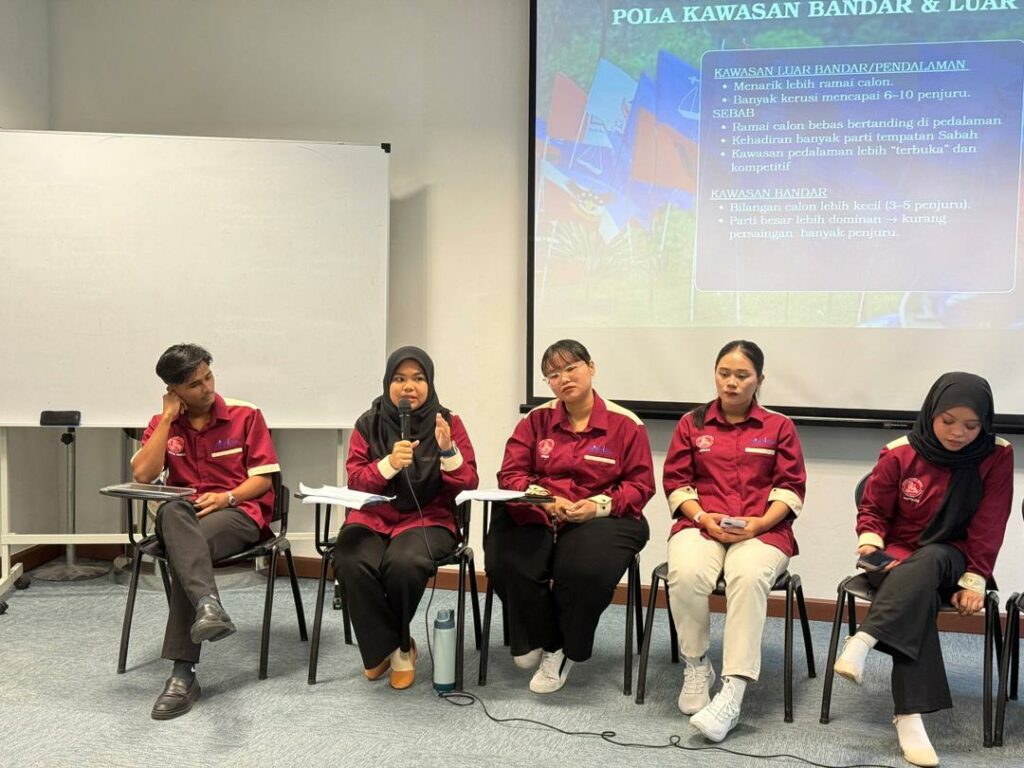
Political Parties and Candidates
The discussion began with an overview of Sabah’s political landscape, noting its multi-party system and the prominence of coalitions such as Gabungan Rakyat Sabah (GRS), Warisan, Barisan Nasional (BN), and Pakatan Harapan (PH). The panelists
highlighted that Sabah’s politics is strongly localised, with voters often prioritising candidate credibility, personal reputation, and community engagement over strict party affiliation.
Panelists also noted the role of independent candidates and smaller Sabah-based parties, which continue to exert influence in several constituencies. “In Sabah, the relationship between candidates and their communities often outweighs party loyalty. Voters assess candidates based on past performance and personal integrity,” one panelist said. The discussion emphasised that the success of candidates depended not only on the coalition or party they represented but also on their ability to connect with voters and address local issues.
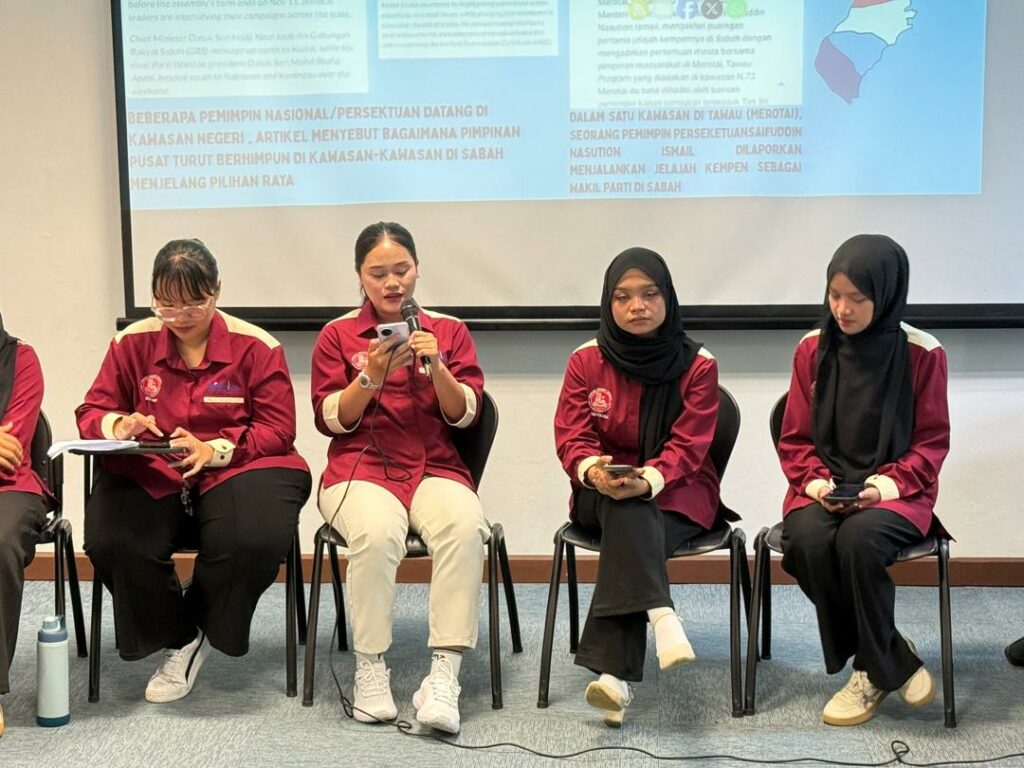
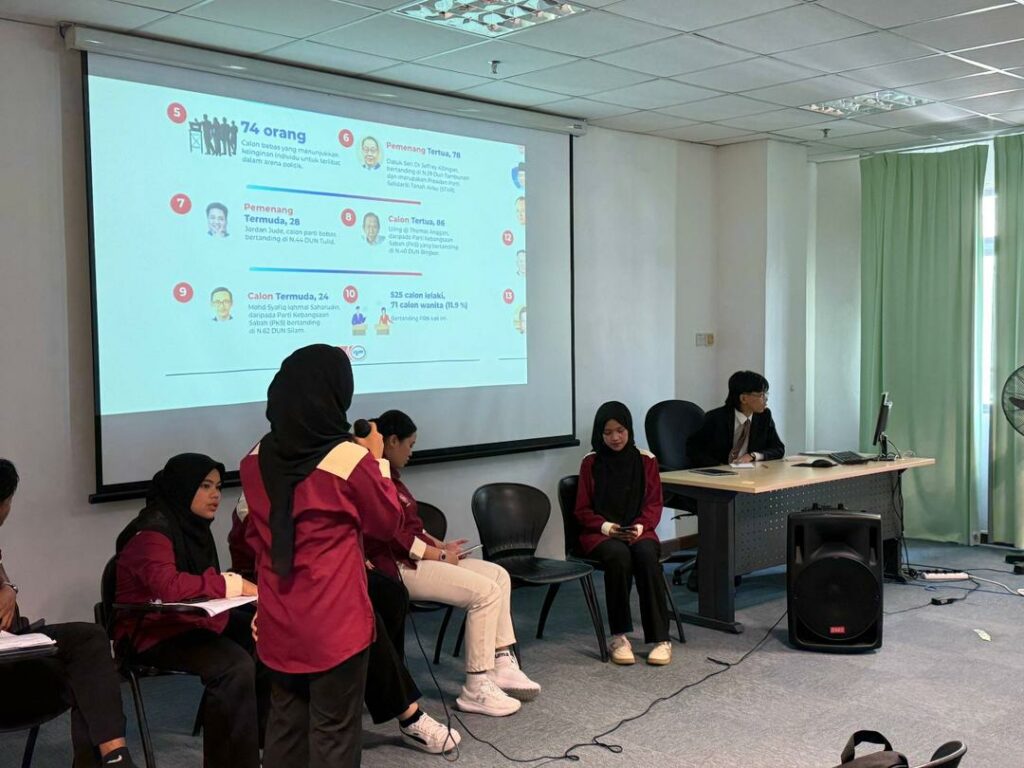
Panelists also reflected on the increasing visibility of younger candidates in the 2025 election. Many of these candidates ran hyperlocal campaigns, engaging directly with communities through town halls, social media, and grassroots outreach. The students noted that this trend indicates a slow but meaningful shift in Sabah’s political culture, with younger voters valuing engagement and transparency over traditional party loyalties.
Election Issues and Campaigns
The forum then explored the key issues that shaped the election campaign. Panelists identified state autonomy and MA63-related rights as central voter concerns, reflecting widespread expectations for greater control over resources and governance. Developmental issues, including road infrastructure, electricity, water supply, healthcare access, and education, were cited as critical determinants of voter behaviour, particularly in rural areas.
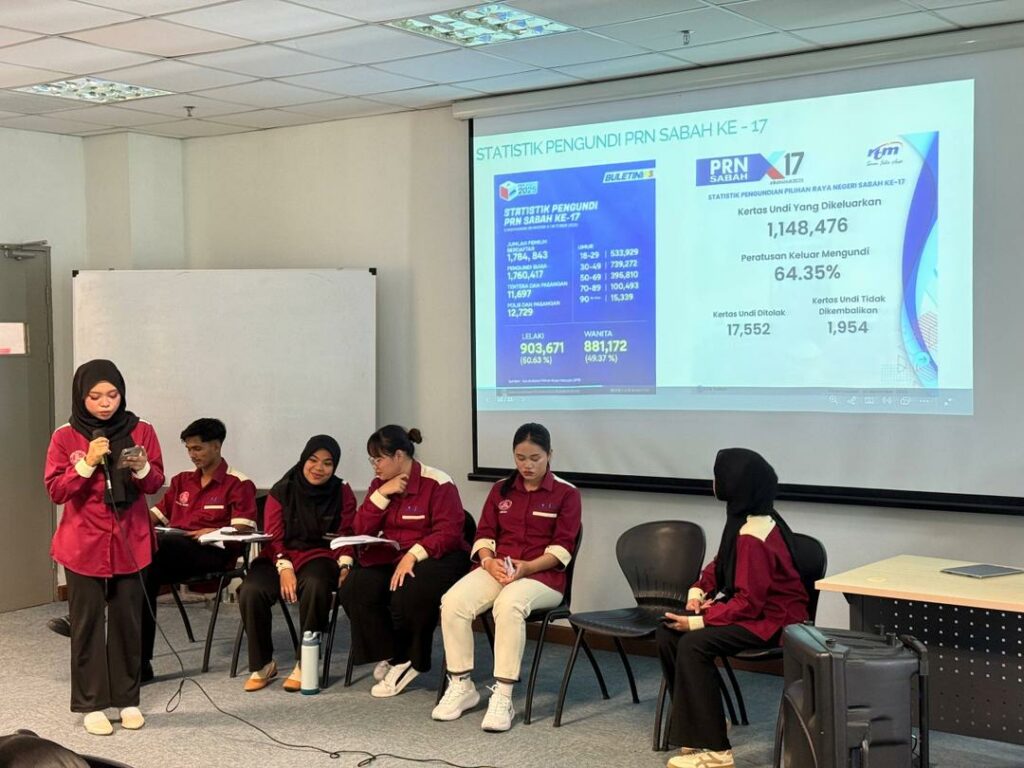
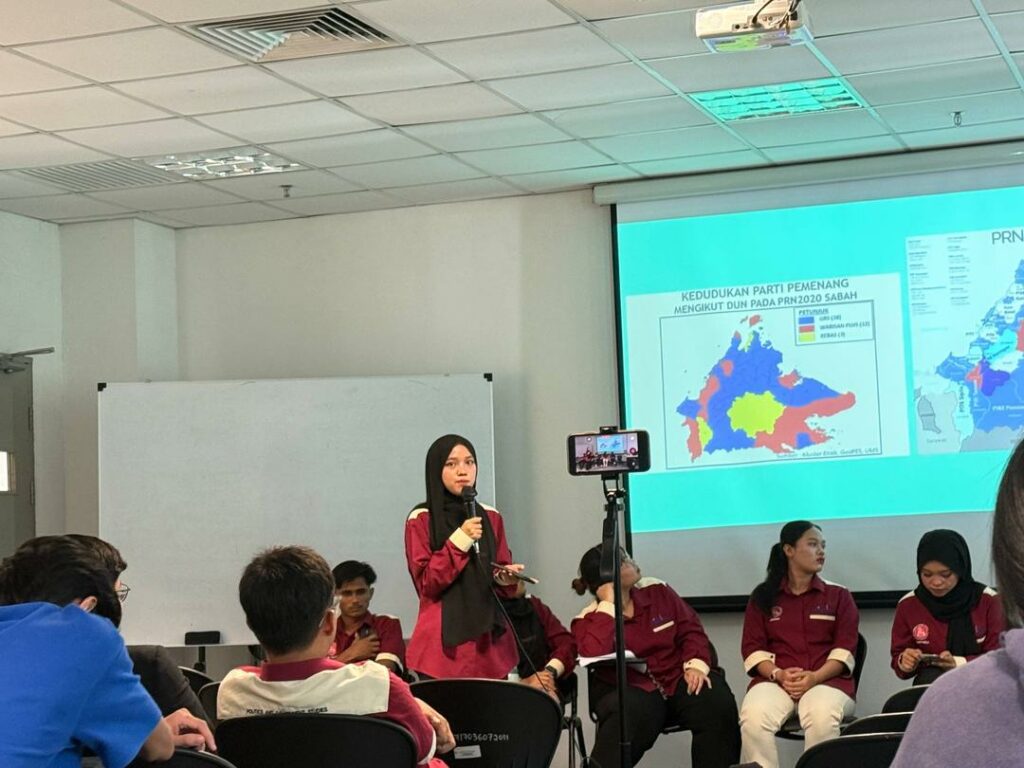
Immigration and security matters, especially in East Coast districts, were also discussed, with students noting that these issues influenced both campaign narratives and voter perceptions. The panel highlighted how candidates sought to balance local concerns with broader policy frameworks to appeal to diverse constituencies.
Another focus was the increasing role of digital campaigns, particularly through platforms such as TikTok, Facebook, and Instagram. Panelists observed that candidates who effectively utilised these platforms were better able to engage younger voters and communicate their policy priorities widely. “Digital campaigning is no longer optional; it has become central to voter engagement, especially among first-time voters,” a panelist said. However, the students also emphasised the need for political literacy, noting that social media can amplify misinformation if voters are not critical of content.
The forum also offered an opportunity to analyse campaign messaging strategies. Panelists discussed how parties tailor their communications to specific regions, highlighting the differences between rural and urban constituencies. Rural voters were found to prioritise practical outcomes and community-level interventions, while urban voters focused more on transparency, governance quality, and economic policies.
Election Results
When discussing the election outcomes, the panelists noted a combination of continuity and change. Some incumbents retained their constituencies, while new candidates emerged in key districts. The students observed that urban constituencies tended to favour candidates with professional backgrounds and reform-oriented platforms, while rural areas continued to prioritise local engagement and community connections.
Voter turnout was another topic of discussion. Panelists highlighted the significant participation of young voters, including students who returned home or voted via postal ballots. They suggested that the growing influence of this demographic could shape policy priorities and political strategies in future elections.
The panel also examined coalition dynamics. Fragmented results required negotiation and compromise, highlighting the complexity of governance in Sabah. “The election demonstrates that coalition politics will remain a defining feature of Sabah’s political landscape, requiring strategic cooperation and compromise among parties,” a panelist said.
Future of Sabah Politics
In addressing the future political trajectory, the panelists emphasised that Sabah’s stability and development depend on fulfilling electoral promises, ensuring transparency, and strengthening accountability mechanisms. They noted that leadership performance, particularly in delivering on infrastructure, education, and employment initiatives, will influence public trust and voter confidence.
The forum also highlighted the importance of youth participation and civic engagement. Panelists argued that politically aware and digitally connected youth could become a key force in shaping governance, pressing for accountability, and fostering policy innovation. In addition, the students reflected on the need for inclusive policymaking, stressing that Sabah’s political future must consider both urban and rural needs, as well as minority and indigenous communities.
Question-and-Answer Session
The forum included a Q&A session, providing an interactive platform for attendees to engage with panelists. One audience member asked whether ethnic voting patterns continue to dominate elections. Panelists replied that while ethnicity remains a factor in some constituencies, younger voters increasingly prioritise issues such as governance, development, and candidate credibility.
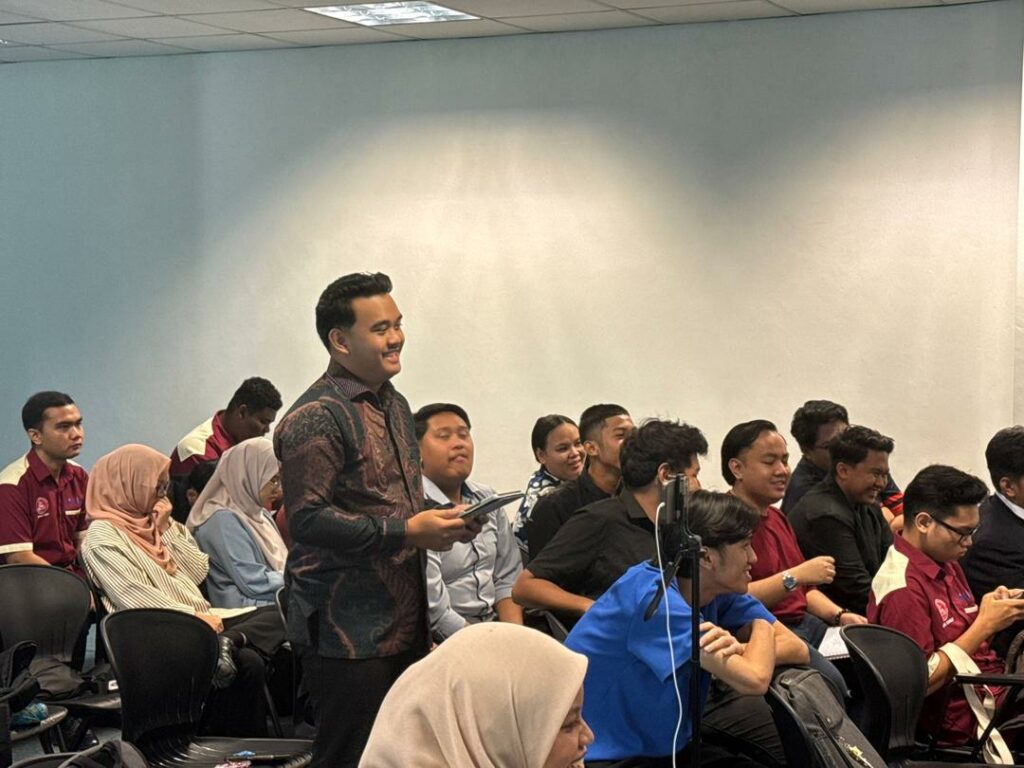
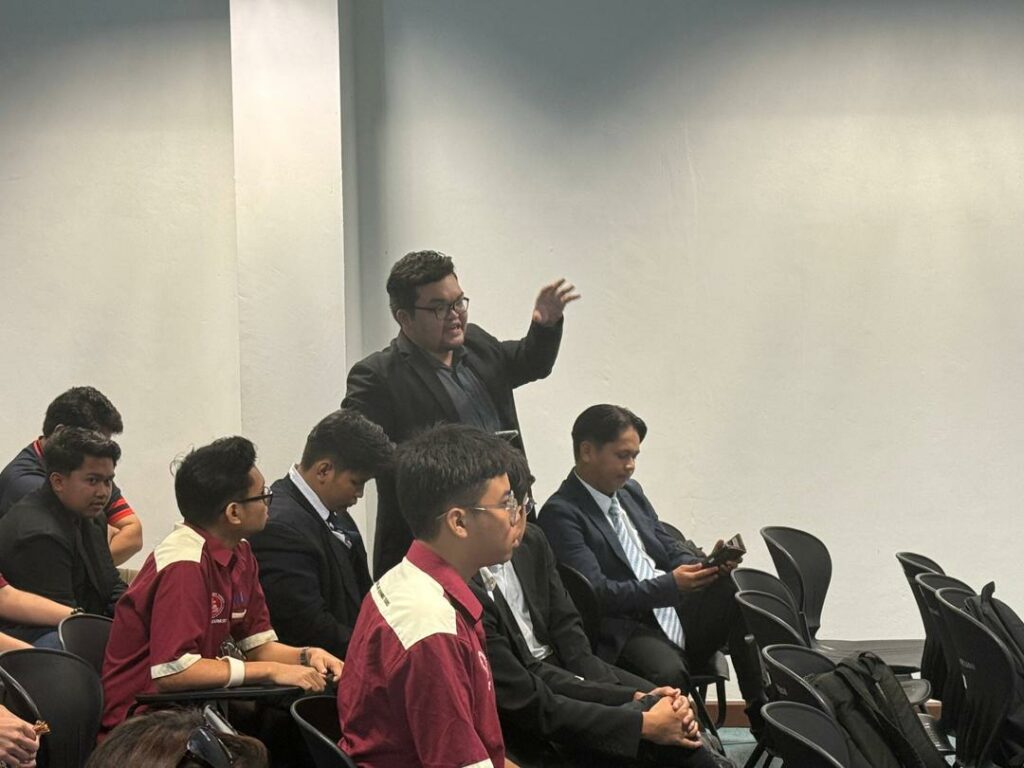
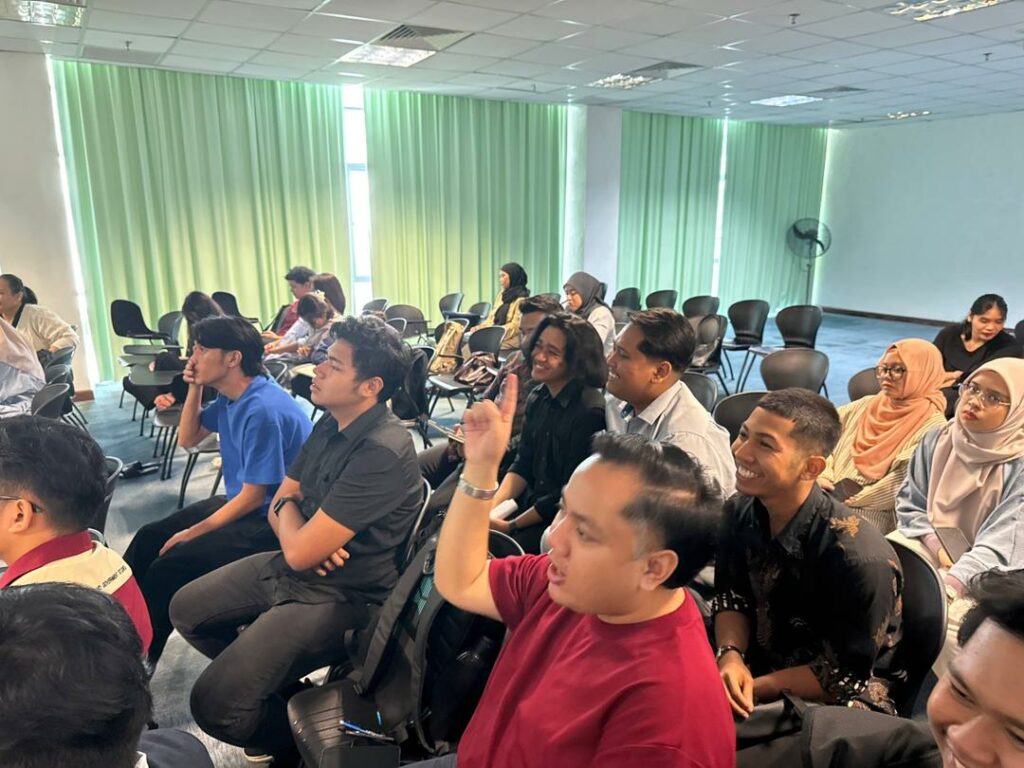
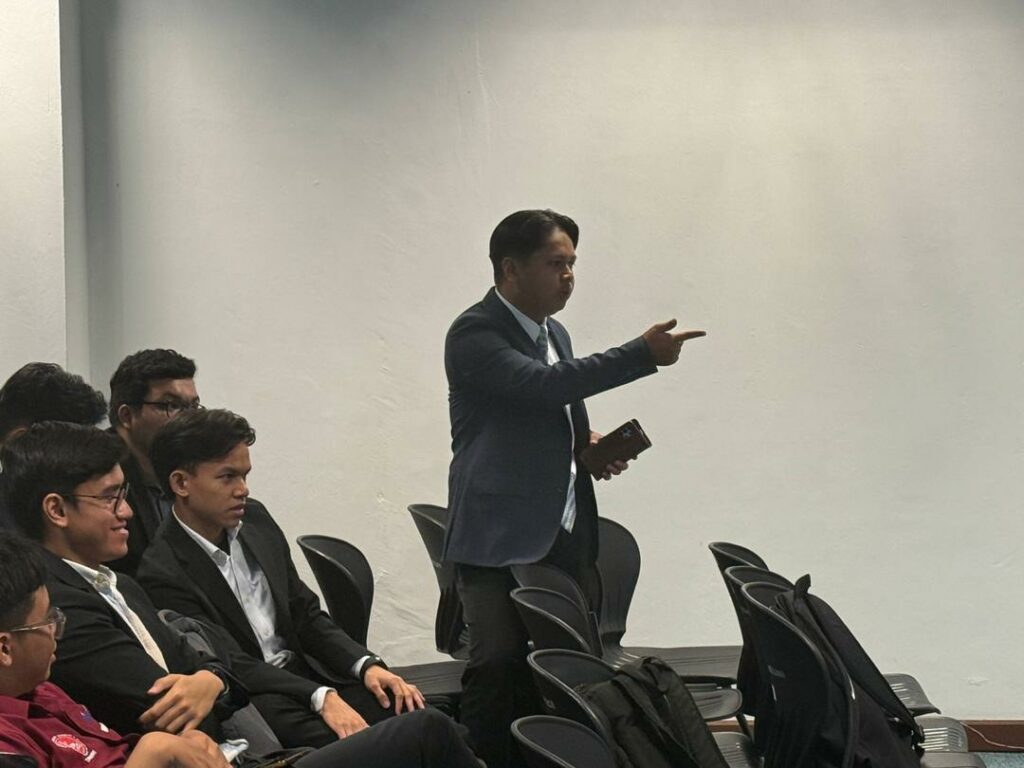
Another question addressed the credibility of campaign promises. Panelists noted that some promises were realistic and actionable, while others were aspirational. They emphasised that public scrutiny and civic engagement are essential to ensure elected representatives deliver on their commitments. A third question focused on coalition stability, prompting discussion on the challenges and opportunities of fragmented political landscapes. Panelists agreed that coalition building remains central to Sabah’s governance, reflecting the state’s diverse interests and complex political realities.
Significance of the Forum
The forum itself served as more than a platform for post-election analysis, it represented an educational and civic milestone for both students and the wider university community. By bringing together panelists and attendees to examine real world political developments, the forum fostered a space where theoretical knowledge from the classroom could be applied to contemporary issues. It encouraged students to critically evaluate electoral outcomes, consider the underlying dynamics of Sabah’s political culture, and engage with policy discussions that affect their home state.
Beyond knowledge acquisition, the forum contributed to enhancing civic awareness and responsibility. Students were prompted to reflect on the roles of citizens, the significance of informed voting, and the influence of youth participation on governance. The interactive question-and-answer session allowed attendees to voice concerns and perspectives, bridging the gap between academic analysis and lived experiences within local communities.
Additionally, the presence of Prof. Datu Dr. Neilson Ilan Anak Mersat provided a vital connection between scholarly insight and student interpretation. His observations and commentary not only validated the students’ analysis but also emphasised the importance of continuous dialogue in shaping informed, critical perspectives. The forum demonstrated how academic initiatives can cultivate leadership skills, analytical thinking, and public speaking abilities among students, preparing them to contribute meaningfully to civic and political life.
Ultimately, the forum highlighted the importance of student engagement in political discourse. By combining structured analysis, discussion, and interactive participation, it underscored that political awareness and active involvement are essential for the development of democratic values and responsible governance. Such forums are not only educational but also instrumental in nurturing the next generation of informed and
engaged citizens in Sabah.
Prof. Datu Dr. Neilson reflected on the forum’s value, stating: “Political analysis is not merely about evaluating who won or lost. It is about understanding what drove these outcomes and how they shape public expectations. Sabah has always been dynamic, and today’s discussion shows that its young citizens are actively reflecting on this dynamism.” He also highlighted the broader role of student-led forums: “Spaces like this cultivate critical thinking, encourage civic participation, and prepare the next generation to engage meaningfully with governance. Sabah’s future depends on informed and engaged citizens.”
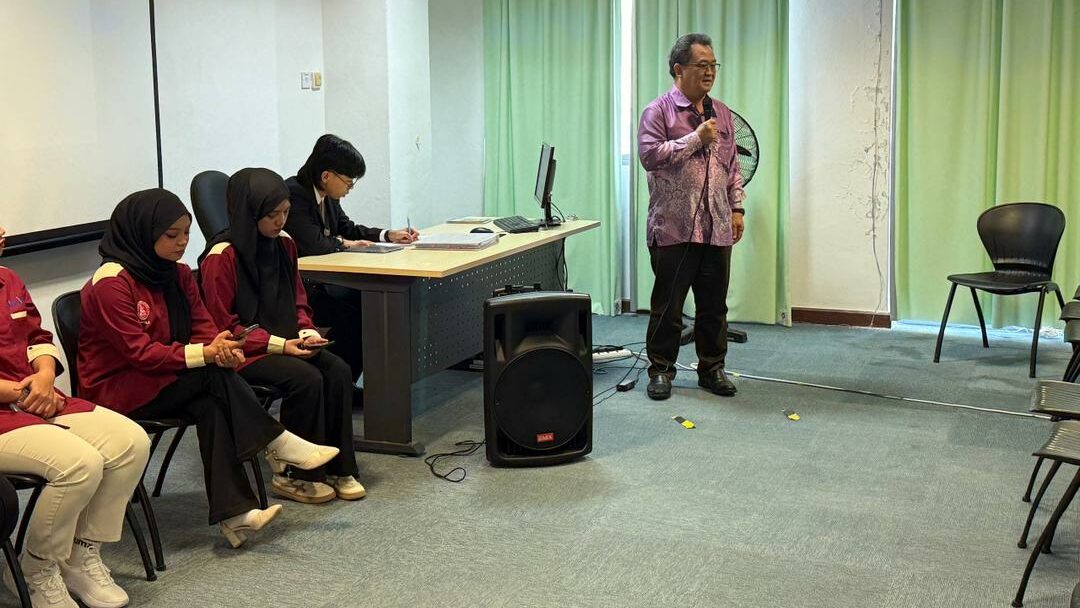
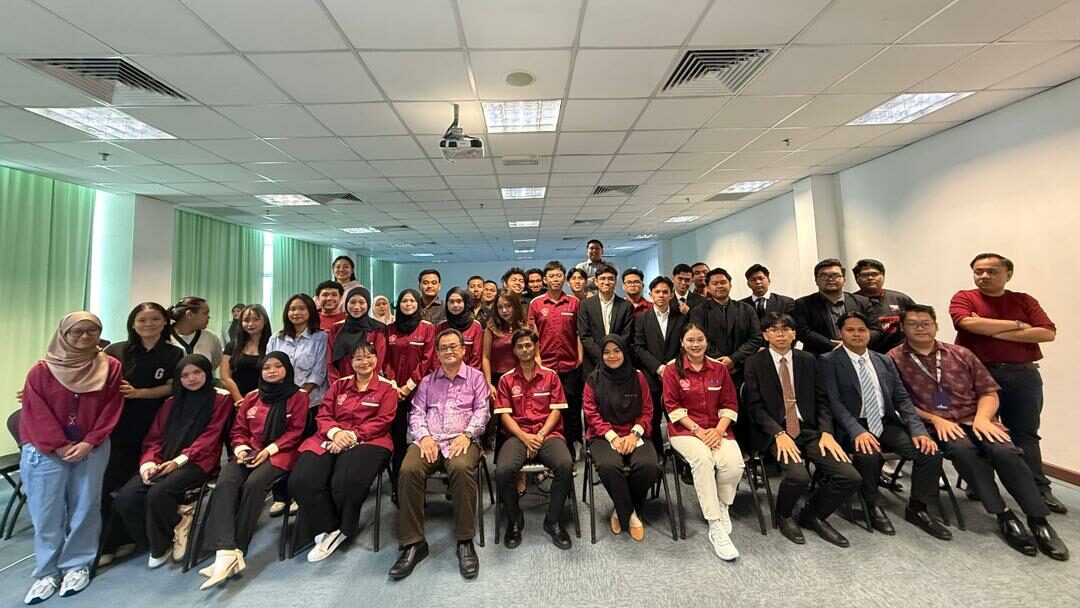
The POLGOV Society’s forum successfully provided a platform for young Sabahan students to critically examine the 17th Sabah State Election. By focusing on political parties and candidates, election issues and campaigns, election outcomes, and Sabah’s political future, the forum emphasised both analysis and civic responsibility. Attendees left with a clearer understanding of the state’s electoral processes, the factors influencing voter behaviour, and the challenges and opportunities facing Sabah’s governance. The event underscored that while elections determine leadership, the state’s political future is ultimately shaped by informed participation, critical scrutiny, and sustained engagement, particularly among youth. By combining structured analysis, audience interaction, and expert guidance, the forum demonstrated that academic spaces could play a significant role in fostering political literacy, empowering students to contribute meaningfully to discussions on governance, and shaping the democratic culture of Sabah.
FSSH – A Partner for Social Change