By Owen Chan
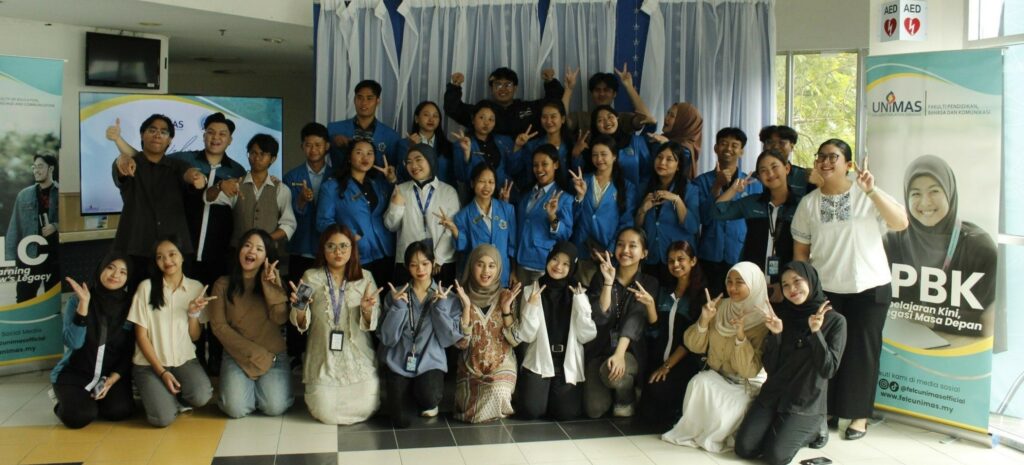
Figure 1 Group photo of the programme committee with the students of STKIP Persada Khatulistiwa
The ongoing collaboration between the Faculty of Education, Language and Communication (FELC) and STKIP Persada Khatulistiwa Sintang, Indonesia, serves as a powerful reminder that geographical borders do not diminish shared cultural values. This relationship, built on a foundation of mutual visits and academic partnership, continues to bridge the gap between neighboring nations.
Professional Mastery in Communication
A major focus of the program is helping students become better communicators. This is achieved through fun, hands-on activities led by Dr Dean Yeo, where students learn how to share ideas more effectively. Students practice using body language, such as gestures and facial expressions, to help communicate their ideas more clearly in various social settings. To boost creative thinking, they play games like “Taboo” that challenge them to explain difficult ideas using different words, which builds linguistic flexibility. Additionally, storytelling and group activities were used to help students feel more comfortable speaking English and more confident thinking on their feet.
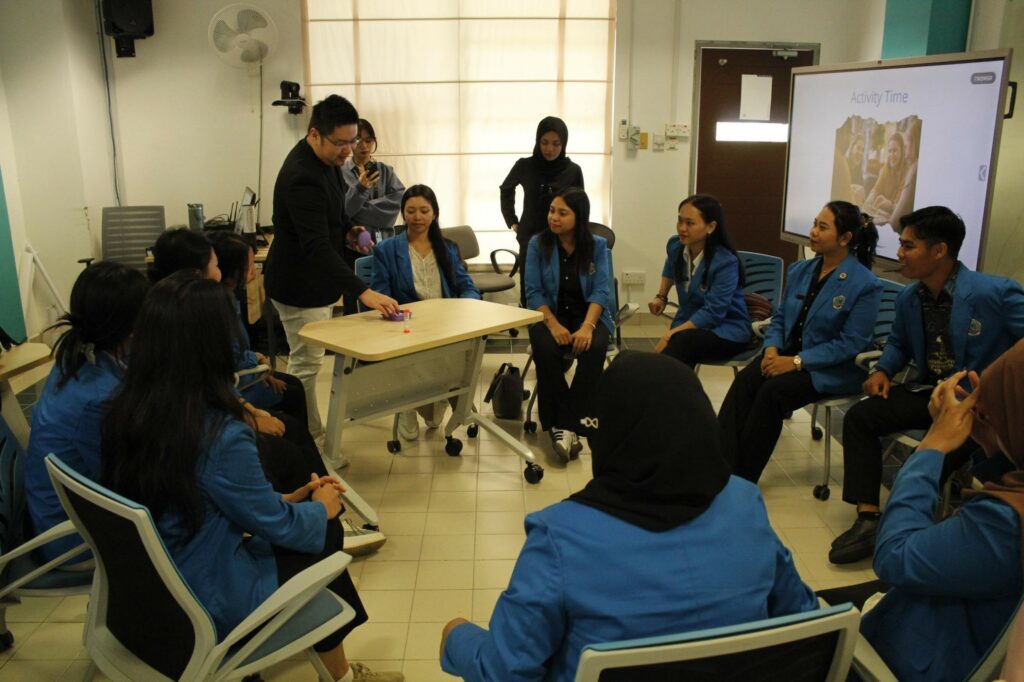
Figure 2 Dr Dean Yeo’s demonstration of the game “Taboo”
Celebrating Common Ground
Despite being from different nations, the program highlights that the values shared by these communities often outweigh their differences. In a workshop led by Dr. Yvonne Campbell, students engage in reflective exercises—such as creating personal avatars—to explore their community backgrounds, traditions, and norms.
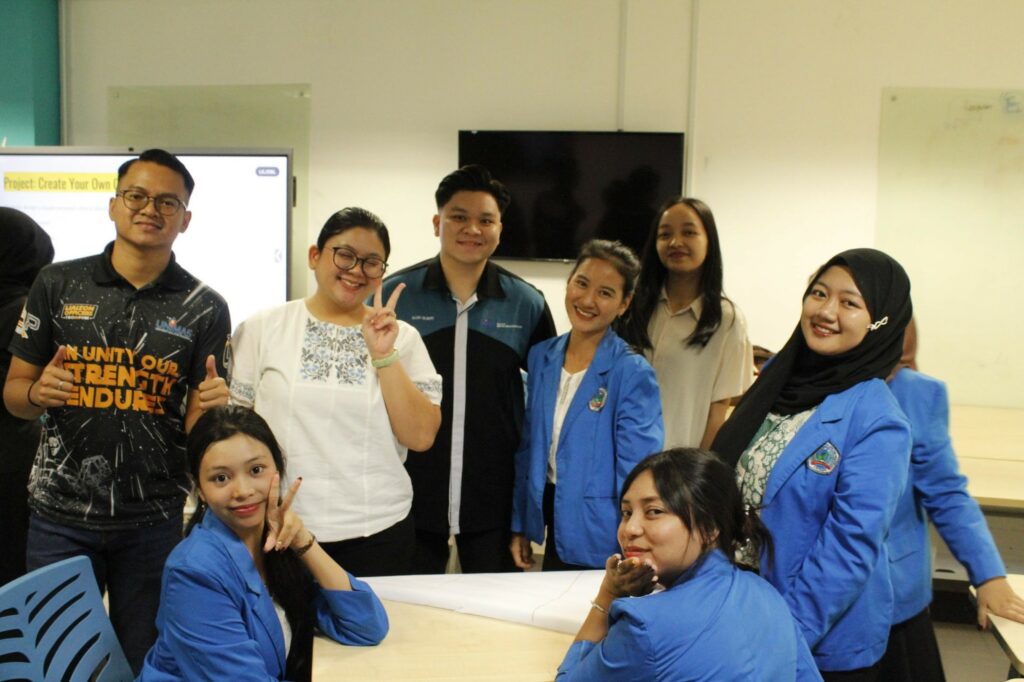
Figure 3 Group photo during activity in session with Dr Yvonne Michelle Campbell
Immersive Cultural Workshops
Besides that, the program provides a deep dive into the heritage of Sarawak, offering hands-on experiences that turn history into a living lesson. Starting off with the workshop on Sarawak Beads by beads enthusiast, Mr. Joshua Parnell Simon Lejau, a year 4 English for Global Communication student, where students learn about the history of Sarawak beads from China, India and Europe. At the same time, the participants learned the role of these beads as generational heirlooms that symbolize status and history. The participants also engage with culinary traditions through hands-on Sarawak Laksa demonstrations by Ms. Jennifer Sharon Anak Edwin — year 3 English for Global Communication student. Back in 1930’s a Teochew immigrant from China invented the Sarawak version of Laksa which had become the local favourites since then and today, it is considered a must try dish for every tourist who plans to visit Sarawak.
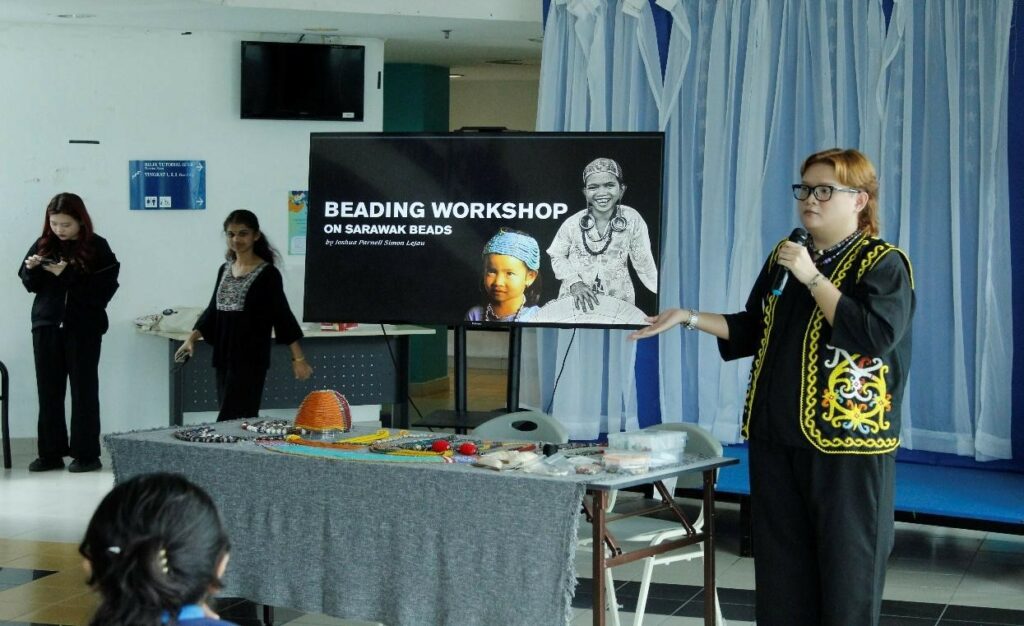
Figure 4 Mr. Joshua beading sharing session
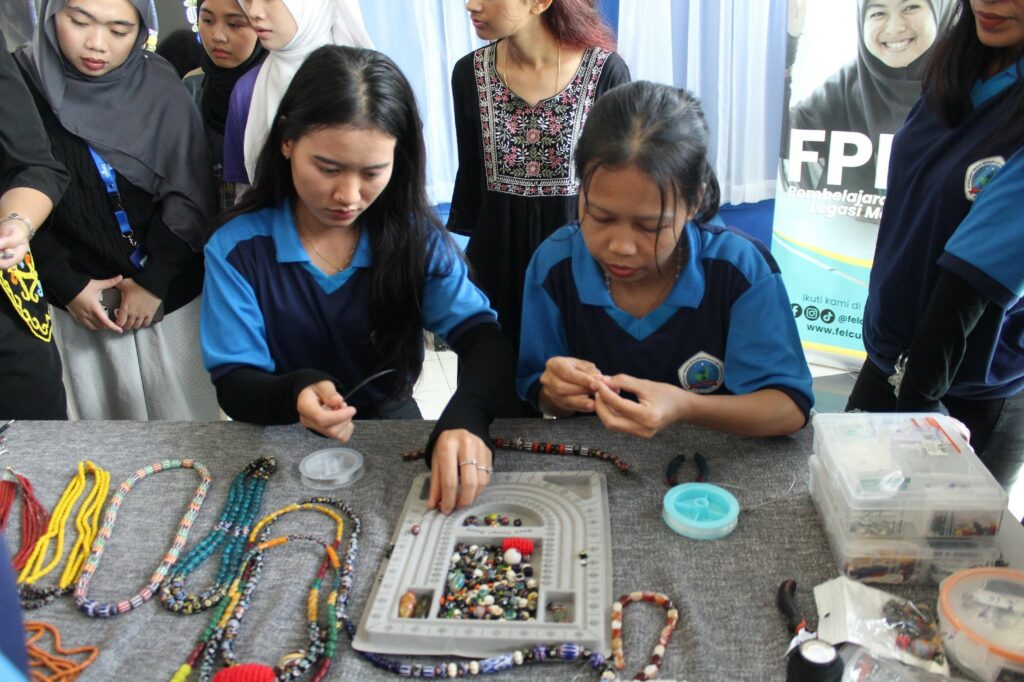
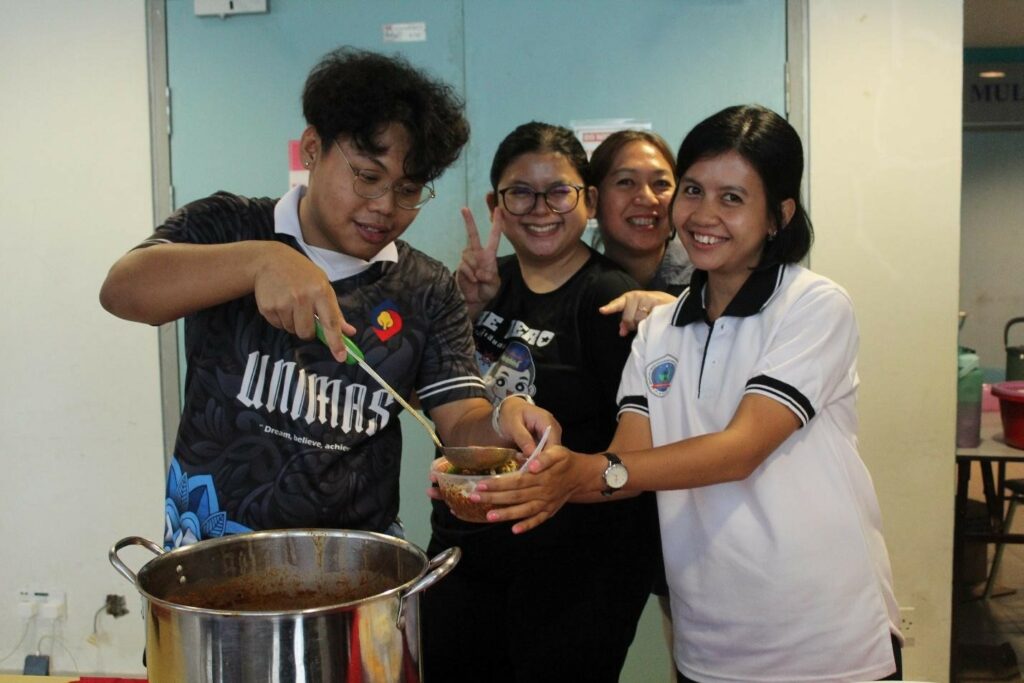
Figure 7 Serving of Sarawak Laksa to the crowd
A Legacy of Collaboration
The exchange reaches its peak with a celebration of performing arts, where students from both universities showcase their unique cultures through traditional fashion, singing, and dancing. These moments of high energy and mutual appreciation ensure that the visit is more than just a trip—it is a transfer of knowledge and culture that enriches the local community.
By focusing on these enduring pillars of communication, heritage, and friendship, the UNIMAS and STKIP partnership continues to create opportunities for future collaborations that benefit both institutions for years to come.
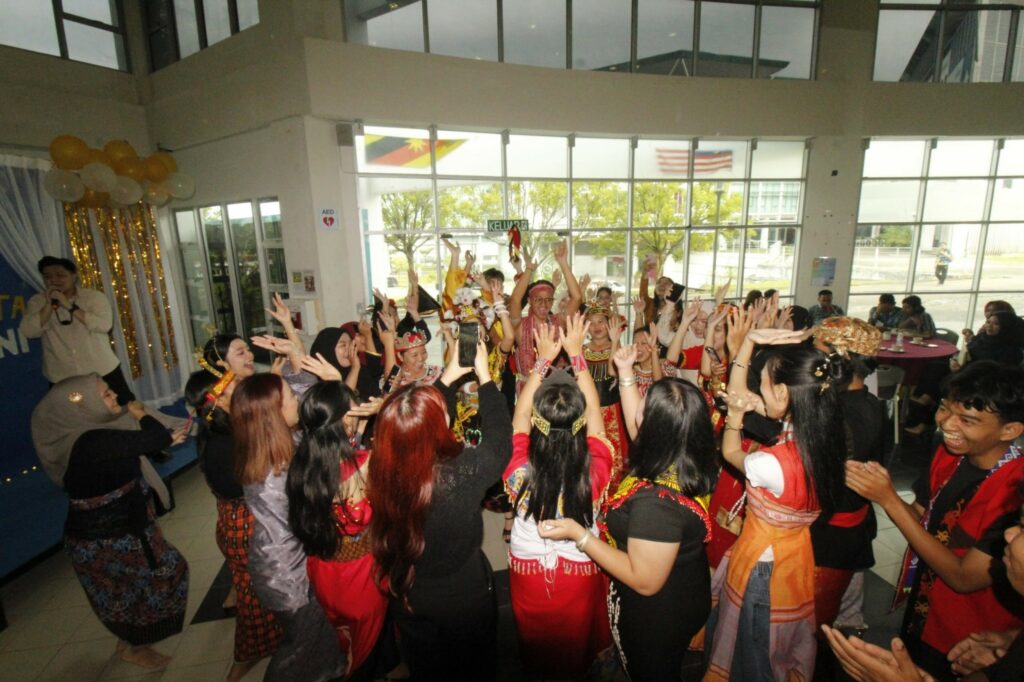
Figure 8 Students of both institutions having a blast during performance