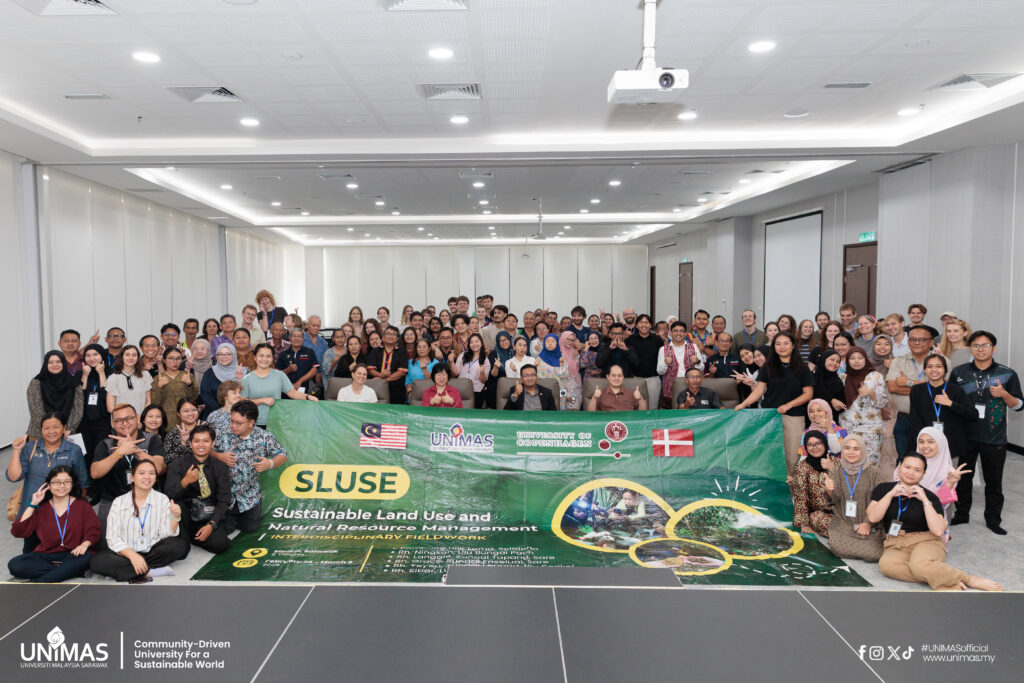
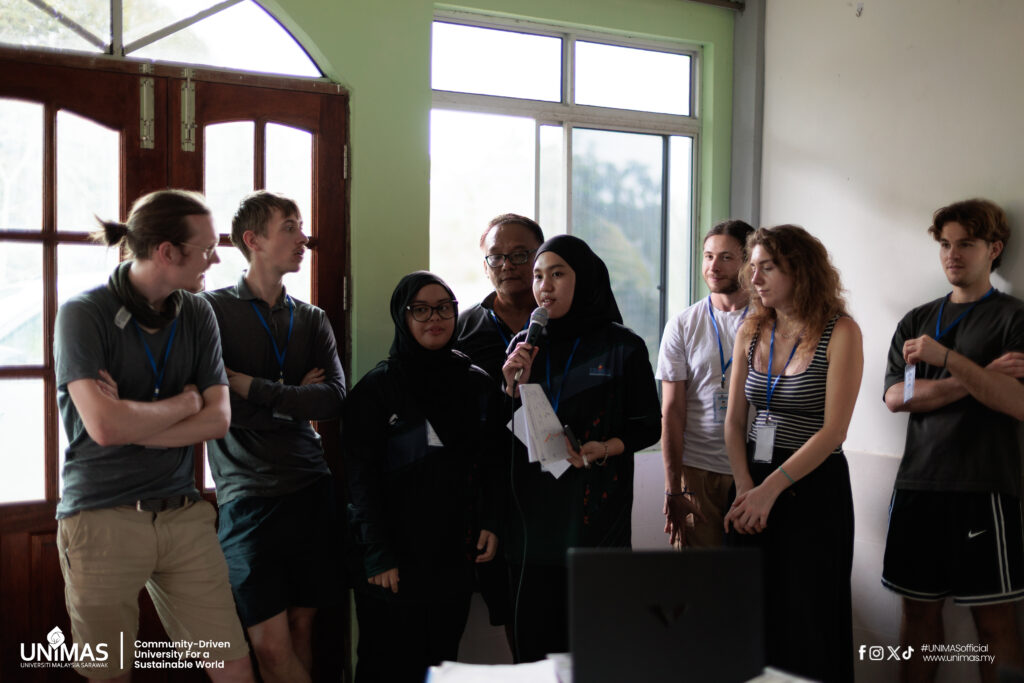
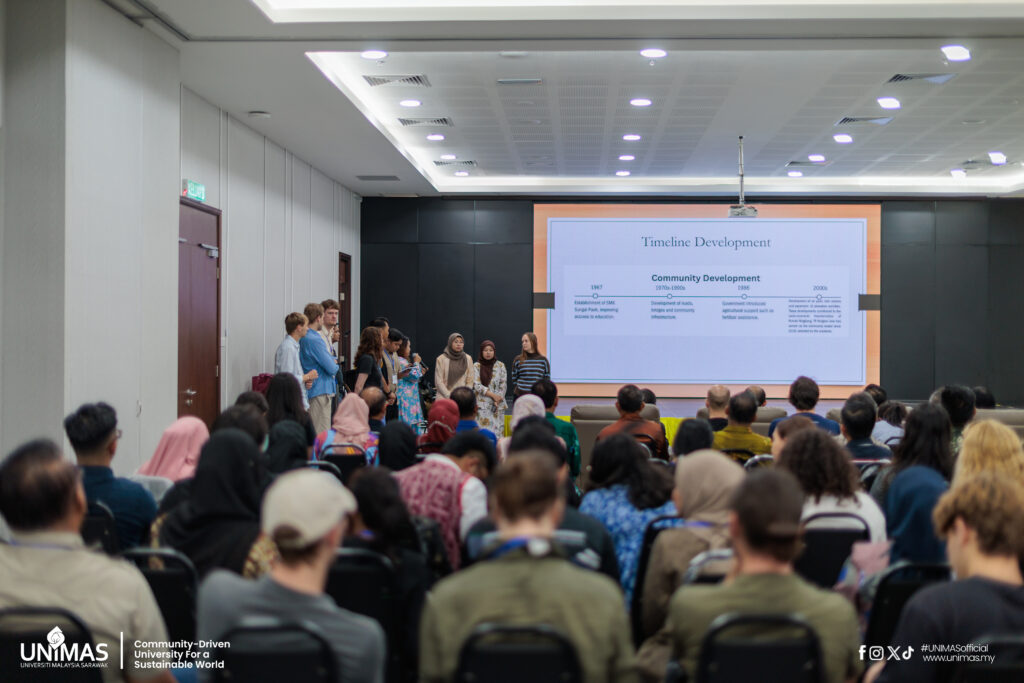
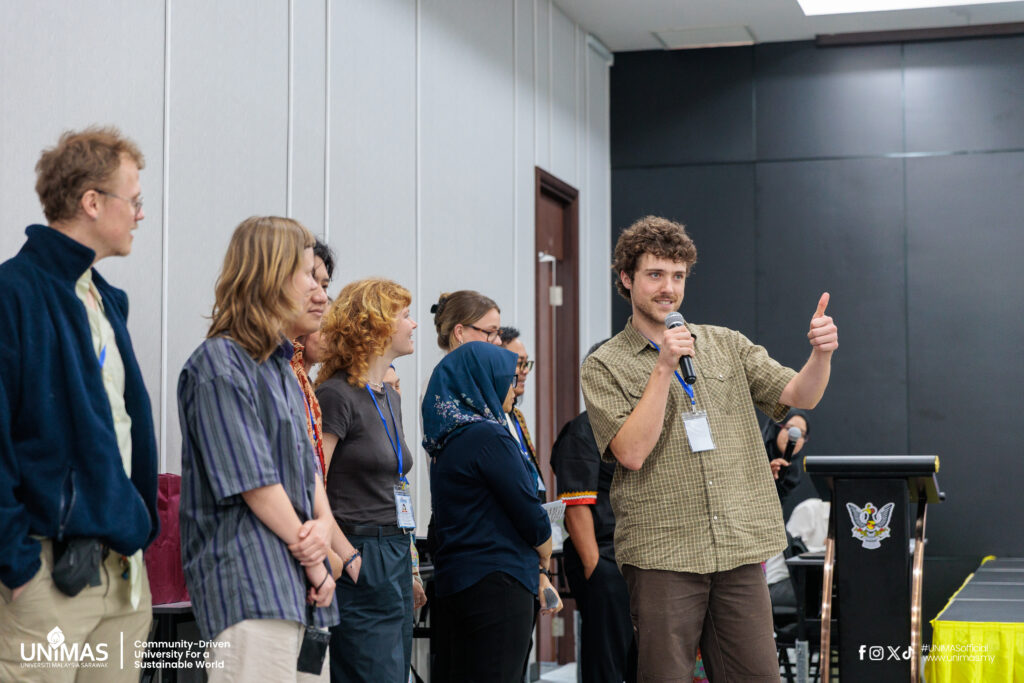
Group photo after the final presentation of SLUSE 2026 with students, lecturers, and kampung communities.
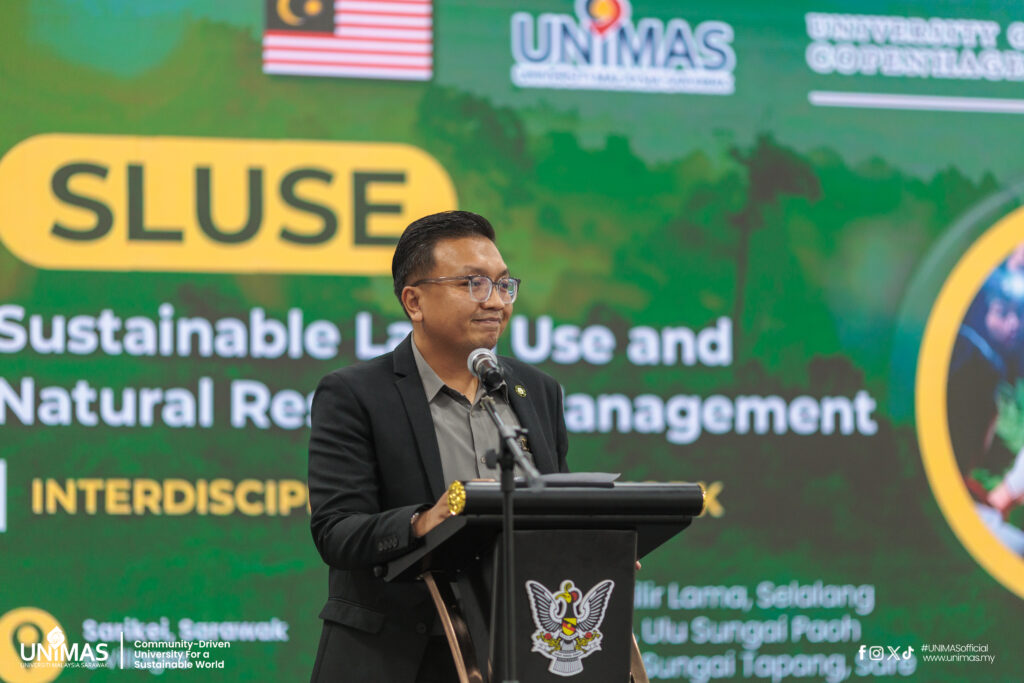
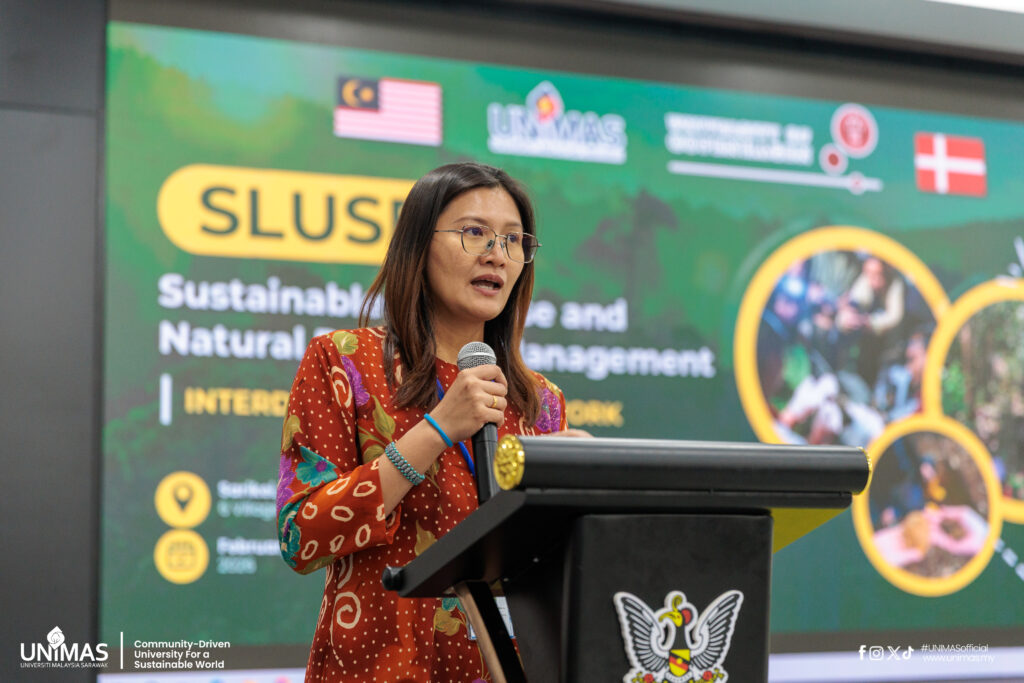
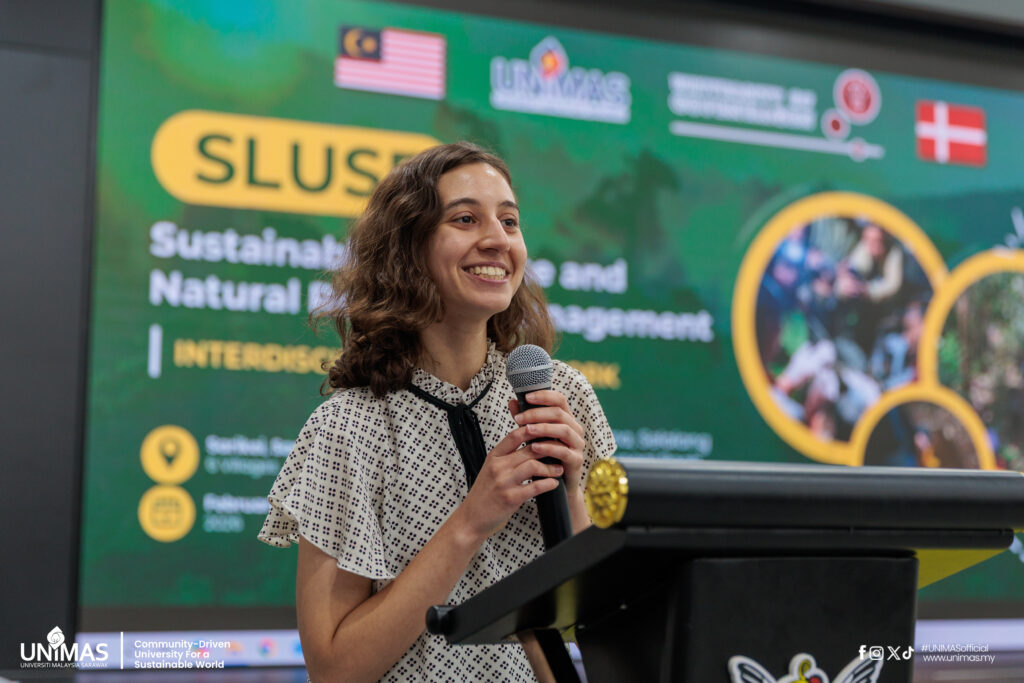
The SLUSE Joint Field Work 2026, hosted by Universiti Malaysia Sarawak in collaboration with the University of Copenhagen, successfully brought together students and lecturers for an 11-day interdisciplinary field course in Sarikei, Sarawak, from 26 February to 8 March 2026.
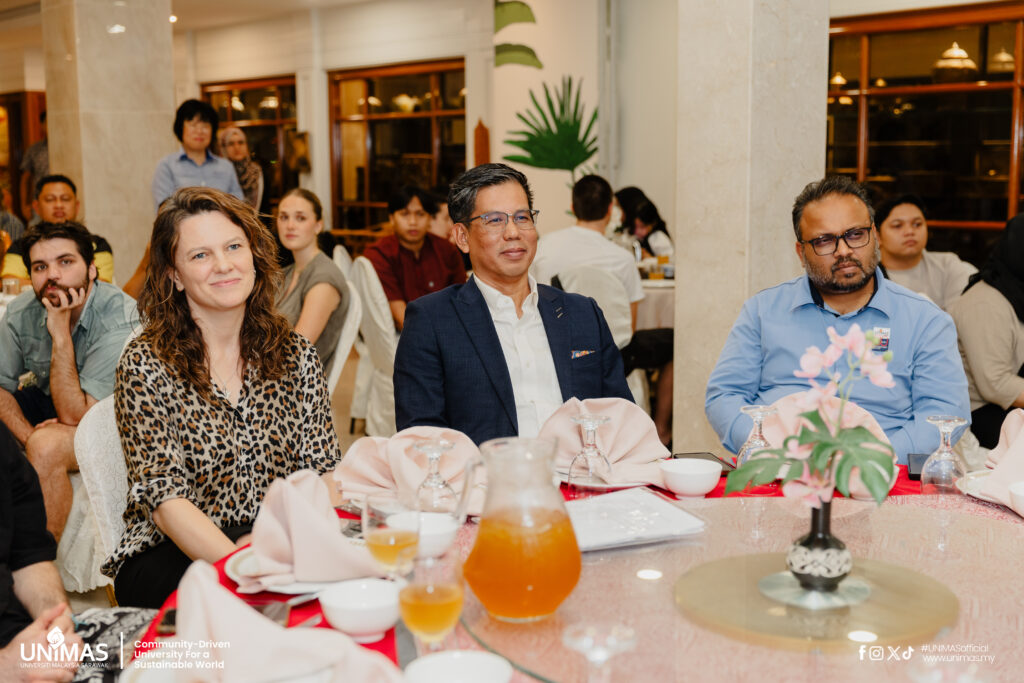
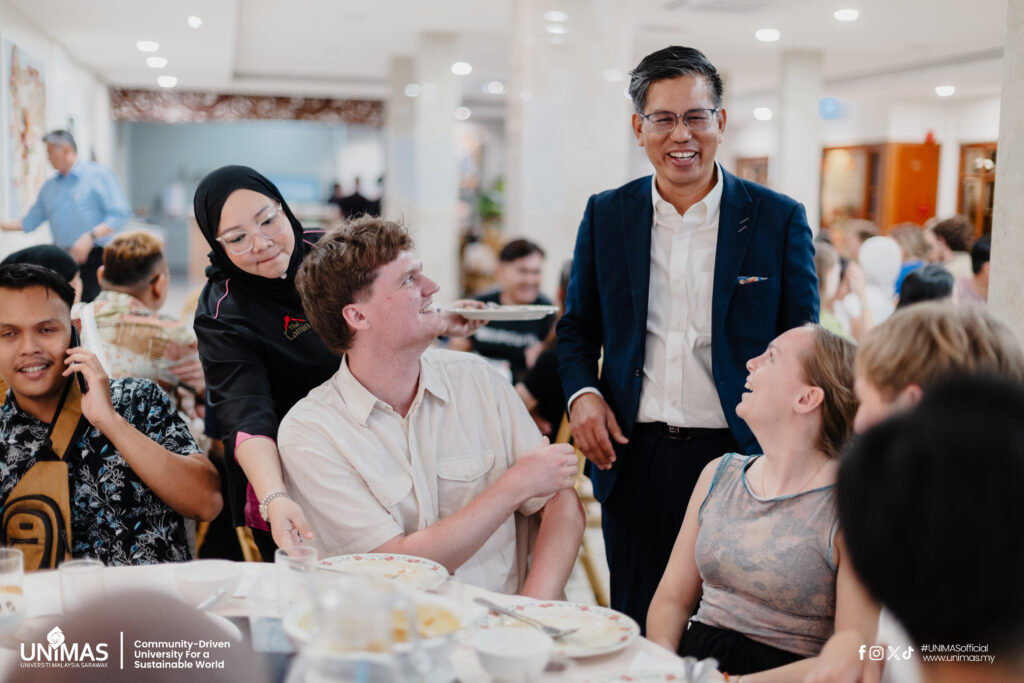
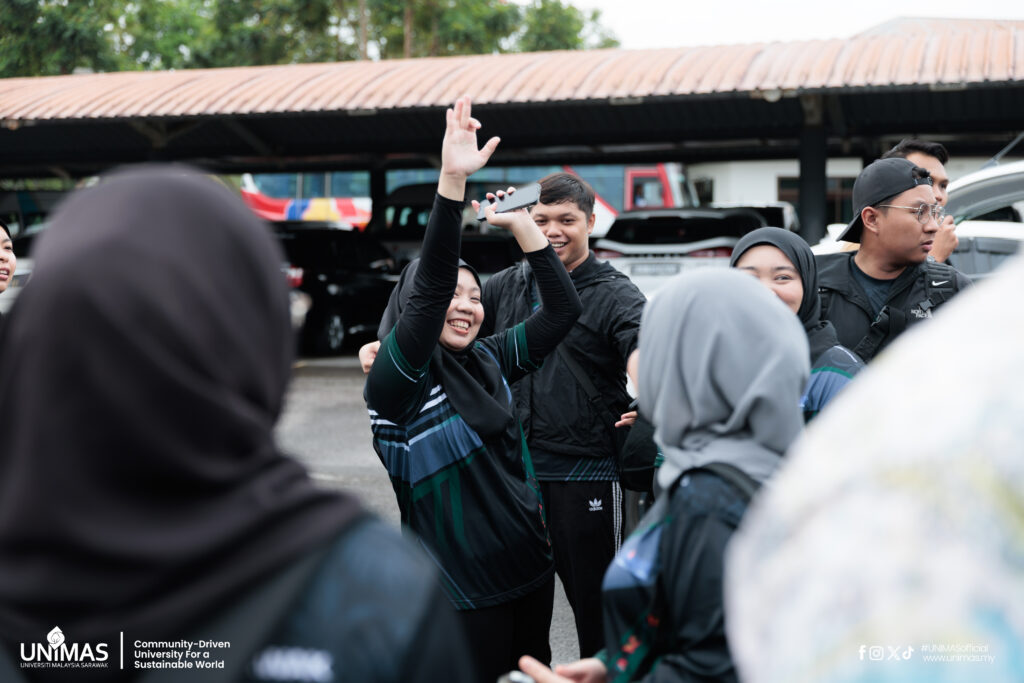
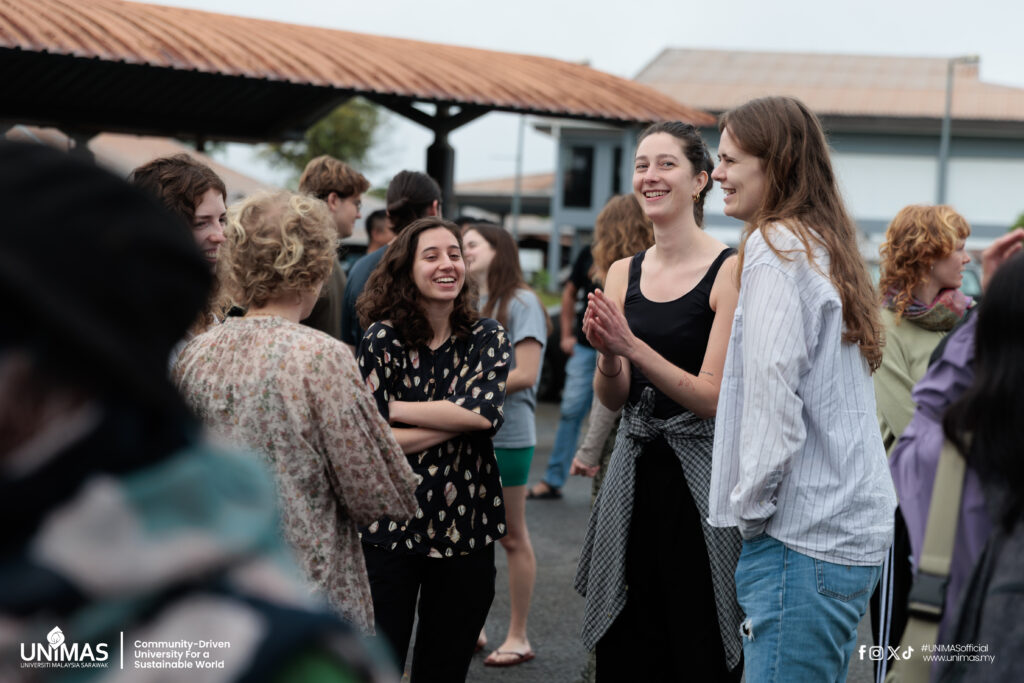
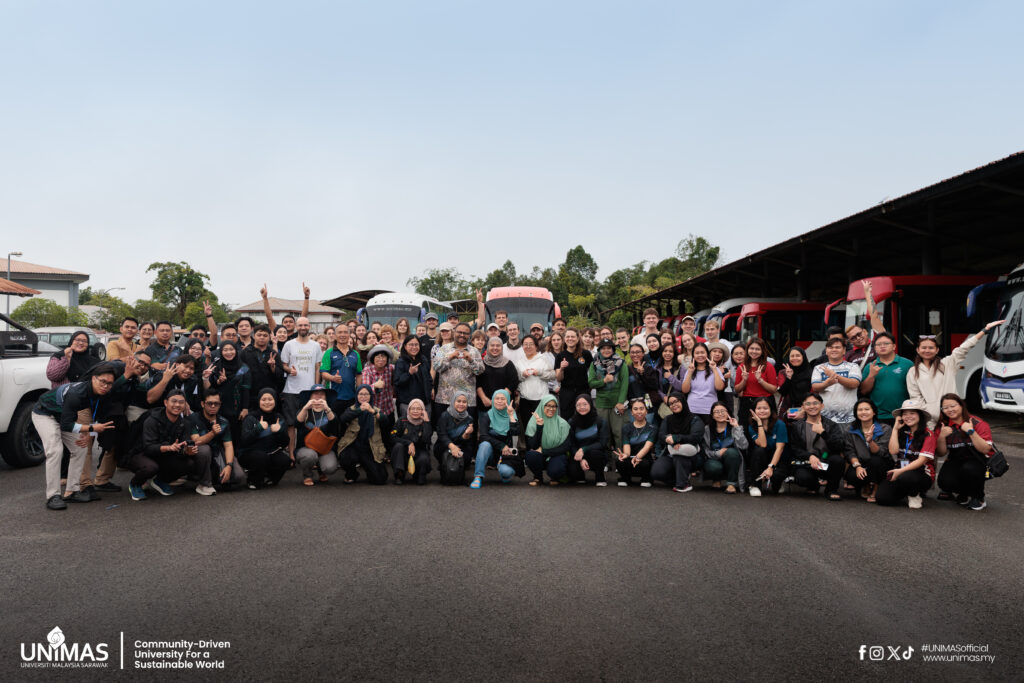
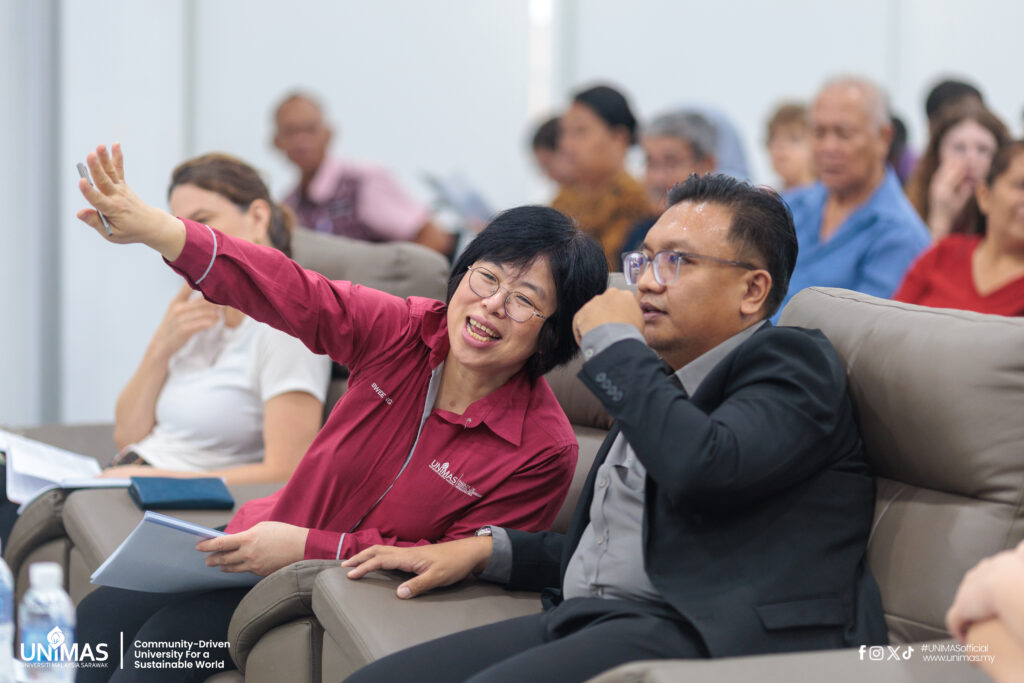
A total of 95 participants joined the programme, including 79 students and 16 lecturers. The group from the University of Copenhagen consisted of 39 students and 4 lecturers from 15 different countries. From UNIMAS, 40 students and 12 lecturers took part, representing various academic backgrounds.
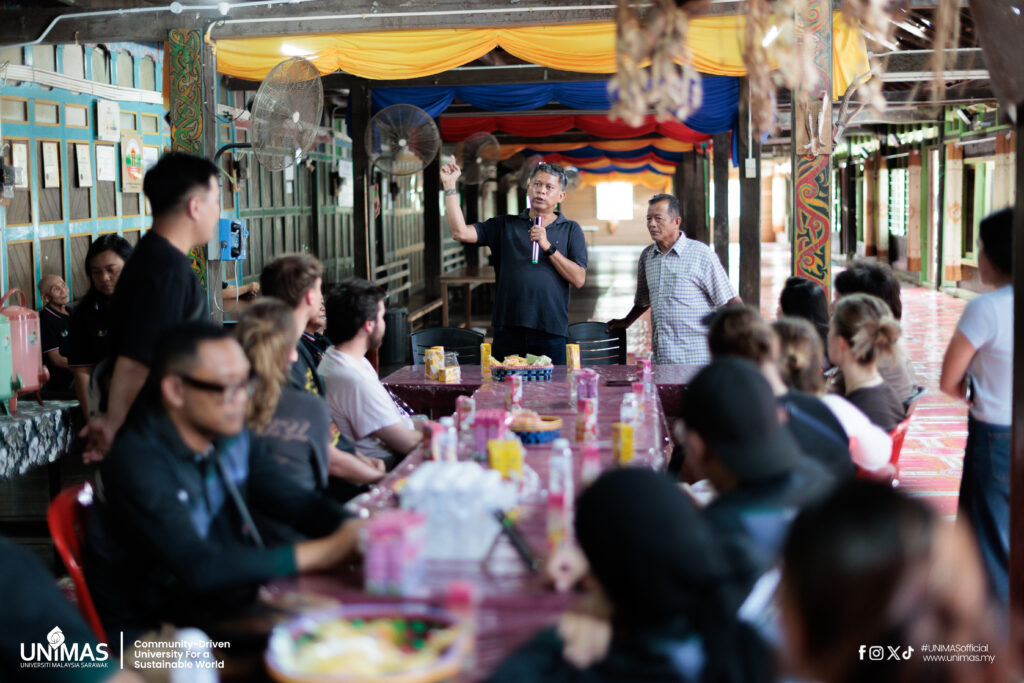
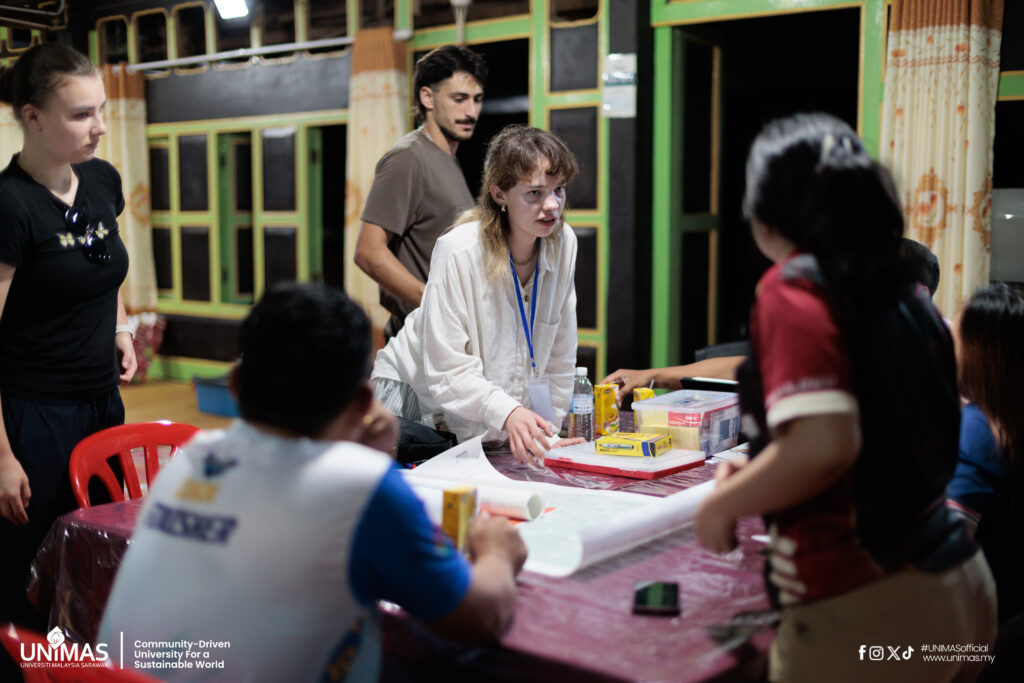
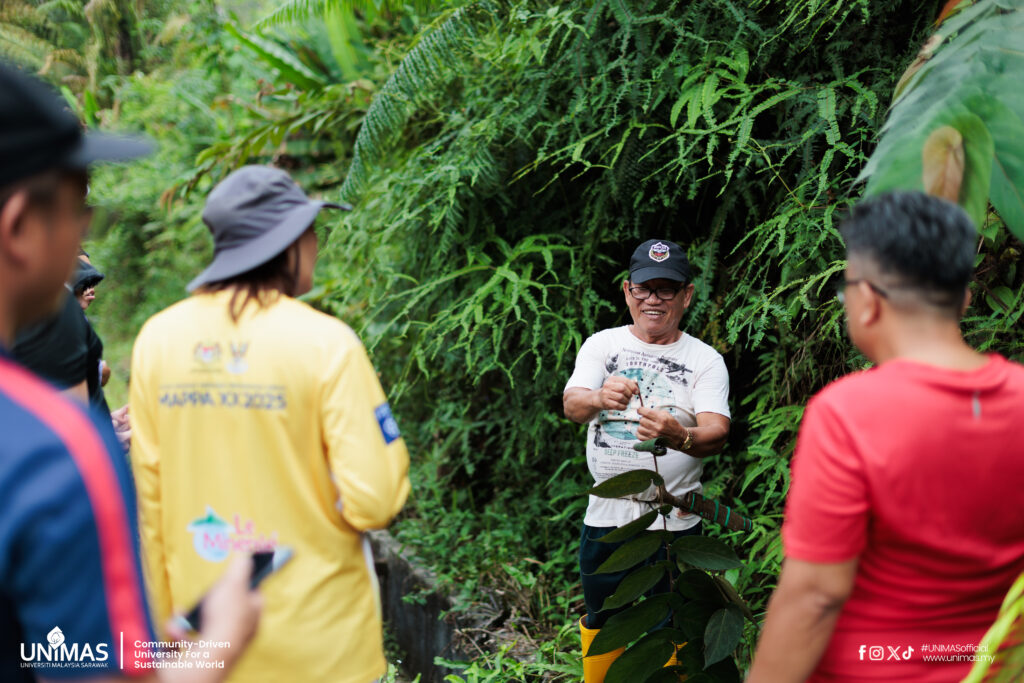
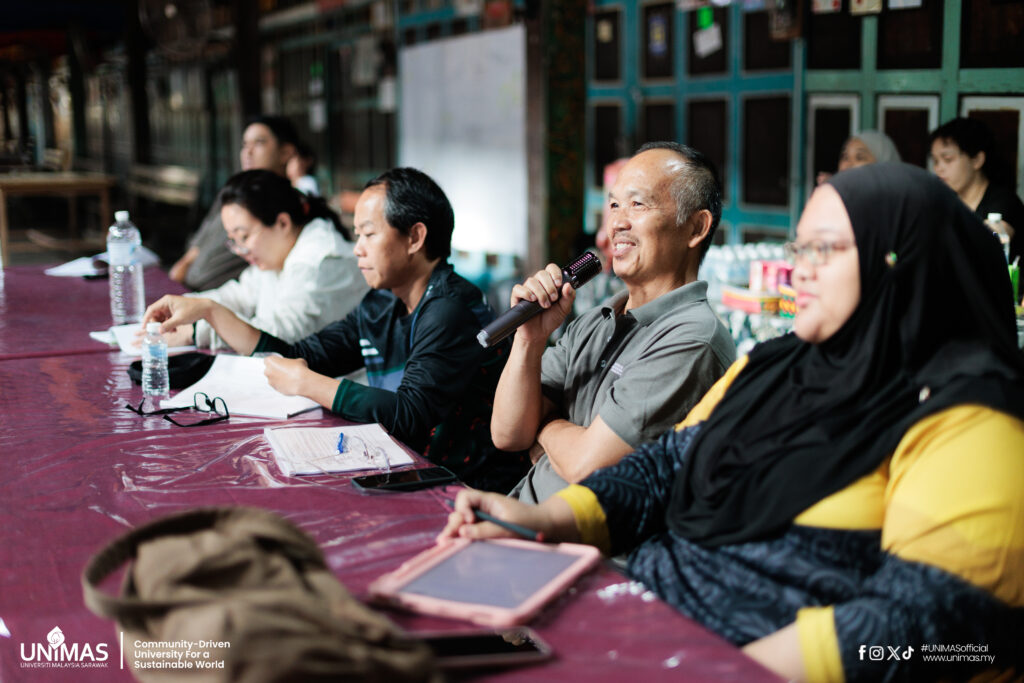
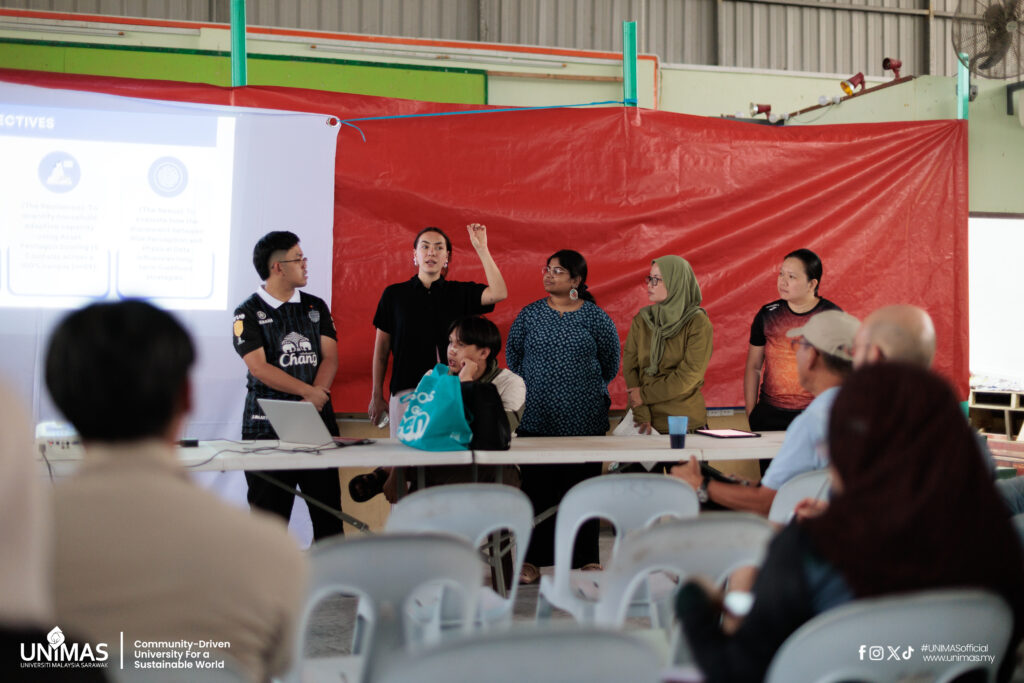
SLUSE-M (SLUSE Malaysia) is a field-based academic programme that focuses on sustainable land use and natural resource management. It combines classroom learning with hands-on fieldwork and close engagement with local communities. At UNIMAS, the programme is supported by the Faculty of Resource Science and Technology (FRST) and the Faculty of Social Sciences and Humanities (FSSH), showing a strong interdisciplinary approach.
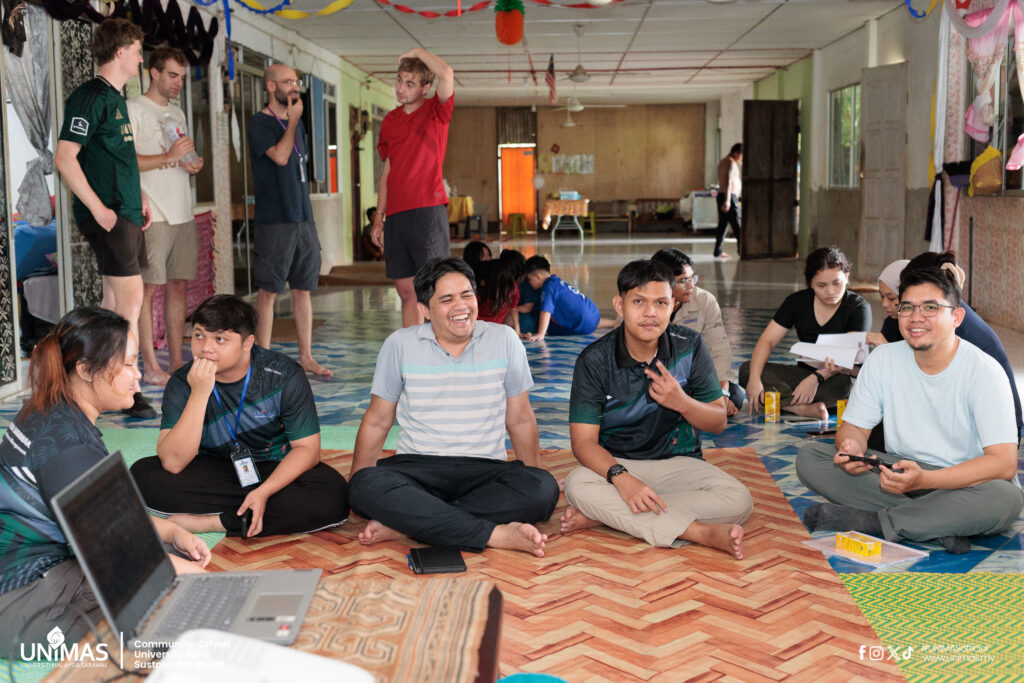
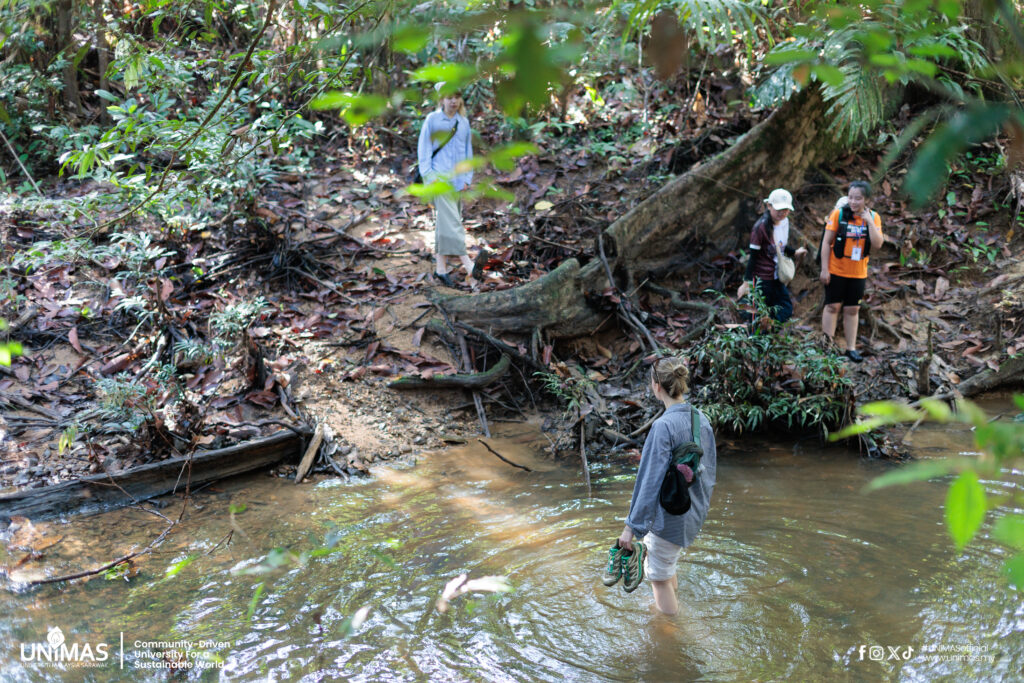
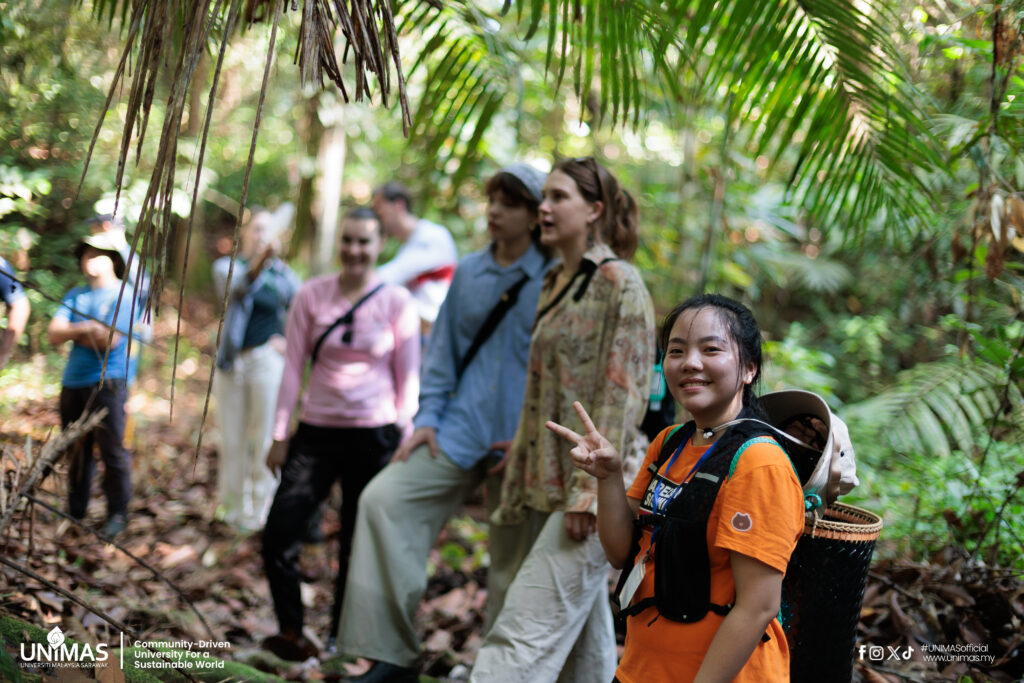
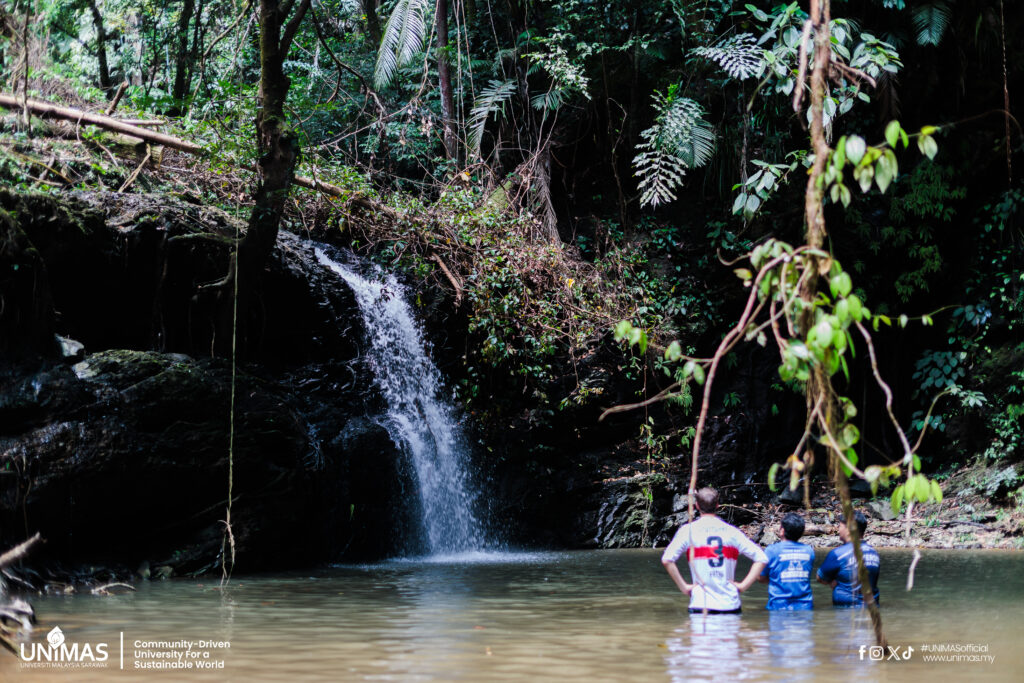
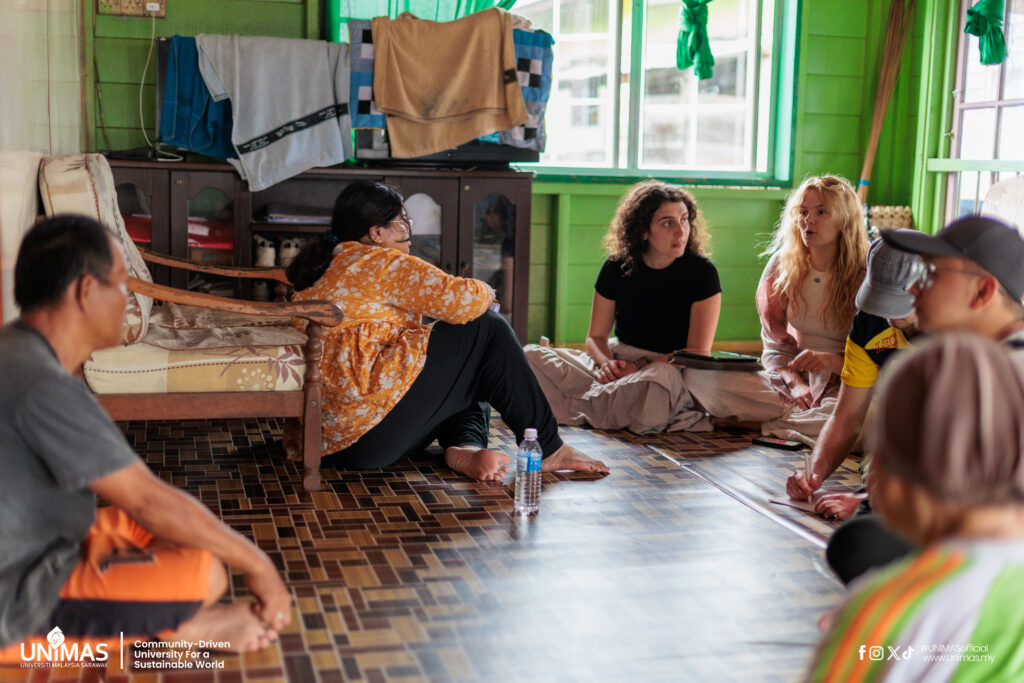
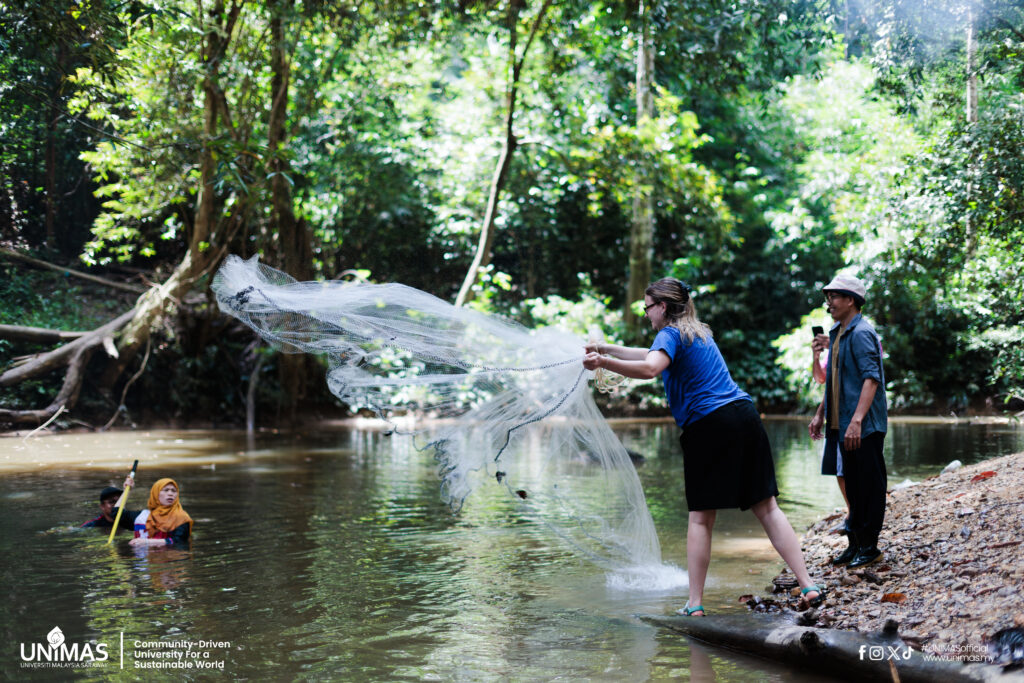
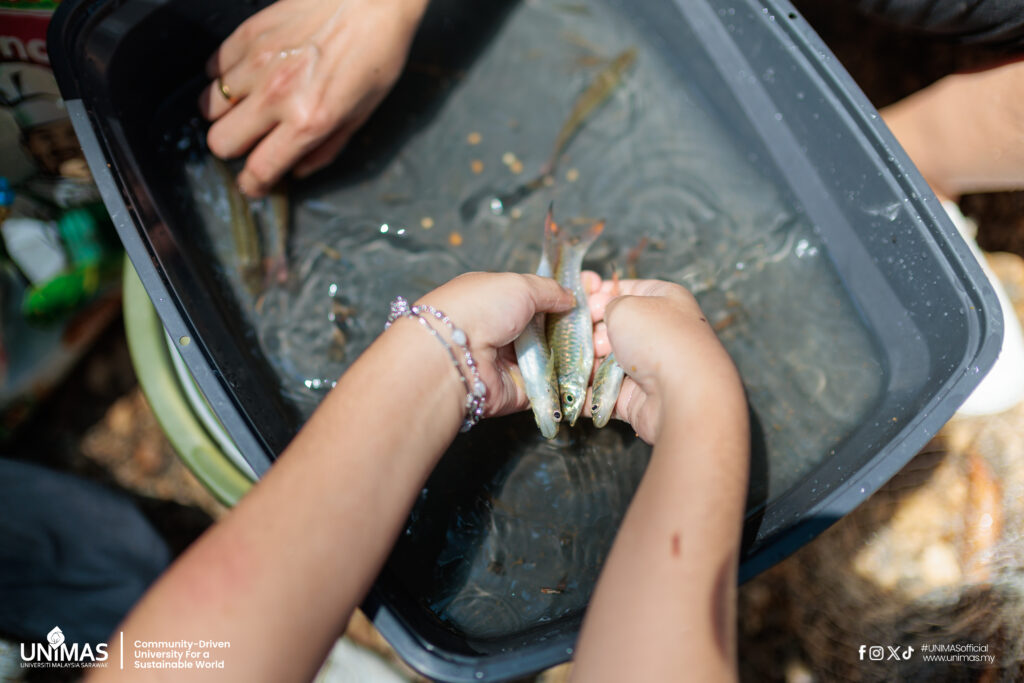
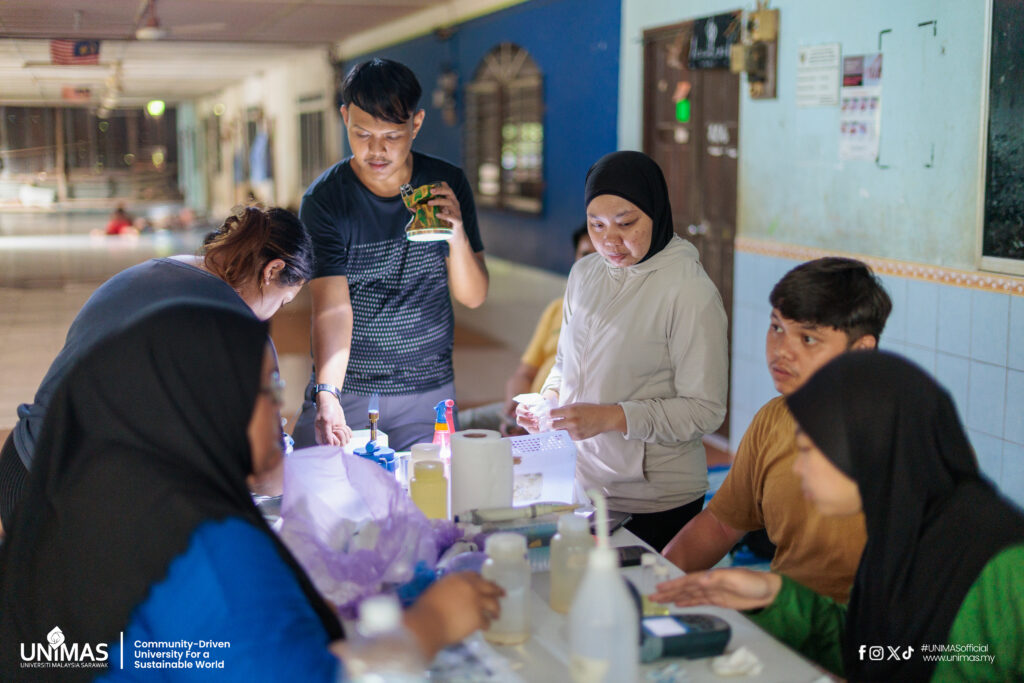
During the 11-day field course, participants were placed in six rural locations in Sarikei: Kampung Hilir Lama Selalang; Rumah Ningkan (Ulu Sungai Paoh); Rumah Langgie (Sungai Tapang, Sare); Rumah Grace (Sungai Enseluai, Sare); Rumah Tayan (Sungai Lepong, Ulu Sarikei); and Rumah Sibar (Lubok Lembak, Ulu Sarikei). At these locations, participants carried out field studies, interacted with local communities, and learned about real challenges related to environmental sustainability and resource management.
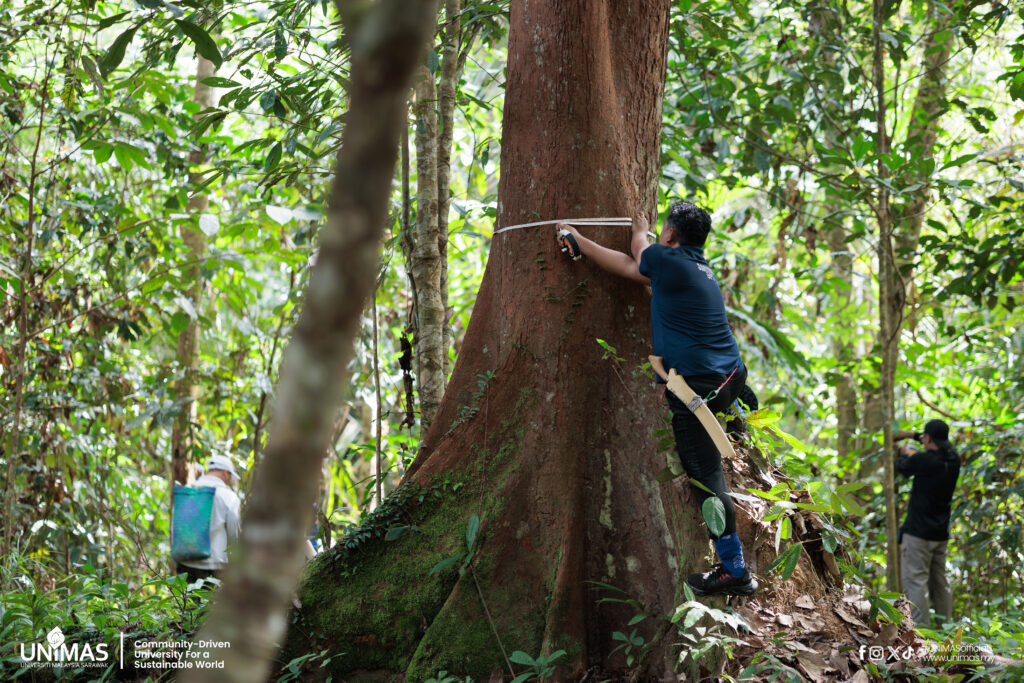
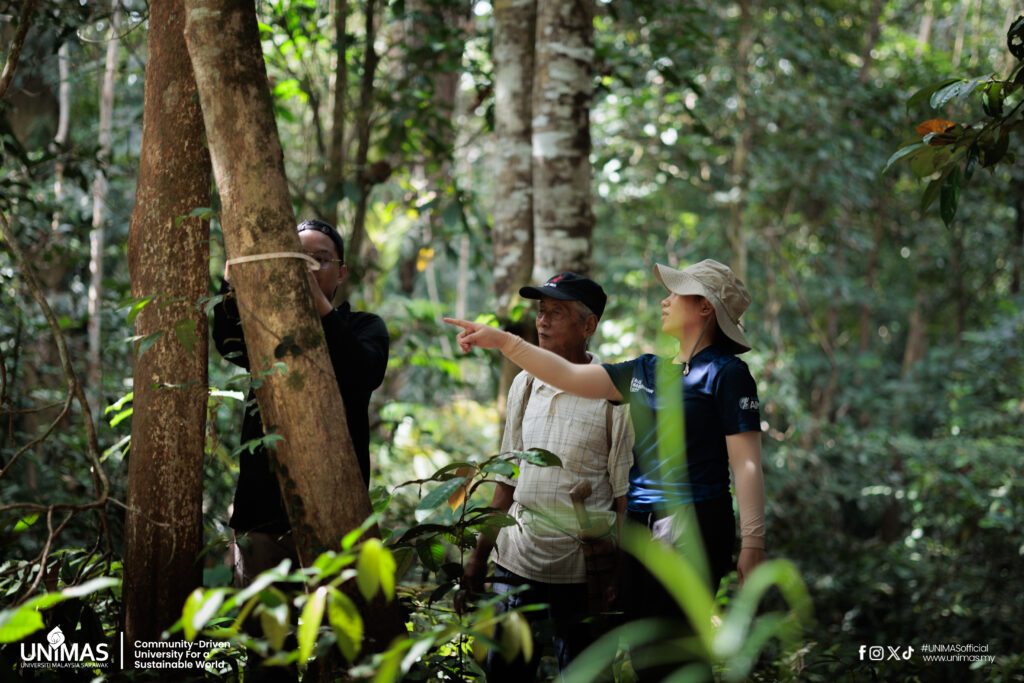
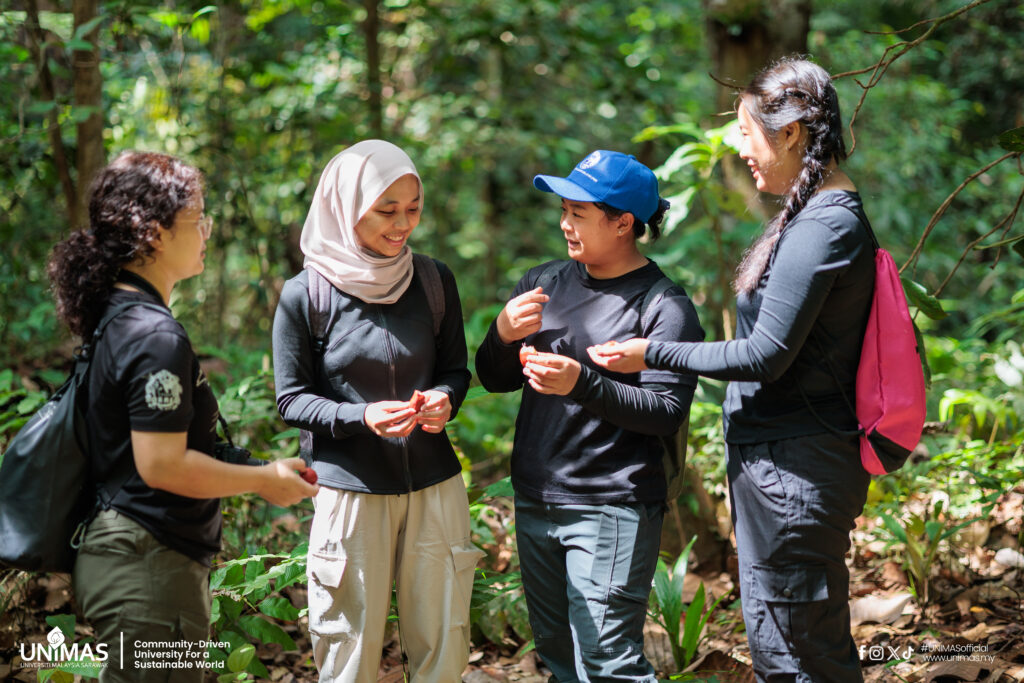
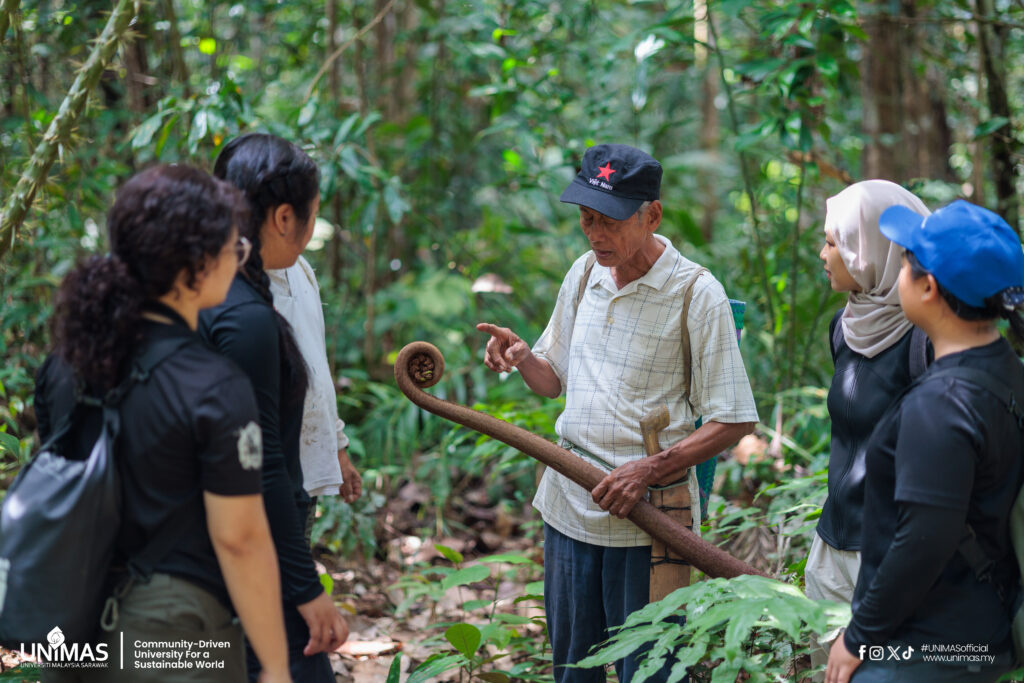
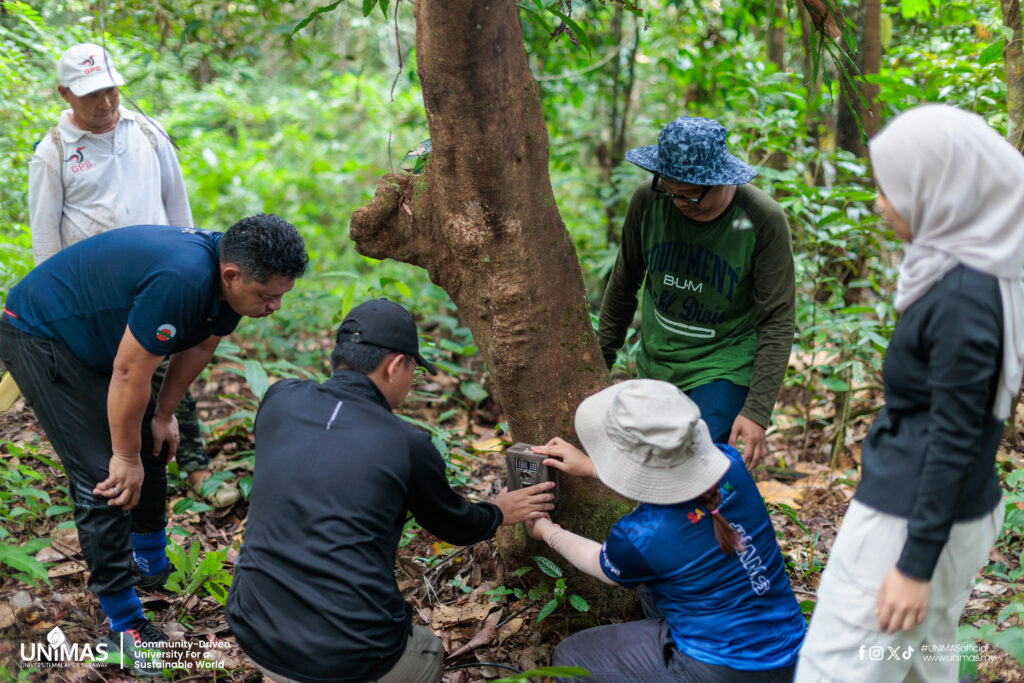
The programme focuses on learning by doing. Participants worked closely with the communities, gaining better understanding of local practices while applying knowledge from different fields. It also encouraged cultural exchange, as participants shared experiences and perspectives from different countries.
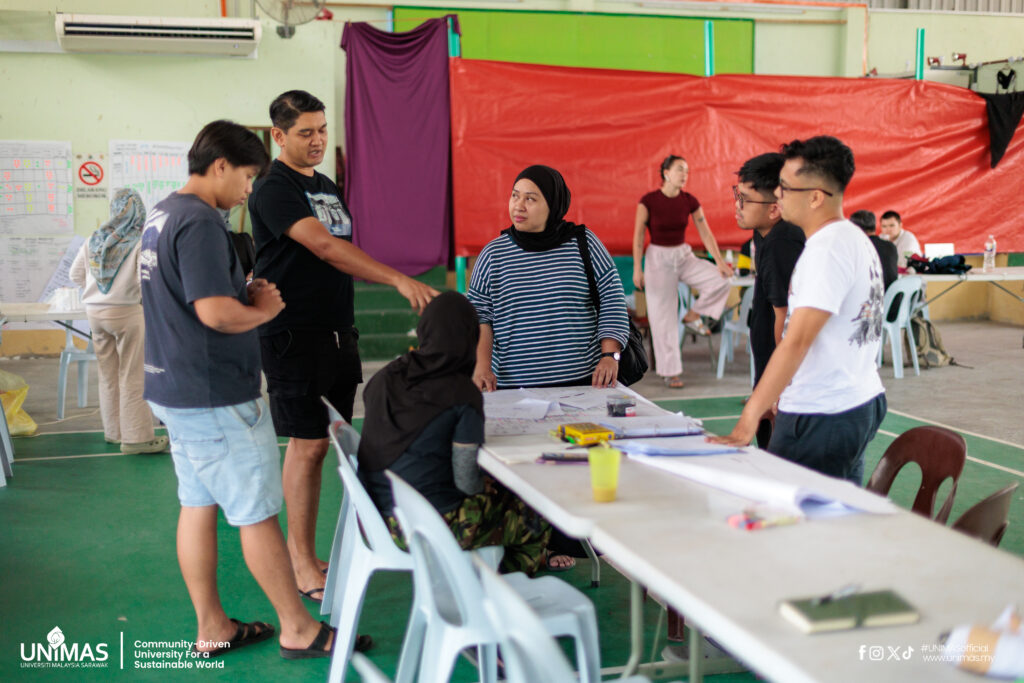
The collaboration between UNIMAS and the University of Copenhagen has continued for more than 25 years, showing a strong and lasting international partnership in education and research.
UNIMAS would like to thank all the kampung communities involved for their warm hospitality, support, and willingness to share their knowledge. Their contribution plays an important role in making this programme meaningful and successful.
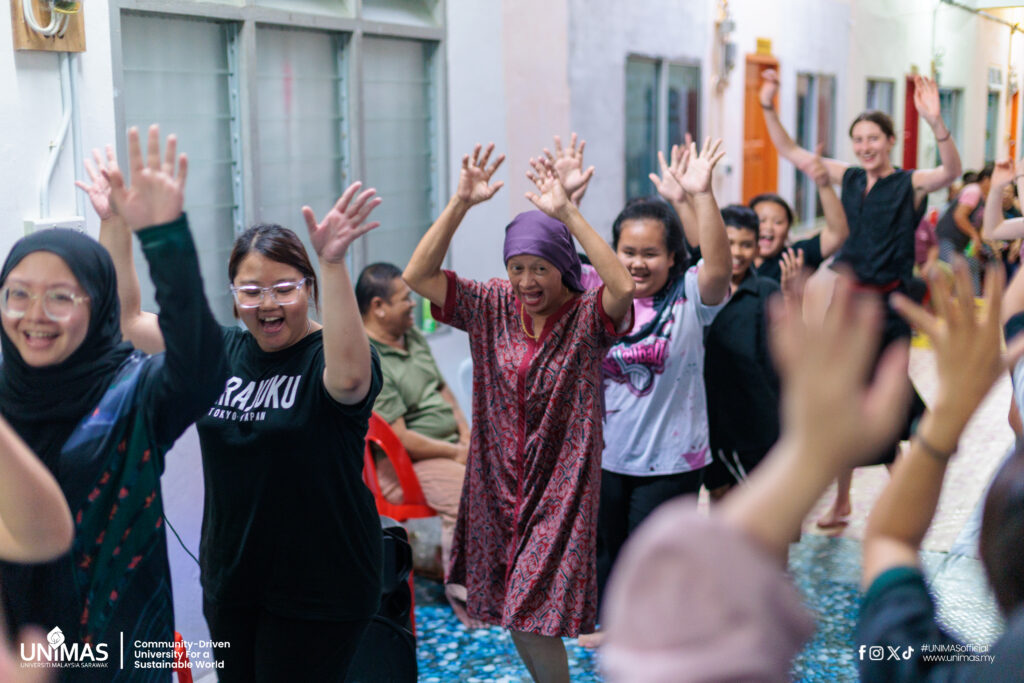
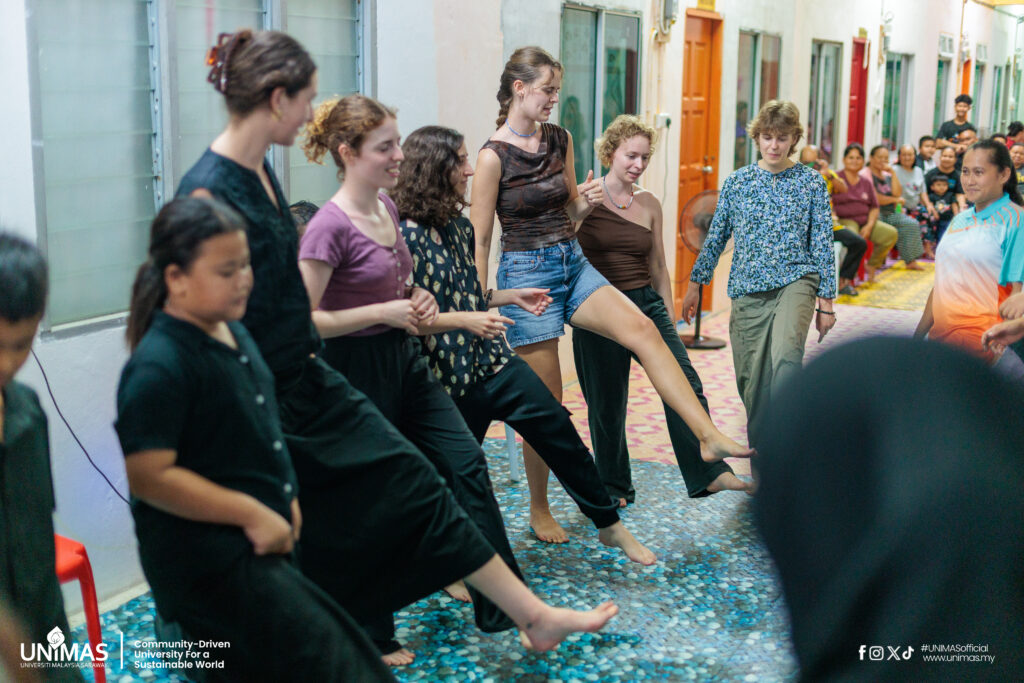
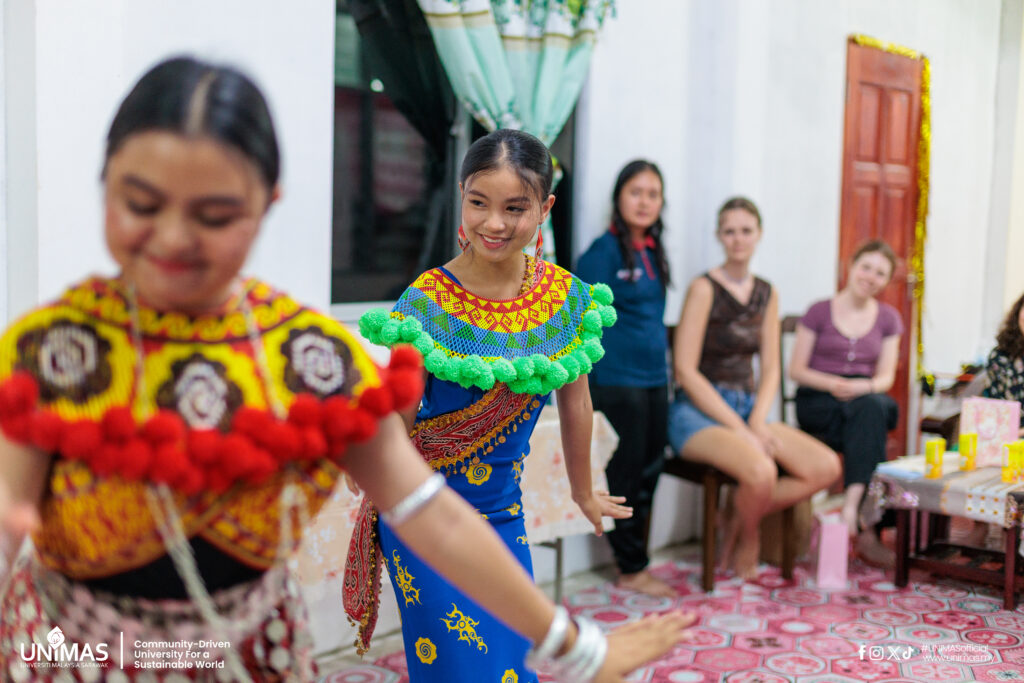
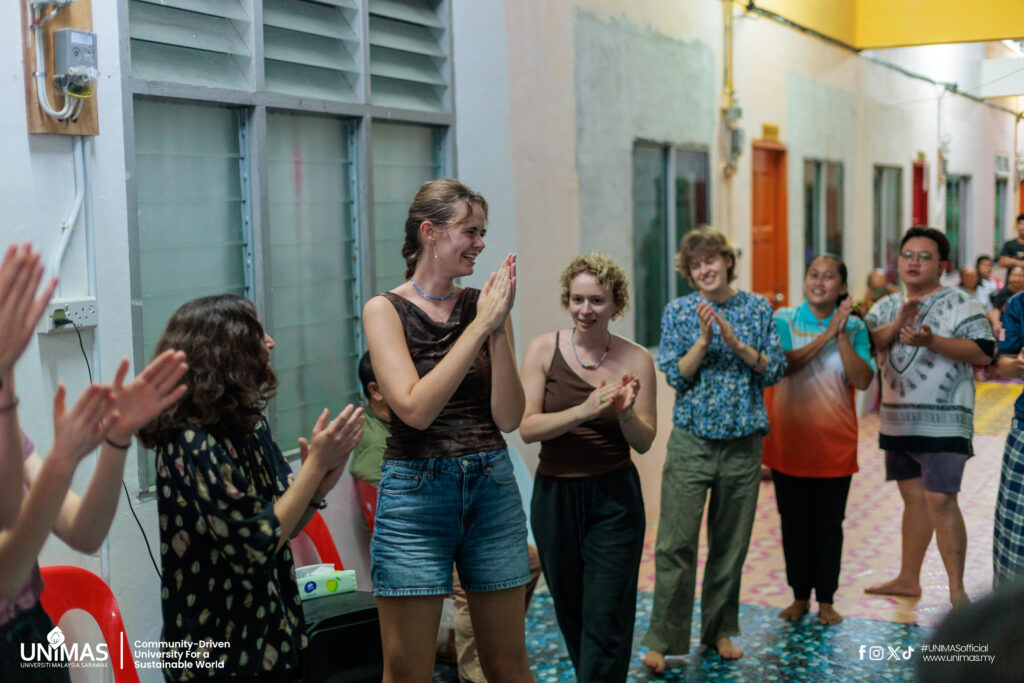
Overall, the SLUSE Joint Field Work 2026 continues to be an important platform for experiential learning, while strengthening international collaboration and developing future talents in sustainable land use and natural resource management.
Photos by Fitzpatrick Ricky Guing (UNIMAS Corporate Communication)