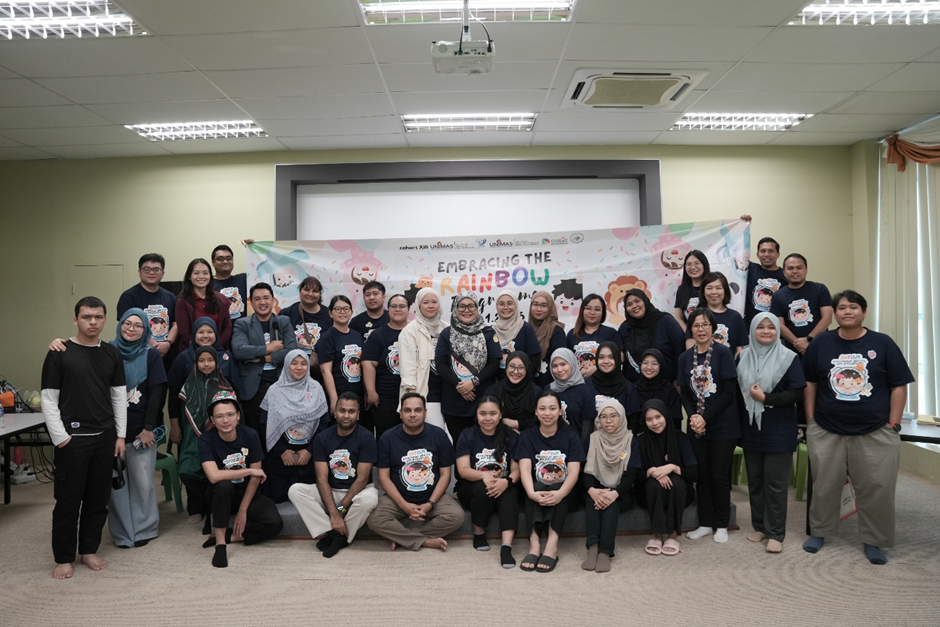
Embracing the Rainbow volunteers
For Cohort 13, the Public Health Seminar took a different path this year.
Instead of focusing on programmes for public health and medical personnel, we made a deliberate shift towards the community. We asked ourselves a simple but important question: Who is still being left behind? The answer led us to special needs children in Kuching and the families who care for them every single day. Through multiple surveys, stakeholder engagements, literature reviews, and countless meetings, we discovered not just unmet needs, but stories. Stories of parents navigating uncertainty, exhaustion, and hope all at once. From these insights, we built something intentional; a holistic intervention module that cared not only for autistic children, but also embraced the emotional, physical, and psychological needs of the parents and carers who walk this path with them.
Our event kicked-off on the 25th January 2026, on a rainy Sunday morning. We were hosted by the One Stop Early Intervention Centre (OSEIC) at Metrocity, Kuching. Registration team was all set-up and ready by 6.45am. What followed was a familiar scene for any organizer; last-minute adjustments, extra chairs and tables being brought in, urgent printing, and scripts rewritten on the spot. In just 45 minutes, chaos turned into calm. Behind the scenes, it was hectic and fast-paced, but the atmosphere remained warm, exciting, and full of positive energy.
The programme opened simply, but meaningfully, with welcoming remarks from our collaborators: Dr Julia Lee, Director of the Child and Adolescent Learning and Well-being (CALW) Centre UNIMAS; Mr Mohamad bin Arsat, Deputy Manager of OSEIC Kuching; and Dr Teh Jo Hun, President of the Sarawak Public Health Practitioners Association (SaPHePA). Each speech echoed the same message; commitment, compassion, and the importance of bridging gaps so that every child, regardless of ability, has access to care, support, and opportunity. To officiate the programme, students from Pusat Integrasi Pintar (PIP) Kuching took the stage, dancing joyfully to K-Pop Demon Hunter’s “Soda Pop”. The hall came alive, cheerful, vibrant, and beautifully unstructured. Children moved freely on the stage and around the hall, expressing themselves without restriction. It was a powerful reminder that this was a space built for understanding, acceptance, and inclusion.
Spending the day with special needs children evokes a deep sense of warmth, innocence, and wonder. It reminded us why we were there, to do our very best to bridge the gaps that still exist in caring for autistic children, and to empower the parents who walk this journey with them every day.
As the day unfolded, parents and children engaged in interactive sessions built around three core themes; the healthy plate concept, managing meltdowns and communication, and relaxation techniques. The healthy plate concept went beyond nutrition. It was about building a foundation for long-term health, not only for the children, but for their siblings and parents too. Healthy eating is deeply connected to emotional regulation, better sleep, reduced anxiety, and improved cognitive function. It was a small step with long-term impact, especially in preventing non-communicable diseases. The session on managing meltdowns and communication resonated deeply. Parents learned that tantrums are not acts of defiance, but expressions of unmet needs. By understanding neurodivergence, many parents found something powerful; relief. Relief in knowing they were not failing. Relief in learning practical, compassionate ways to connect with their children. Relaxation techniques became a moment of pause for parents who are so often in survival mode. In those quiet moments, they were reminded that caring for themselves is not selfish, but necessary.
Parent participation was truly encouraging. Nearly every parent had something to share; questions, experiences, and concerns. Many sought clarifications on coping strategies and popular internet remedies, giving us the opportunity to effectively myth-bust misinformation. The key message was clear: reject unverified advice and always seek guidance from medical doctors and trained health professionals.
Learning continued through play at our mini stations. The Healthy Me Station focused on health screening, providing parents with early detection and guidance for health-related concerns. The Pick Me Station allowed children to choose healthy food options, such as fruits, in a fun and interactive way. Finally, the Hungry Me Station empowered children to prepare their own sandwiches, turning healthy eating into an enjoyable and confidence-building activity.
As the day drew to a close, parents and carers gathered for a sharing session that was deeply moving. Stories of daily struggles, silent strength, and small victories filled the room. There were nods of understanding, soft laughter, and moments of shared vulnerability. No one was alone in that space. The programme ended on a joyful note with a prize-giving ceremony for the mini station games and a lucky draw, made possible through the generosity of our sponsors.
All in all, it was a deeply meaningful day, for both the participants and us as organisers. For Cohort 13, this experience marked growth not only as a team of public health professionals, but also as individuals answering the call to care for the marginalised.
This was more than a programme. It was a reminder of why public health matters.
And with hope in our hearts, we pray that this initiative will continue to grow into a full module that can benefit many more families across Malaysia. Insya-Allah.
Written by: Dr Puteri Nuuraine Ayu and Dr Simon Channing Nub
Cohort 13 Doctor in Public Health (DrPH), UNIMAS.
26 January 2026
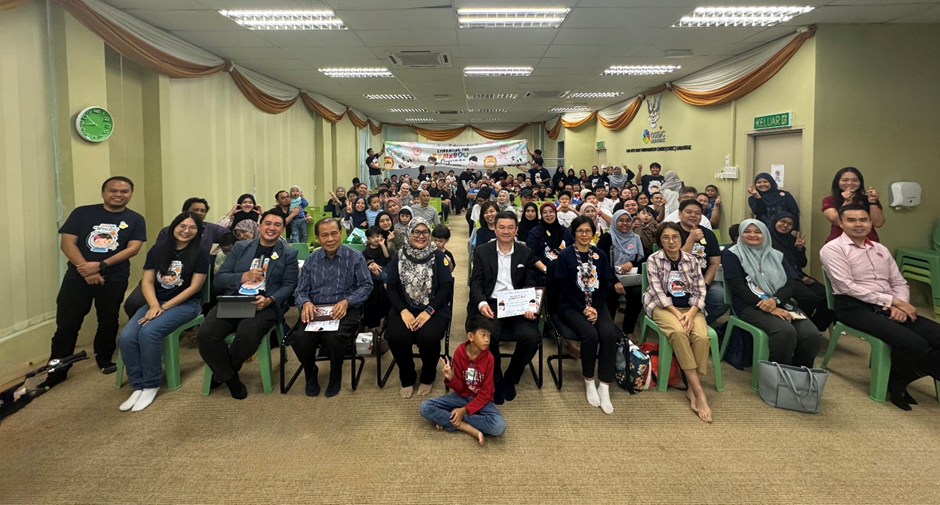
Group photo with all the participants. Seated from left; Mr Mohamad bin Arsat (OSEIC), Dr Puteri Nuuraine Ayu (DrPH UNIMAS), Dr Teh Jo Hun (SaPHePA), and Dr Julia Lee (CALW).
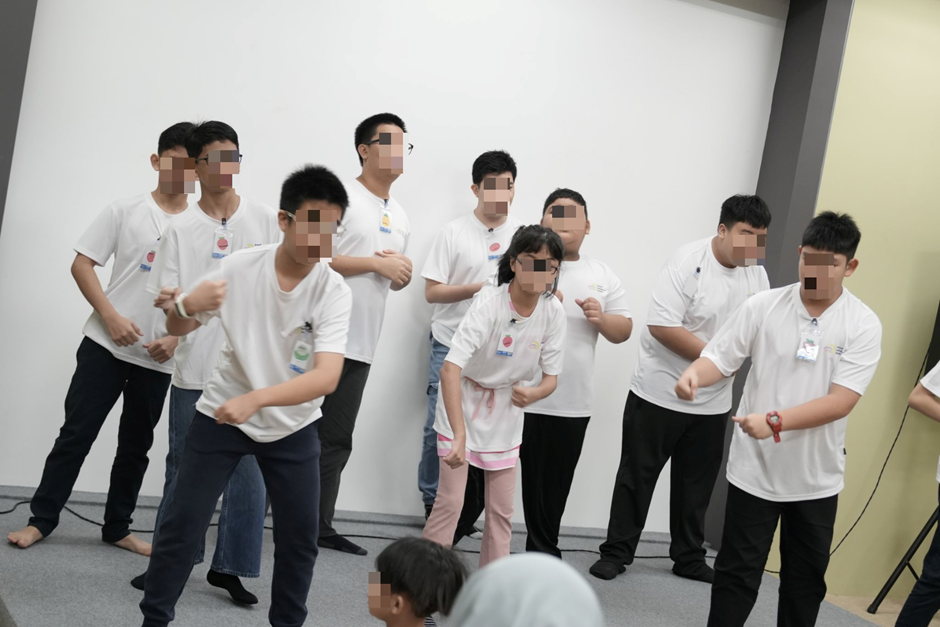
Autistic students from Pusat Integrasi Pintar Kuching opening the programme with a joyful dance
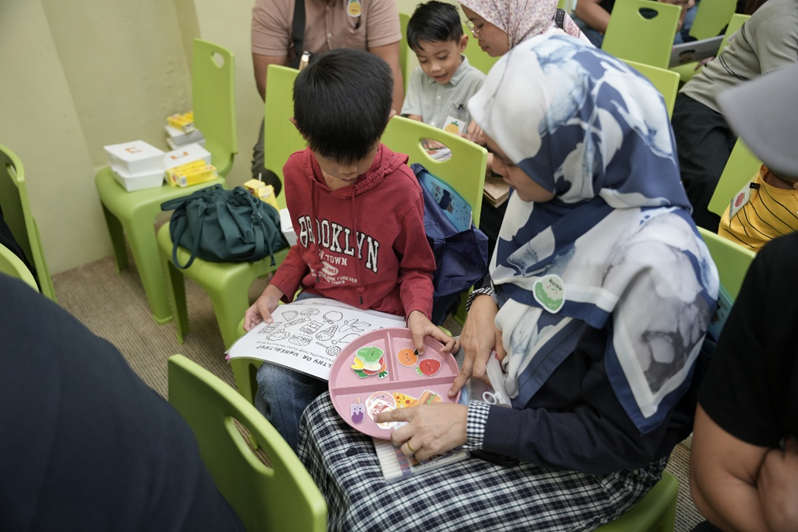
Mission in progress! Parents and children learning about the healthy plate through fun, hands-on activities.
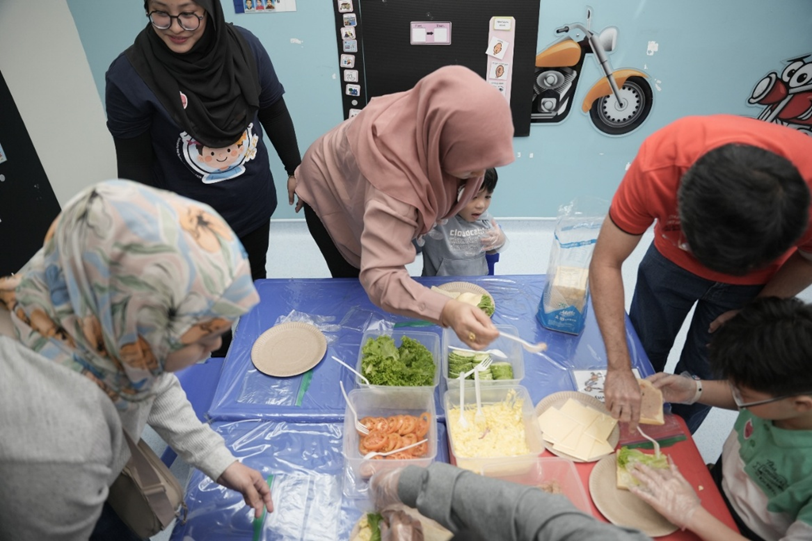
Participants engaging at the Hungry Me Station, practising healthy choices through hands-on sandwich making.
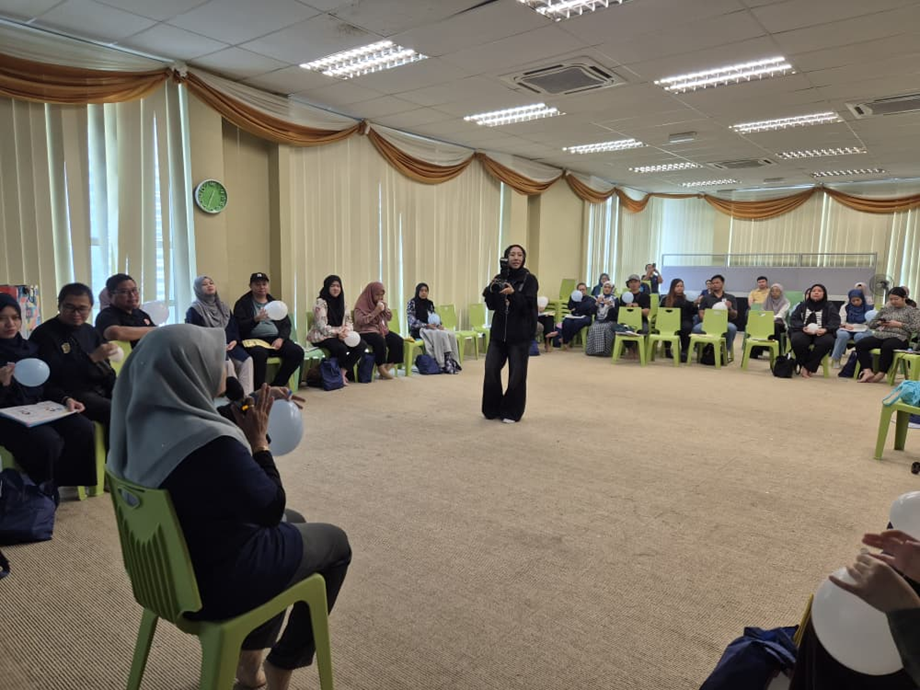
When breathing becomes play, calm follows.
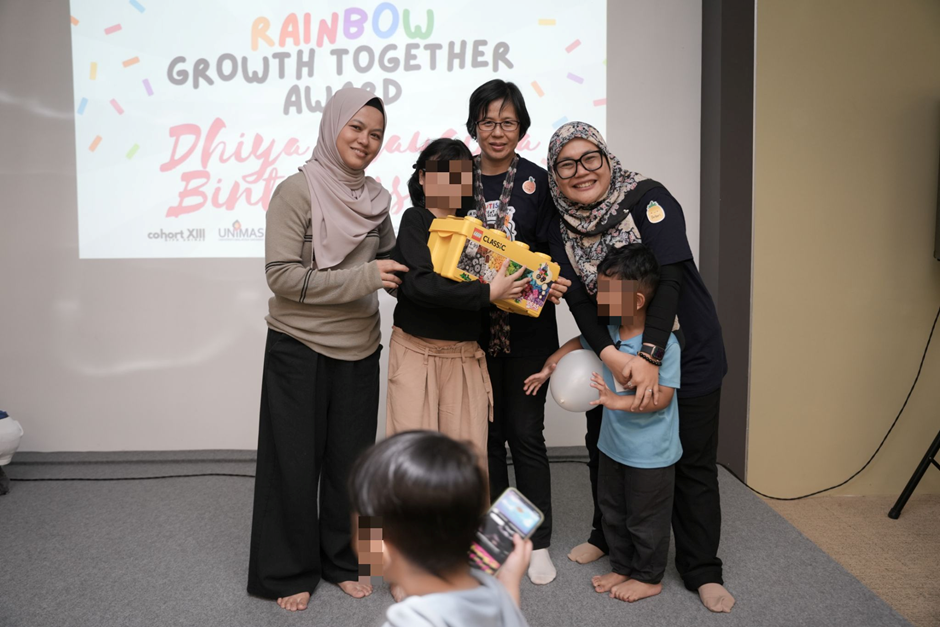
Prize-giving ceremony to conclude the programme.