Written by Sharifah Sabrina Binti Syed Ali
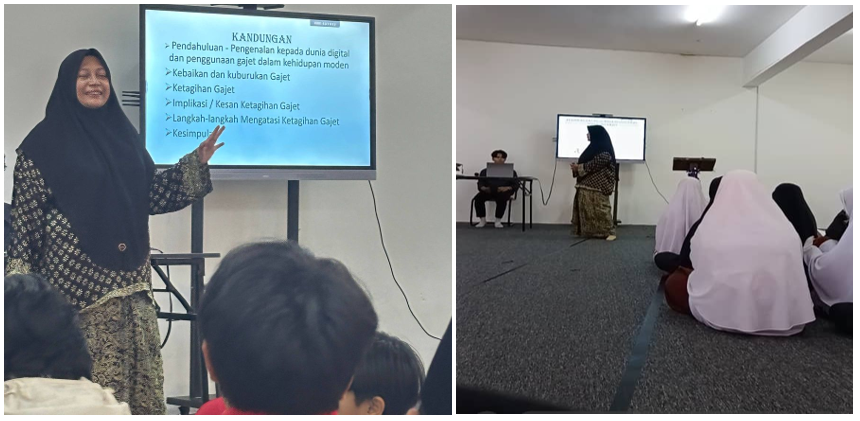
On 16 December 2025, Sekolah Menengah Al Amin, Kuching, was filled with approximately 80 secondary school students eager to take part in a motivational talk that addressed one of the most pressing realities of their generation—life in a digital world.
A motivational and educational talk title: “Uncontrolled Digital World Threats: Gadget Addiction, Its Implications, and Ways to Overcome It,” addressing the challenges of gadget addiction among adolescents was organised as part of the FEB, Universiti Malaysia Sarawak (UNIMAS) Community Outreach initiative and delivered by Dr Sharifah Sabrina Syed Ali. The session aimed to enhance students’ awareness of the digital environment in which they live and to promote responsible and balanced use of technology.
In contemporary society, digital technology has become an integral component of daily life, particularly for adolescents. Gadgets such as smartphones, personal computers, Virtual Reality, and tablets, play a significant role in education, communication, and information access. The integration of digital tools into teaching and learning processes has improved efficiency and expanded educational opportunities. However, the increasing reliance on gadgets has also raised concerns regarding excessive use and behavioural dependency, especially among school-aged individuals.
During the session, emphasis was placed on understanding the dual nature of digital technology, the pros and cons. While gadgets offer clear advantages in facilitating learning, creativity, and global connectivity, uncontrolled usage may lead to negative behavioural and psychological outcomes. Adolescents are particularly vulnerable due to their developmental stage, where self -regulation skills are still being formed. Prolonged and unmonitored engagement with digital devices may therefore contribute to unhealthy usage patterns.
The concept of gadget addiction was introduced as a form of behavioural addiction characterised by compulsive device usage and difficulty disengaging from digital platforms. Indicators of gadget addiction include persistent checking of devices, anxiety when separated from gadgets, neglect of academic responsibilities, and reduced participation in offline activities. Students were encouraged to critically reflect on their own digital behaviours and recognise early signs of dependency.
The implications of gadget addiction were discussed from physical, psychological, and social perspectives. Physically, excessive screen exposure is associated with eye strain, sleep disturbances, musculoskeletal discomfort, and general fatigue. Psychologically, overuse of digital devices may contribute to increased stress levels, reduced attention span, emotional dysregulation, and symptoms of anxiety. These effects can subsequently impact academic performance, motivation, and cognitive engagement in the classroom.
Social consequences were also highlighted, particularly the reduction in face-to-face interactions and meaningful interpersonal relationships. Although digital platforms provide opportunities for communication, excessive reliance on virtual interaction may weaken social skills and contribute to feelings of isolation. Adolescents may experience a disconnect between online presence and real-world relationships, which can affect their social development and emotional well-being.
In addressing these challenges, the talk emphasised the importance of adopting practical and sustainable strategies to promote healthy gadget use. Students were advised to establish clear boundaries for screen time, prioritise academic responsibilities, and limit gadget use during meals and before sleep. Engagement in physical activities, hobbies, and offline social interactions was encouraged as a means of restoring balance. Furthermore, the role of parents, educators, and peers in supporting adolescents’ digital well-being was underscored, highlighting the importance of collective responsibility.
The session concluded by reinforcing the notion that technology, when used responsibly, can serve as a valuable tool for personal and academic development. Adolescents were encouraged to cultivate self-discipline, critical awareness, and digital literacy to navigate the complexities of the digital environment effectively. As future members of the workforce and society, developing healthy digital habits is essential for their long-term well-being and success.
Through initiatives such as this community outreach programme, FEB, UNIMAS demonstrates its ongoing commitment to social responsibility and youth development. By engaging directly with school communities, the university contributes to fostering informed, resilient, and responsible digital citizens capable of thriving in an increasingly technology-driven world.