Written by Gilbert Ganing Anak Peter (Politics and Government Studies Programme)
FORUM: “URBANISASI DAN KETIDAKSAMAAN – MENGURUS JURANG SOSIAL DI BANDAR BESAR MALAYSIA” was successfully organised by the POLGOV Society, Universiti Malaysia Sarawak (UNIMAS), on 16 December 2025 at Tutorial Room 3 (TR 3), Faculty of Social Sciences and Humanities (FSSK). The forum was held from 8.00 a.m. to 11.00 a.m. and participated by more than 50 students from the Politics and Government Studies (POLGOV) programme. The organisation of this forum reflects POLGOV Society’s continuous commitment to providing an intellectual platform for students that is progressive, critical and relevant to contemporary national development challenges, particularly the rapid pace of urbanisation and its implications for social inequality in Malaysia’s major cities in context of this programme organised.

Urbanisation represents an inevitable structural transformation within the development phases of a growing nation. In Malaysia, urbanisation has accelerated significantly over recent decades, driven by several factors such as industrial expansion, the growth of the service sector, and the concentration of economic opportunities and investments in urban centres. It is true that urbanisation has contributed to economic growth and improved infrastructure, but it has also generated uneven development outcomes among the citizens. The benefits of urban growth have not been equitably distributed, resulting in widening income disparities, unequal access to affordable housing, quality education and healthcare, as well as limited social mobility for certain segments of the urban population. Against this backdrop, the forum was organised to critically examine how unplanned and inequitable urban development has contributed to growing social gaps between socio-economic groups, between city centres and urban peripheries, and between formal and informal sectors within the urban economy.
The primary objective of the forum was to provide a space for UNIMAS students especially POLGOV students to engage in more critical and constructive discussions on the issue of social inequality arising from urbanisation, particularly in relation to urban development, social well-being and the management of social gaps in Malaysia’s major cities. Through this forum, participants were exposed to multiple analytical perspectives on urbanisation, including political economy, public policy, urban planning and social justice. The programme aimed to enhance students’ awareness of the social consequences of urban development, which is often assessed solely through economic growth indicators and physical infrastructure expansion, while neglecting human welfare, inclusivity and social equity.
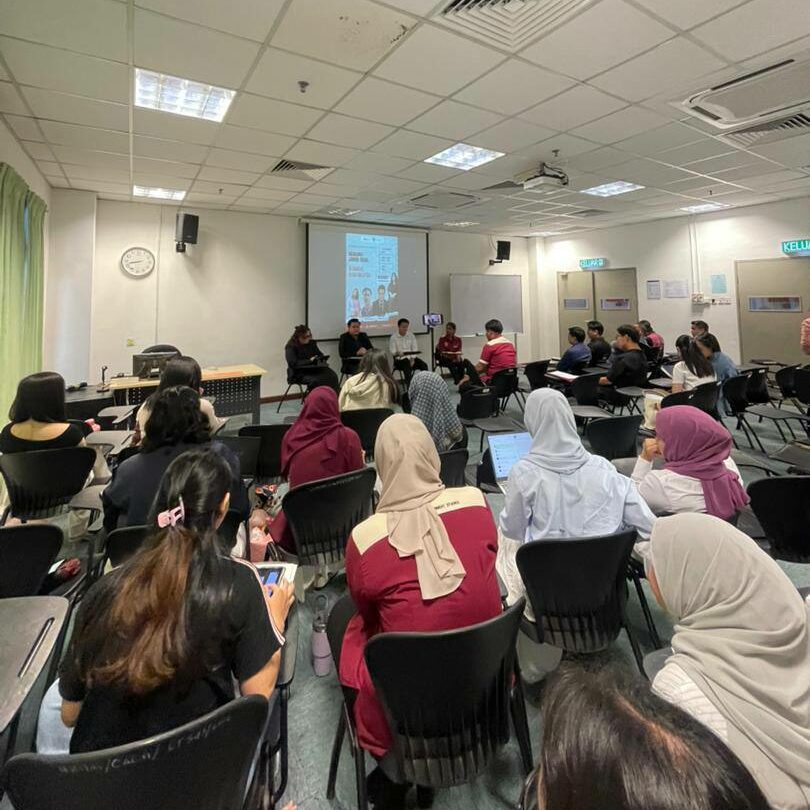
The organiser of this forum aligns with the broader role of higher education institutions as one of the centres for knowledge sharing, critical thinking and civic consciousness. Within the university context, forums such as this could serve as informal learning platforms that can complement classroom-based teaching, while still fostering a culture of intellectual discourse, open dialogue session and the exchange of ideas among students. The active participation of students during the discussions and question-and-answer sessions has demonstrated a growing level of awareness and concern among the younger generation in understanding the issues of social justice, inequality and urban development in Malaysia.
Beyond its social and economic dimensions, the forum emphasised urbanisation as a political and governance process involving multiple actors, including the federal and state governments, local authorities, the private sector and civil society. Participants were exposed to the reality that urban planning and development decisions are often shaped by economic interests and investment priorities, which in some cases marginalise local communities, particularly low-income urban residents. This dynamic contributes to the phenomenon of social exclusion, where certain groups within urban areas are systematically excluded from the benefits of development despite their proximity to centres of economic growth.
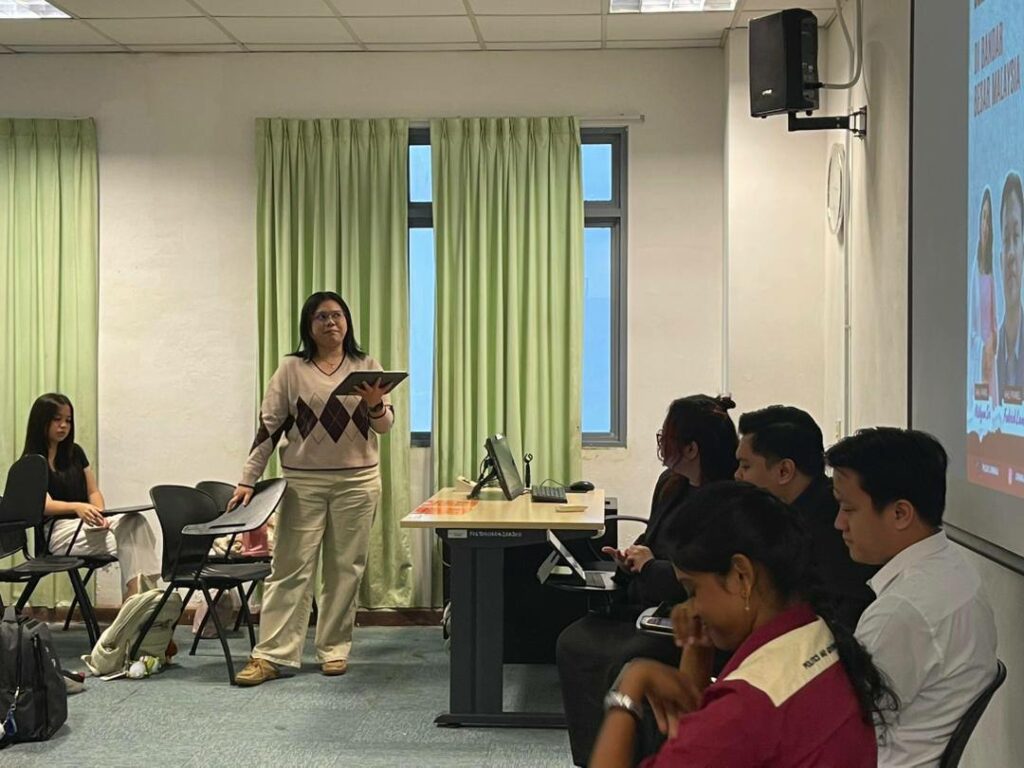
Discussions during the forum also highlighted the escalating cost of living in major Malaysian cities as a key driver of urban inequality. Rising housing prices and rental costs, transportation expenses, utility charges and the increasing cost of basic necessities have placed significant pressure on low- and middle-income households, thereby intensifying the risk of urban poverty. In this context, participants were encouraged to recognise that urban inequality is not solely the result of income differentials, but also a consequence of systemic shortcomings in ensuring equitable access to public services, decent employment opportunities and comprehensive social protection mechanisms.
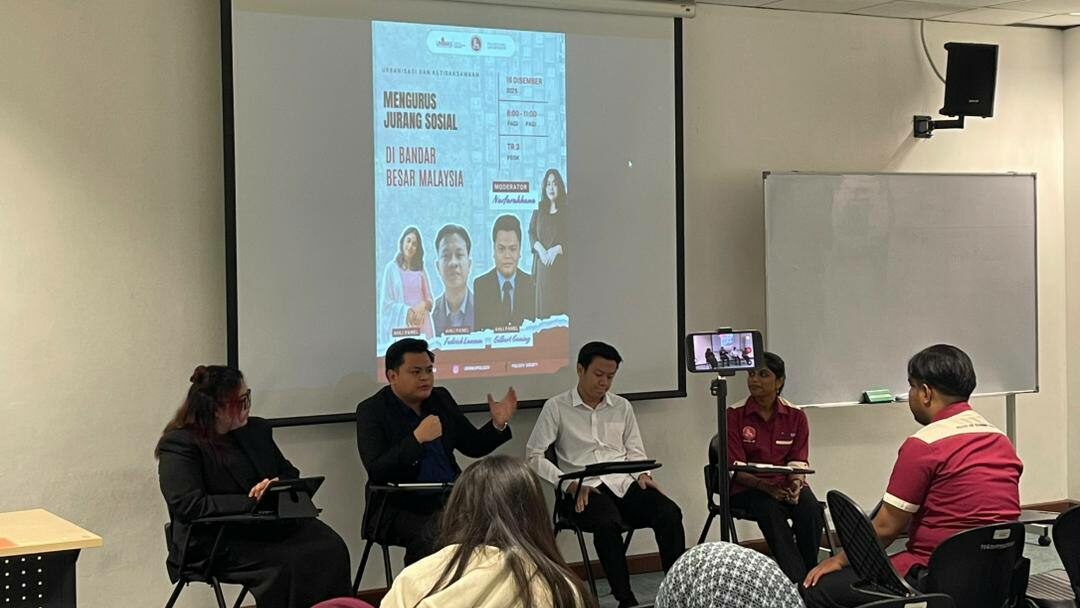
The forum further underscored the importance of adopting more inclusive and socially just policy approaches in managing urban development. Key approaches discussed included people-centred urban planning, the provision of adequate affordable housing, accessible and efficient public transportation systems, and meaningful community participation in decision-making processes. Exposure to these approaches not only enriched participants’ understanding of sustainable urban governance, but also encouraged them to critically reflect on the respective roles of the state, the market and society in shaping cities that are equitable, liveable and sustainable.
In line with global development frameworks, the forum was closely aligned with the United Nations Sustainable Development Goals (SDGs). In particular, it directly supported SDG 10: Reduced Inequalities, which formed the central theme of the forum through its emphasis on addressing socio-economic disparities within urban settings. The discussions highlighted the importance of public policies and governance mechanisms aimed at reducing social gaps and promoting inclusive growth. Additionally, the forum contributed to SDG 11: Sustainable Cities and Communities, by focusing on the need to make cities inclusive, safe, resilient and sustainable through equitable urban planning and social-oriented development strategies. The forum also supported SDG 4: Quality Education, especially in terms of promoting lifelong learning, civic education and critical thinking among university students.
Indirectly, the forum also resonated with SDG 16: Peace, Justice and Strong Institutions, particularly in relation to inclusive governance, institutional accountability and participatory decision-making. Discussions on transparency in urban planning, public participation and institutional responsiveness reinforced the understanding that equitable development requires strong institutions that prioritise the public interest. This awareness is essential in shaping students’ understanding of the relationship between social inequality, institutional legitimacy and social stability within the broader national development context. In terms of impact, the forum generated significant positive outcomes in enhancing participants’ awareness and understanding of urban inequality and the challenges posed by rapid urbanisation in Malaysia. Participants gained a deeper appreciation of urban inequality as a complex structural issue intertwined with public policy, economic systems, governance arrangements and power relations. Such awareness is crucial in cultivating a generation of young citizens who are more sensitive to social injustices and more inclined to contribute constructively towards inclusive solutions.
The forum also had a positive impact on the development of students’ soft skills and leadership capacities. Active engagement in discussions, articulation of viewpoints and intellectual exchanges helped to strengthen students’ confidence, communication abilities, analytical thinking and evidence-based argumentation skills. These competencies are vital in producing well-rounded graduates who are not only academically competent but also capable of meaningful engagement in public discourse and future policy-making processes.
Furthermore, the successful organisation of this forum reinforced the role of POLGOV Society as a student-led platform that are committed to enhance the understanding of politics, public policy and contemporary social issues among the students. The programme has demonstrated the society’s capacity to organise high-impact academic activities that contribute to the university’s sustainable development agenda and societal engagement objectives. The professionalism and dedication exhibited by the organising committee also enhanced the visibility and credibility of student organisations within the university ecosystem.
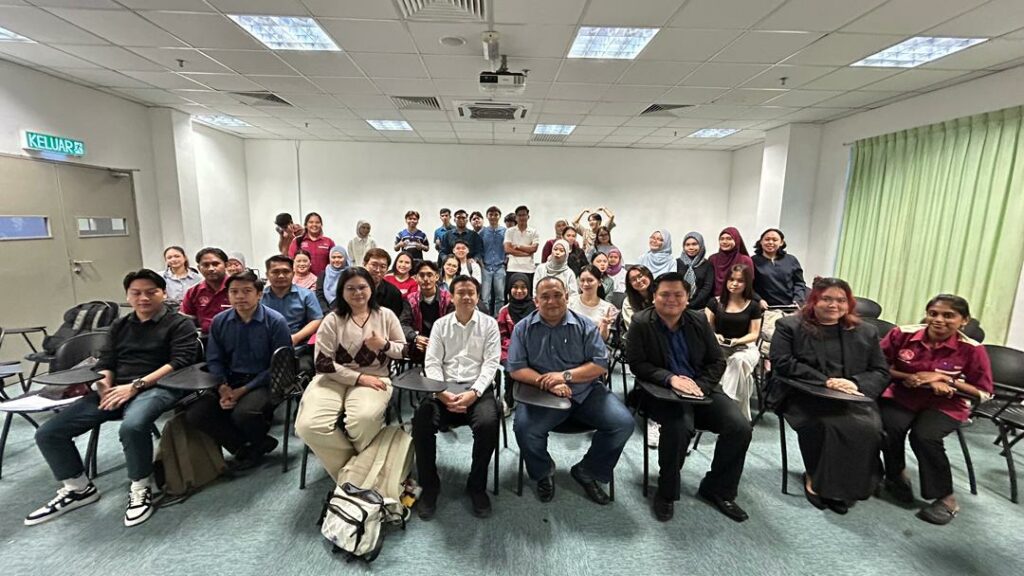
Overall, the Forum: “Urbanisasi Dan Ketidaksamaan – Mengurus Jurang Sosial Di Bandar Besar Malaysia” successfully achieved its objectives by providing a meaningful, critical and constructive platform for student engagement. The forum reaffirmed that the challenges of urbanisation and social inequality must be addressed not only through government policies and urban planning, but also through education, and awareness-building. It is hoped that similar initiatives will continue to be organised in the future as part of UNIMAS’ and POLGOV Society’s ongoing efforts to nurture socially conscious graduates and to contribute to the development of a more just, inclusive and sustainable Malaysian society in line with the Sustainable Development Goals.
FSSH – A Partner for Social Change