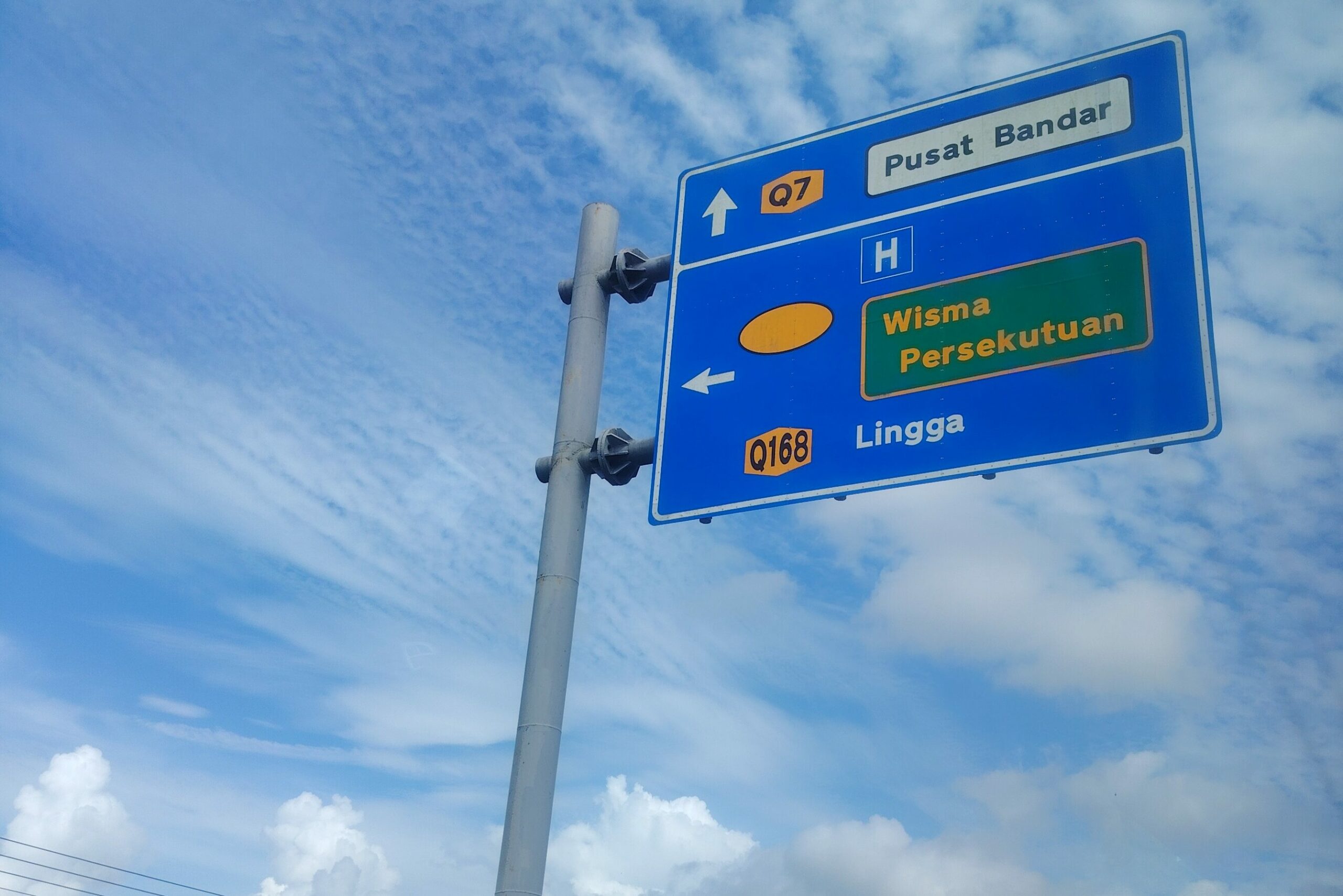
Lingga, Sri Aman | 11 December 2025
Universiti Malaysia Sarawak (UNIMAS), through the Faculty of Resource Science and Technology (FRST), continues to strengthen its role as a regionally grounded and globally relevant university through the implementation of a field-based academic research project focusing on salinity and rice cultivation. The project forms part of the Final Year Project (FYP) for Year 3 students from the Biotechnology Programme, FRST, UNIMAS.
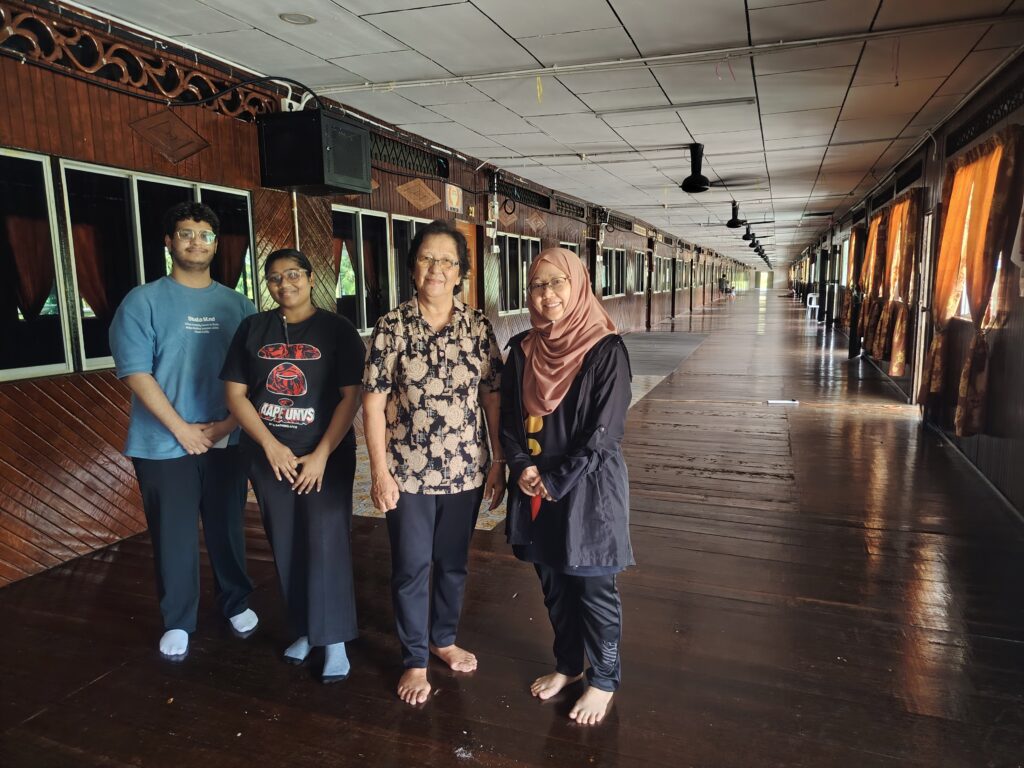
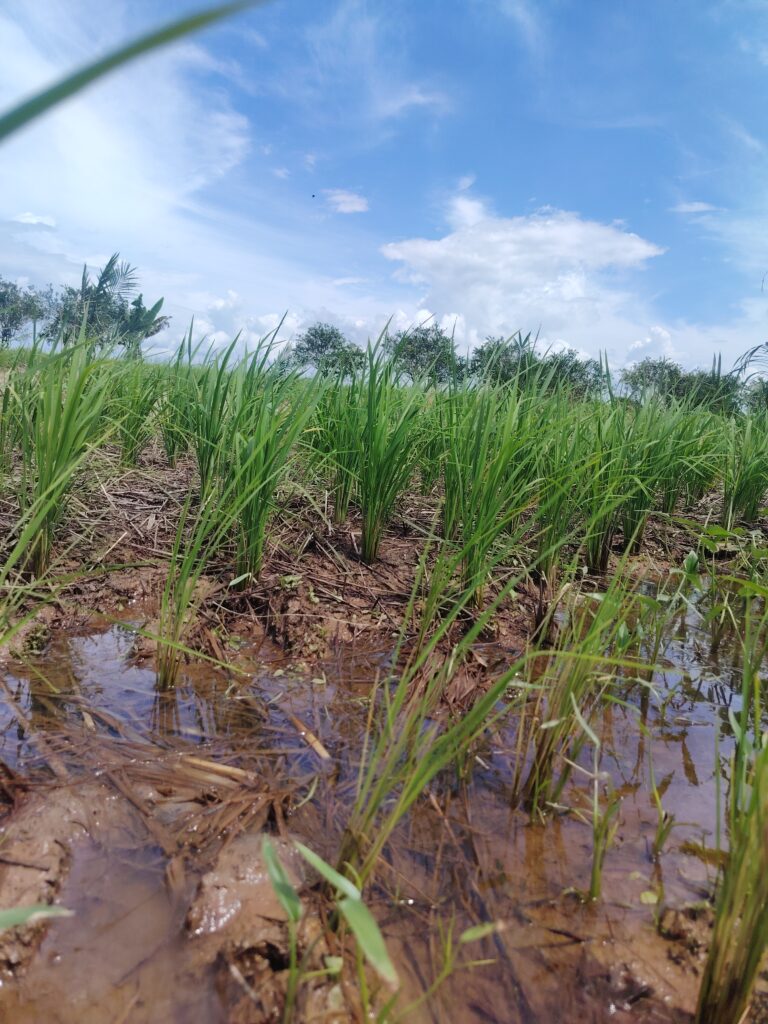
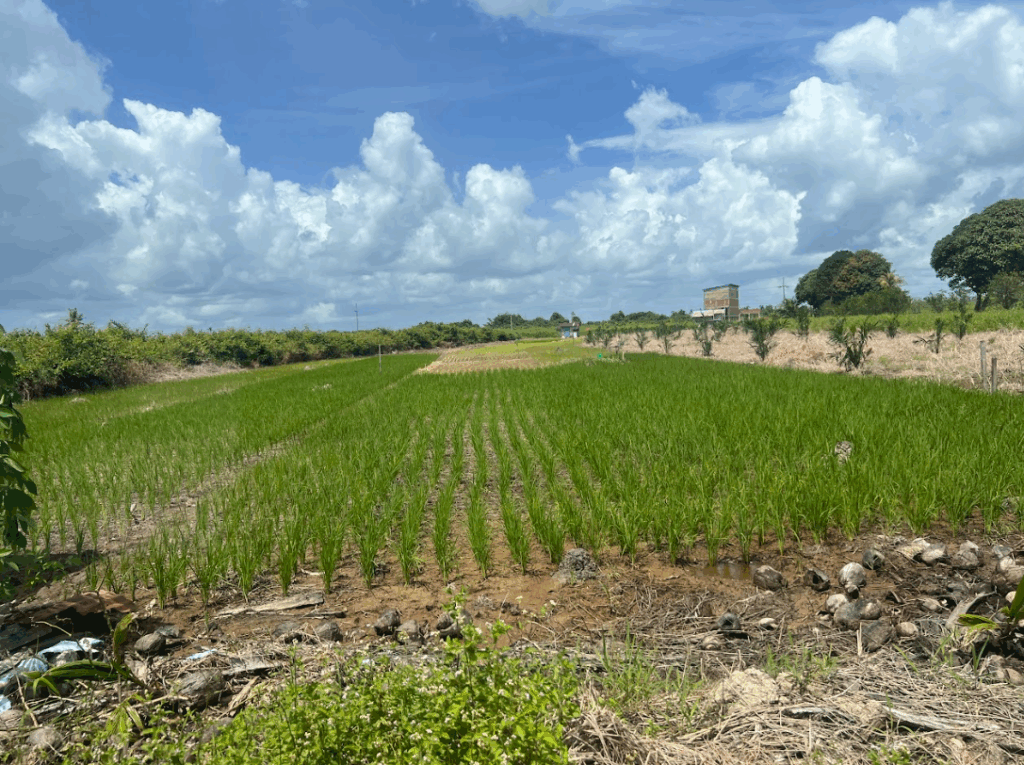
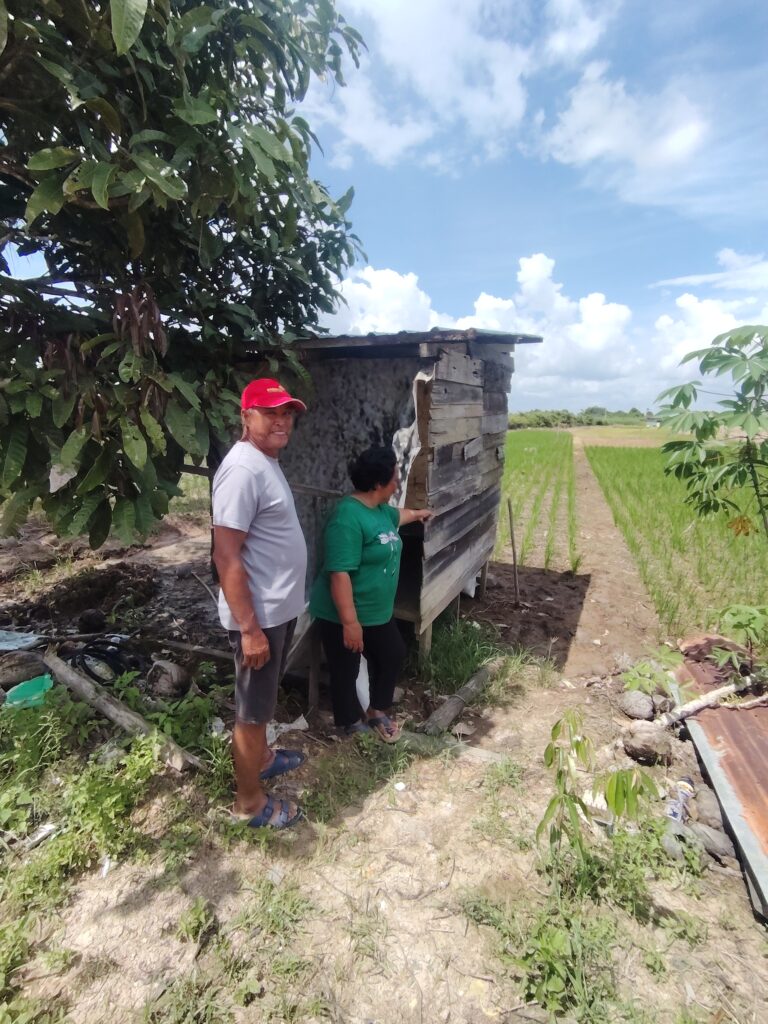
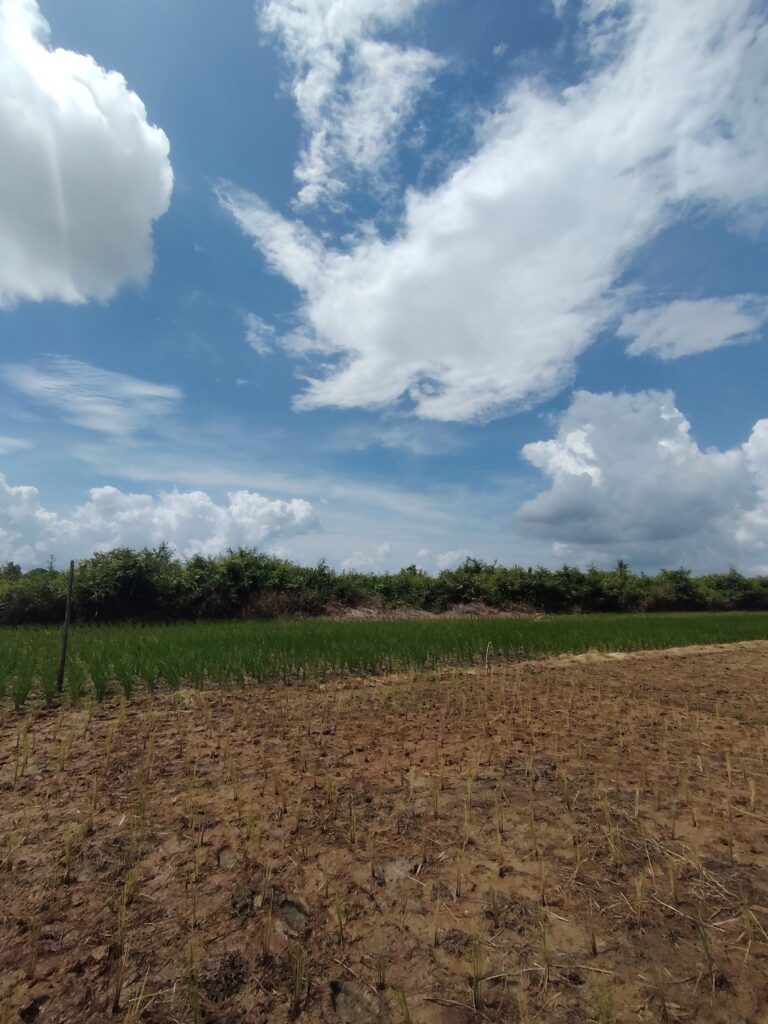
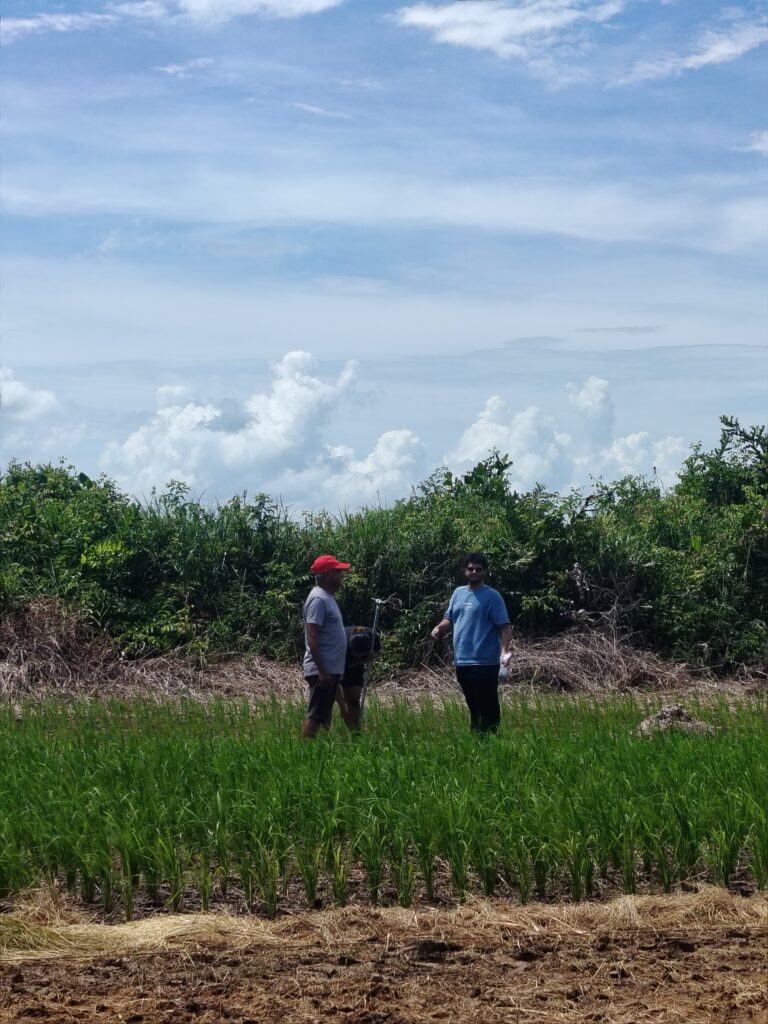
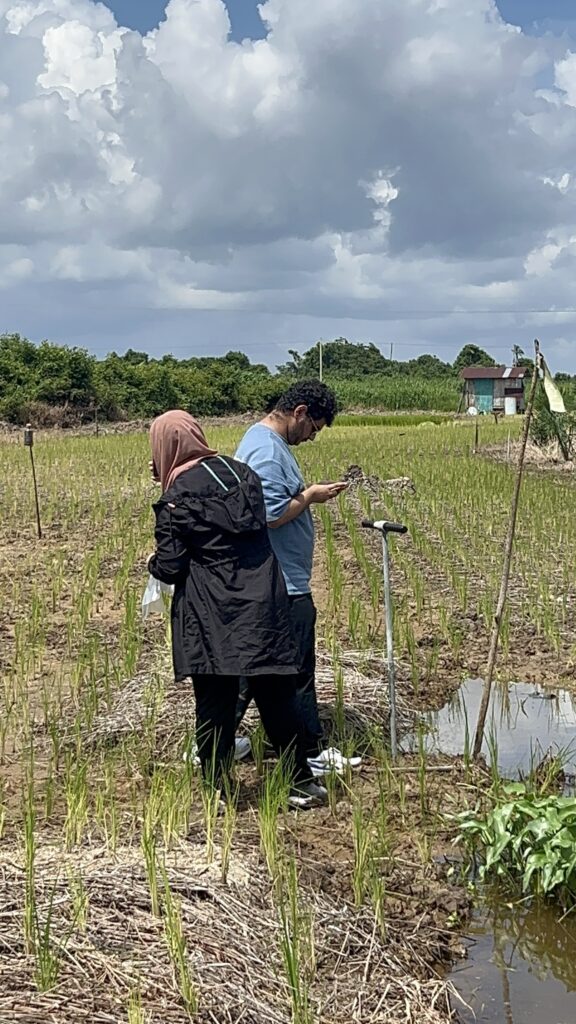
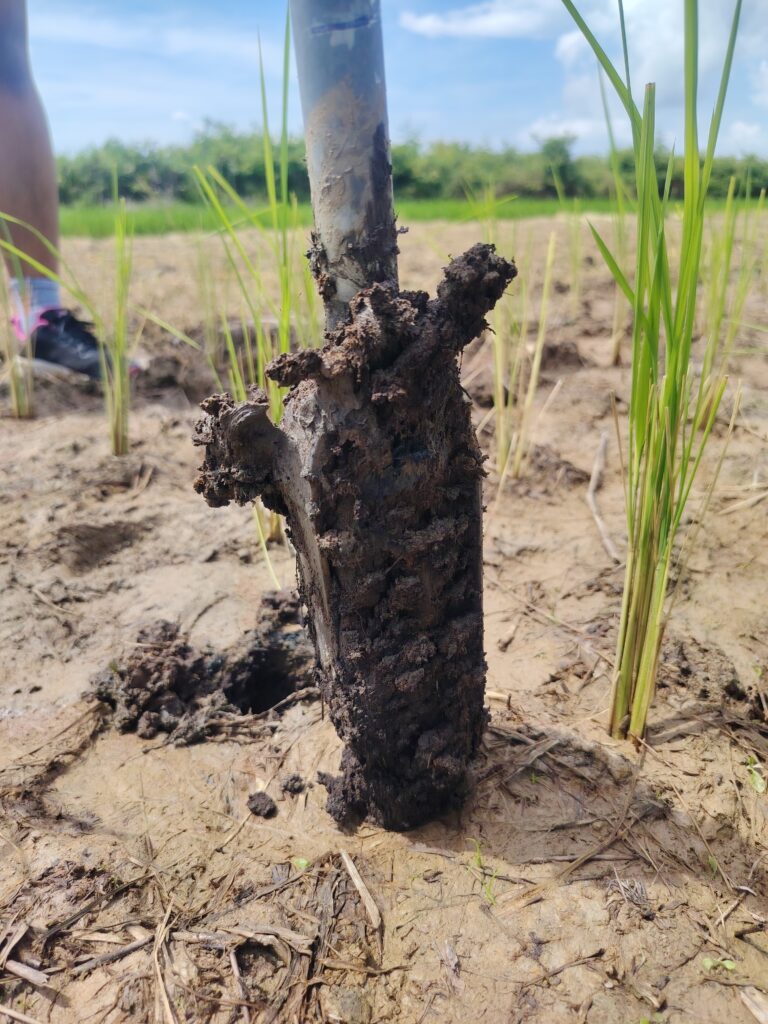
The study focuses on understanding the effects of salinity on rice cultivation systems, with particular emphasis on traditional Sarawak rice as a biologically and culturally significant study system. Field activities were conducted in Lingga, Sri Aman, involving the collection of rice, water and soil samples, as well as engagement sessions with local farming communities.
The project is led by Ts. Safarina Ahmad, lecturer from the Biotechnology Programme, Faculty of Resource Science and Technology (FRST), Universiti Malaysia Sarawak (UNIMAS). The initiative reflects an integrated approach to research and training that connects biological science, real-world field conditions and community context.
From UNIMAS to the Community
The project lead noted that such exposure is critical in shaping future scientists, as it allows students to appreciate that research extends beyond the laboratory. Understanding the field context and learning directly from farmers provides invaluable insight. Such field-based research training is increasingly important in the context of climate change, where salinity intrusion poses growing challenges to rice production and long-term food security in Sarawak.
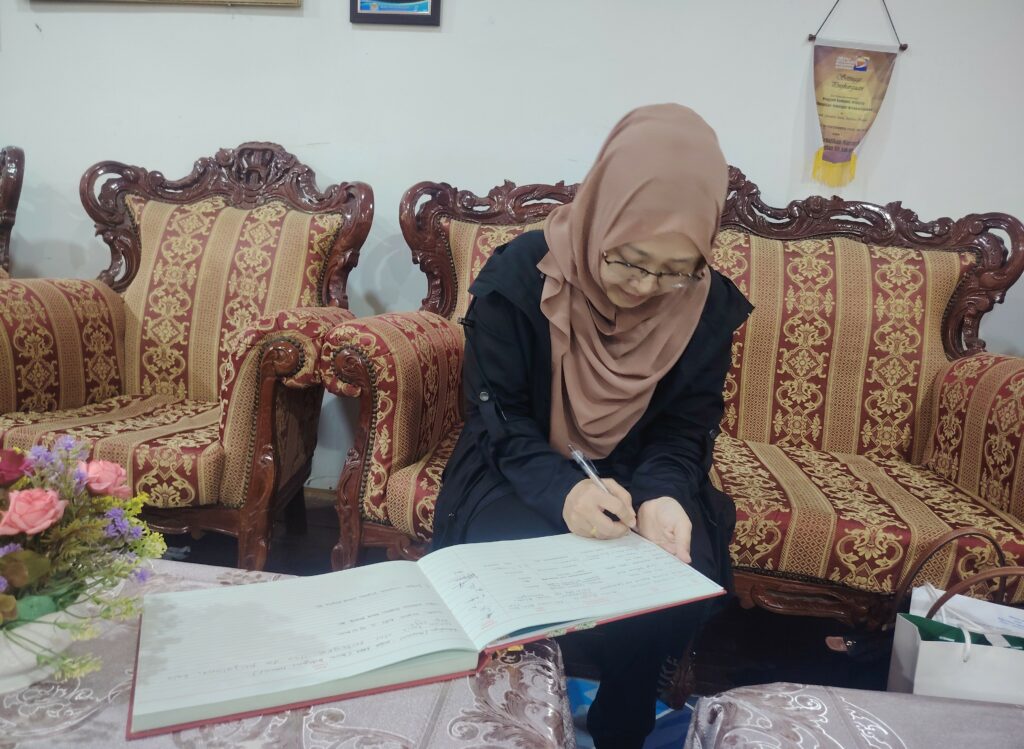
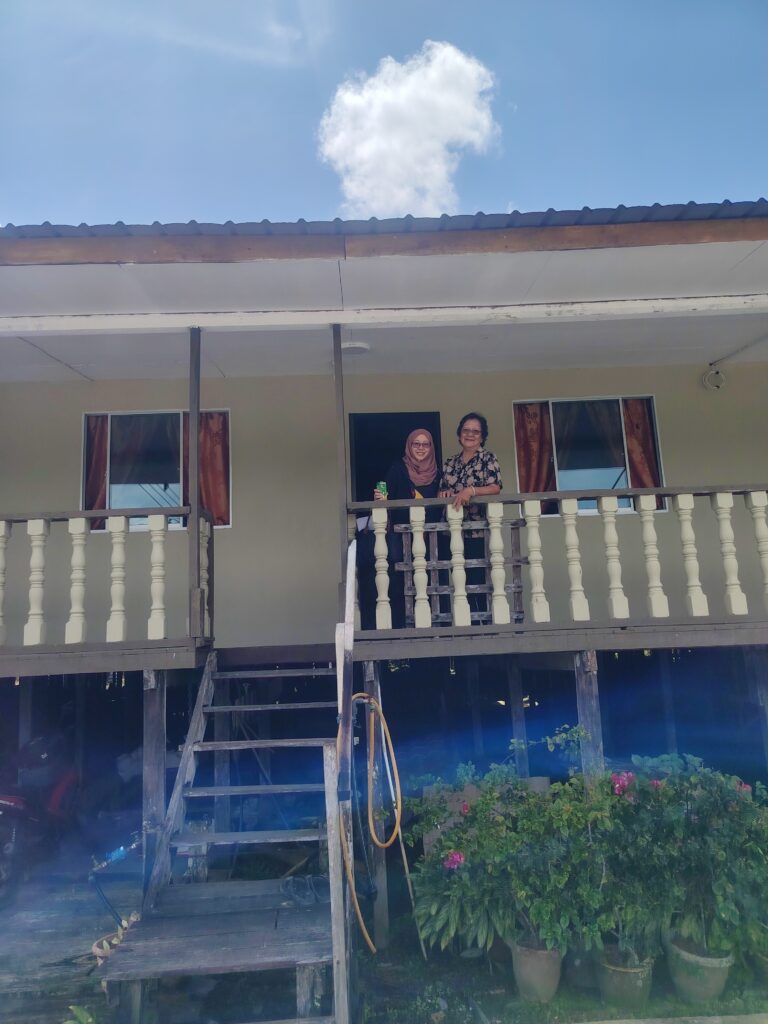
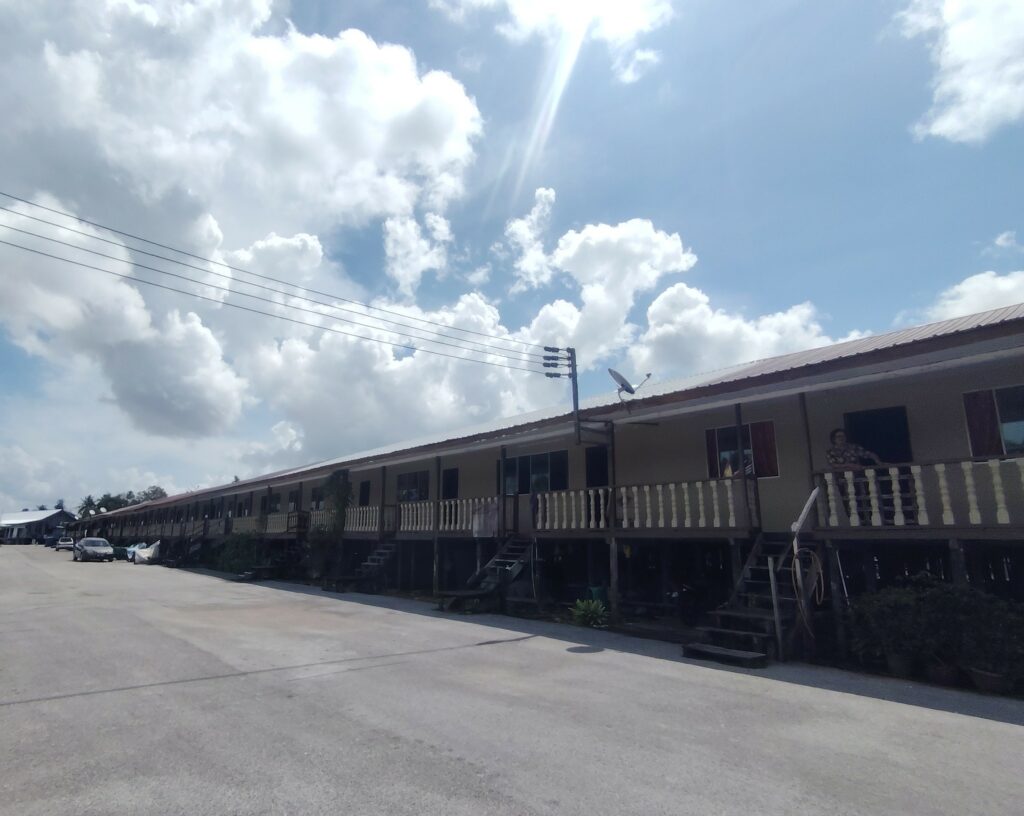
During the field activities, the FRST, UNIMAS research team held engagement sessions with the Tuai Rumah and local farmers at the longhouse community. According to the Tuai Rumah, only a small number of families continue rice cultivation today, underscoring the significance of preserving both agricultural practices and local knowledge through collaborative research efforts. These interactions allowed students to learn not only about scientific sampling, but also about the lived realities, experience, and challenges faced by local farming communities. The field activities were also supported by AP Dr Freddy Yeo Kuok San from the Agrotechnology Programme, FRST, UNIMAS, who assisted with site access and community linkage by facilitating initial contact with the Tuai Rumah in Lingga.
Strategic Biotechnology Framing
This Final Year Project is framed within strategic plant biotechnology. It focuses on understanding the biological responses of rice to salinity stress under Sarawak’s tropical conditions. By integrating biological science, field-based evidence and community context, the study supports the development of locally grounded knowledge. Such knowledge has potential relevance for food system resilience, preservation of heritage rice varieties, and climate-adaptive agricultural strategies in Sarawak.
The study highlights the role of biotechnology in addressing real-world agricultural challenges, particularly in relation to salinity stress, crop adaptation and food system resilience. Such an approach aligns with broader efforts to strengthen evidence-based strategies for agricultural sustainability in Sarawak.
Global learning in a Local Landscape
The involvement of Final Year Project students from diverse backgrounds, including an international student from Yemen, reflects UNIMAS’s role as a globally engaged institution grounded in local realities. Exposure to Sarawak’s traditional rice cultivation systems and salinity-related challenges provides students with perspectives that transcend geographical boundaries, reinforcing the relevance of Sarawak-based research to global discussions on food security and climate resilience.
Their participation highlights UNIMAS’s capacity as a research training environment that attracts international interest, particularly in biotechnology and tropical agriculture addressing shared global challenges such as salinity stress and sustainable food production.
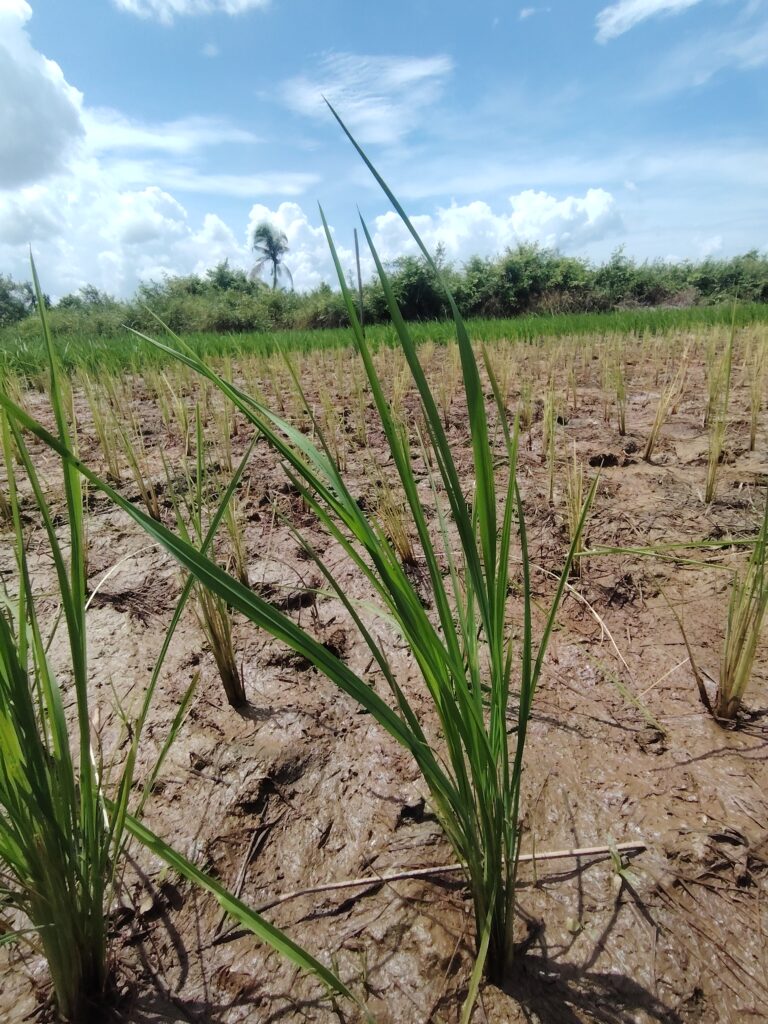
Rice as Living Heritage
Beyond its scientific objectives, the project recognises traditional Sarawak rice as both a biological resource and a cultural heritage. Rice cultivation practices passed down across generations reflect deep connections between land, community and identity. Preserving this knowledge is essential not only for agricultural sustainability, but also for maintaining Sarawak’s cultural and ecological heritage.
The trust established between researchers and local farmers during the field activities underscores the importance of respectful collaboration. Rice samples shared by farmers were not merely research materials, but symbols of cooperation, continuity and shared responsibility towards future generations.
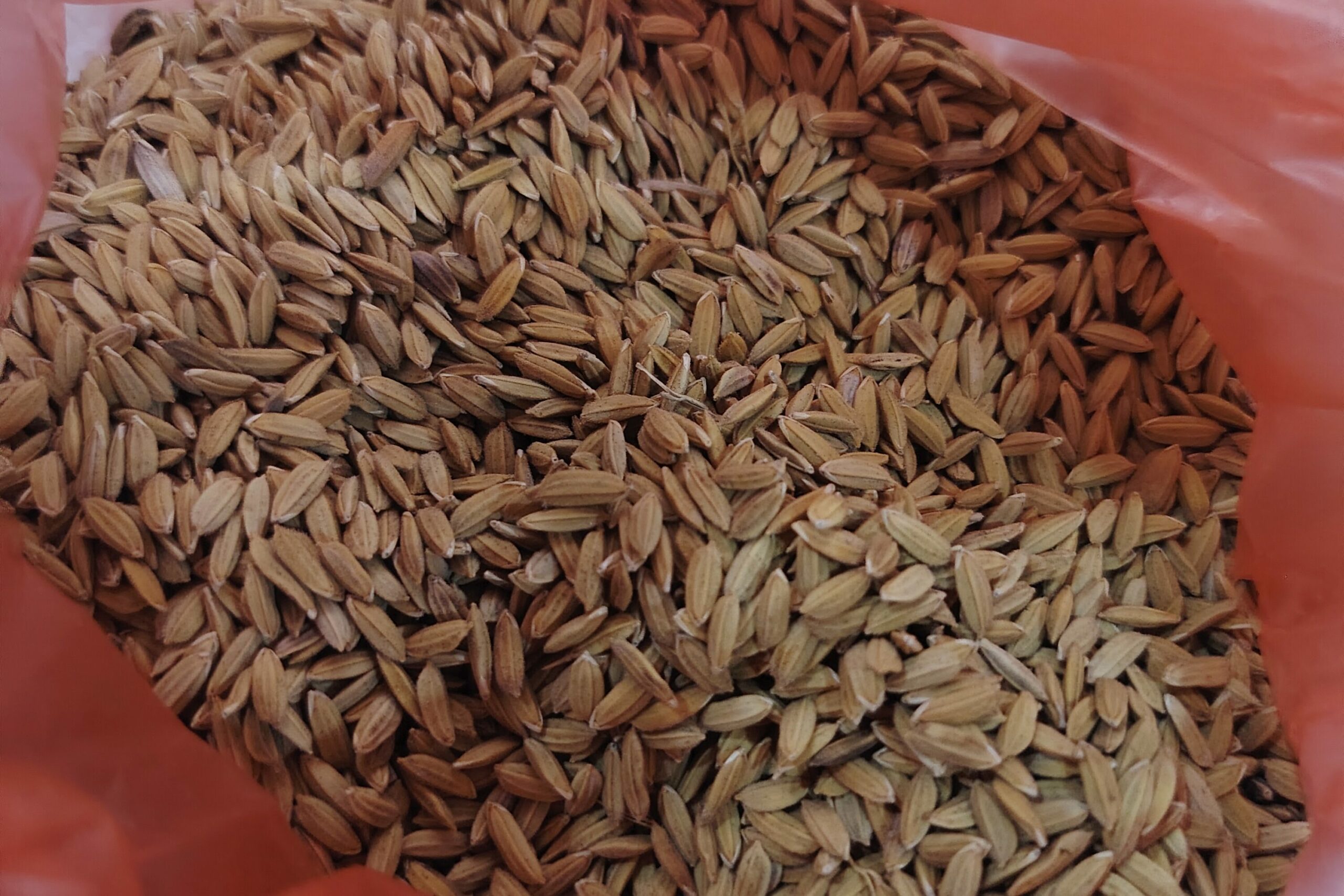
Conclusion and Policy Alignment
Overall, this project demonstrates UNIMAS’s potential as a strategic knowledge hub supporting Sarawak’s long-term priorities in food security, agricultural sustainability and climate resilience through biotechnology-driven approaches. In Sarawak, traditional rice cultivated across generations represents more than food; it is the living memory of our land and a heritage that must be protected for the future.
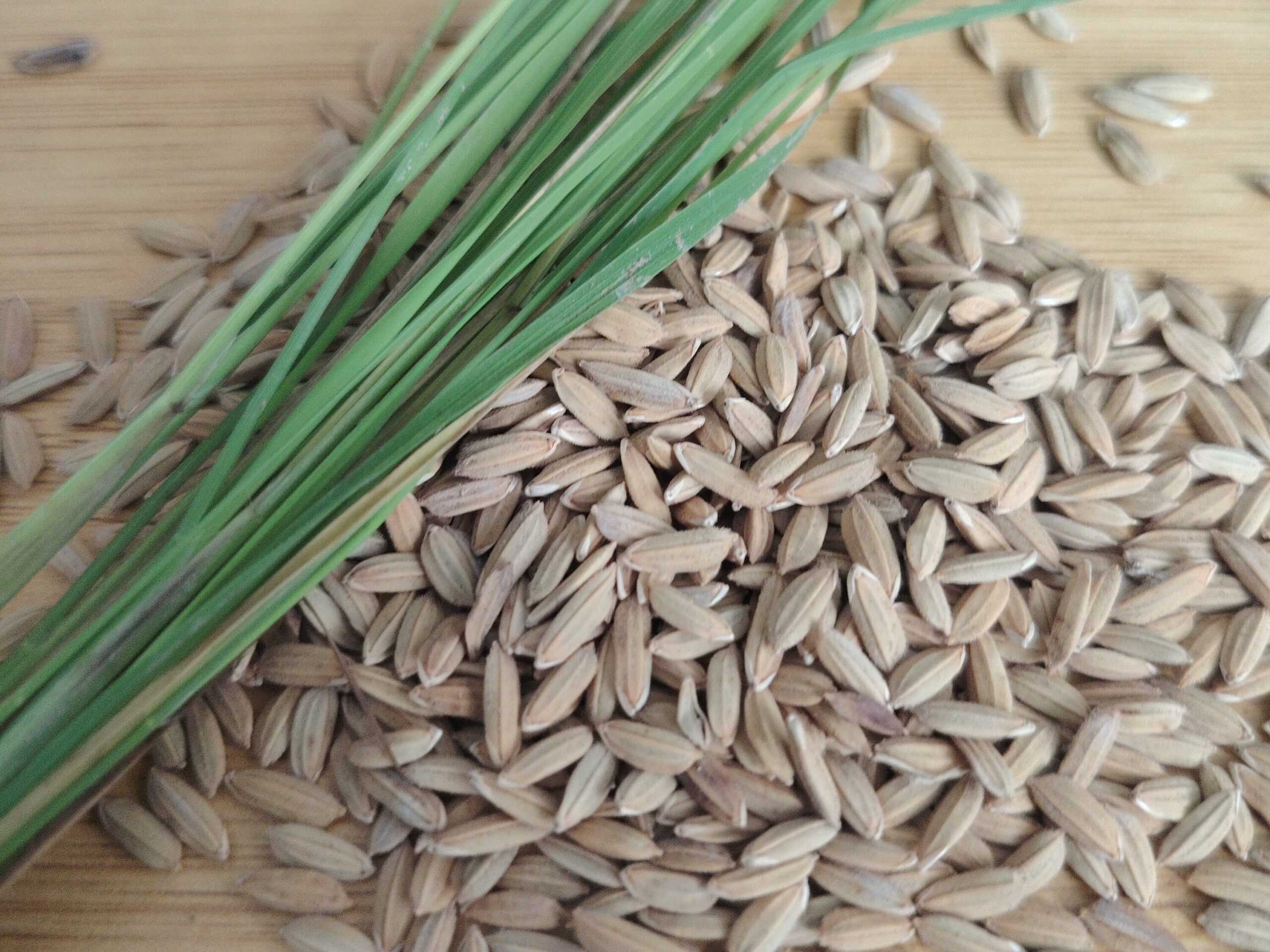
Policy Slogan:
Local-resource-based biotechnology for Sarawak’s food resilience.
Contact for Collaboration
This initiative is developed under the Biotechnology Programme, Faculty of Resource Science and Technology (FRST), Universiti Malaysia Sarawak (UNIMAS). Parties interested in academic collaboration, capacity building or initiatives related to biotechnology, food security and tropical agriculture are welcome to engage through the relevant faculty at UNIMAS.
Written by: Ts. Safarina Ahmad