Written by: Assoc. Prof. Dr Devagi
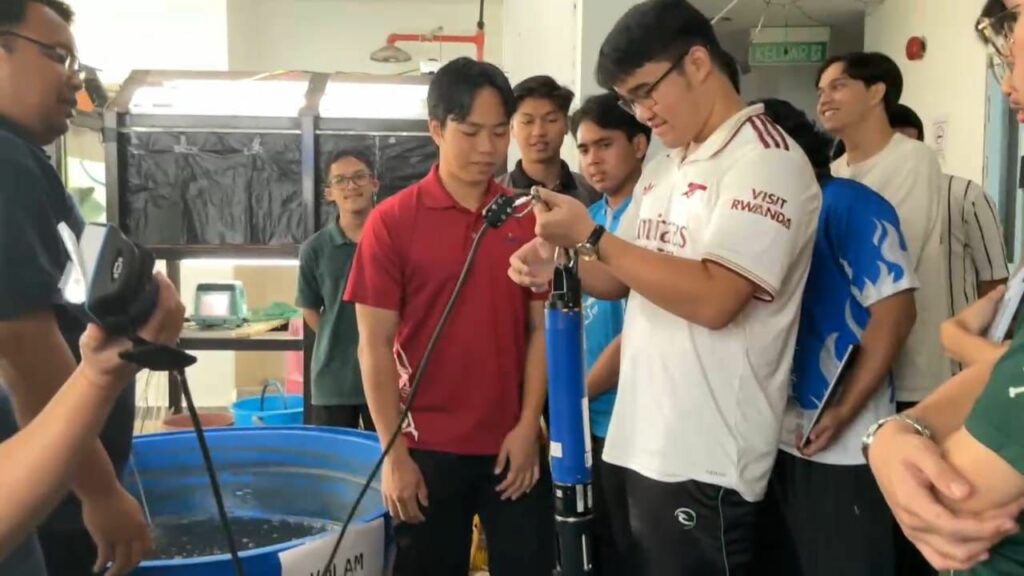
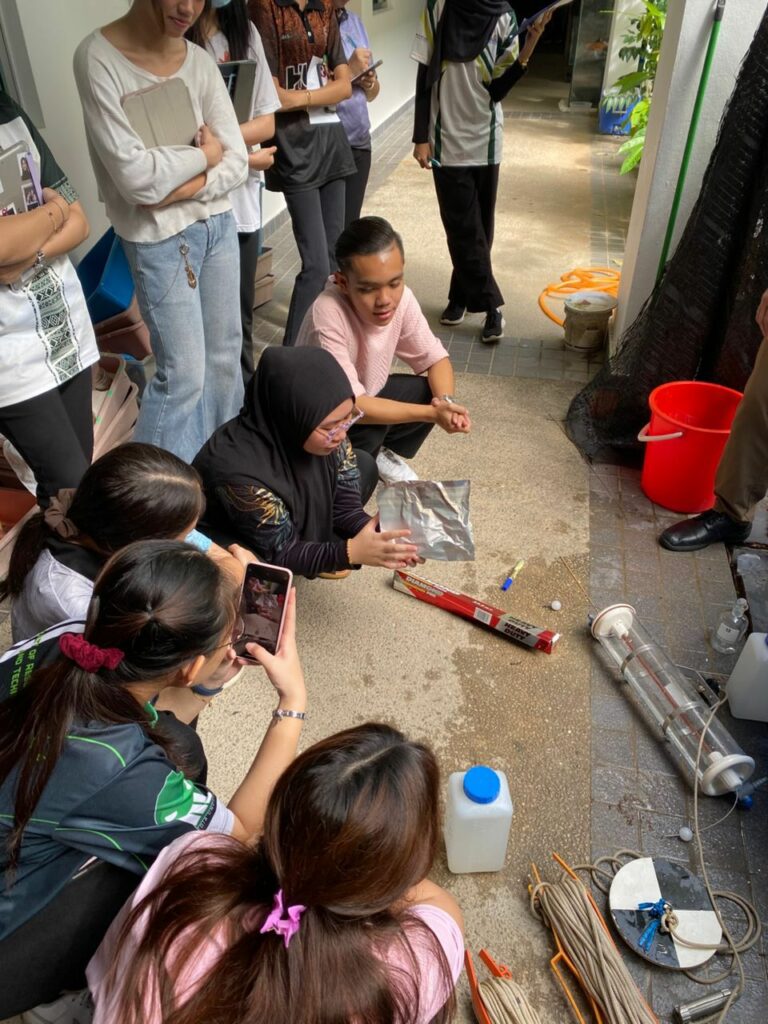
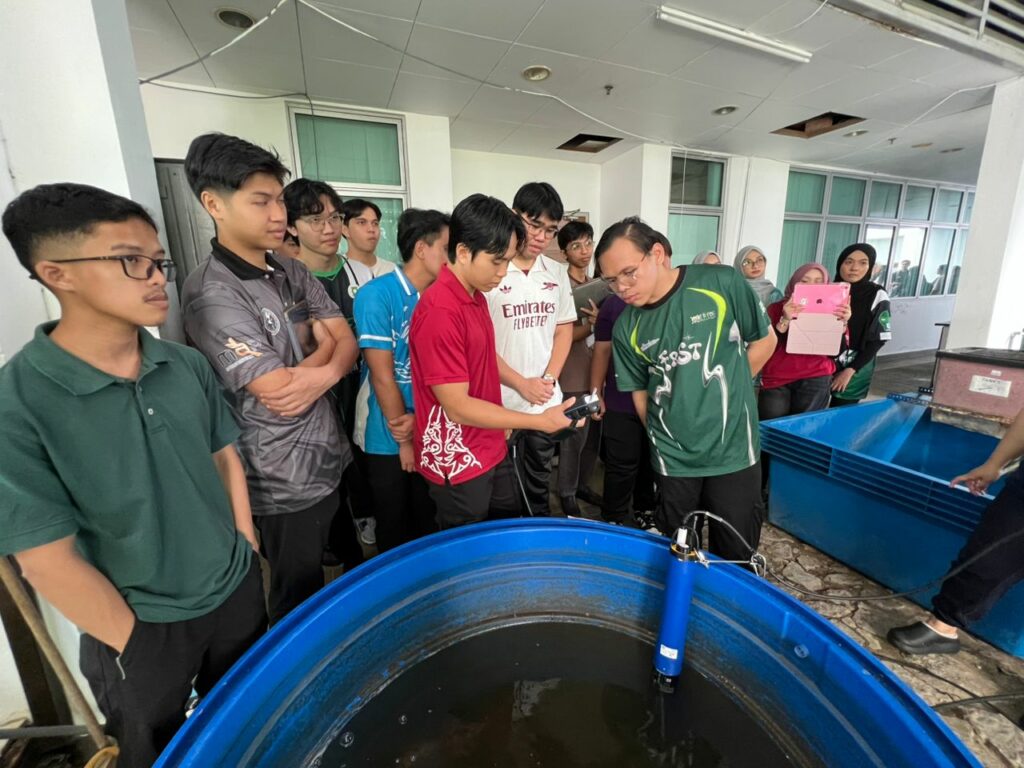
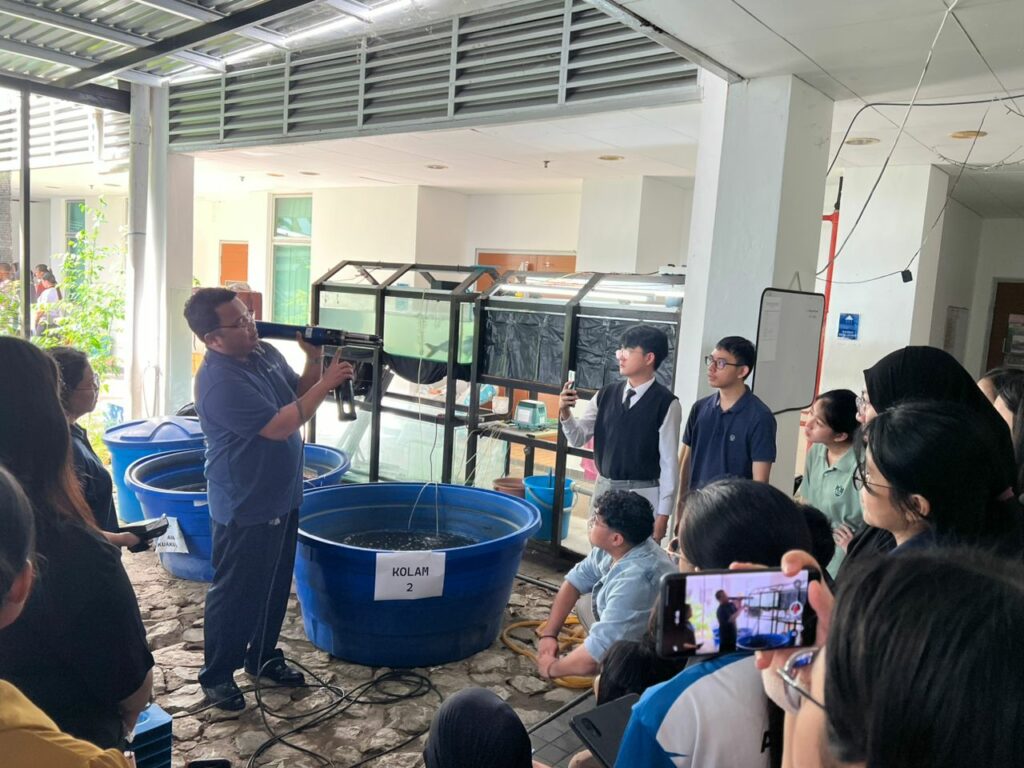
Kota Samarahan – Second-year Chemistry students enrolled in the Environmental Chemistry course recently participated in an immersive learning session designed to strengthen their understanding of real-world environmental sampling techniques. This initiative, organized by the course coordinator, AP Dr Devagi Kanakaraju, provided students with valuable exposure to the instruments, equipment, and field protocols used in both water and soil sampling. The immersive session aimed to bridge classroom theory with practical field application, providing students with an authentic experience of how environmental chemists collect, preserve, and analyze samples to ensure data accuracy and reliability. The hands-on demonstration was led by dedicated staff members of the Chemistry Programme, whose expertise ensured that students could observe and practice standard sampling procedures safely and effectively.
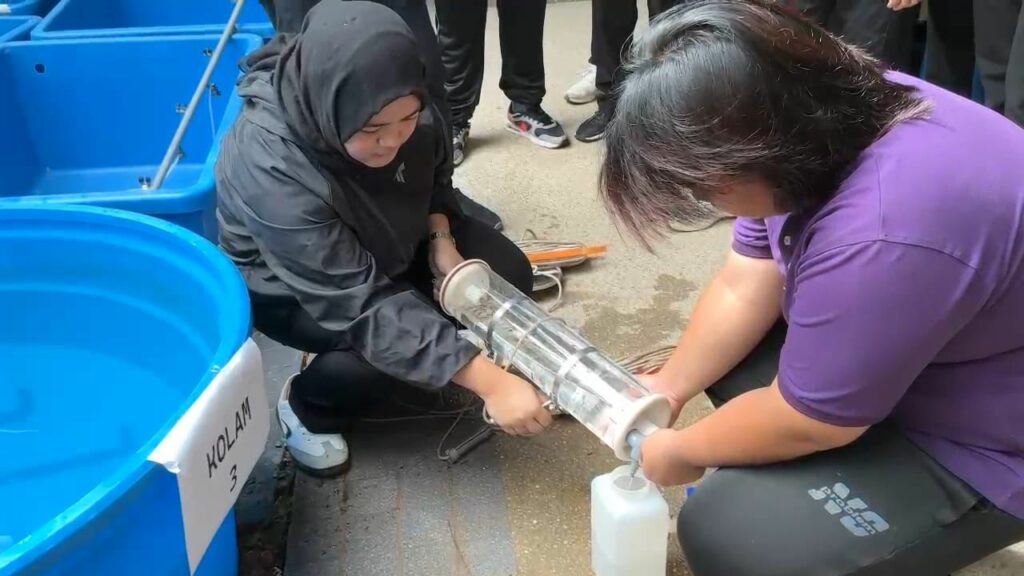
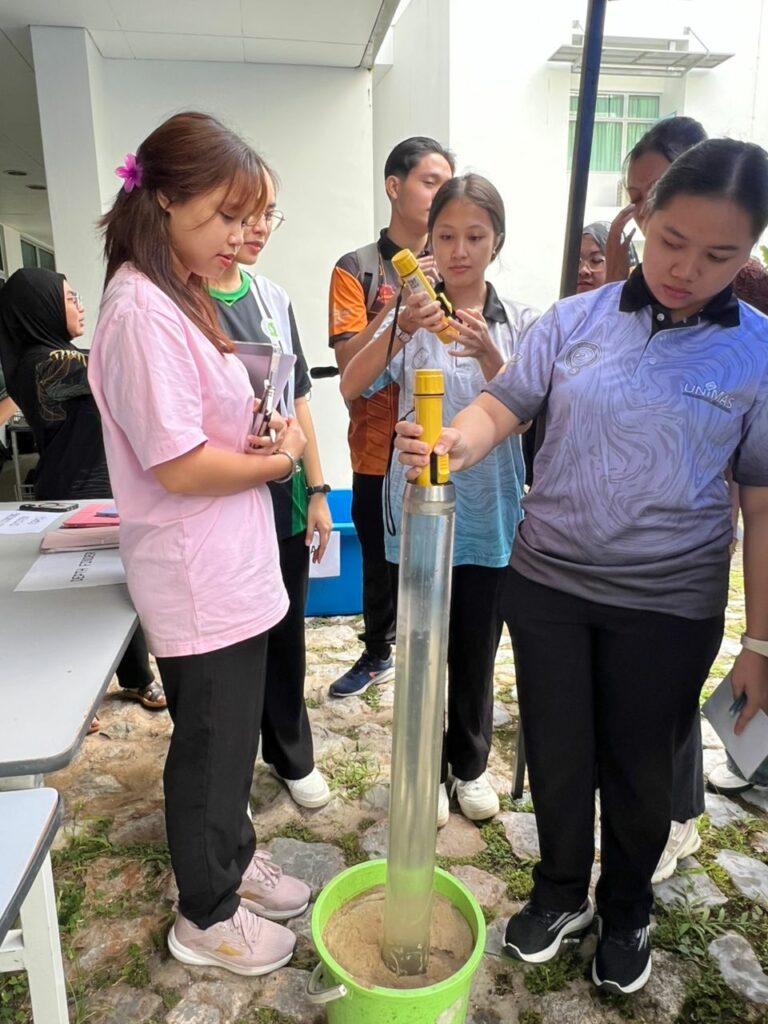
Although unpredictable weather prevented the session from being held at an actual sampling site, the faculty transformed its grounds into a realistic field environment, ensuring students enjoyed an equally rich and uncompromised hands-on experience. During the session, students were introduced to various water sampling apparatus, including Van Dorn water samplers, multiparameter probes, and soil grab samplers. The immersive learning experience was intentionally designed to surpass conventional laboratory classes. By being physically present with the instruments and seeing how each tool operates in the field, students gained a deeper appreciation for the complexities and challenges associated with environmental sampling. Many students expressed that the session helped them better understand the significance of precision, safety, and ethical practices when handling actual environmental samples.
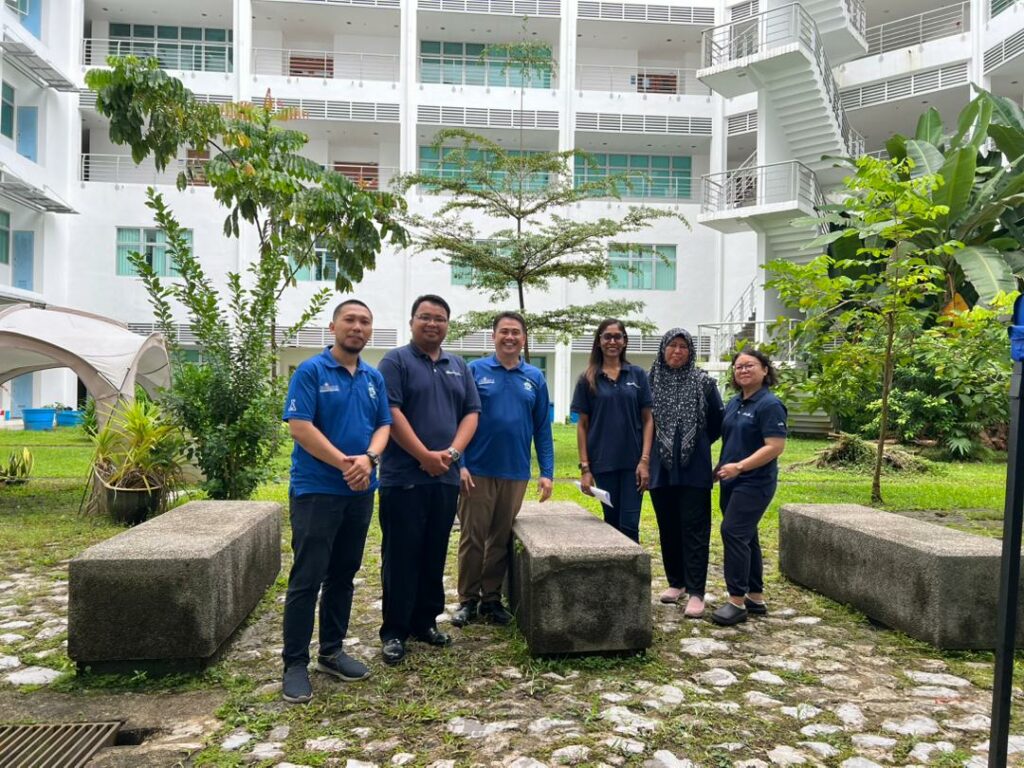
This initiative also aligns with UNIMAS’ commitment to promoting experiential and student-centred learning, ensuring that graduates are not only knowledgeable but also skilled and industry-ready. The collaborative effort between lecturers and laboratory staff highlights the programme’s dedication to providing meaningful learning opportunities that support both academic and professional development.
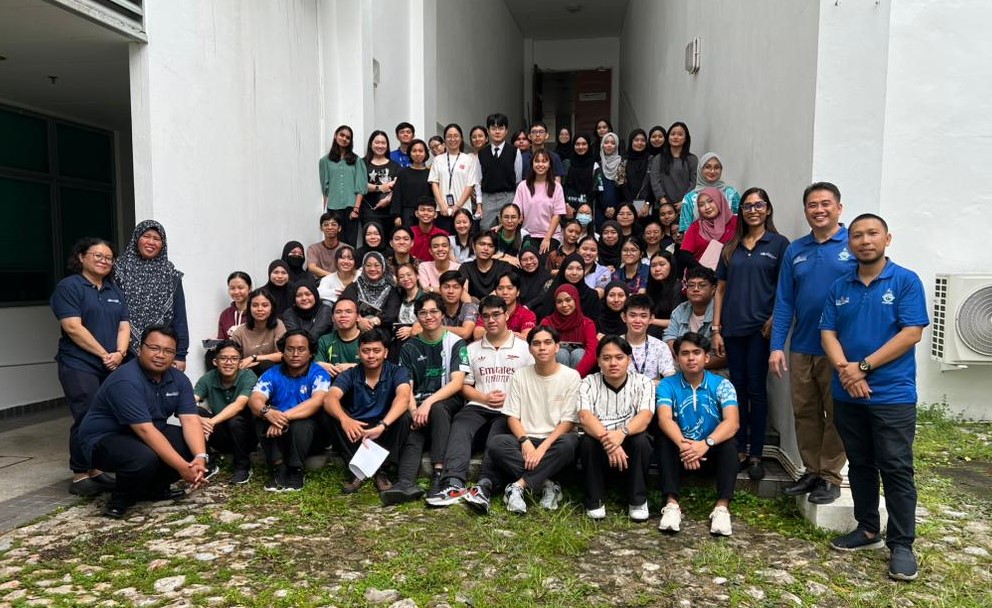
Overall, the immersive session was a valuable learning experience for all 67 participating students. By engaging directly with field sampling instruments and procedures, they strengthened their competencies and gained confidence in applying environmental chemistry concepts to real-world scenarios. Such activities continue to enhance the quality of teaching and learning within the Chemistry Programme, preparing students to meet the growing demands of environmental-focused industries and research fields.