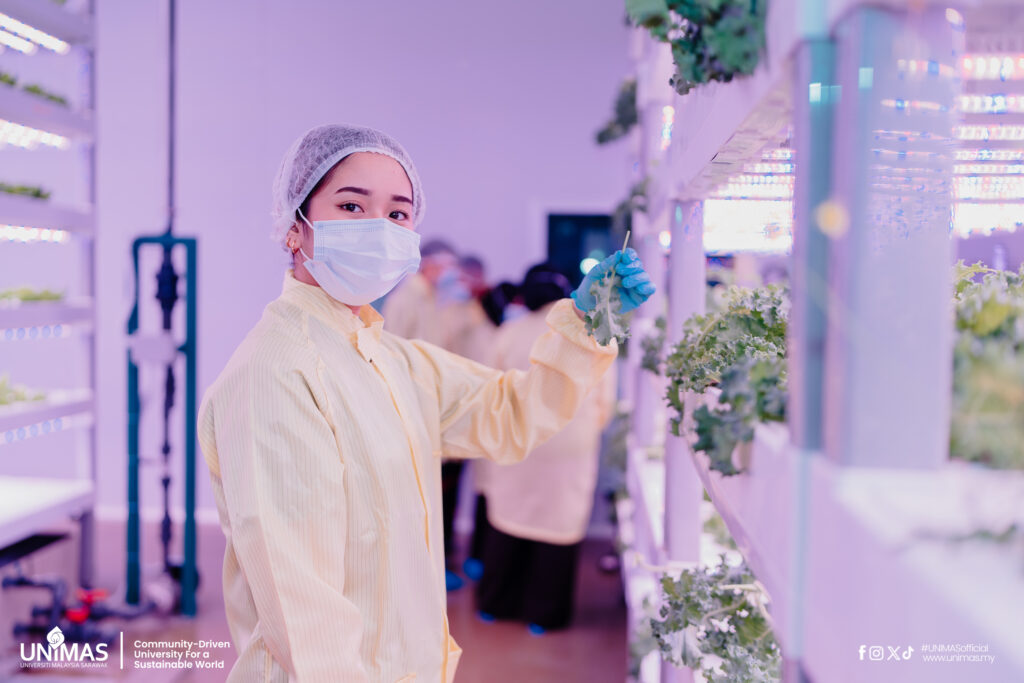
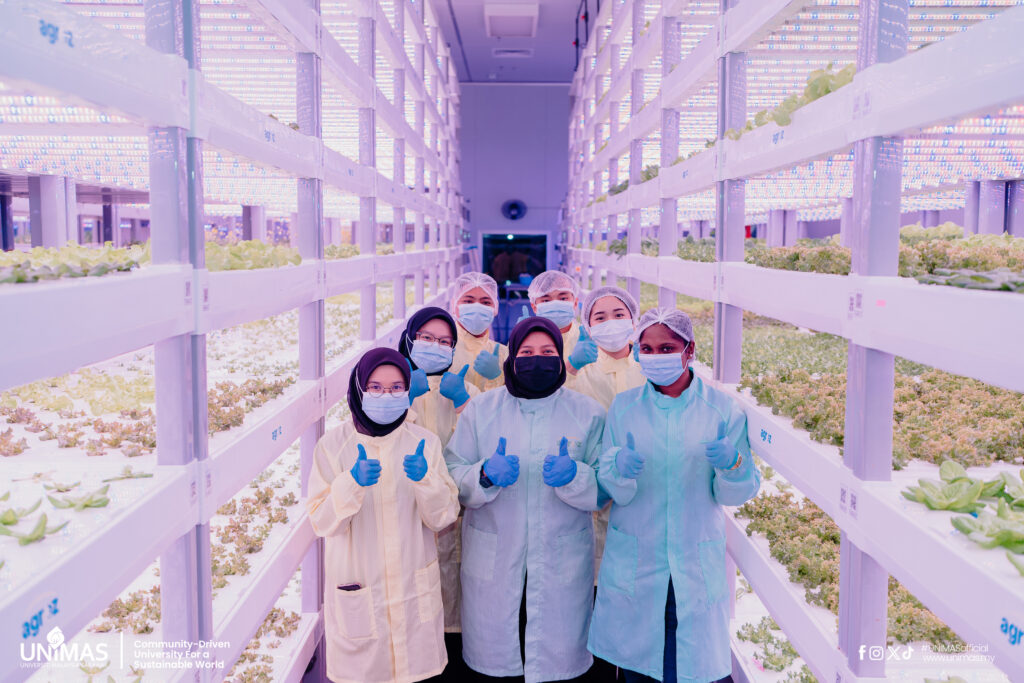
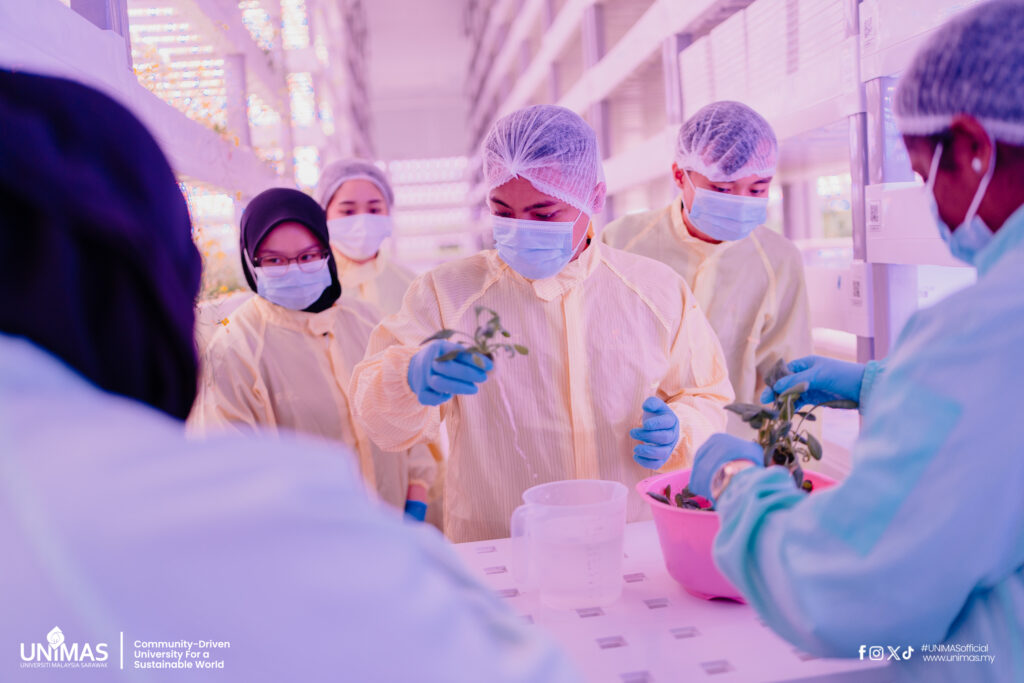
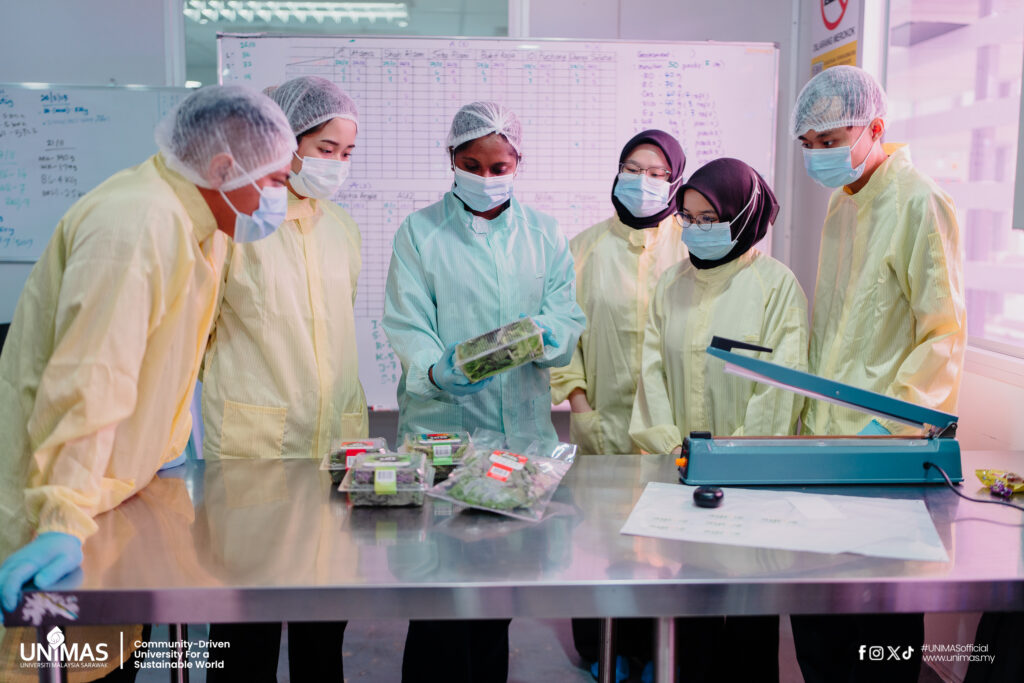
A total of 19 pioneer cohort students from the Bachelor of Science in Agrotechnology with Honours, Universiti Malaysia Sarawak (UNIMAS), have commenced their industrial-based learning phase under the 2u2i study mode with Agroz Group Sdn. Bhd., located in Wangsa Maju, Kuala Lumpur. This marks a significant milestone for the Faculty of Resource Science and Technology (FRST), as the programme moves into its first full cycle of hands-on, industry-embedded learning.
The partnership between UNIMAS and Agroz Group was formalised in 2022 through a Memorandum of Understanding (MoU), signifying a shared commitment to strengthening the ecosystem of industry-driven agricultural technology education. The 2u2i programme – an initiative under the Ministry of Higher Education – places emphasis on blending academic instruction with real-world industry engagement. This hybrid approach enriches learning experiences that extend beyond the classroom, enabling students to develop professional competencies through direct exposure to actual working environments.
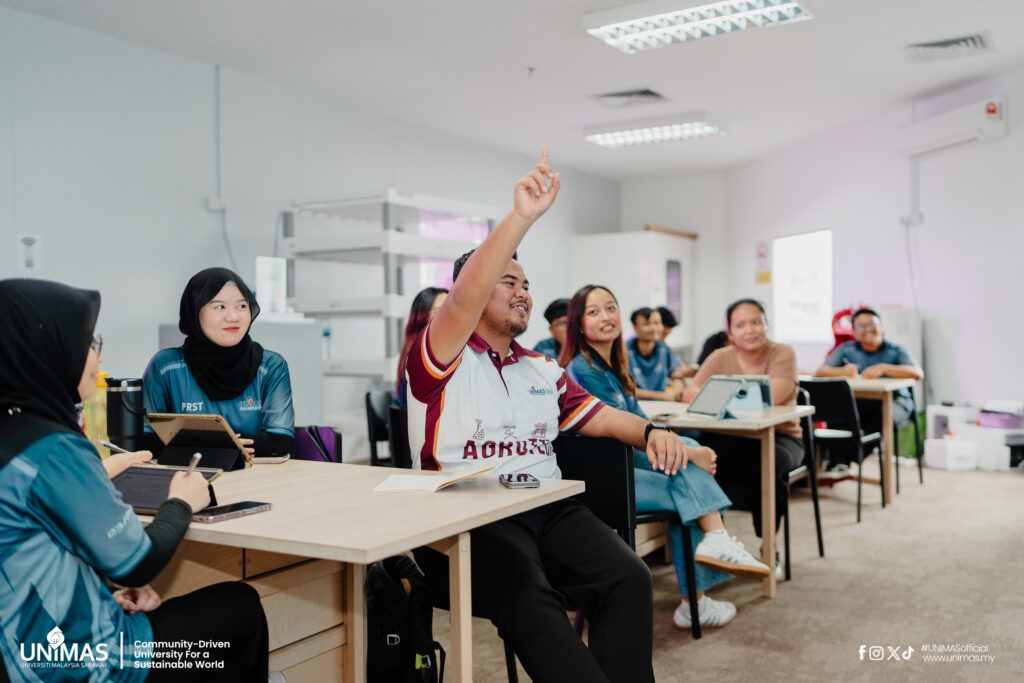
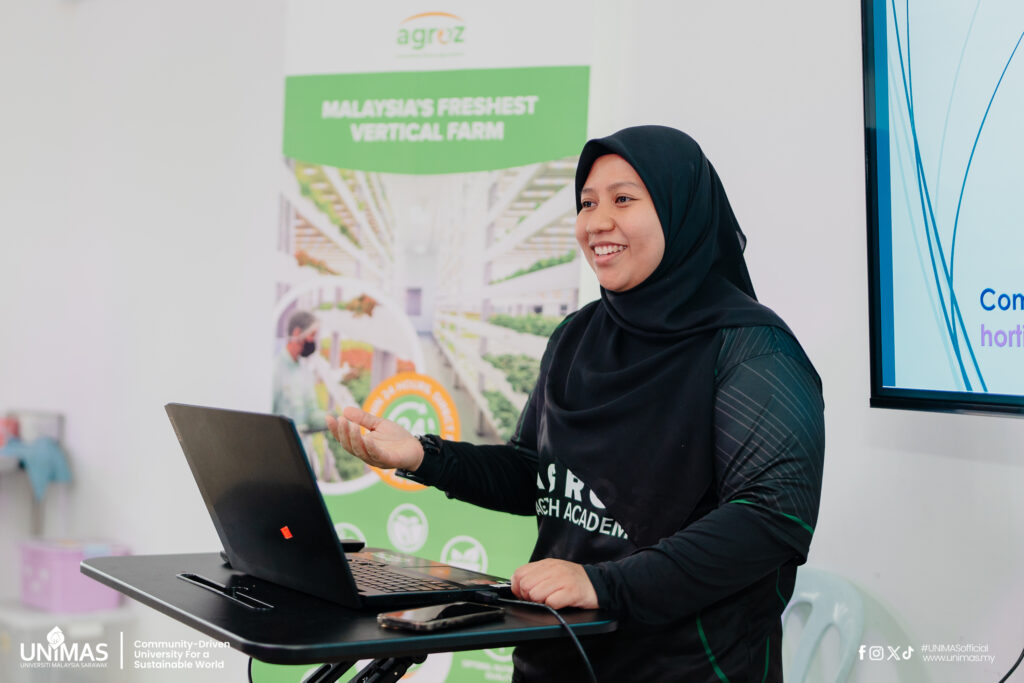
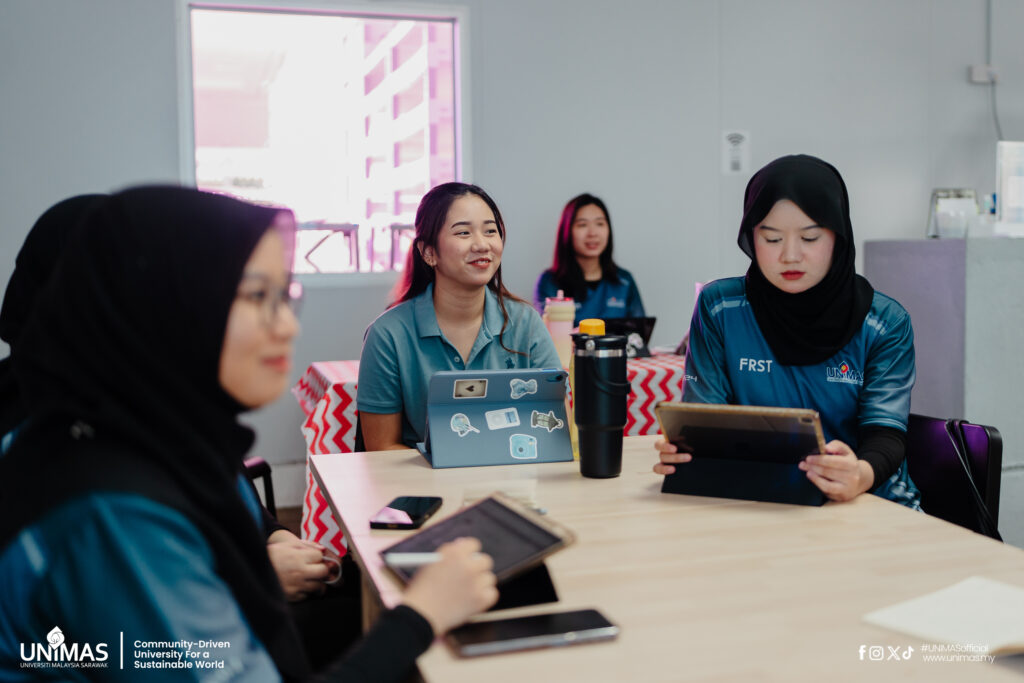
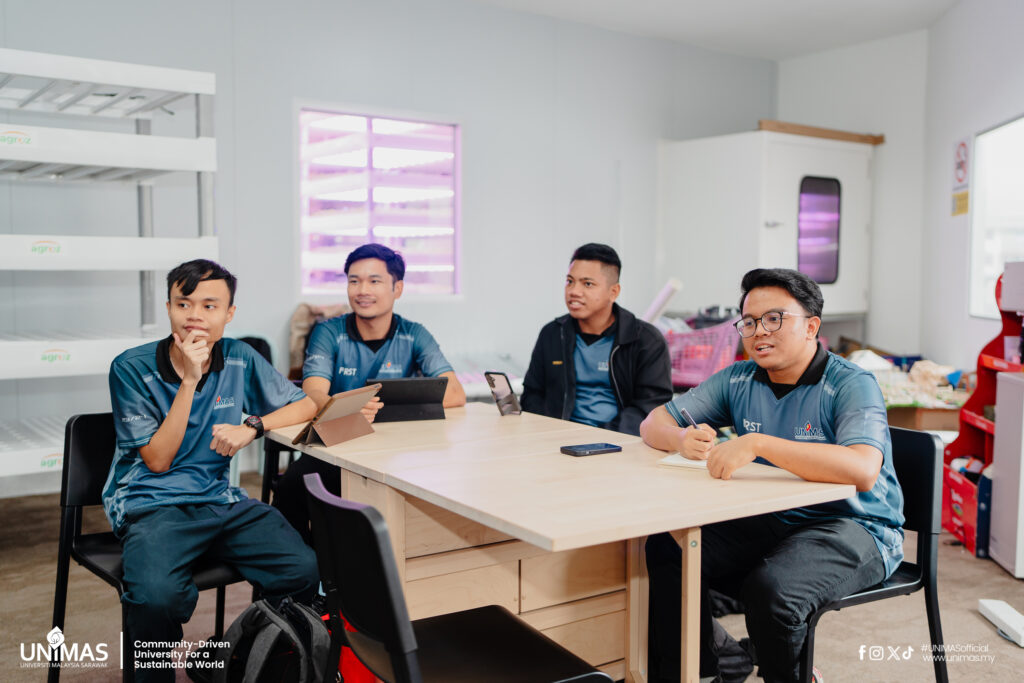
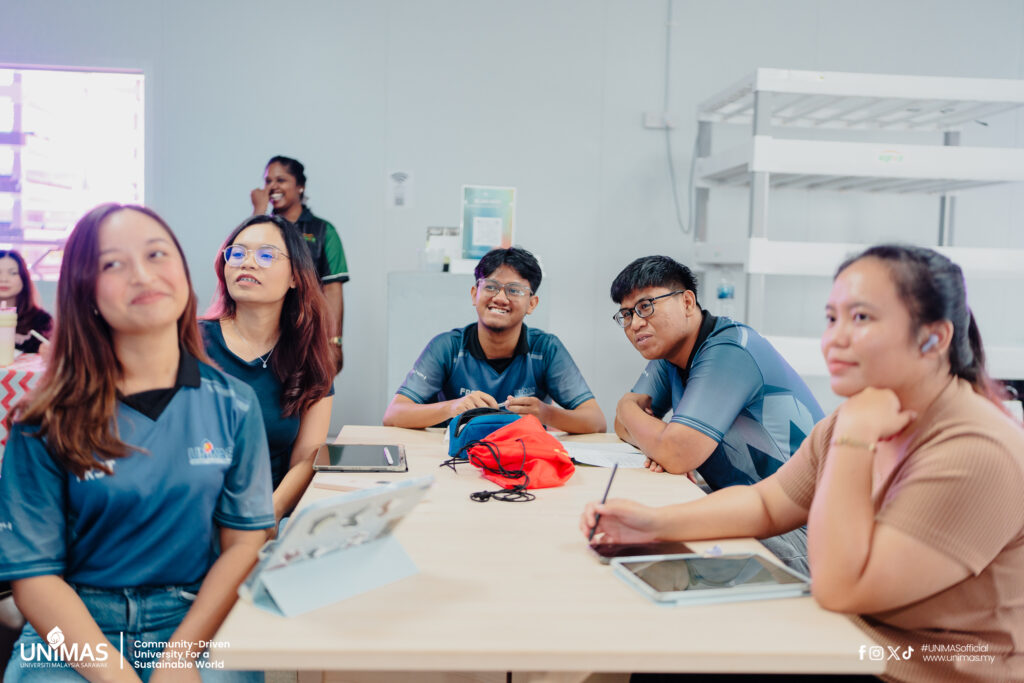
Throughout this 2u2i phase, students will undertake five specialised professional modules: Precision Agriculture, Agricultural Engineering, Integrated Farming, Post-Harvest Technology, and Agricultural Extension. These modules are conducted by experienced coaches from Agroz Group who bring not only technical expertise but also extensive industry experience. Their mentorship ensures that students acquire practical insights into modern agricultural practices, advanced technologies, and sustainable farming systems that are increasingly shaping Malaysia’s agri-food landscape.
In addition to the structured modules, students are required to complete several assessments that evaluate both their technical understanding and their application of knowledge in real operational settings. This approach aligns with the objectives of the 2u2i study mode-to produce future-ready graduates who are well-equipped to contribute effectively to the agricultural technology sector.
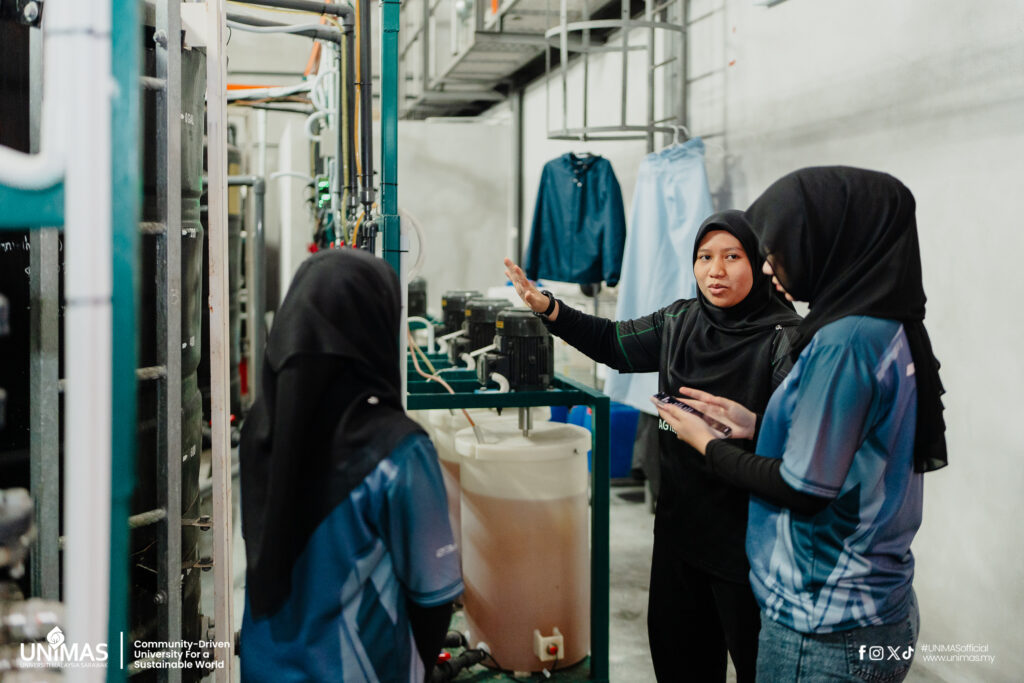
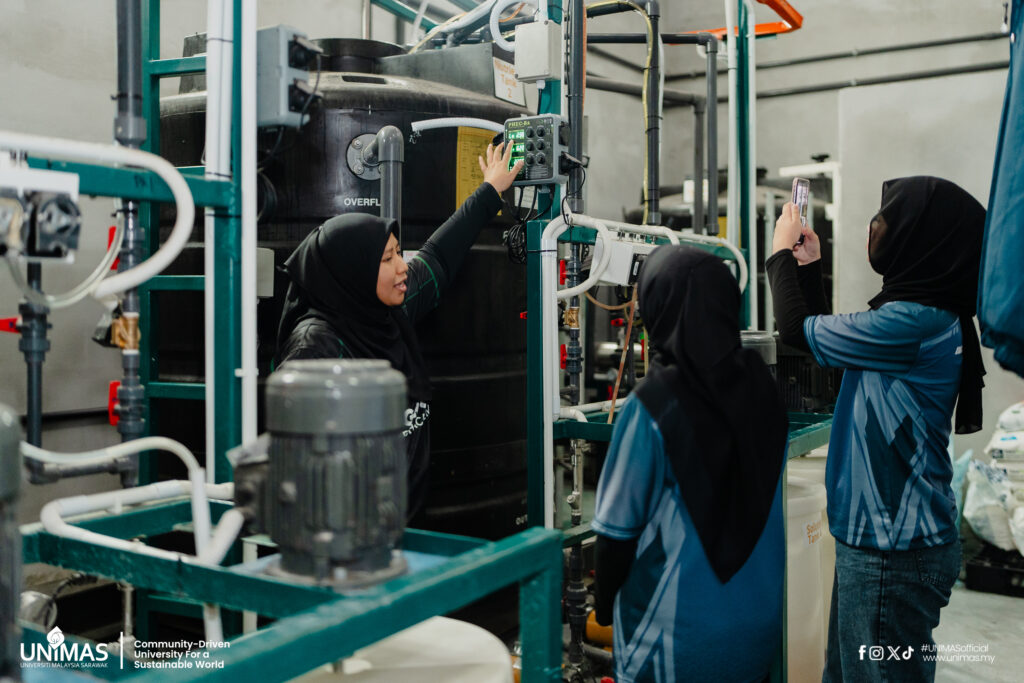
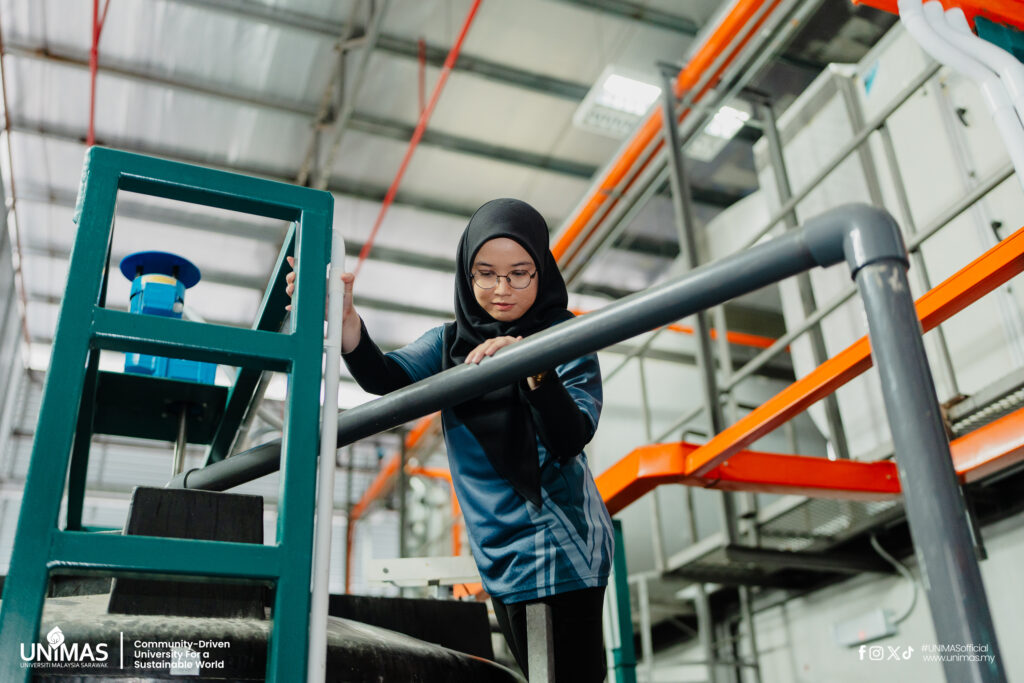
One of the participating students, Ignatia Catalena, expressed her enthusiasm for the programme, noting that the unique combination of theoretical grounding and hands-on experience greatly enhances their preparedness for the workforce. She highlighted that the programme supports the aspirations of Sarawak’s Post COVID-19 Development Strategy (PCDS) 2030, particularly in ensuring food security and building a skilled agrotechnology workforce. She hopes that younger Sarawakians will consider enrolling in this programme in UNIMAS to help strengthen the state’s agricultural future.
Another student, Hajrulz Izzati, reflected on the rare opportunity to participate in industry field trips across the Klang Valley-something that is not typically accessible to students in his faculty due to geographical and cost limitations. Through the collaboration with Agroz Group Sdn. Bhd., students have been able to visit high-impact agricultural facilities, technology hubs, and commercial farms, providing them with invaluable insights into current industry trends and innovations.
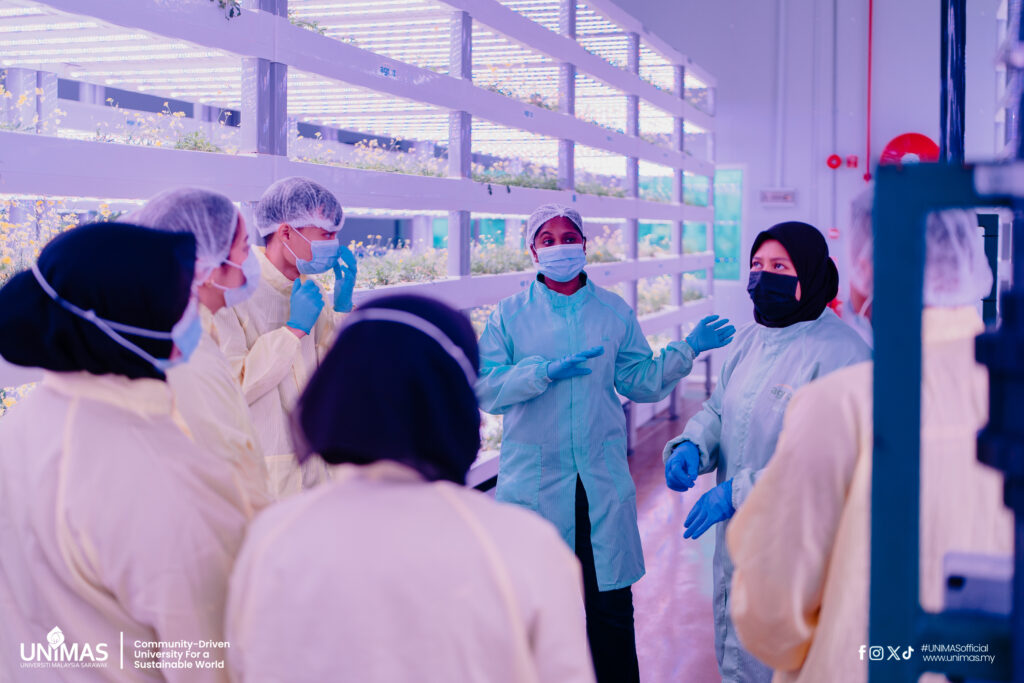
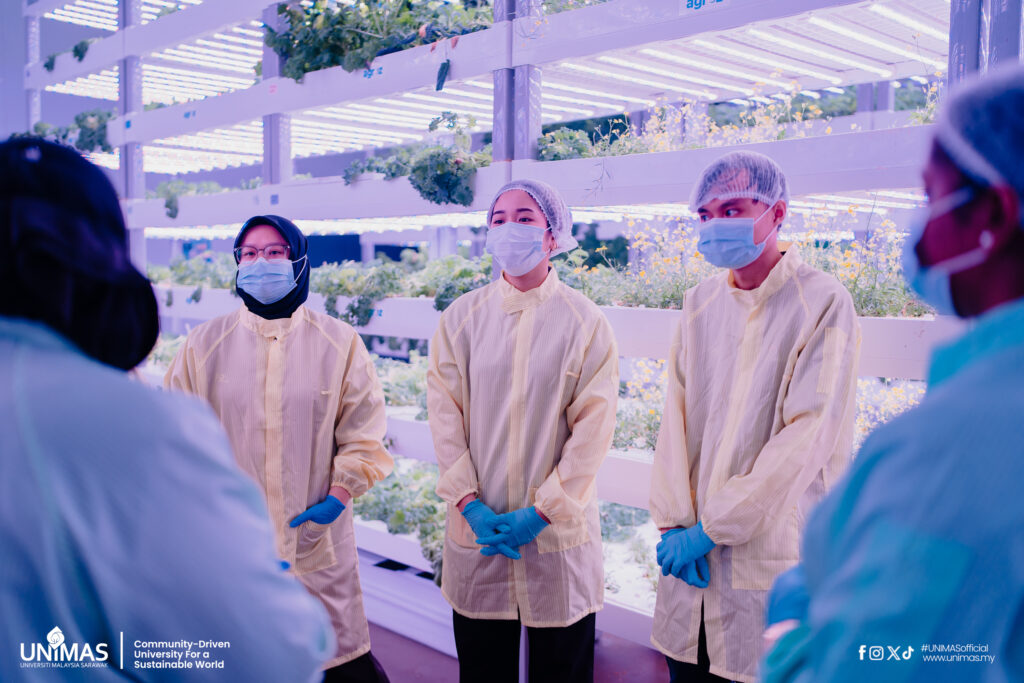
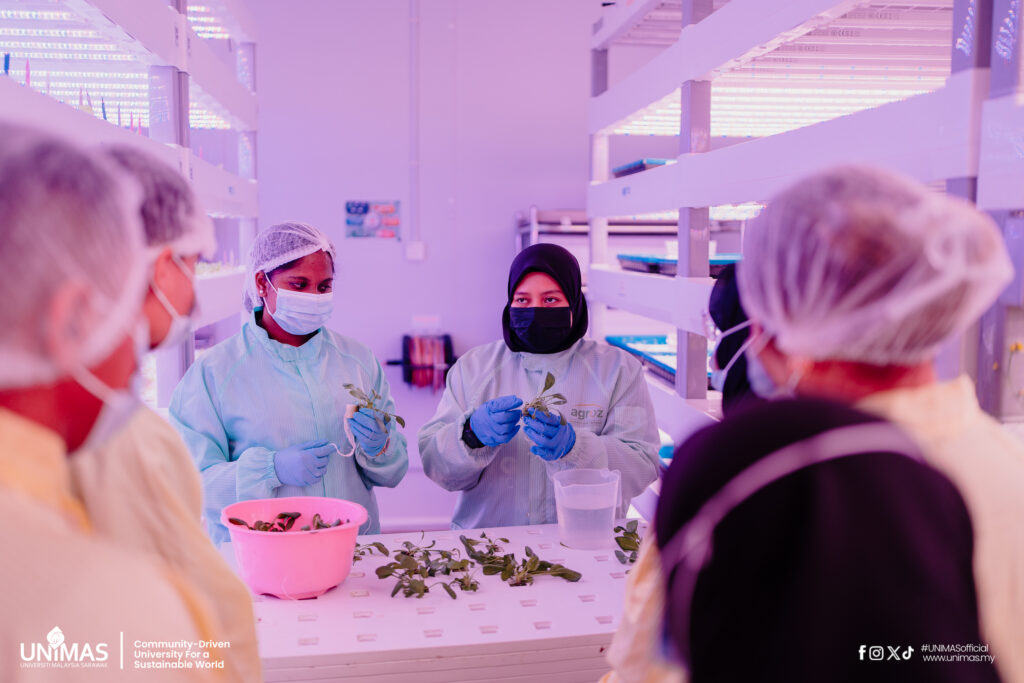
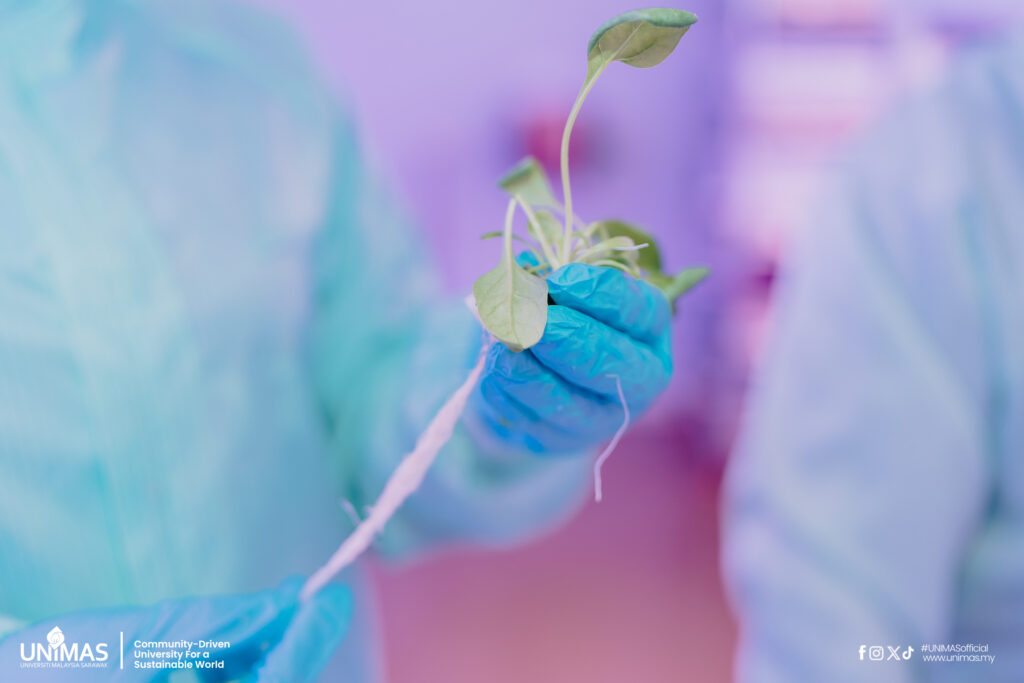
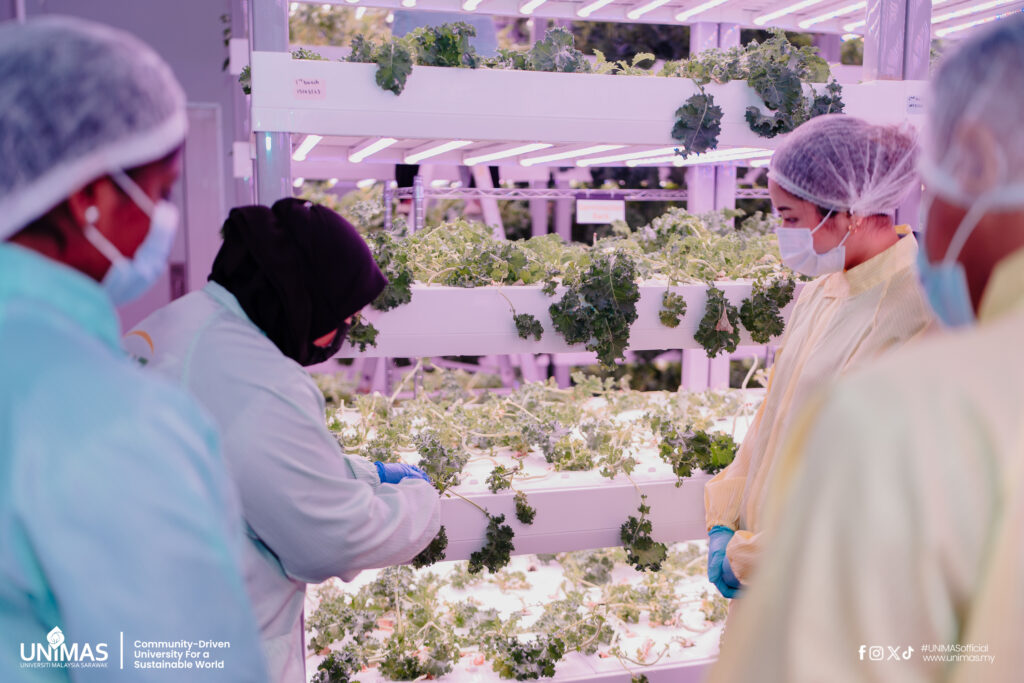
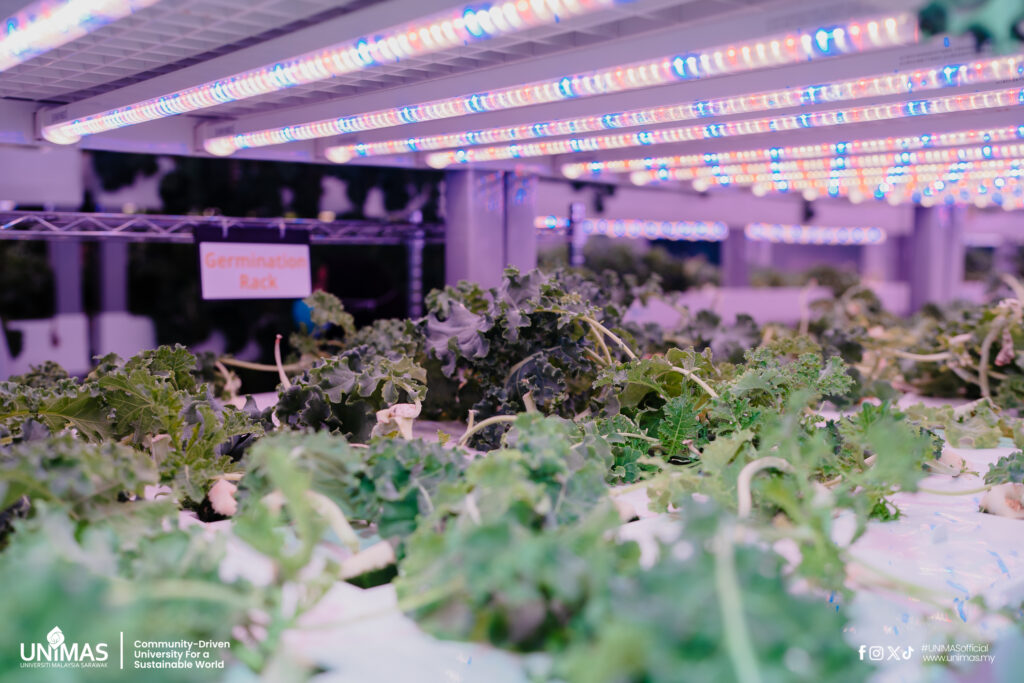
This collaboration is expected to empower students to deepen their understanding of modern agricultural technologies, enhance their professional skills, and build strong industry networks-ultimately preparing them to become future leaders in the agrotechnology sector.
UNIMAS Agrotechnology Programme expresses its deep appreciation to Mr. Gerard Lim, Chief Executive Officer of Agroz Group Sdn. Bhd., for his steadfast support and commitment to this initiative. Sincere gratitude is also extended to the dedicated Agroz Group Coaches-Coach Siti Nabilah, Coach Nurul Syazwani, Coach Nabilah, and Coach Fatin-for their continuous guidance, mentorship, and encouragement throughout the students’ industrial-based learning journey.
This pioneering cohort represents an important step forward in UNIMAS’s mission to deliver impactful, industry-relevant education that supports national and regional agricultural development.
Article written by Ts. Dr Bernard anak Maringgal (Faculty of Resource Science and Technology, UNIMAS)